About
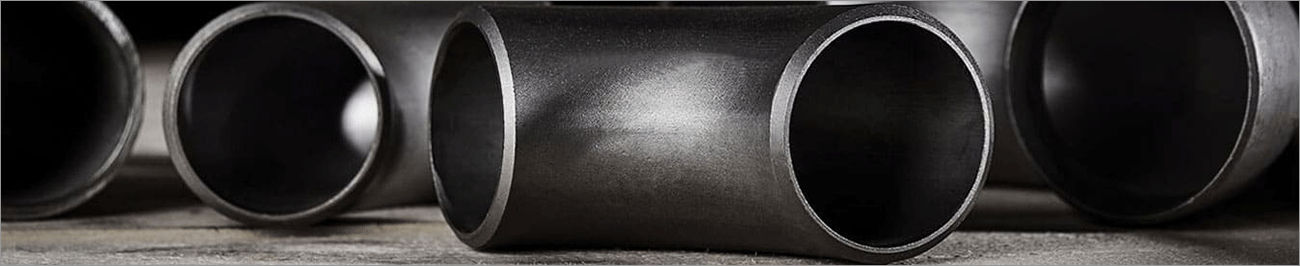
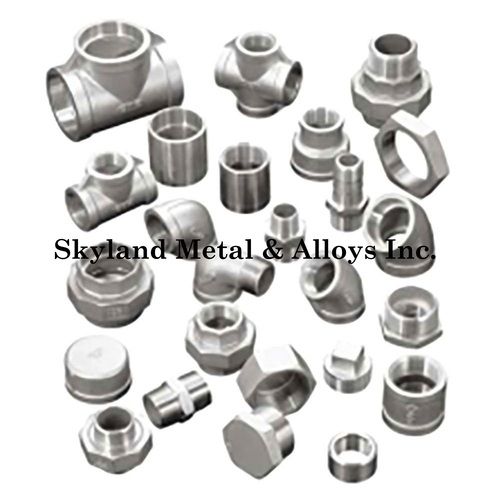
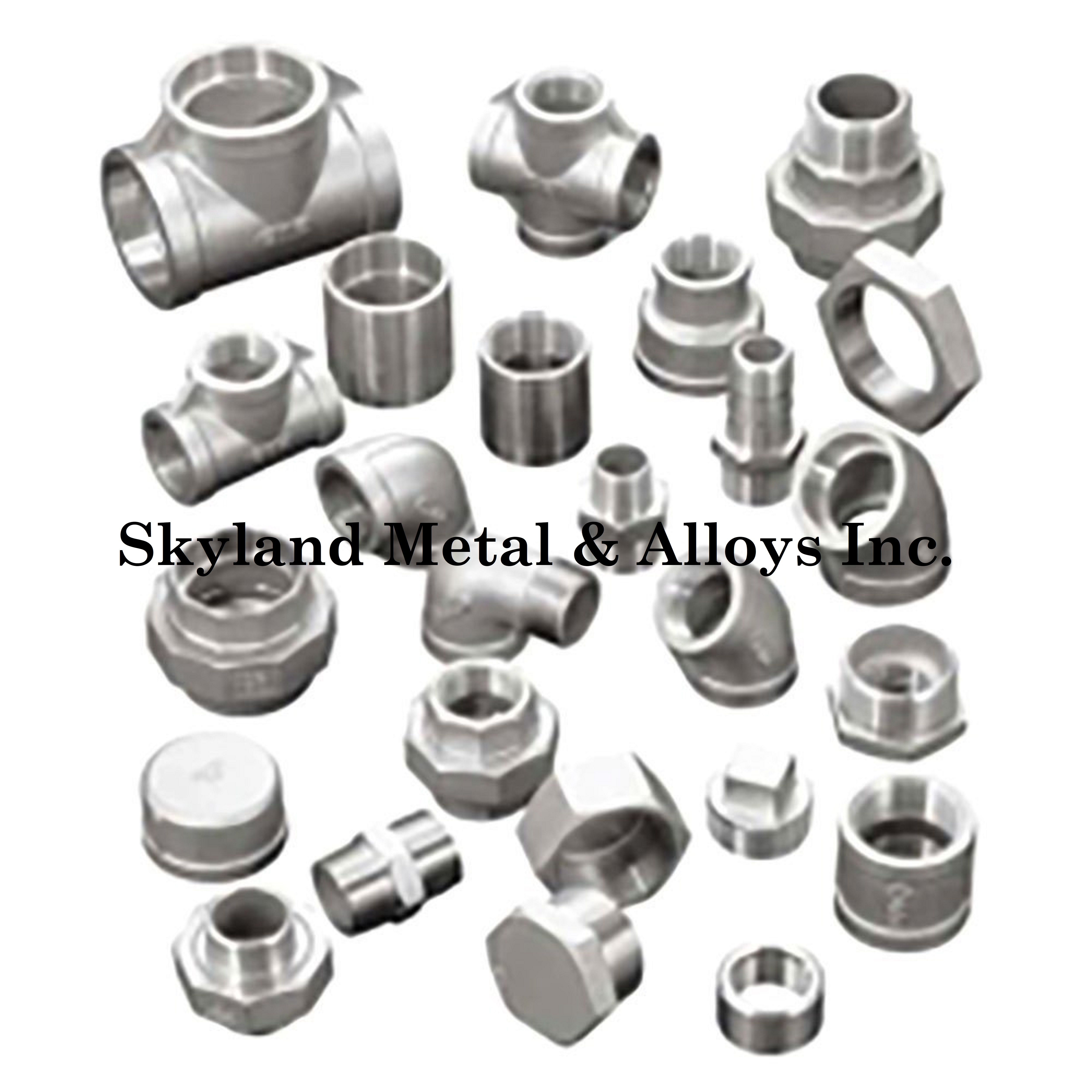
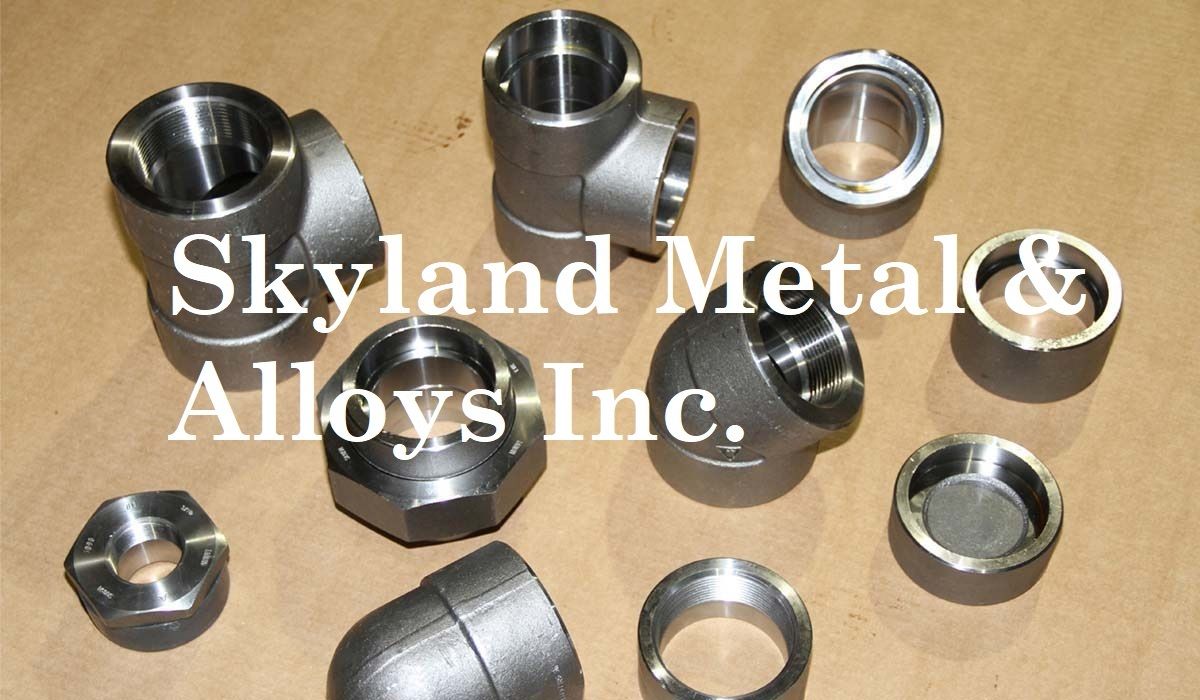
Inconel Butt weld fittings are available in various profiles like Inconel 600, Inconel 601, Inconel 617, Inconel 625, Inconel 718, Inconel X-750, Inconel 800, Incoloy 800H, Incoloy 800HT and Inconel 825. Engineered using one of the toughest alloys, these inconel buttweld fittings have excellent mechanical properties, low gas content and low vapor- pressure along with high thermo-electrical conductivity. Along with this, the suitable chemical composition make these buttweld inconel fittings highly resistant to corrosive environment.
Specifications:
- Grades: 600, 601, 625, 800, 825
- Range: 15 NB UP TO 600 NB IN SCH 5S, 10S,10, 20, 40S, 40, STD, 60, 80S, 80, XS, 100, 120, 140, 160 & XXS
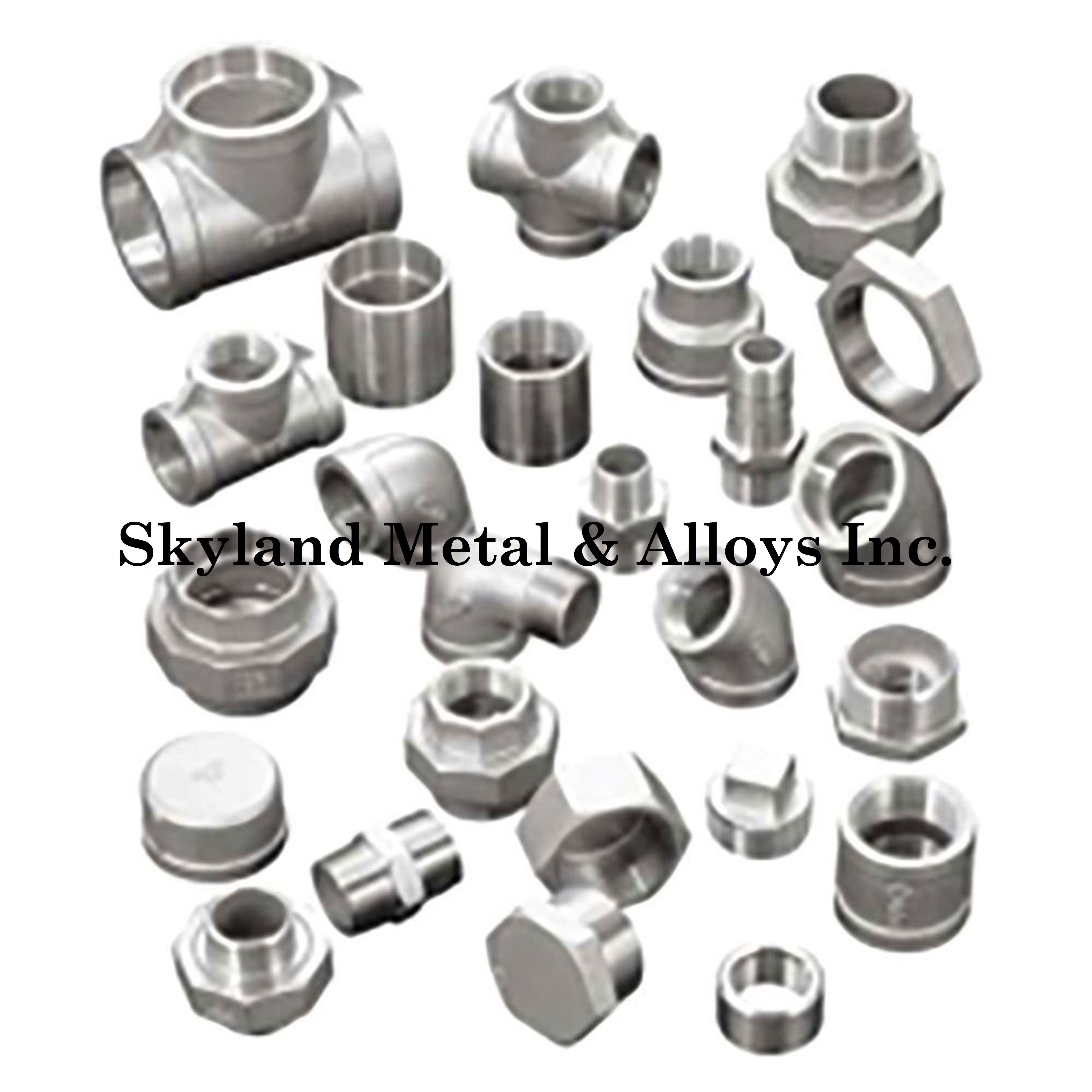
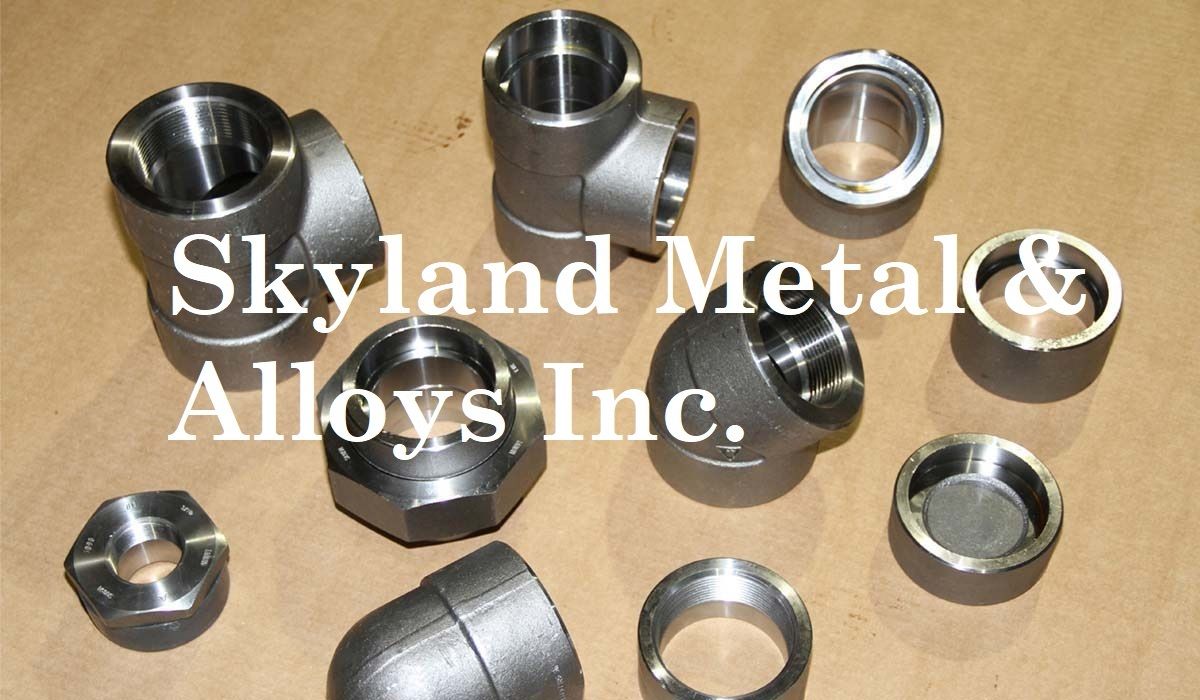
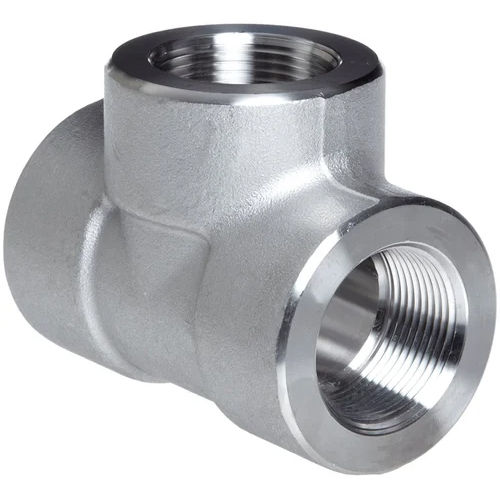
- Types: Elbow 90 Deg, Elbow 45 Deg, Elbow 180 Deg, long/short radius elbows, equal/unequal tees, concentric/eccentric reducers, caps, crosses, short/long neck stub-ends
Buttweld Fittings
90 Long Radius Elbow
90 Short Radius Elbow
45 Long Radius Elbow
45 Short Radius Elbow
180 Long Radius Elbow
180 Short Radius Elbow
1D Elbows
1.5D Elbows
3D Elbows
5D Elbows
Seamless Buttwelding 45 and 90 Elbows
Seamless Buttwelding 180 Returns
Straight Tees and Crosses
Equal Tee
Reducing Tee
Equal Cross
Reducing Cross
Reducers
Concentric and Eccentric Reducers
Stub End
Lap Joint Stub End
Pipe Caps
End Cap
Collar
Swedge Nipples
Pipe Nipples
Piggable Bend
Lateral
Advanced Corrosion Protection
Inconel pipe fittings deliver superior performance in corrosive conditions, making them ideal for chemical processing, petrochemical, and power plant environments. Their resistance to acids, alkalis, and seawater is critical for extending operational life and preventing leaks or failures, even under extreme temperatures and pressures.
Versatile Configuration Options
Customers can select from a wide range of shapes-elbow, tee, reducer, coupling, union, cap-and connection types, including welded, threaded, and socket weld. Customization is available for outer diameter (1/8" to 48"), wall thickness (1 mm to 20 mm), bend radius, and length, ensuring a precise fit for virtually any system.
Stringent Quality Standards
Every fitting is manufactured according to ASTM B366 standards and undergoes comprehensive testing such as ultrasonic, PMI, hydrostatic, and radiography. Surface treatments like polishing, pickling, and sand blasting guarantee a high-quality finish, while tight tolerances (0.05 mm) ensure dependable and secure assembly.
FAQ's of Inconel Pipe Fittings:
Q: How do Inconel pipe fittings benefit high-temperature applications?
A: Inconel pipe fittings maintain structural integrity and corrosion resistance at elevated temperatures (up to 980C), making them suitable for use in power plants, chemical processing, and other demanding environments where both heat and chemical exposure are significant.
Q: What forms and end connections are available for Inconel fittings?
A: Fittings are offered in seamless, welded, and fabricated forms, with end connections that include beveled ends, plain ends, or threaded ends. This versatility allows users to select the best configuration for their system requirements and installation preferences.
Q: When is the use of Inconel pipe fittings recommended over conventional materials?
A: Inconel pipe fittings are recommended when exposure to aggressive chemicals, seawater, or extreme temperatures would compromise the performance and lifespan of conventional materials like stainless steel or carbon steel.
Q: Where are Inconel pipe fittings commonly used?
A: These fittings are widely deployed in industrial piping systems within chemical processing, petrochemical industries, power generation plants, and other sectors that demand superior corrosion resistance and high thermal stability.
Q: What is the testing process for quality assurance?
A: To ensure reliability, each fitting undergoes ultrasonic inspection, positive material identification (PMI), hydrostatic pressure testing, and radiography. These tests verify structural soundness and compliance with stringent ASTM B366 standards.
Q: How do surface treatments enhance Inconel fitting performance?
A: Surface treatments such as polishing, pickling, and sand blasting improve resistance to oxidation and corrosion, facilitate precise sealing, and enhance the appearance of the fittings, making them suitable for both functional and aesthetic requirements.