Duplex Steel 2205 Forged Fittings About
Duplex steel 2205 forged fittings are highly valued for their high strength and resistance to corrosion in severe operating conditions. It is popular for its unique strength and corrosion resistance characteristics. It contains austenite and ferrite.
Exceptional Corrosion Resistance and DurabilityDuplex Steel 2205 Forged Fittings are specifically designed to resist severe corrosion, making them ideal for aggressive chemical and marine environments. The dual-phase microstructure and alloy composition (21-23% Chromium, 4.5-6.5% Nickel, 2.5-3.5% Molybdenum) provide long-lasting performance even under high pressure and temperature. Their durability reduces maintenance and replacement cycles.
Extensive Compliance and Rigorous TestingEach fitting adheres to international standards, including ASTM A182, ASME SA182, and PED 2014/68/EU, guaranteeing quality and safety. Comprehensive testing protocols such as ultrasonic, hydrostatic, PMI, and intergranular corrosion tests validate product integrity, making these fittings reliable for critical applications.
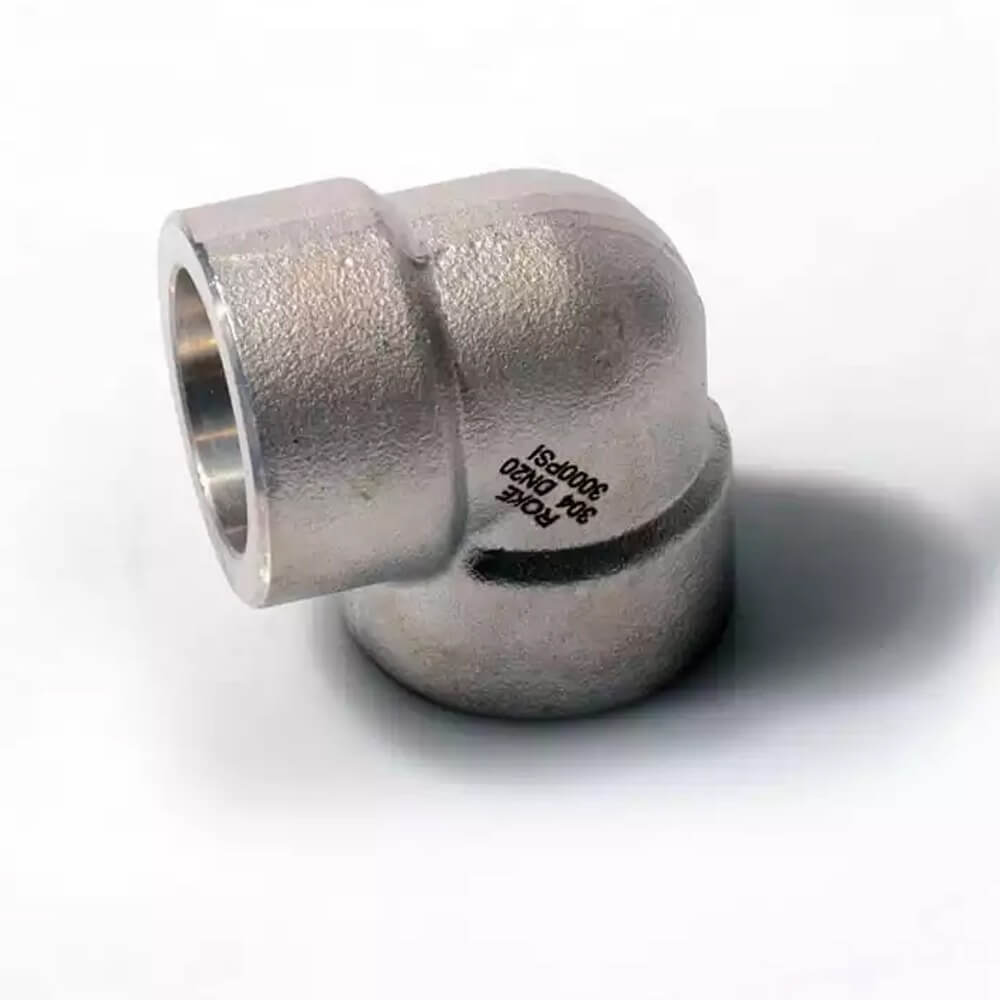
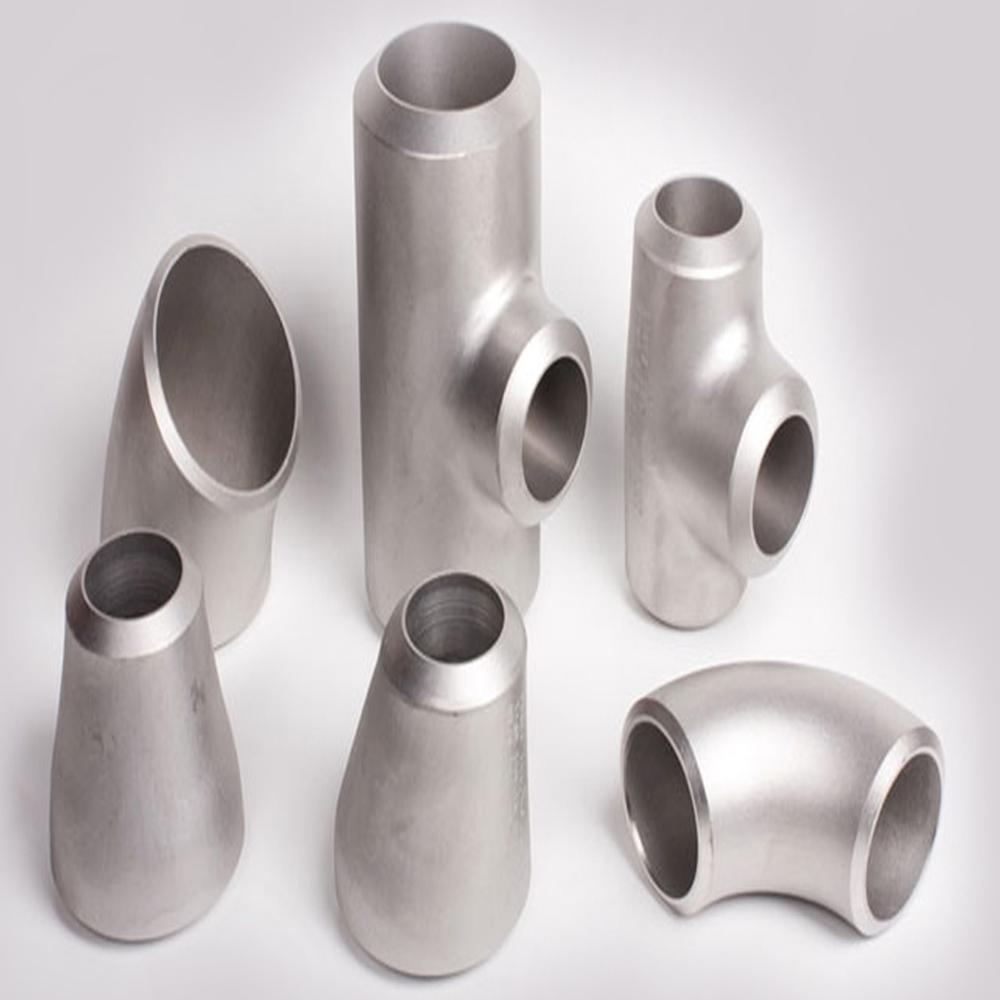
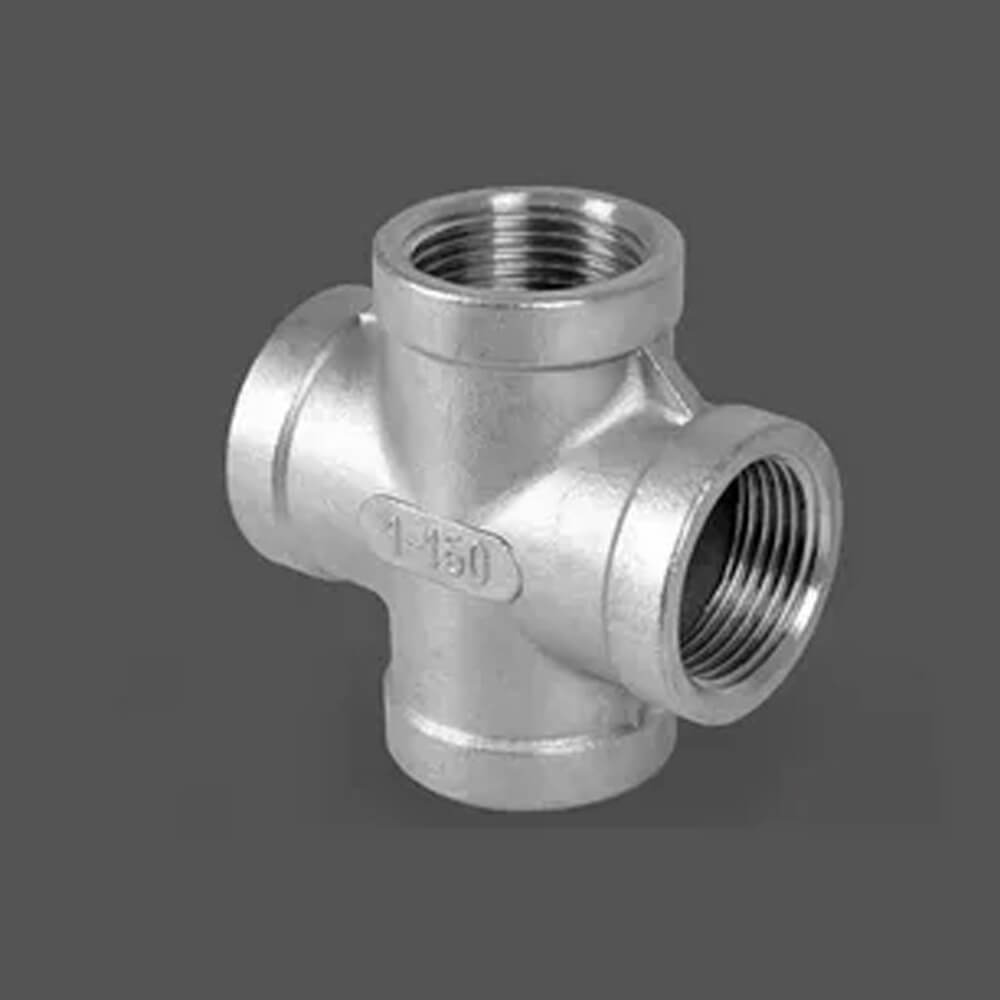
Versatile Applications and CustomizationAvailable in a range of shapes, sizes (1/8 to 4 inches or DN6-DN100), pressures (Class 2000 to 9000 lbs), and end types, these fittings are fully customizable. They fit various piping configurations in industries where high strength and corrosion resistance are essential, ensuring optimal system performance.
FAQ's of Duplex Steel 2205 Forged Fittings:
Q: How are Duplex Steel 2205 Forged Fittings manufactured?
A: These fittings are produced using a forging and machining process, which imparts superior mechanical strength and ensures precise dimensions. The combination of forging and finishing techniques enhances their durability, making them suitable for high-pressure and corrosive environments.
Q: What benefits do Duplex Steel 2205 Forged Fittings provide in piping systems?
A: Duplex Steel 2205 fittings offer remarkable corrosion resistance, high tensile strength (at least 620 MPa), and significant impact toughness at low temperatures, all of which contribute to extended service life and reduced downtime in critical applications such as petrochemical and chemical processing plants.
Q: When should I use Socket Weld versus Threaded (BSP/NPT) connections?
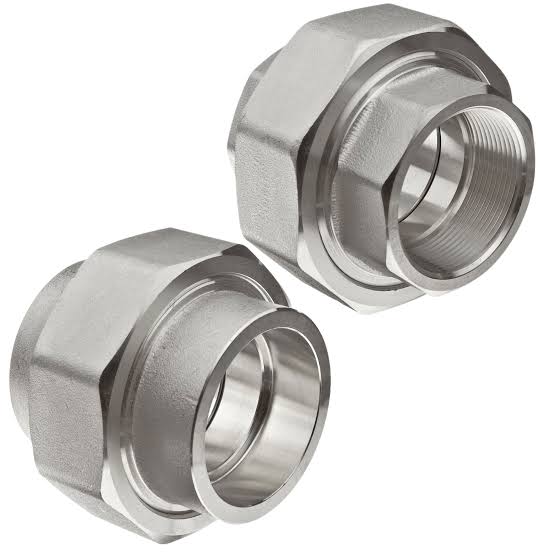
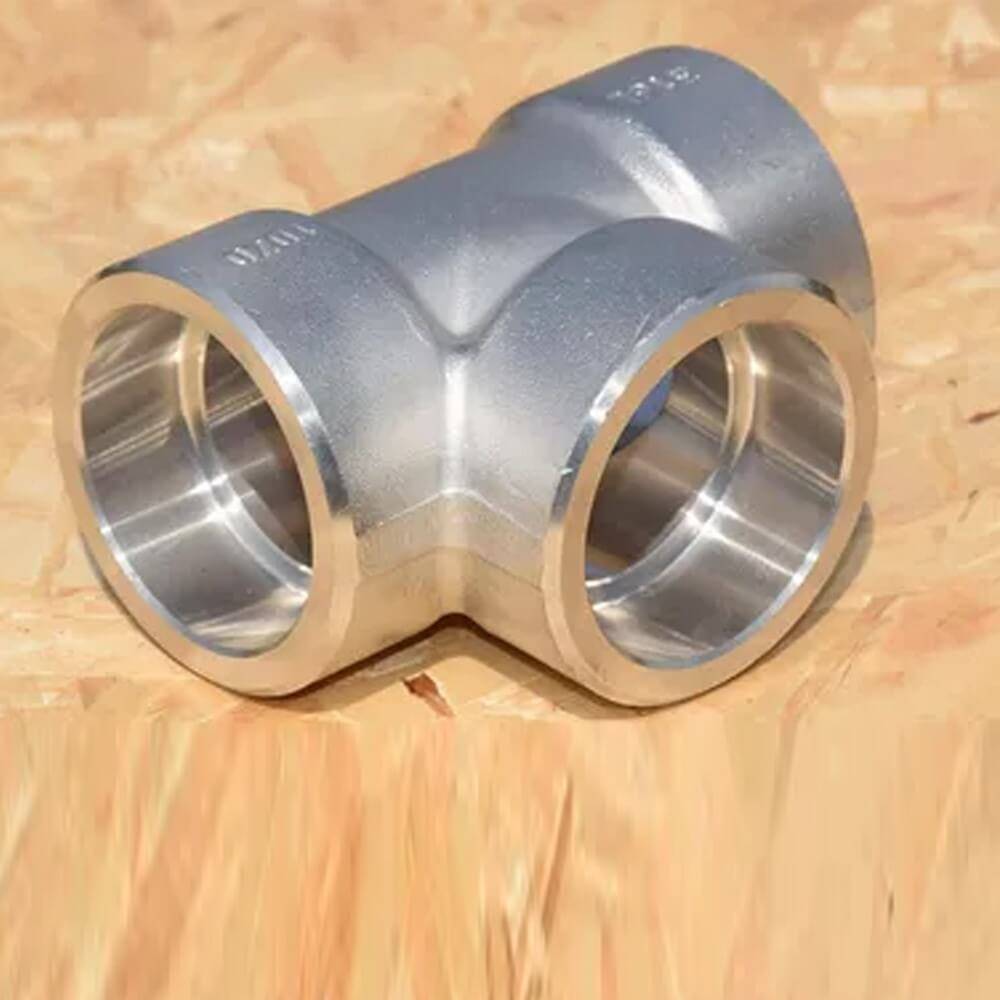
A: Socket weld connections are ideal for higher-pressure or vibration-prone applications, providing strong, leak-resistant joints. Threaded connections (BSP/NPT) are best for smaller diameter pipes and when easy assembly/disassembly is needed, particularly in lower-pressure systems.
Q: Where are these forged fittings typically used?
A: These fittings are widely utilized in piping systems for oil and gas, petrochemical, chemical processing, desalination, and power generation industries-especially where corrosion resistance and high strength are imperative for safety and performance.
Q: What testing is implemented to ensure the quality of these fittings?
A: Duplex Steel 2205 forged fittings undergo ultrasonic, hydrostatic, Positive Material Identification (PMI), and intergranular corrosion testing to ensure material integrity, mechanical strength, and compliance with international standards.
Q: How does the duplex structure impact their magnetic properties?
A: The duplex microstructure gives these fittings slight magnetism, distinguishing them from fully austenitic stainless steels. This feature does not typically affect their performance in most industrial applications.
Q: What customization options are available for Duplex Steel 2205 Forged Fittings?
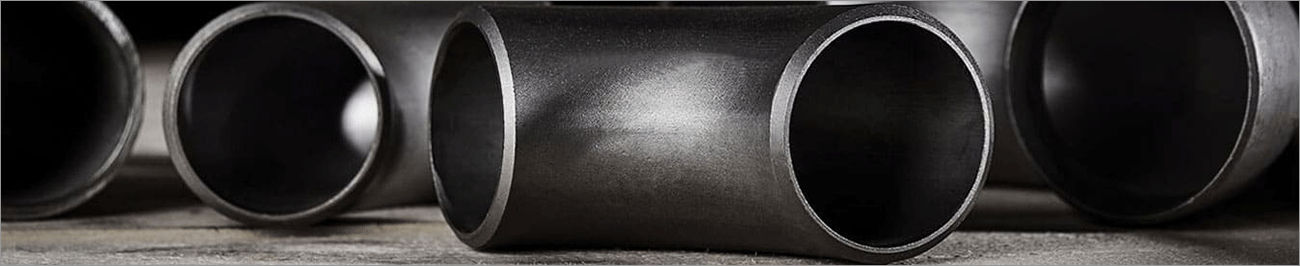
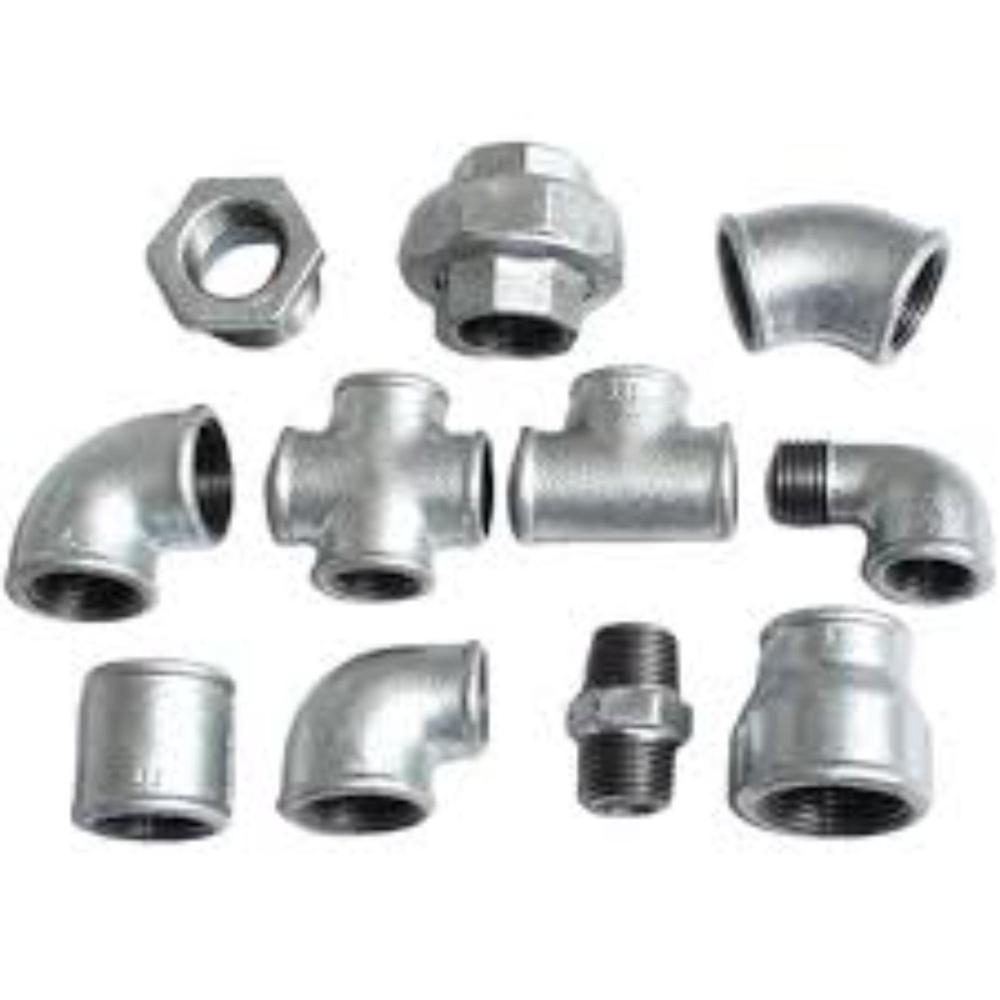
A: Customers can choose from various shapes (elbows, tees, couplings, etc.), dimensions (as per ASME/ASTM or custom), end types (beveled, plain, threaded), surface finishes (pickled, shot blasted, polished), pressure ratings, and connection types to meet specific project requirements.





 Send Inquiry


 Send Inquiry
 Send Inquiry
 Send SMS
 Call Me Free


