Duplex Steel 2205 Valves About
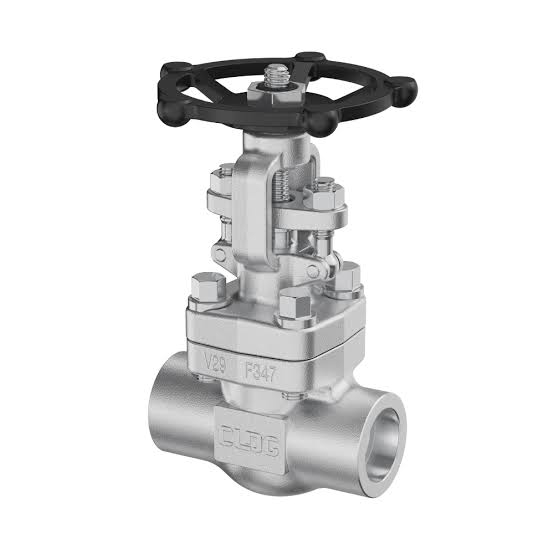
2205 Duplex Steel Valves are made of ferritic and austenitic stainless steel that is composed primarily of chromium (Cr), nickel (Ni), and molybdenum (Mo). This alloy also contains trace amounts of manganese, nitrogen, phosphorous, silicon, and carbon, giving it its corrosion-resistant properties. With a chemical composition of 22 percent chromium, 5 to 6 percent nickel, and 3 percent molybdenum, these valves can stand up to extreme temperatures, pressures, and corrosive environments. Duplex Steel 2205 Valves can accommodate various industrial applications, from petrochemical processing systems to food production plants. When properly maintained with regular cleaning and inspecting for possible damages, these
valves can last for years in various industrial settings.
Superior Material Strength and ResistanceDuplex Steel 2205 Valves are crafted from duplex stainless steel, combining high chromium, nickel, and molybdenum levels to ensure outstanding corrosion resistance, especially against chloride stress corrosion cracking. Their robust construction grants them a notable hardness of 293 HB and maximum tensile strength, suitable for harsh industrial uses.
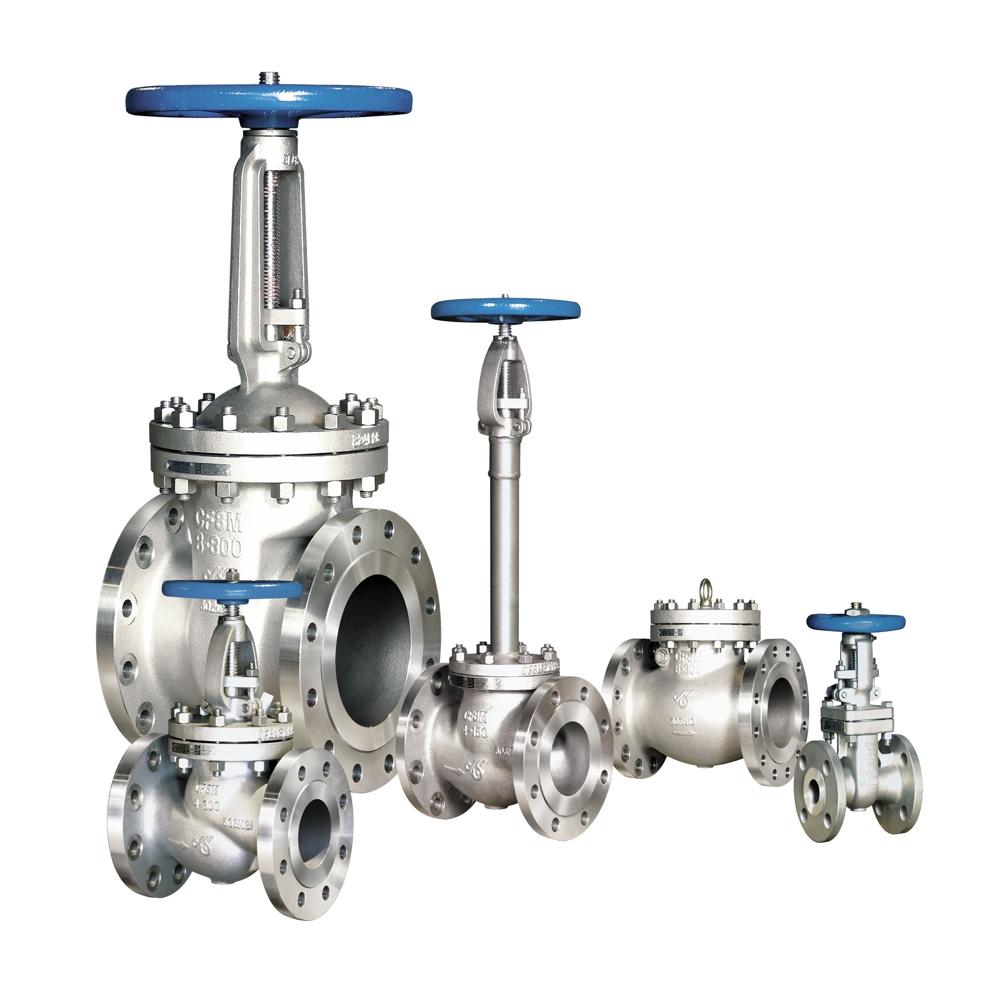
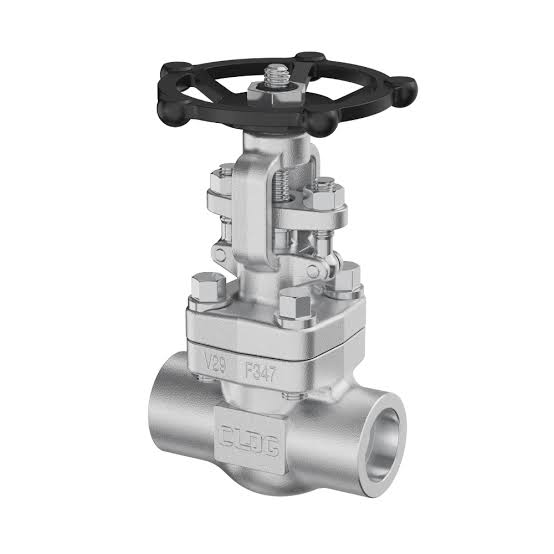
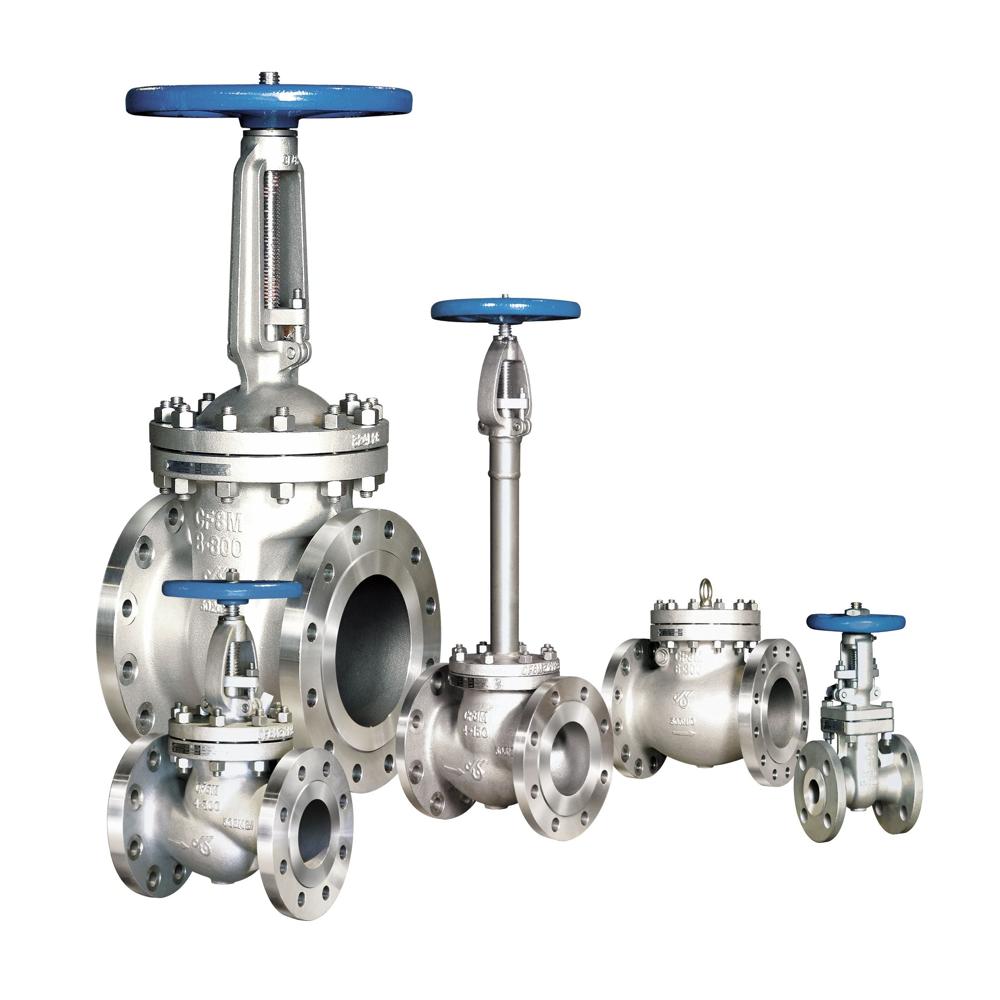
Versatile Operation and End Connection OptionsThese valves are designed to accommodate various installation and operational needs. Customers can choose manual, pneumatic, or electric actuation as well as flanged, socket-weld, butt-weld, or threaded ends. This flexibility makes them compatible with multiple piping systems and user requirements.
Reliable Performance Across Temperature and Pressure RangesDuplex 2205 valves maintain functionality and tightness from -50C to +300C and handle pressures up to 2500#, meeting rigorous standards (ASME B16.10, API 598). This enables safe, stable operation even in extreme service conditions, enhancing reliability and lifespan.
FAQ's of Duplex Steel 2205 Valves:
Q: How are Duplex Steel 2205 Valves typically used in industrial applications?
A: Duplex Steel 2205 Valves are mainly employed to control, isolate, or redirect fluid flow in processes involving oil & gas extraction, petrochemical manufacturing, chemical processing, water treatment, and power generation. Their durability and resistance suit demanding environments where safety and performance are crucial.
Q: What makes Duplex 2205 suitable for high-pressure, high-temperature services?
A: The duplex stainless steel alloy combines high chromium (22%), nickel (5-6%), and molybdenum (3%), giving it tensile strength of 620 MPa and superior resistance to corrosion. This composition ensures steady performance at temperatures up to 300C and pressures ranging from 150# to 2500#.
Q: When should I choose flanged, socket-weld, butt-weld, or threaded end connections?
A: End connection selection depends on the pipeline's design, installation convenience, and maintenance requirements. Flanged ends offer easy disassembly, butt-weld connections provide leak-tight joints, socket-welds are suitable for small-diameter pipelines, and threaded ends fit low-pressure or occasional service systems.
Q: Where are these valves installed and to what standards are they manufactured?
A: Duplex 2205 valves are installed in facilities such as oil refineries, chemical plants, water treatment facilities, and power plants. They are manufactured as per ASME B16.34/API 602 design standards, utilize ASME B16.5 or equivalent for end connections, and are tested in accordance with API 598 for leak tightness and integrity.
Q: What is the process of testing and quality assurance for these valves?
A: Valves are rigorously tested following API 598 standards for pressure and leakage, including hydrostatic and pneumatic testing, to ensure they meet Class VI (bubble-tight) leakage criteria. Additional inspections verify material composition, dimensional accuracy, and surface finish as per ASTM and ASME specifications.
Q: How does the valve's composition improve its corrosion resistance?
A: A blend of 22% chromium, 5-6% nickel, 3% molybdenum, and 0.15% nitrogen gives the valve its excellent corrosion resistance. This composition particularly guards against pitting, crevice corrosion, and chloride-induced stress corrosion, especially in aggressive chemical and marine environments.





 Send Inquiry


 Send Inquiry
 Send Inquiry
 Send SMS


