Duplex Steel S32205 Valves About
S32205 Duplex Steel Valves are an alloy of chromium, nickel, molybdenum and nitrogen. This combination of metals provides a rigid, durable valve that can withstand high pressure and temperature. In addition to chromium-nickel-molybdenum, the chemical composition also includes a small amount of nitrogen, enhancing pitting corrosion resistance. As a single-phase austenitic-ferritic duplex alloy, this type of valve provides exceptional corrosion resistance while maintaining a high strength level compared to other materials like carbon steel or
stainless steel. Developments in Duplex Steel S32205 Valves make them even more durable and corrosion-resistant due to their increased strength and corrosion-resistive properties.
Exceptional Strength and DurabilityManufactured from Duplex Stainless Steel S32205, these valves provide high tensile strength (minimum 620 MPa) and outstanding resistance to corrosion and stress cracking. Their robust construction ensures longevity even in harsh operating conditions, making them suitable for aggressive media and high-pressure environments.
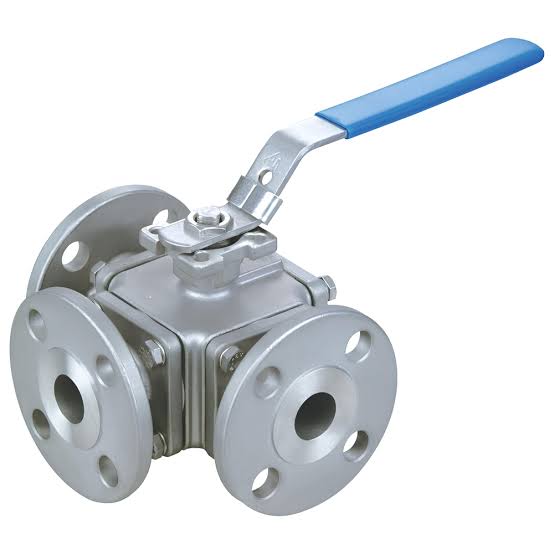
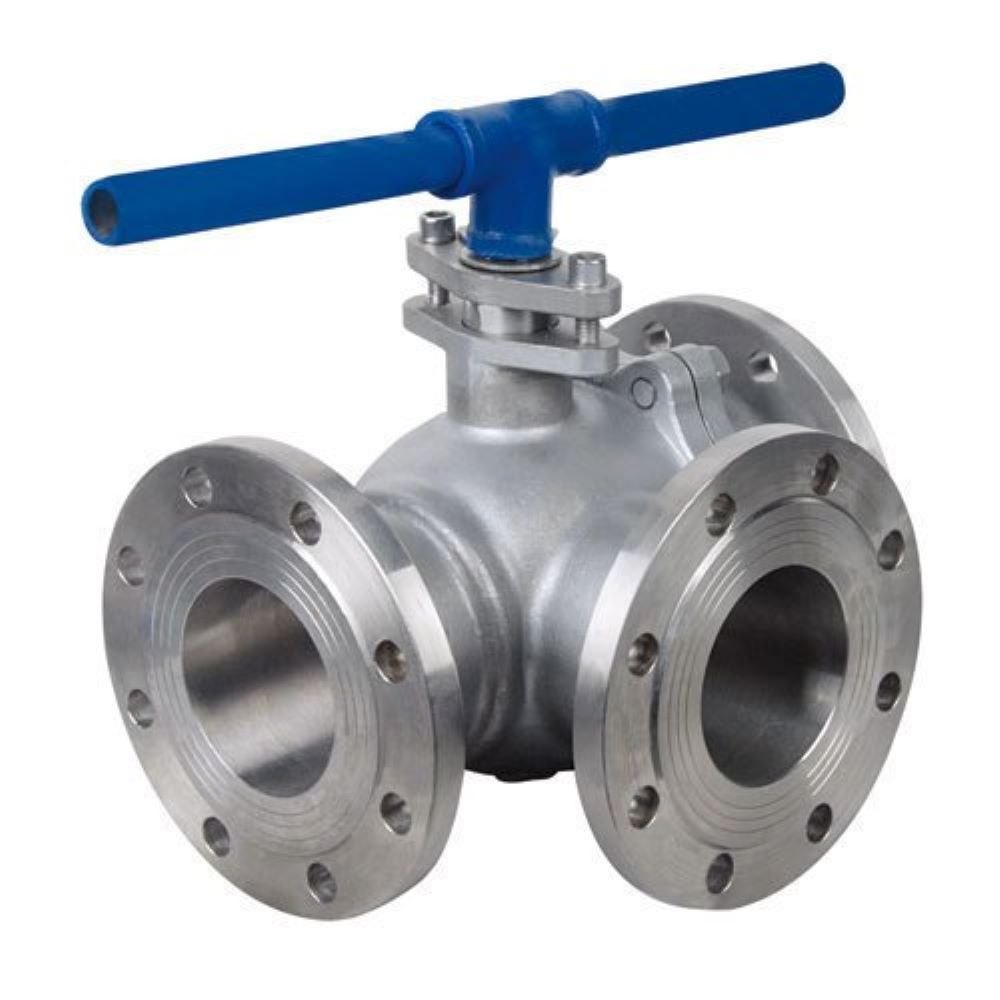
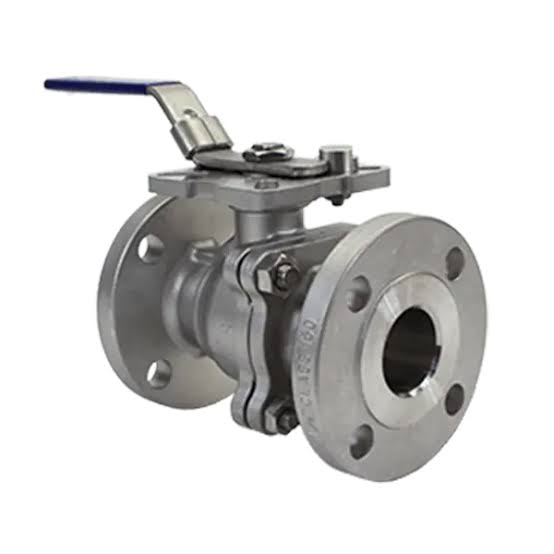
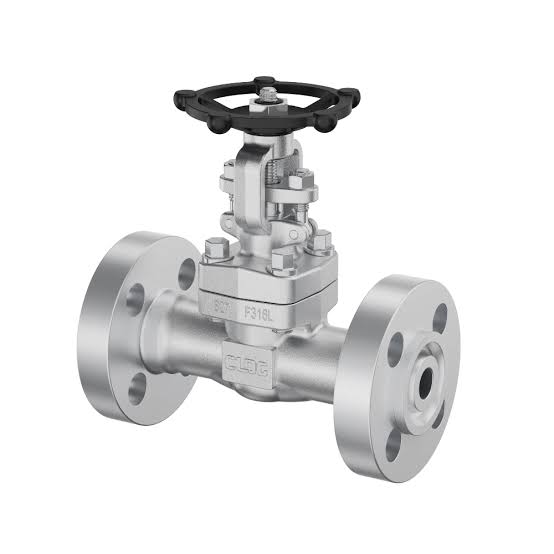
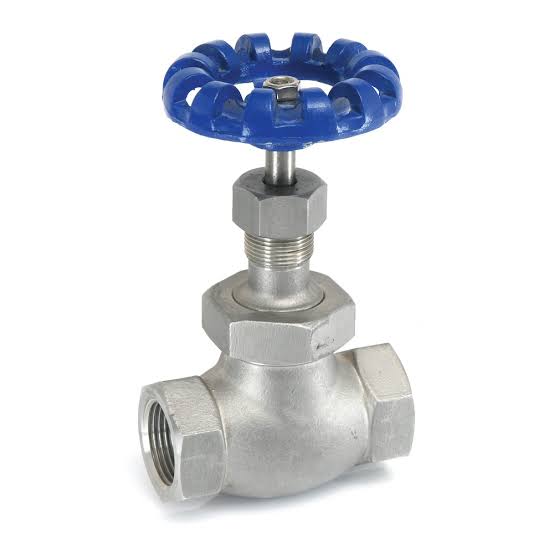
Versatile Connection and Operation OptionsDuplex Steel S32205 Valves can be customized with flanged, screwed, socket weld, or butt weld ends, catering to diverse installation requirements. With options for manual, pneumatic, or electric actuators, they support both automatic and manual flow control, adapting to varied process systems.
Reliable Performance Across ApplicationsFully tested as per ISO 5208, these valves guarantee leak-tight performance and function efficiently in a wide temperature range from -50C to +300C. They are ideal for regulating and isolating flow in oil & gas, chemical, power, marine, and water treatment sectors, ensuring consistent and secure operation.
FAQ's of Duplex Steel S32205 Valves:
Q: How are Duplex Steel S32205 Valves tested for leakage and pressure integrity?
A: Each valve undergoes hydrostatic and pneumatic testing as per ISO 5208 guidelines to ensure reliable sealing and pressure containment. Leakage classification is confirmed to ANSI/FCI 70-2 Class VI or as specified.
Q: What are the available end connection types for these valves and where are they used?
A: End connections include flanged, screwed, socket weld, and butt weld. Selection is based on system design; for example, flanged ends suit high-integrity piping in oil & gas, while screwed or socket weld ends are common in compact or low-pressure applications.
Q: When should I use a manual, pneumatic, or electric actuator with these valves?
A: Manual actuation is suitable for infrequent operation or simple systems, while pneumatic and electric actuators are ideal for automated, remote, or frequent valve operations in complex process systems.
Q: What seat materials are offered and how do I select the right one?
A: Seat options include PTFE, RPTFE, and metal seats. PTFE/RPTFE are suitable for general chemical resistance and lower temperatures, while metal seats provide superior durability for high-temperature or abrasive services.
Q: Where can Duplex Steel S32205 Valves be installed?
A: These valves are used across oil & gas plants, chemical processing, power generation facilities, petrochemical units, marine systems, and water treatment plants due to their strength and corrosion resistance.
Q: What is the benefit of using Duplex Stainless Steel S32205 for valves?
A: S32205 duplex stainless steel delivers excellent corrosion resistance against chloride-induced stress corrosion and offers superior mechanical properties, making the valves durable and ideal for aggressive and high-pressure applications.
Q: How are custom sizes and configurations accommodated for specialized requirements?
A: Valves are engineered and manufactured according to client specifications, including custom dimensions, handle design, pressure ratings, and finishes, ensuring optimal fit and performance in target installations.





 Send Inquiry


 Send Inquiry
 Send Inquiry
 Send SMS


