Duplex Steel UNS S31803 Electrodes About
Duplex Steel UNS S31803 is a ferrite-austenite duplex stainless steel alloy composed of chromium, nickel and molybdenum. The material offers a range of advantages such as excellent corrosion resistance, high strength and toughness, good weldability and formability, low thermal expansion and cost savings compared to other
stainless steel grades.
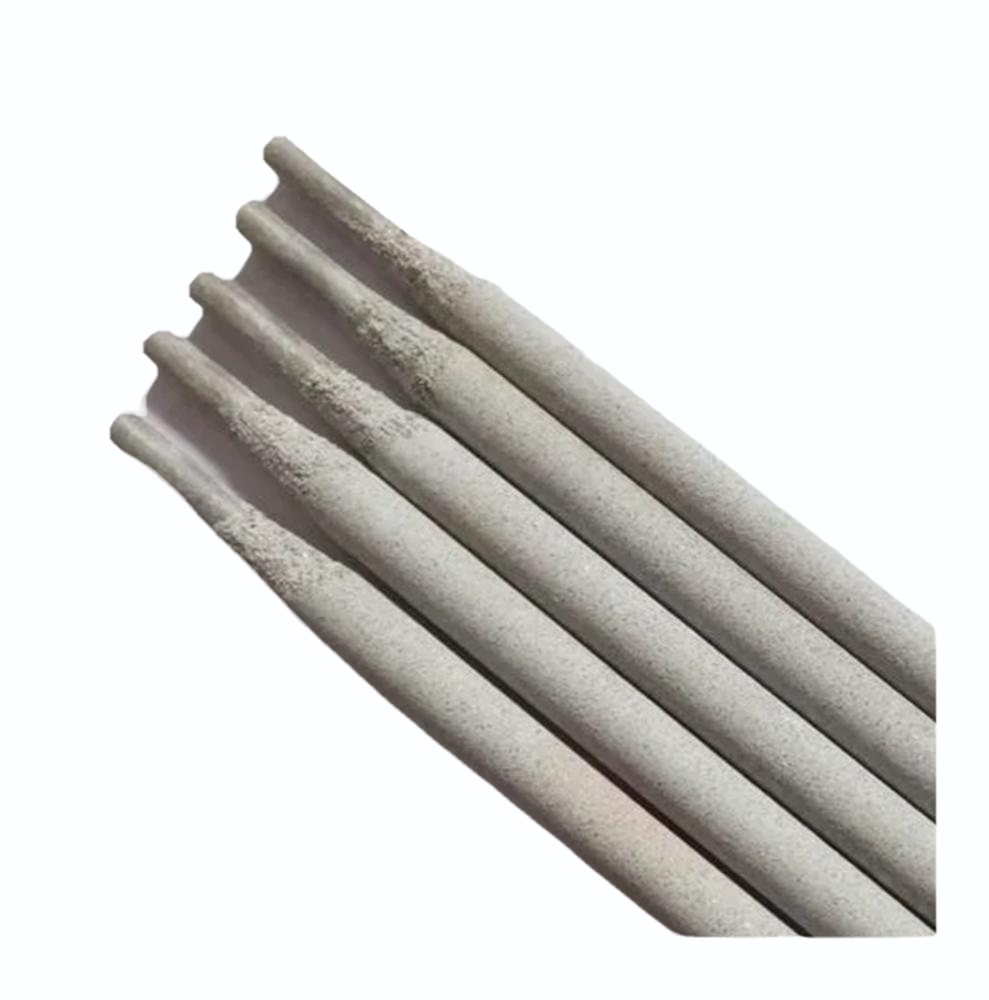
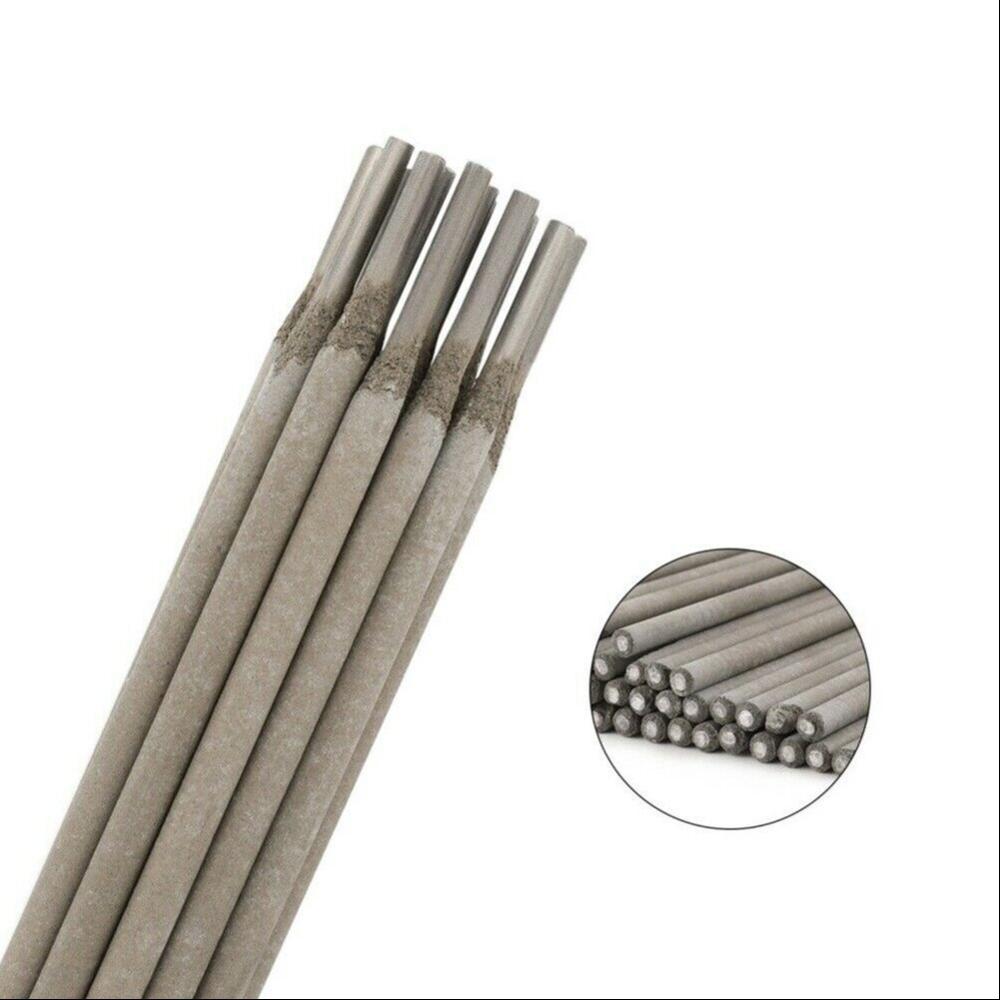
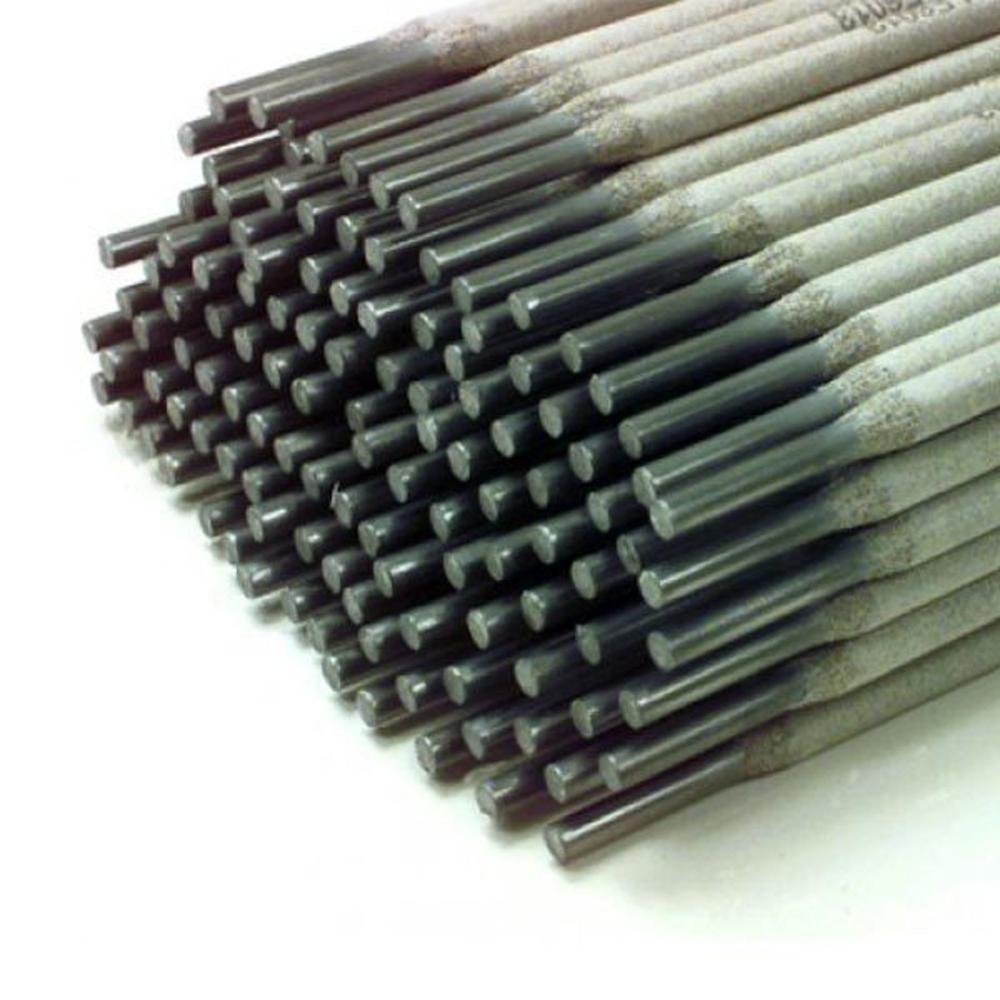
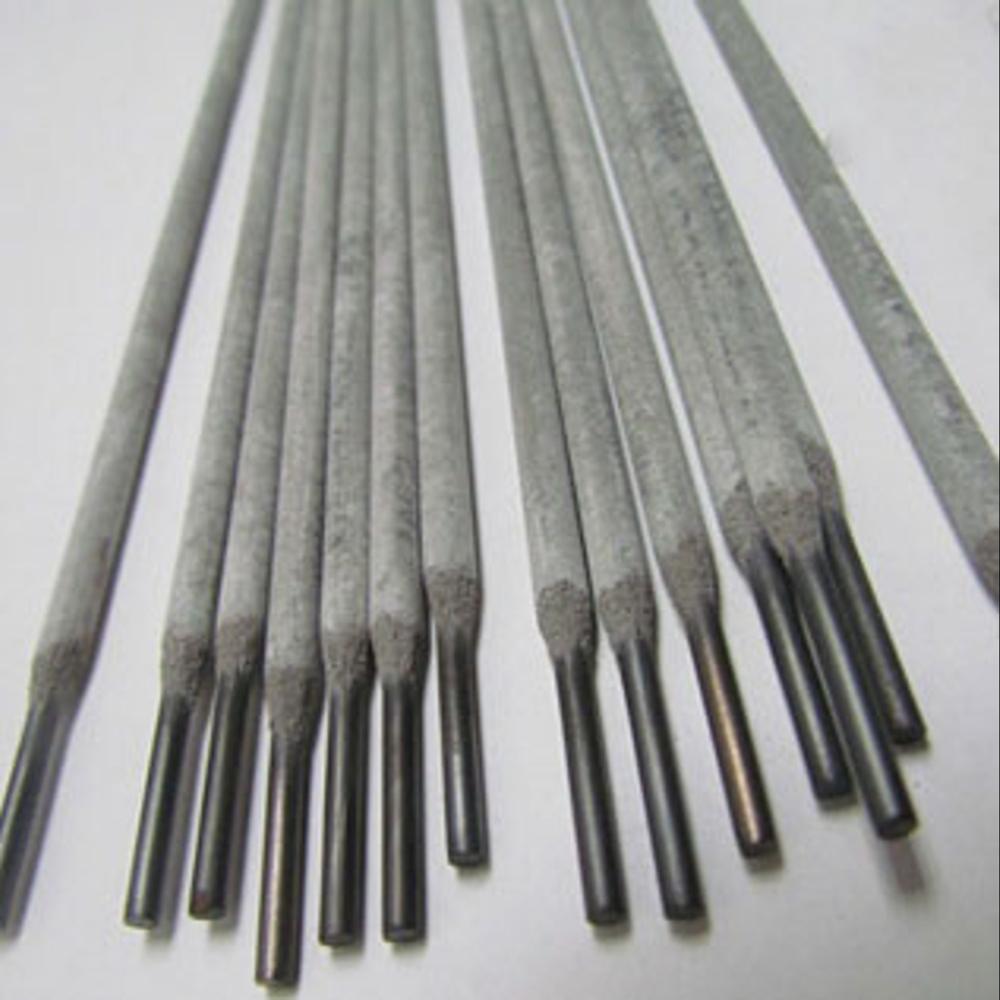
Outstanding Weld Quality and VersatilityDuplex Steel UNS S31803 Electrodes are specially designed to deliver consistent welds with enhanced strength and corrosion resistance. Their rutile (titania-based) coating ensures smooth arc stability and facilitates easy slag removal, making them user-friendly even on complex weld joints in all positions. These versatile electrodes perform efficiently across industries such as chemical processing, marine, and oil & gas, adapting to a variety of fabrication and repair needs.
Superior Corrosion and Heat ResistanceThese electrodes possess inherent resistance to pitting, crevice, and stress corrosion, thanks to their duplex stainless steel composition (Cr 21-23%, Ni 4.5-6.5%, Mo 2.5-3.5%, N 0.14-0.20%). This makes them highly suitable for harsh industrial environments. Moreover, their ability to withstand continuous heat exposure up to 300C ensures durability under demanding thermal conditions, securing structural integrity over time.
Reliable Performance and PackagingAvailable in multiple standard diameters (2.5 mm to 5.0 mm) and lengths (350 to 450 mm), Duplex S31803 Electrodes come boxed and vacuum packed, ensuring that product quality is preserved from manufacturer to job site. For optimal welding results, store these electrodes in dry conditions, and re-bake at 300C if moisture contamination occurs. Custom sizes and popular filler brands are available upon request to meet project-specific requirements.
FAQ's of Duplex Steel UNS S31803 Electrodes:
Q: How are Duplex Steel UNS S31803 Electrodes used in welding applications?
A: These electrodes are primarily used in manual metal arc welding (MMA/SMAW) for joining and fabricating duplex stainless steels. Their design supports welding in all positions-flat, vertical, and overhead-making them ideal for complex projects in challenging environments like chemical plants, shipyards, and oil refineries.
Q: What benefits do these electrodes offer over conventional stainless steel electrodes?
A: Duplex Steel UNS S31803 Electrodes combine high tensile strength (750 MPa) with excellent resistance to corrosion (pitting, stress, and crevice), providing enhanced durability and longevity in aggressive environments. Their duplex microstructure also delivers improved toughness and superior weld integrity compared to standard stainless electrodes.
Q: When should the electrodes be re-baked, and at what temperature?
A: Re-baking is recommended if the electrodes have been exposed to moisture or show signs of contamination. The electrodes should be re-baked at a temperature of 300C to restore their optimal welding properties and prevent weld defects caused by moisture.
Q: Where should these welding electrodes be stored for best results?
A: To maintain their quality and prevent moisture absorption, Duplex Steel UNS S31803 Electrodes should be stored in dry conditions, ideally in their original vacuum-packed boxes until ready for use. Proper storage safeguards their weldability and physical properties.
Q: What is the typical welding current range for these electrodes, and how is it selected?
A: The recommended welding current range varies by electrode size but generally falls between 60-160A for most applications. Always refer to the electrode packaging or technical datasheet for the optimal current specific to the diameter in use.
Q: What industries benefit most from using these electrodes?
A: Industries such as chemical processing, marine, oil & gas, and food processing frequently utilize Duplex Steel UNS S31803 Electrodes due to their outstanding corrosion resistance, heat resistance, and mechanical strength in demanding operational environments.
Q: How does the rutile coating enhance the welding process?
A: The rutile (titania-based) coating improves arc stability, aids in smooth slag removal, and contributes to clean, spatter-free welds. This ensures efficient, high-quality welding with minimal post-weld cleanup.





 Send Inquiry


 Send Inquiry
 Send Inquiry
 Send SMS


