Hastelloy B2 Gaskets About
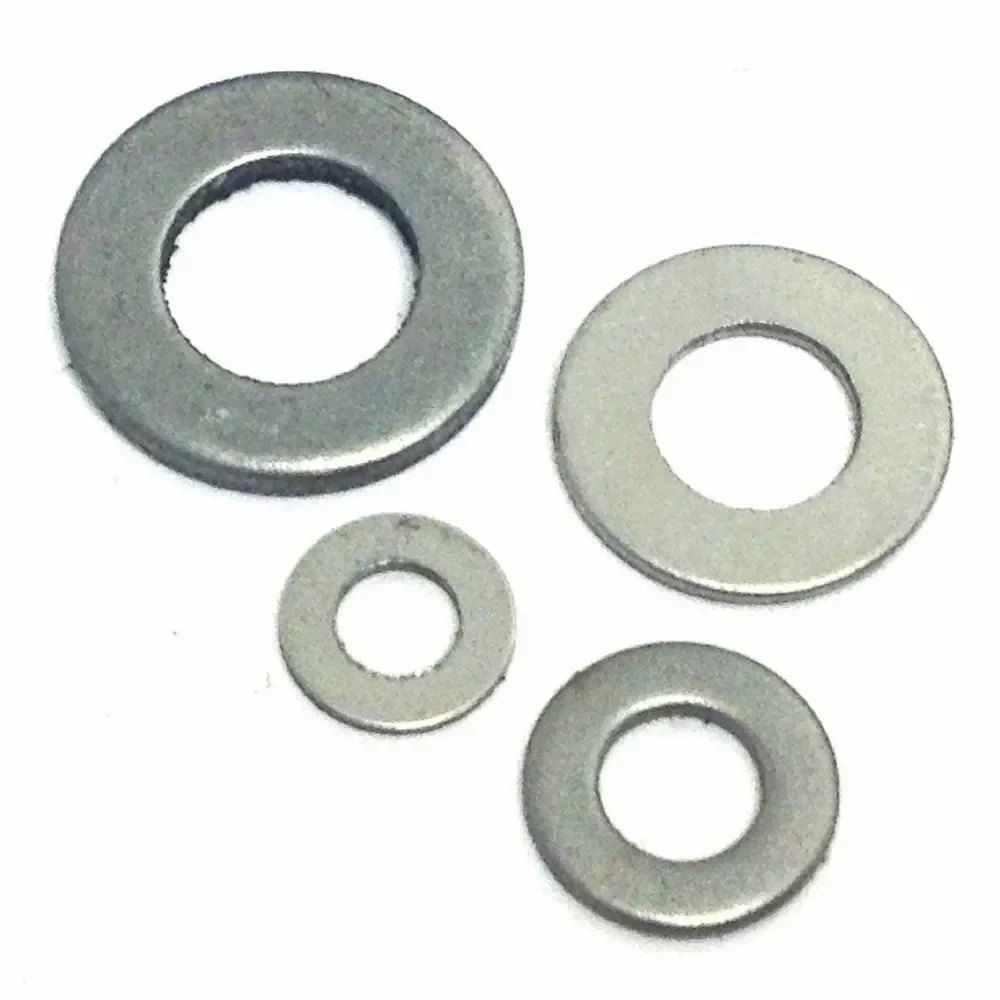
Hastelloy B2 gasket is a nickel-molybdenum alloy that is highly appreciated for its qualities. It has very good sealing characteristics in corrosive conditions, making it suitable for use in demanding conditions. It maintains leak-tight in such conditions, particularly in severe industrial processes.
Exceptional Corrosion ResistanceHastelloy B2 Gaskets set themselves apart with superb protection against aggressive chemical environments. They remain stable and non-reactive in reducing atmospheres and endure exposure to acetic, phosphoric, and hydrochloric acids. This capability ensures long-term operation and reliability for critical equipment in chemical processing, petrochemical, and refinery environments.
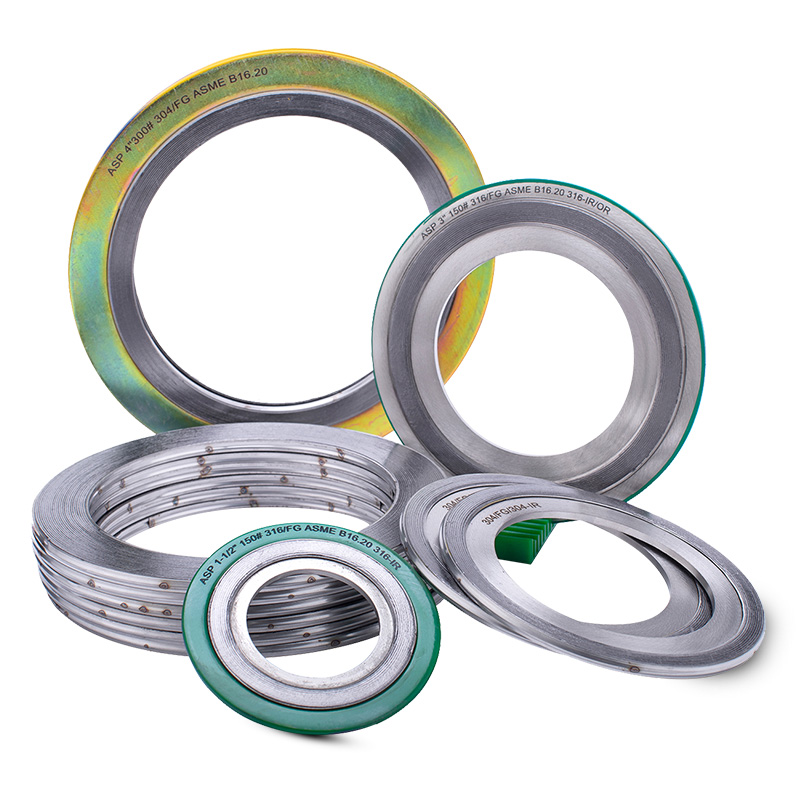
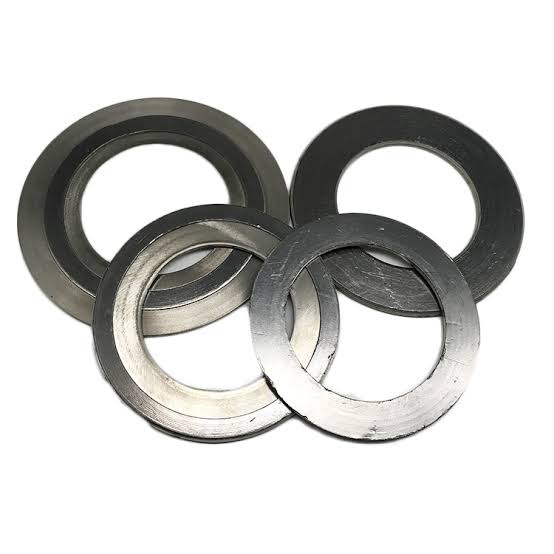
Flexible Customization and ComplianceThese gaskets are tailored precisely to client needs, including inner and outer diameters, ring materials, filler types, and thickness (2.5 mm, 3.2 mm, or custom). Their manufacture adheres strictly to ASME B16.20 standards or customer-specific tolerances, guaranteeing compatibility with existing systems and regulatory compliance.
FAQ's of Hastelloy B2 Gaskets:
Q: How are Hastelloy B2 Gaskets installed in industrial systems?
A: Installation of Hastelloy B2 Gaskets follows standard flange assembly practices for spiral wound or smooth gaskets. Ensure flange surfaces are clean and aligned, select the correct gasket thickness and configuration, and torque bolts in a cross pattern to the manufacturer's recommended values for optimal sealing.
Q: What types of industries benefit most from using Hastelloy B2 Gaskets?
A: Industries such as petrochemical, chemical processing, and refineries benefit the most from these gaskets, especially where high corrosion and severe chemical exposure are concerns. Their excellent resistance to reducing acids makes them suitable for harsh operational environments.
Q: When should I choose graphite, PTFE, or custom filler materials for these gaskets?
A: The choice of filler depends on operating conditions: graphite is preferred for high-temperature and chemical resistance; PTFE is used for applications demanding superior inertness and non-reactivity. Custom fillers can be specified based on unique process requirements or compatibility.
Q: Where can I request custom sizes or shapes for Hastelloy B2 Gaskets?
A: Custom sizes or shapes can be requested directly from the gasket manufacturer, supplier, or authorized trader. Provide detailed specifications such as inner and outer diameters, thickness, shape, and application requirements to ensure accurate production.
Q: What is the manufacturing process for Hastelloy B2 Gaskets?
A: These gaskets are typically manufactured using a spiral winding or smooth finishing process, with precise cutting of Hastelloy B2 alloy rings and integration of the selected filler material. All manufacturing is carried out according to ASME B16.20 standards and any additional customer specifications.
Q: How does the ASME B16.20 standard impact the quality of these gaskets?
A: ASME B16.20 specifies dimensional tolerances, material compliance, and gasket strength to ensure reliable performance under designated pressure and temperature conditions. Compliance with this standard guarantees that the gaskets meet industry benchmarks for safety and durability.
Q: What are the primary benefits of choosing Hastelloy B2 Gaskets over alternative materials?
A: Hastelloy B2 offers exceptional resistance to reducing acids, operational flexibility across wide temperature and pressure ranges, and compatibility with various fillers and ring materials. These advantages contribute to enhanced service life, reduced maintenance, and reliable sealing in critical applications.






 Send Inquiry


 Send Inquiry
 Send Inquiry
 Send SMS


