Hastelloy B2 Nuts About
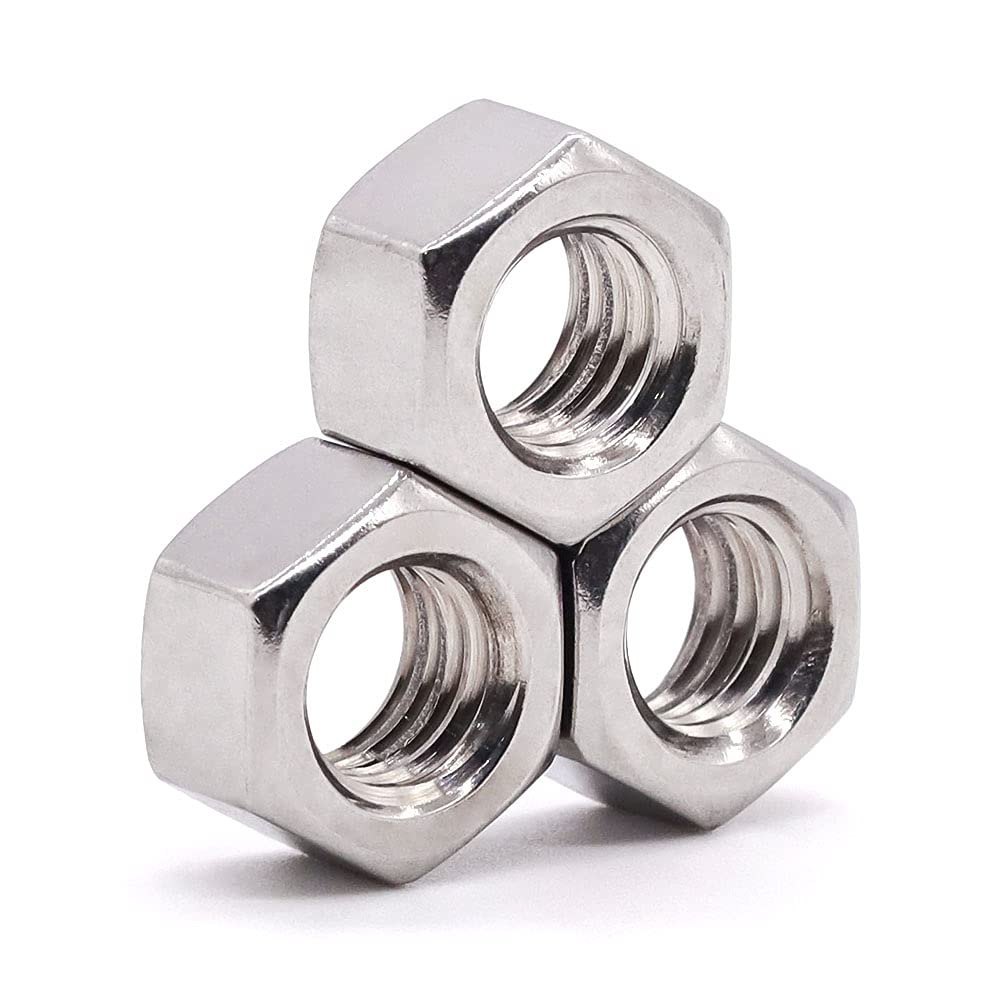
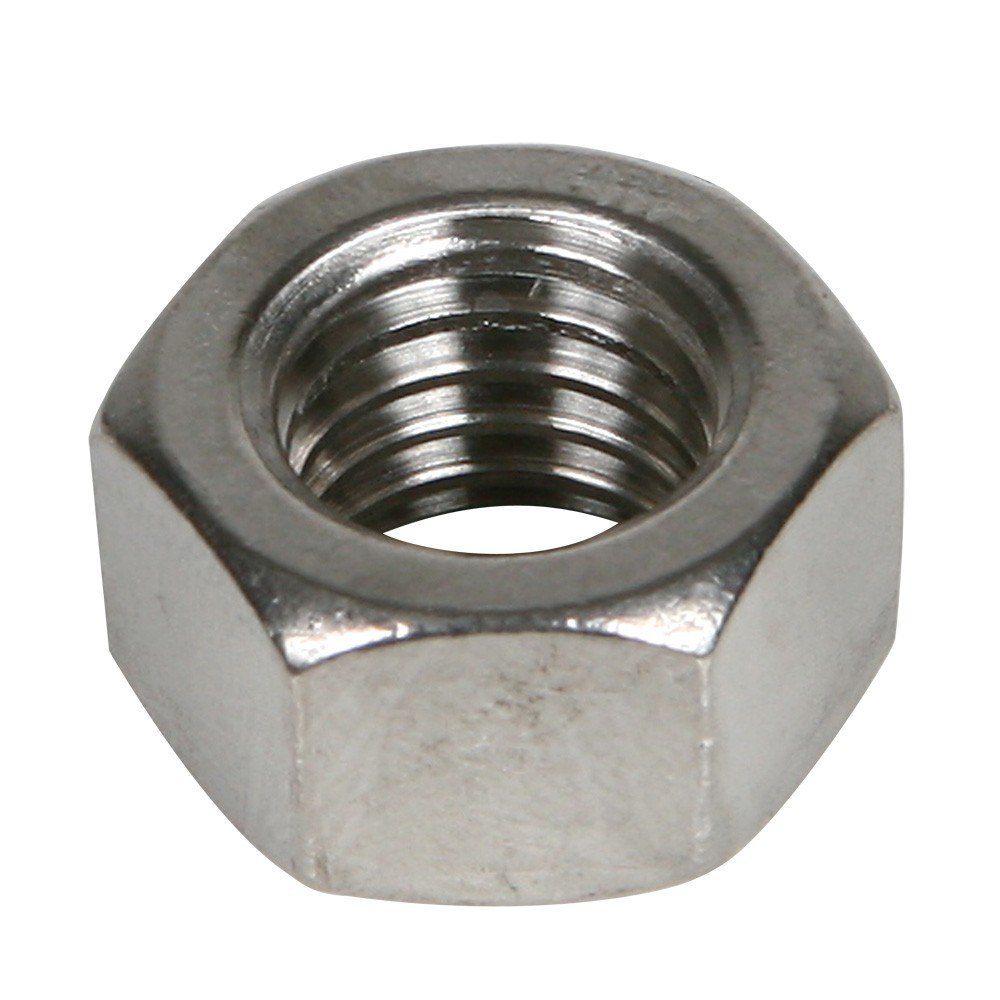
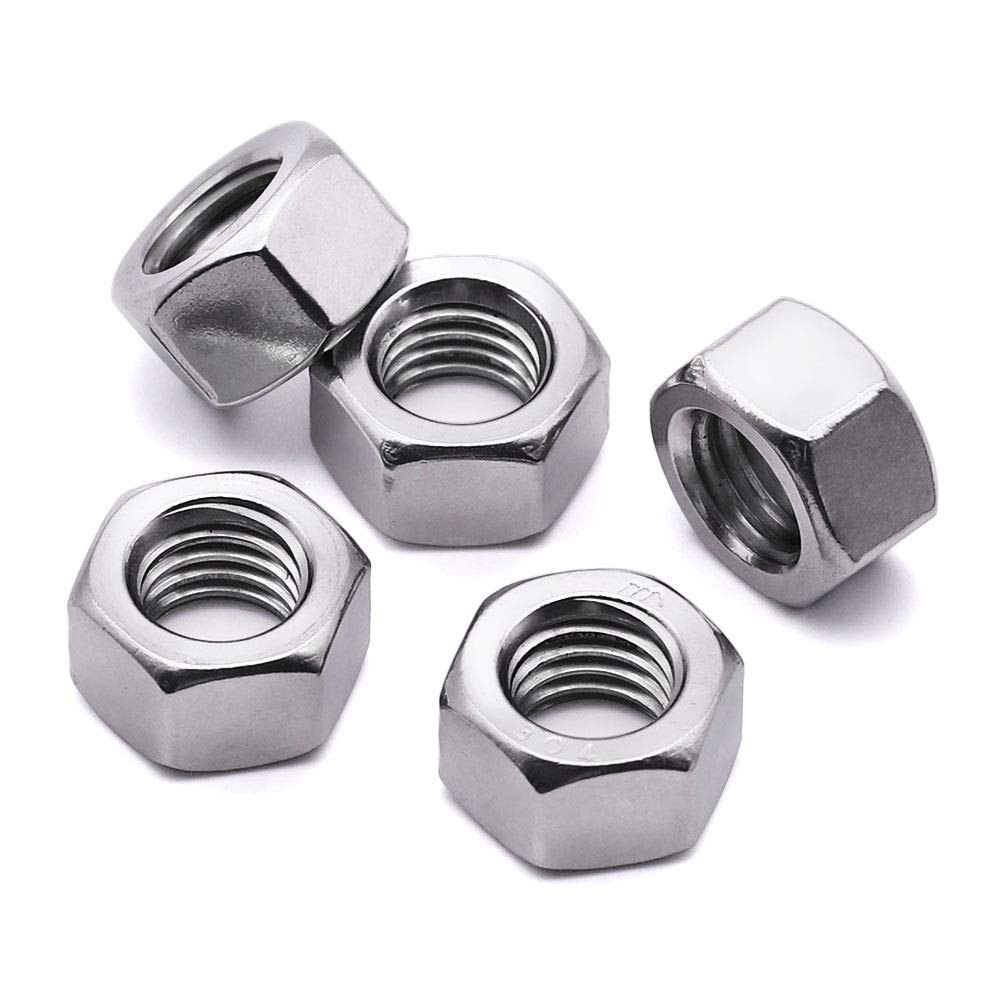
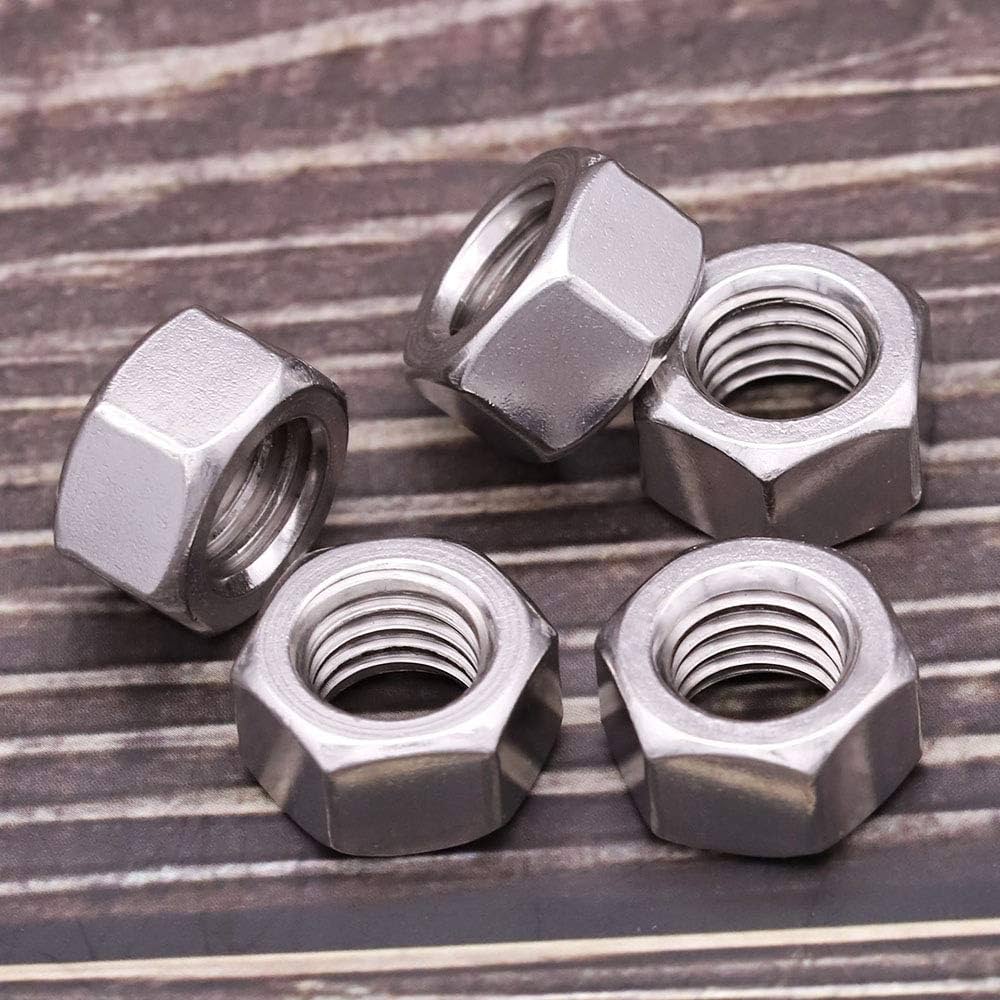
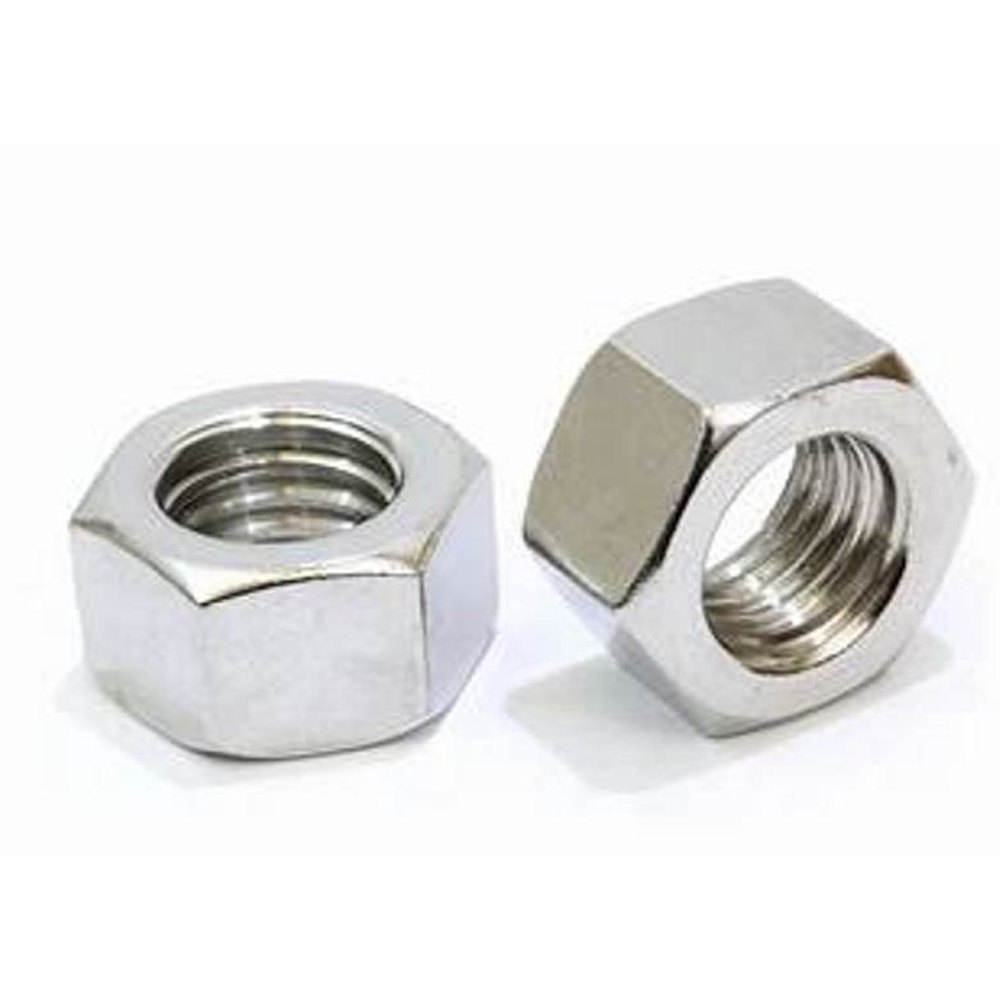
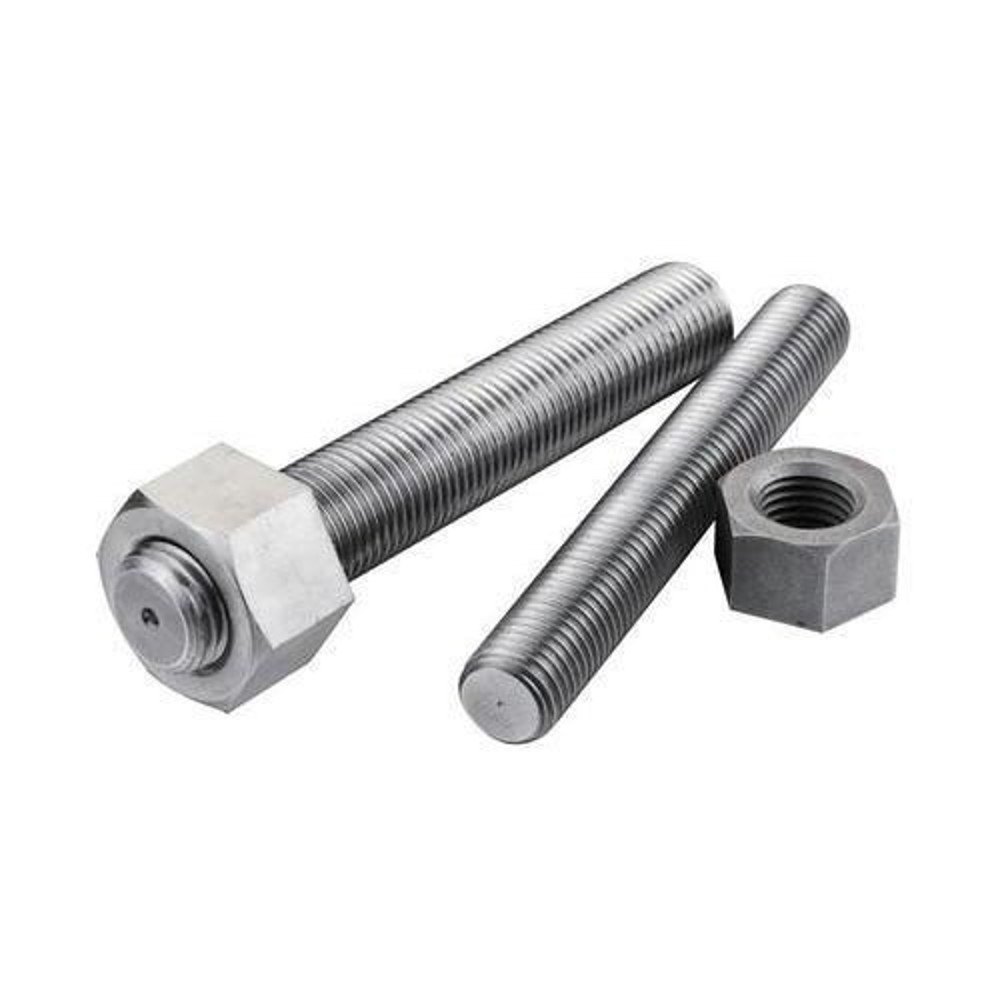
Hastelloy B2 Nuts are a
fastener used in high-temperature and pressure applications due to their intense chemical composition. Hastelloy B2 is composed mainly of nickel, molybdenum, and chromium, with trace amounts of other elements such as iron, cobalt, carbon, silicon, and manganese. This specific alloy provides superior resistance to pitting and crevice corrosion compared to other alloys and can also handle reducing agents like ferric chloride. The combination of its chemical makeup makes it an extremely durable nut that can endure extreme temperatures up to 1,400 degrees Fahrenheit. As a result, engineers often opt for Hastelloy Nuts B2 when creating machinery in hostile environments.
Outstanding Corrosion ResistanceHastelloy B2 Nuts are engineered for exceptional resilience against aggressive reducing acids, particularly hydrochloric acid. This makes them ideal for industries where chemical stability and longevity are critical. Their non-magnetic nature in annealed condition further enhances performance in sensitive environments.
Precision and CustomizationAvailable in a broad spectrum of sizes from M3 to M56, as well as custom sizes, Hastelloy B2 Nuts accommodate diverse installation requirements. Multiple threading options-including Metric, UNC, UNF, and BSW-mean versatility across different international standards and applications.
Built for Extreme EnvironmentsWith a working temperature range up to 850C and a minimum tensile strength of 695 MPa, these nuts preserve structural integrity and resist deformation in high-temperature and high-stress settings. Their bright or polished surface finish reinforces both durability and corrosion resistance.
FAQ's of Hastelloy B2 Nuts:
Q: How are Hastelloy B2 Nuts typically used in the industry?
A: Hastelloy B2 Nuts are most commonly utilized in the chemical process industry, petrochemical facilities, pollution control systems, and marine engineering. They secure components exposed to harsh chemicals, corrosive environments, and high temperatures, ensuring safety and durability.
Q: What benefits do Hastelloy B2 Nuts offer over standard stainless steel nuts?
A: Compared to standard stainless steel nuts, Hastelloy B2 Nuts provide superior corrosion resistance to reducing acids, especially hydrochloric acid, retain high tensile strength even at temperatures up to 850C, and are non-magnetic in their annealed state, making them ideal for specialized industrial applications.
Q: When should I choose metric versus UNC, UNF, or BSW threads in Hastelloy B2 Nuts?
A: The choice between metric and inch (UNC, UNF, BSW) thread types depends on the standards of your assembly components and the region of operation. Metric threads are common internationally, while UNC, UNF, and BSW are prevalent in North American and British systems. Always match thread type to existing bolts and equipment.
Q: What is the manufacturing process for Hastelloy B2 Nuts?
A: These nuts are manufactured by precision machining or hot/cold forging of Hastelloy B2 alloy bars or rods (UNS N10665). Post-forming, they undergo annealing to enhance corrosion resistance and are finished by polishing or bright treatment to achieve the desired surface quality.
Q: Where are Hastelloy B2 Nuts typically installed?
A: They are commonly installed in environments facing exposure to aggressive chemicals or high temperatures, such as chemical reactors, petrochemical pipelines, pollution control systems, and marine installations. Their superior durability suits mission-critical applications that demand reliability.
Q: How does the alloy composition and low impurity content benefit usage?
A: Hastelloy B2's controlled composition and low impurity levels (<0.5%) ensure improved resistance to intergranular attack and minimize the risk of contamination, offering prolonged life and enhanced safety in sensitive applications.
Q: What advantages does the bright/polished surface finish provide?
A: A bright or polished surface finish not only improves the nuts' resistance to corrosion and fouling but also facilitates easier inspection and maintenance by providing a smoother, more visually appealing surface.





 Send Inquiry


 Send Inquiry
 Send Inquiry
 Send SMS
 Call Me Free


