Hastelloy B2 Plates About
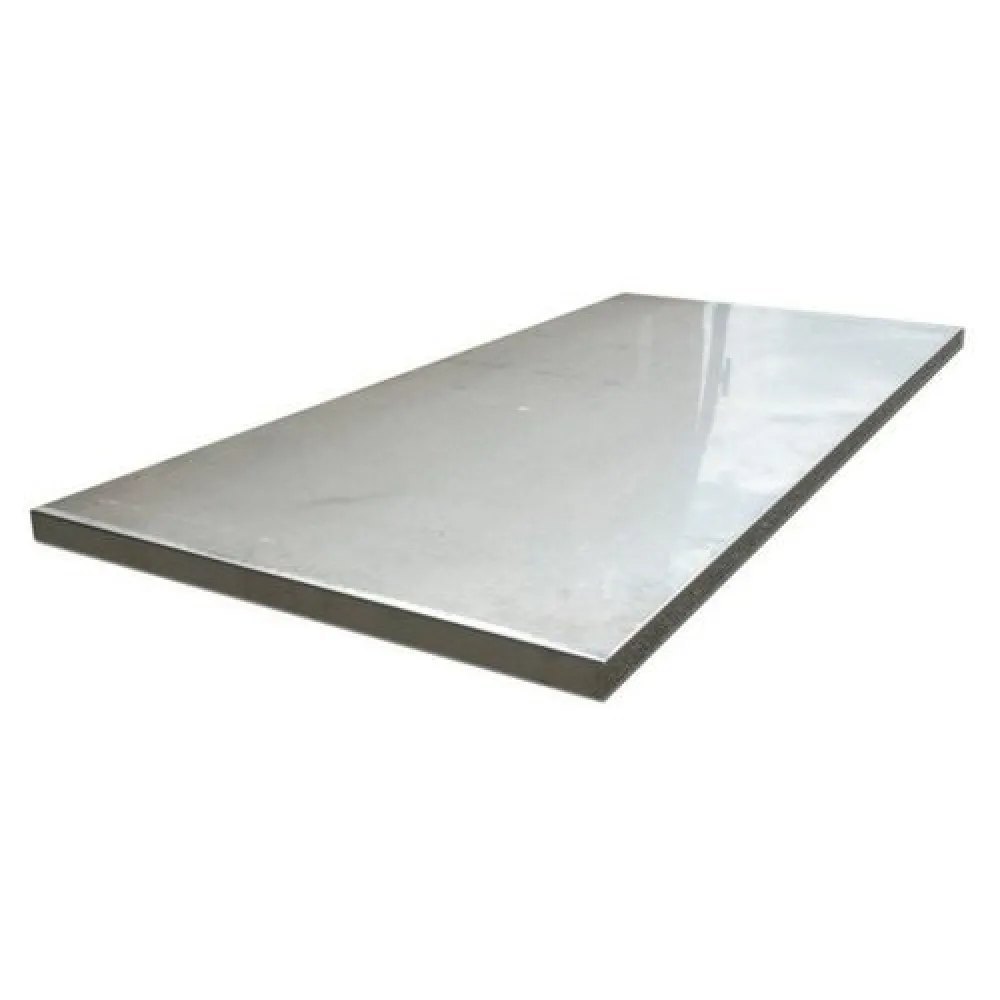
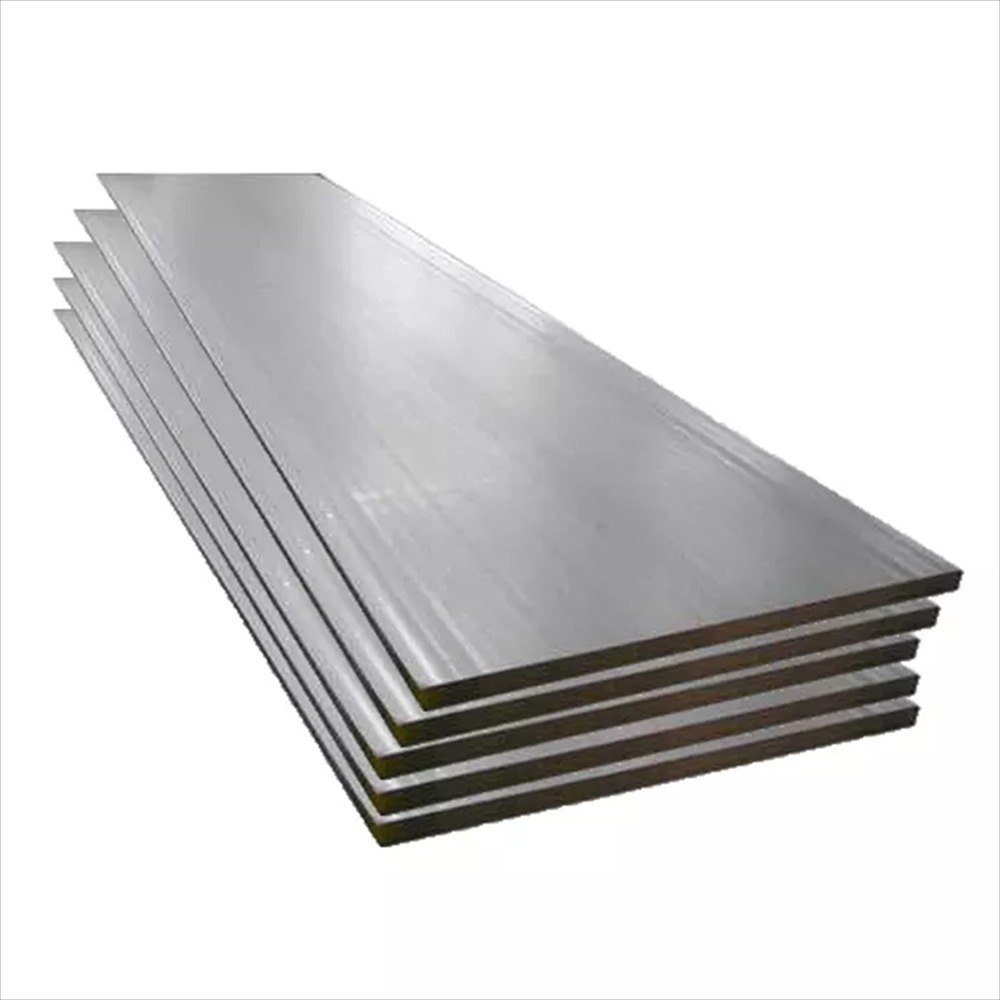
Hastelloy B2 plates are made of nickel-molybdenum alloy that is extremely resistant to hydrochloric acid in various concentrations and at various temperatures. The Hastelloy B2 plates provide viability where excellence in corrosion resistance is mandatory for long-term duration and reliable functioning.
Superior Corrosion ResistanceHastelloy B2 Plates are engineered for outstanding resistance to reducing acids, particularly hydrochloric acid, making them the preferred choice for highly corrosive industrial environments. Their unique alloy composition minimizes corrosion, ensuring reliability and longevity even under harsh chemical exposure.
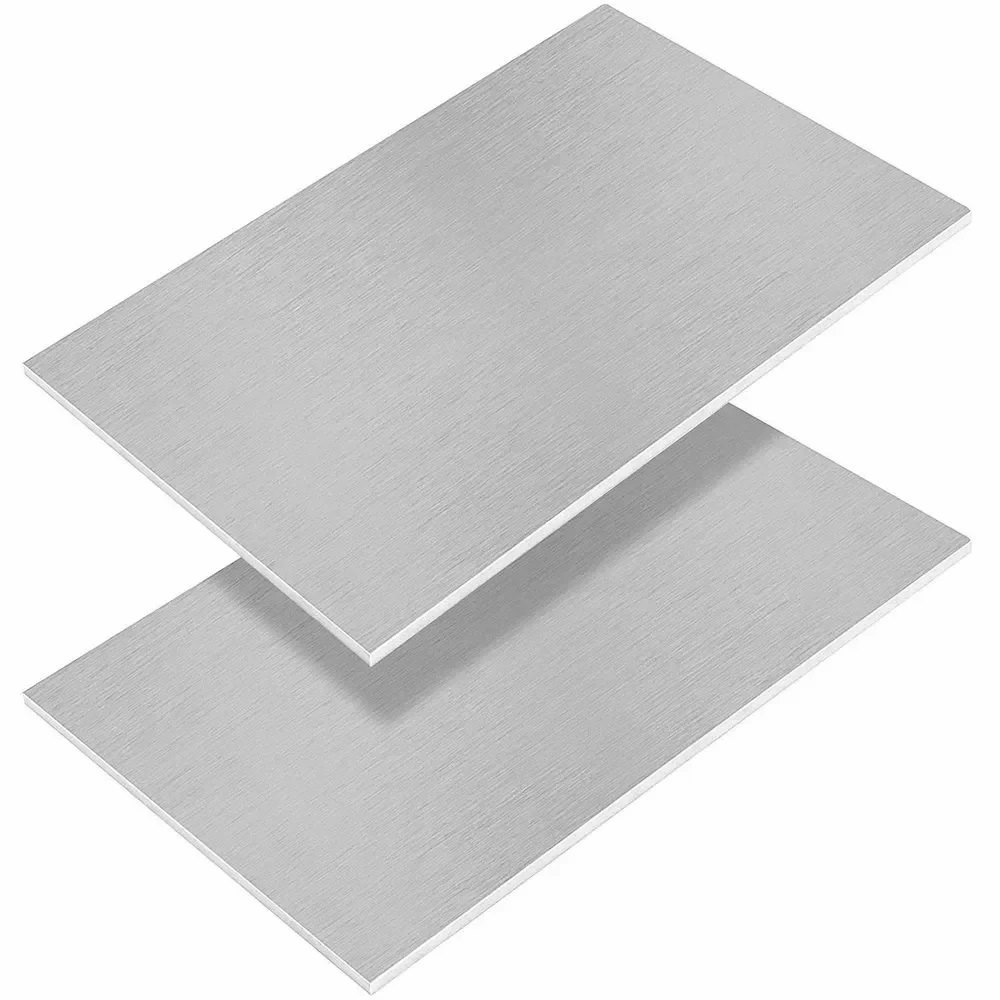
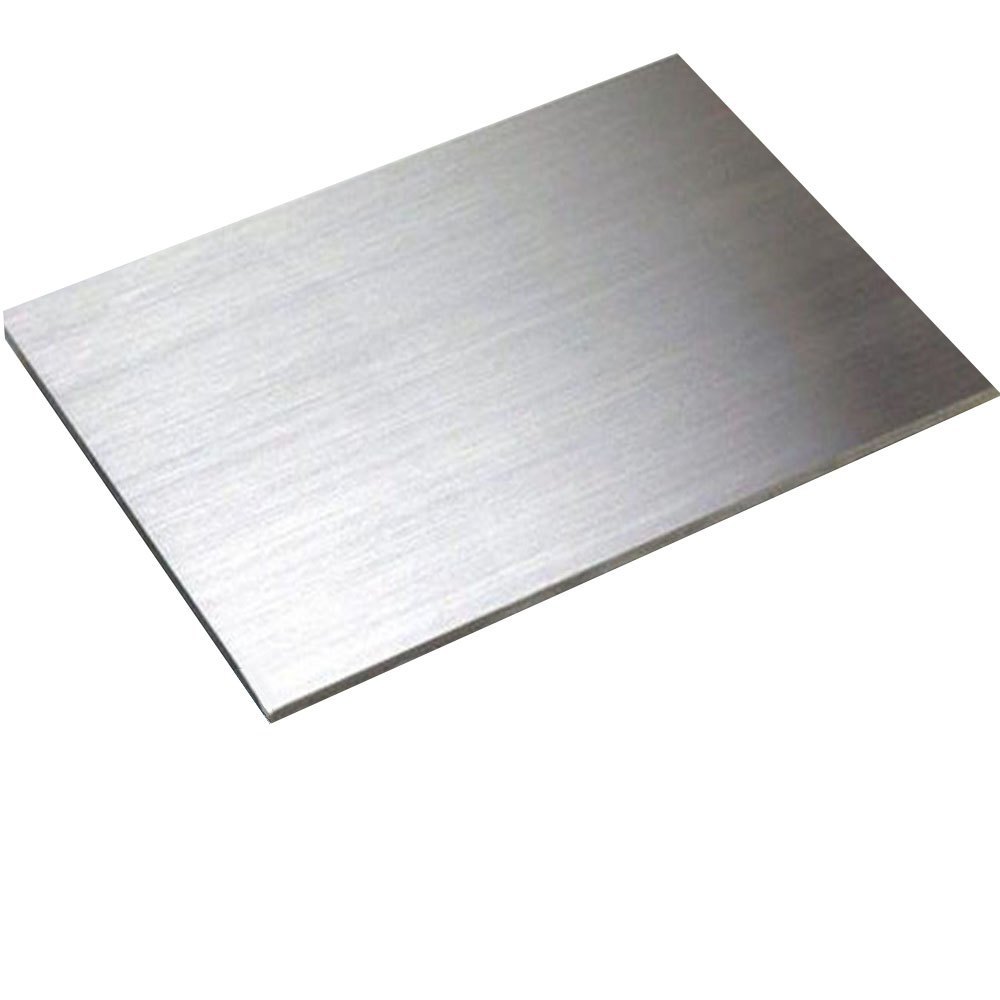
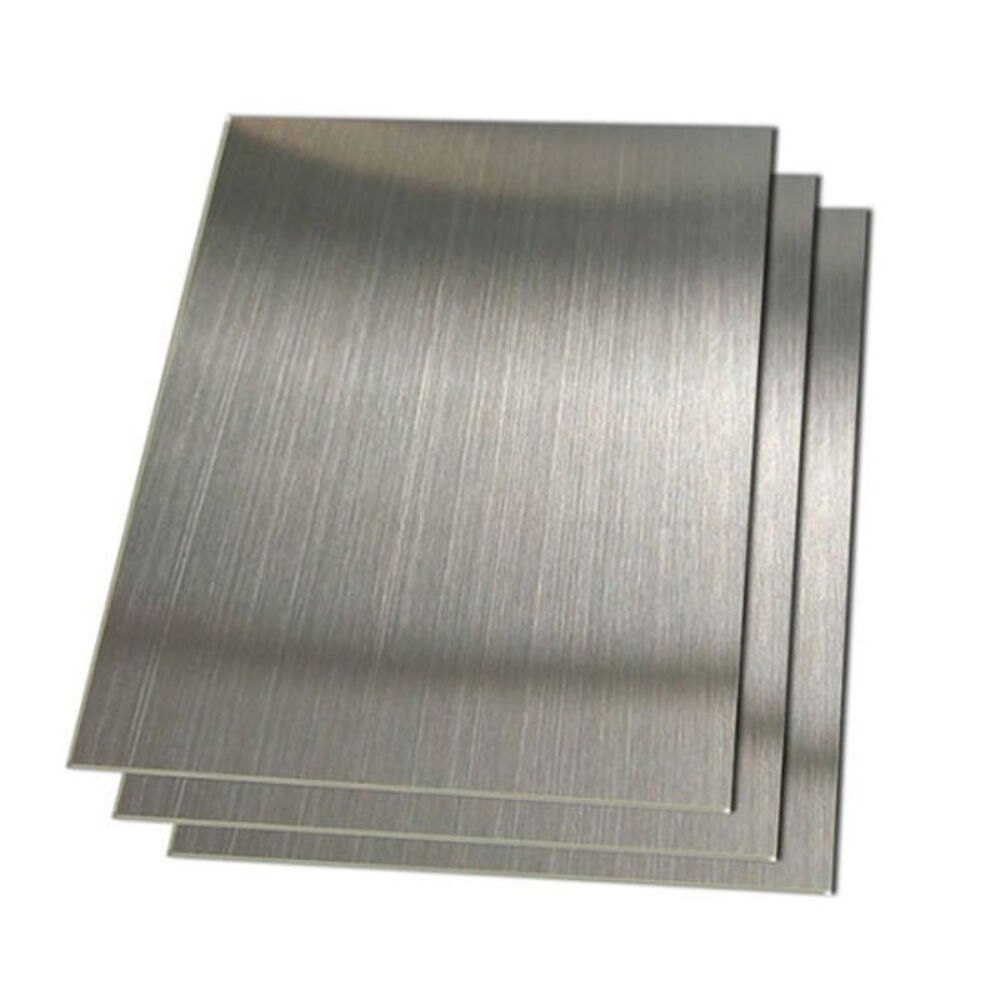
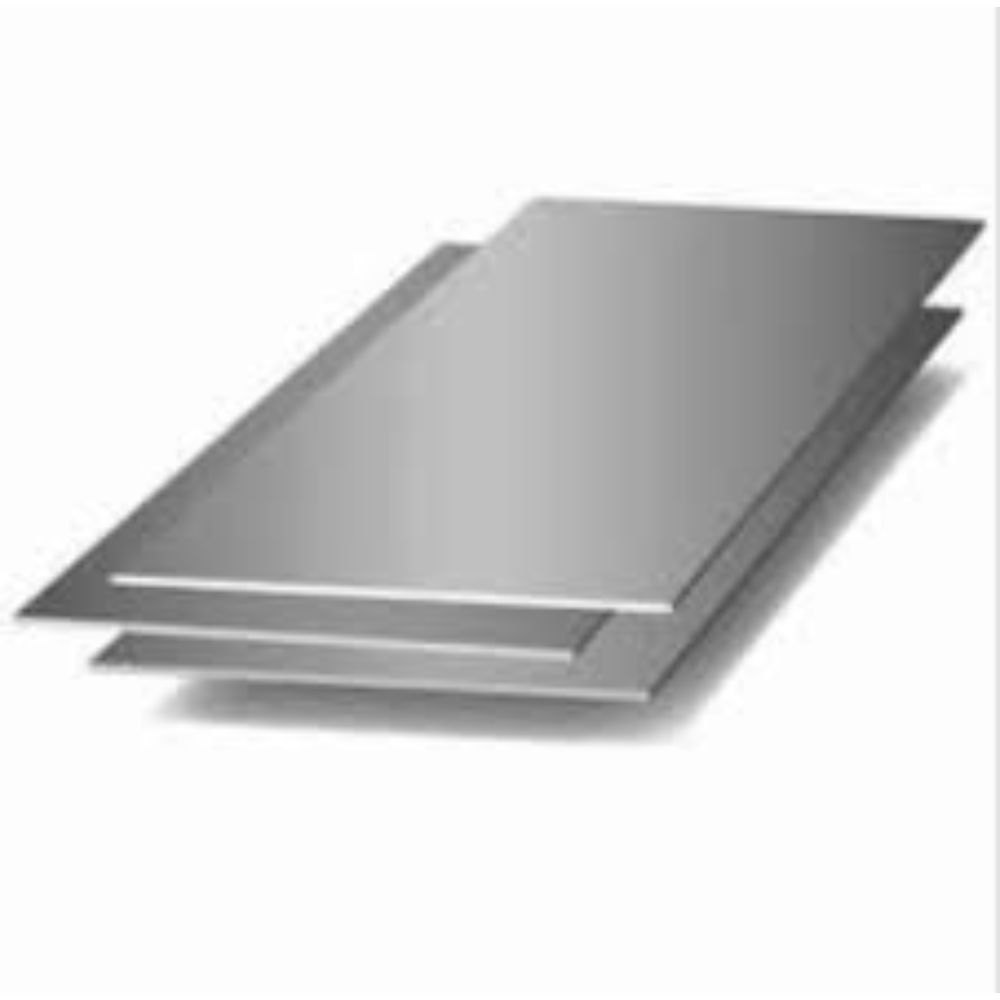
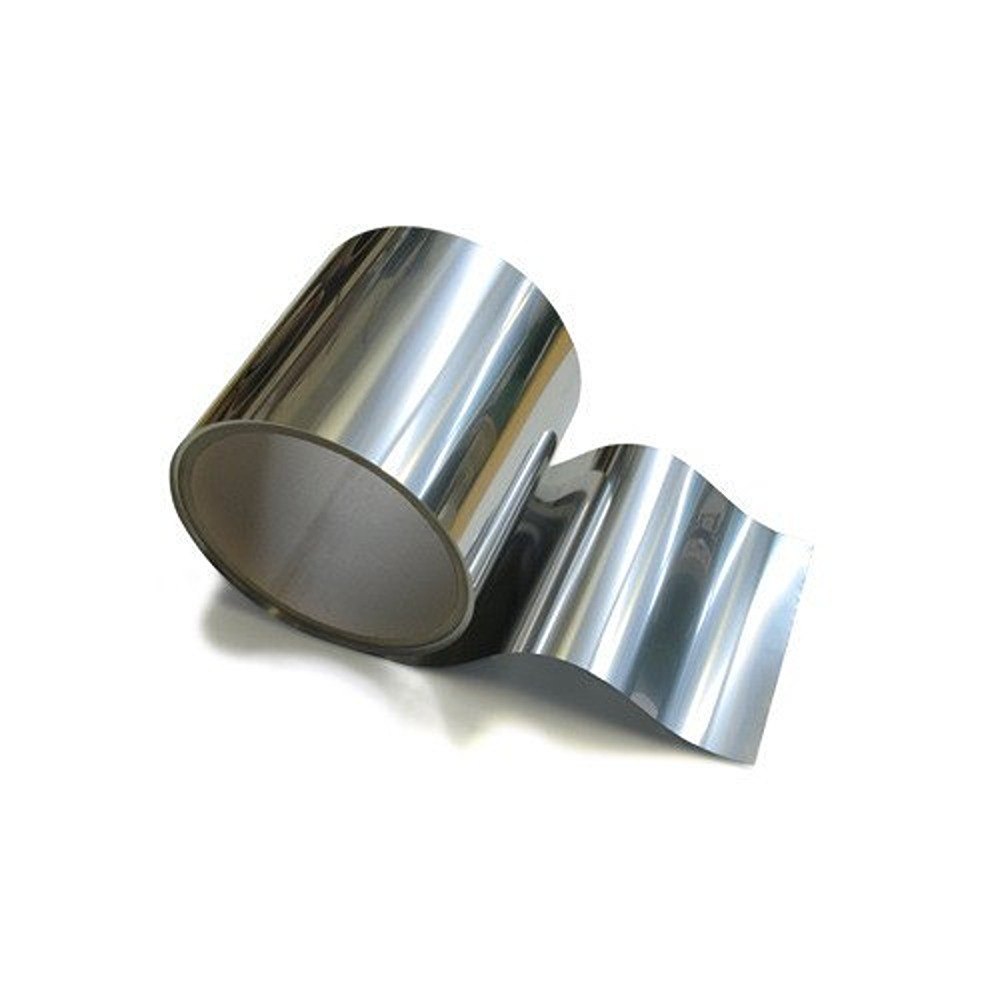
Versatile Manufacturing and CustomizationMeeting both ASTM B333 and ASME SB333 standards, Hastelloy B2 Plates can be manufactured in customizable dimensions ranging from 0.3 mm to 50 mm in thickness, with widths up to 2500 mm and lengths up to 6000 mm. The available surface finishes-hot rolled, cold rolled, and polished-cater to various application needs, enhancing versatility.
Prime Mechanical PropertiesThese plates exhibit excellent mechanical characteristics, with a minimum tensile strength of 690 MPa, yield strength of 310 MPa, and elongation of at least 30%. The typical hardness falls within 90-150 HB. This robust profile ensures resilience and performance in demanding operational settings.
FAQ's of Hastelloy B2 Plates:
Q: How are Hastelloy B2 Plates commonly used in industrial applications?
A: Hastelloy B2 Plates are commonly used in chemical processing, petrochemical industries, power generation, and marine applications due to their exceptional resistance to reducing acids like hydrochloric acid and robust mechanical properties.
Q: What benefits do Hastelloy B2 Plates offer compared to other alloys?
A: These plates offer superior corrosion resistance, especially against reducing environments, high tensile and yield strength, excellent durability, and versatility in terms of customizable size and finish, making them suitable for demanding applications.
Q: When should I choose Hastelloy B2 Plates over other grades?
A: You should select Hastelloy B2 Plates for applications involving strong reducing acids, especially hydrochloric acid, or where high mechanical strength and resistance to localized corrosion are required.
Q: Where are Hastelloy B2 Plates typically installed?
A: They are typically installed in equipment or structures within chemical plants, petrochemical facilities, power generation units, and marine environments where high resistance to corrosion and strong mechanical properties are essential.
Q: What is the manufacturing process for Hastelloy B2 Plates?
A: Hastelloy B2 Plates are manufactured using hot rolling, cold rolling, or polishing processes to achieve the desired surface finish and dimensional accuracy. They conform to ASTM B333 and ASME SB333 standards for quality and consistency.
Q: How customizable are the dimensions of Hastelloy B2 Plates?
A: The plates can be customized in terms of thickness, width, and length, typically ranging from 0.3 mm to 50 mm in thickness, up to 2500 mm in width, and up to 6000 mm in length, accommodating various project requirements.





 Send Inquiry


 Send Inquiry
 Send Inquiry
 Send SMS
 Call Me Free


