Hastelloy B2 Valves About
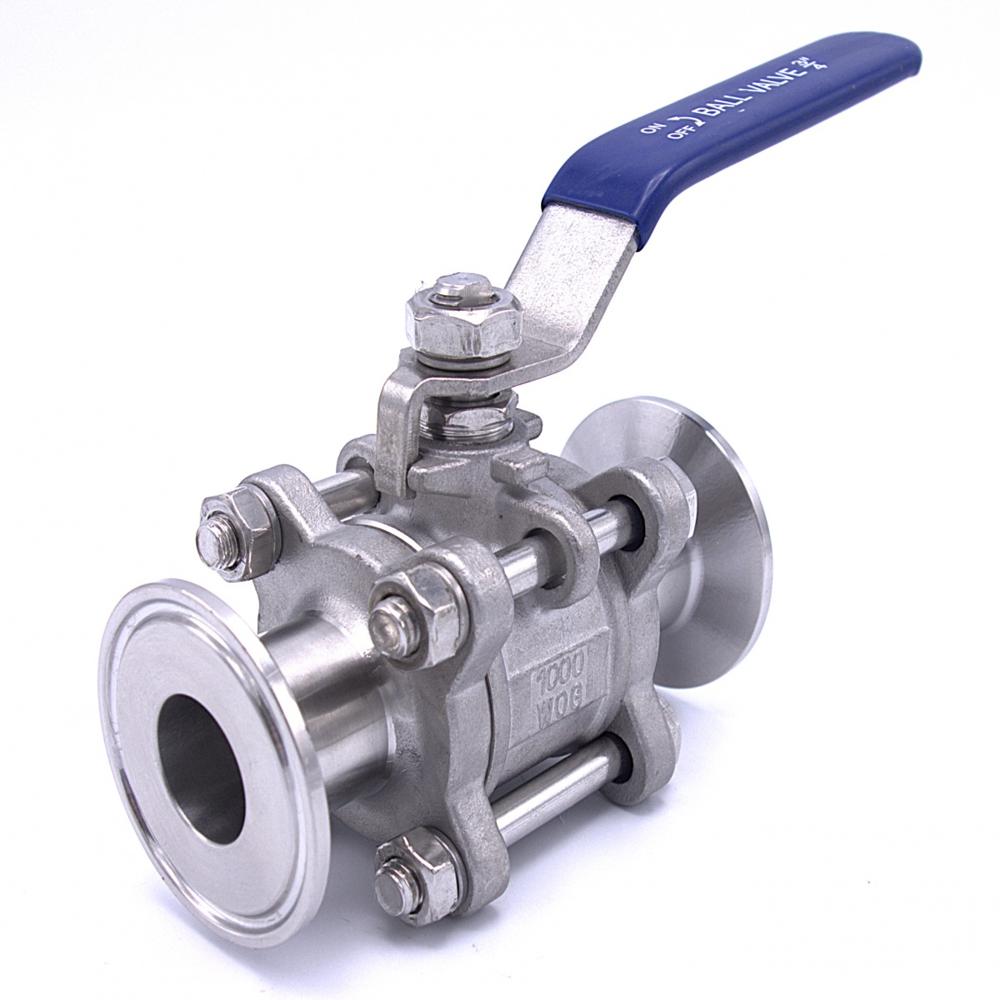
Hastelloy B2 valves are specialty valves made out of a nickel-molybdenum alloy that is especially suited as a material of construction for uses in hydrochloric acid and other reducing acids. These valves are utilized where the resistance to chemical attack and stress corrosion cracking are very important.
Robust Construction for Corrosive EnvironmentsConstructed from Hastelloy B2 alloy, these valves offer exceptional resistance to a wide variety of aggressive and reducing chemicals. Their design ensures reliable performance in demanding conditions found in chemical processing, pharmaceuticals, and oil & gas applications. The low-impurity formulation enhances durability, making them a trustworthy choice for critical operations where safety and longevity are paramount.
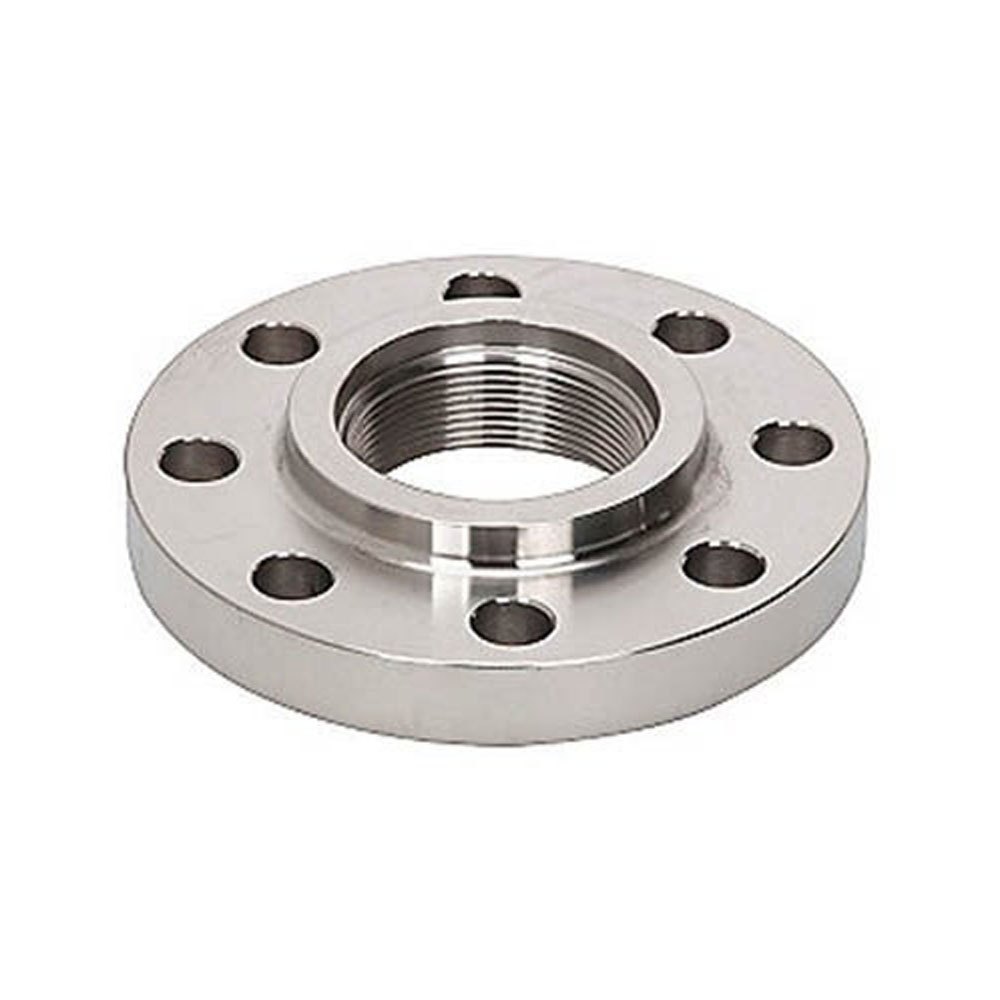
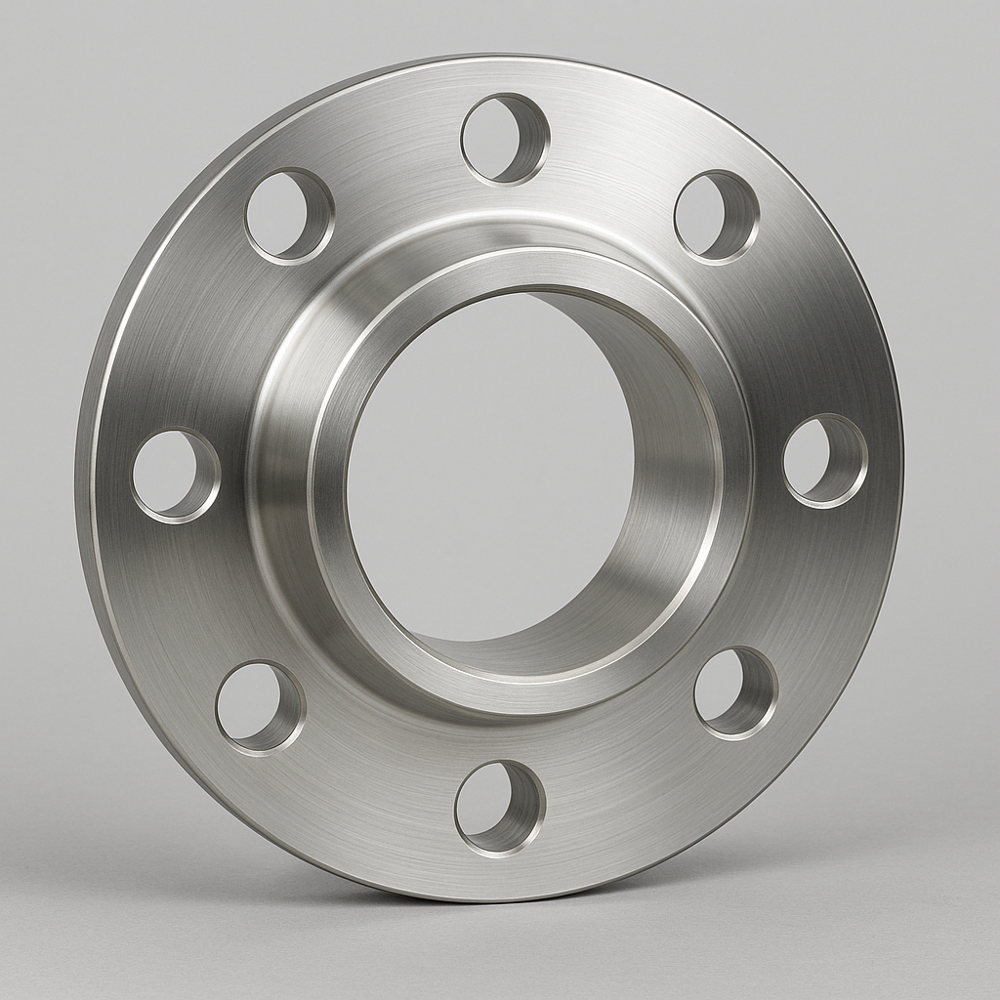
Versatile Range of Connectivity and Valve TypesOur Hastelloy B2 Valves come in multiple end connection options-threaded, flanged, and socket welded-to suit diverse piping systems. Available in ball, gate, globe, or check valve configurations, they are suitable for a variety of flow control requirements. This flexibility allows seamless integration into both standard and custom piping setups, supporting sizes from 1/2 inch to 4 inches or more as needed.
Superior Sealing and Leak PreventionFeaturing PTFE or graphite sealing elements, these valves achieve Class VI (bubble tight) leakage performance, ensuring the containment of hazardous or sensitive media. The robust sealing mechanism maximizes safety and reliability, especially when managing aggressive chemicals or pressurized systems, thereby minimizing environmental and operational risks.
FAQ's of Hastelloy B2 Valves:
Q: How are Hastelloy B2 Valves suitable for highly corrosive environments?
A: Hastelloy B2 Valves are engineered from a nickel-molybdenum alloy that provides exceptional resistance to reducing chemicals such as acids and alkalis. Their construction and low impurity content make them ideal for applications requiring extreme corrosion resistance, ensuring longevity in aggressive media.
Q: What industries commonly use Hastelloy B2 Valves and why?
A: These valves are widely used in chemical processing, pharmaceuticals, oil & gas, and other industries where handling corrosive substances is necessary. Their excellent durability and resistance to a variety of harsh chemicals make them a preferred choice in environments demanding strict safety and reliability standards.
Q: When should PTFE or graphite seals be selected for Hastelloy B2 Valves?
A: PTFE seals are generally chosen for their broad chemical compatibility and lower temperature applications, while graphite seals are preferential when higher temperature resilience is required, up to the upper operational limit of 400C. The choice depends on the specific process conditions and media handled.
Q: Where can custom sizes or end connections for these valves be requested?
A: Customized dimensions and end connection types are available directly from manufacturers, exporters, and suppliers who specialize in Hastelloy B2 Valves. They can be tailored to meet unique project requirements or existing piping systems upon request.
Q: What is the operational pressure and temperature range of these valves?
A: Hastelloy B2 Valves are designed to operate at pressures up to 3000 PSI (depending on valve size) and temperatures ranging from -29C to 400C, making them versatile for various demanding industrial applications.
Q: How does the design ensure leakage prevention and operational safety?
A: These valves use PTFE or graphite sealing and are tested to Leakage Class VI (bubble tight), which means they prevent virtually all fluid or gas leakage. This sealing integrity is crucial for maintaining process safety and preventing environmental contamination.
Q: What are the benefits of the stainless steel epoxy-coated lever handle?
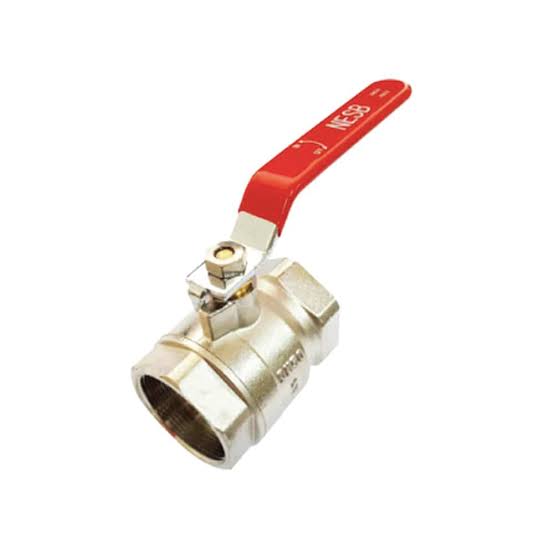
A: The stainless steel handle provides mechanical strength and corrosion resistance, while the epoxy coating adds a layer of chemical protection and enhanced visibility due to its red color. This design ensures ease of operation and increased safety, particularly in aggressive industrial environments.






 Send Inquiry


 Send Inquiry
 Send Inquiry
 Send SMS


