Hastelloy B3 Flanges About
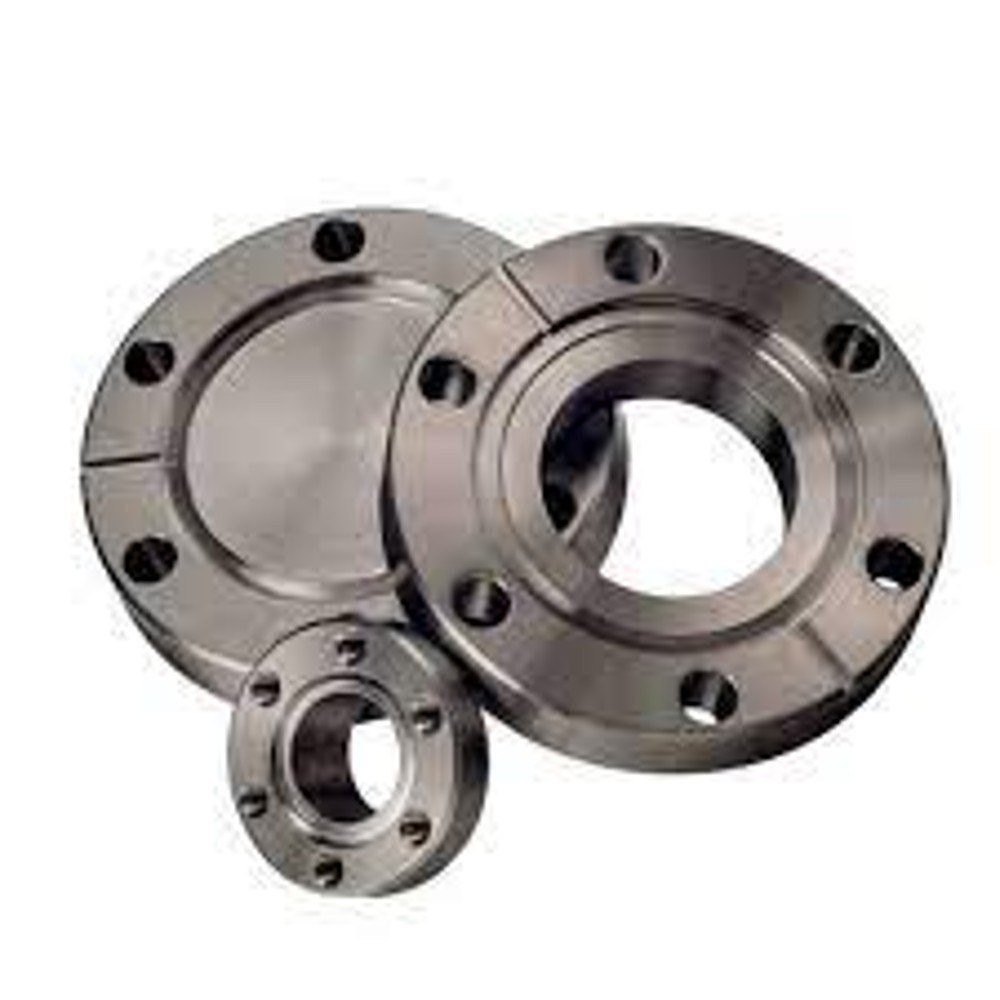
Hastelloy B3 Flanges are advanced nickel-molybdenum alloy components designed for superior resistance to hydrochloric acid and other highly reducing environments. With enhanced thermal stability compared to B2, these flanges provide exceptional resistance to pitting, stress corrosion cracking, and knife-line attack. Ideal for applications in chemical processing, pharmaceuticals, and petrochemical industries, Hastelloy B3 Flanges ensure durability and reliability in aggressive and high-temperature environments.
Precision Engineering for Demanding EnvironmentsHastelloy B3 Flanges are crafted for ultimate performance in aggressive and high-temperature settings. Their superior resistance to various acids and outstanding mechanical properties ensure longevity and reliability for applications where safety and durability are paramount. Metal integrity is maintained through stringent quality standards and advanced surface finishes tailored to your process needs.
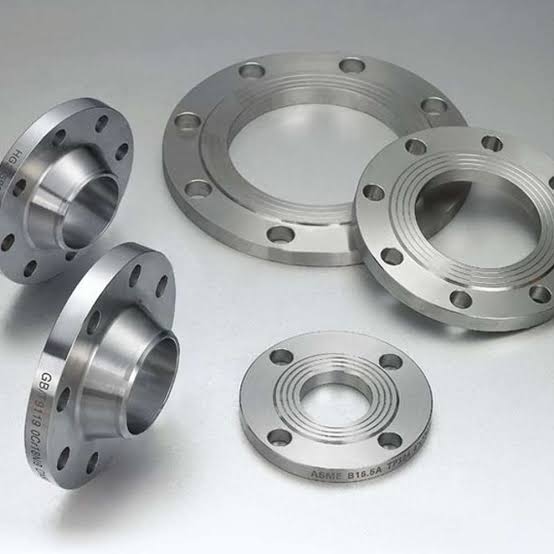
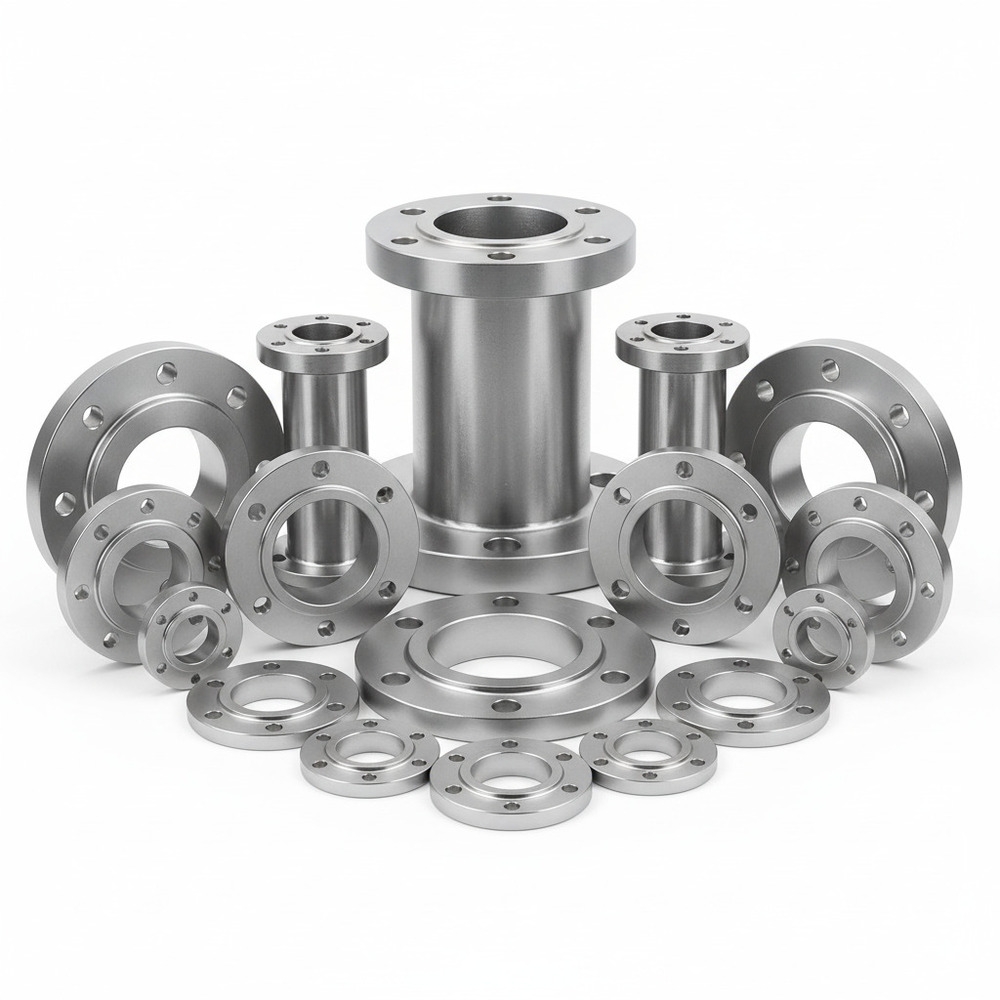
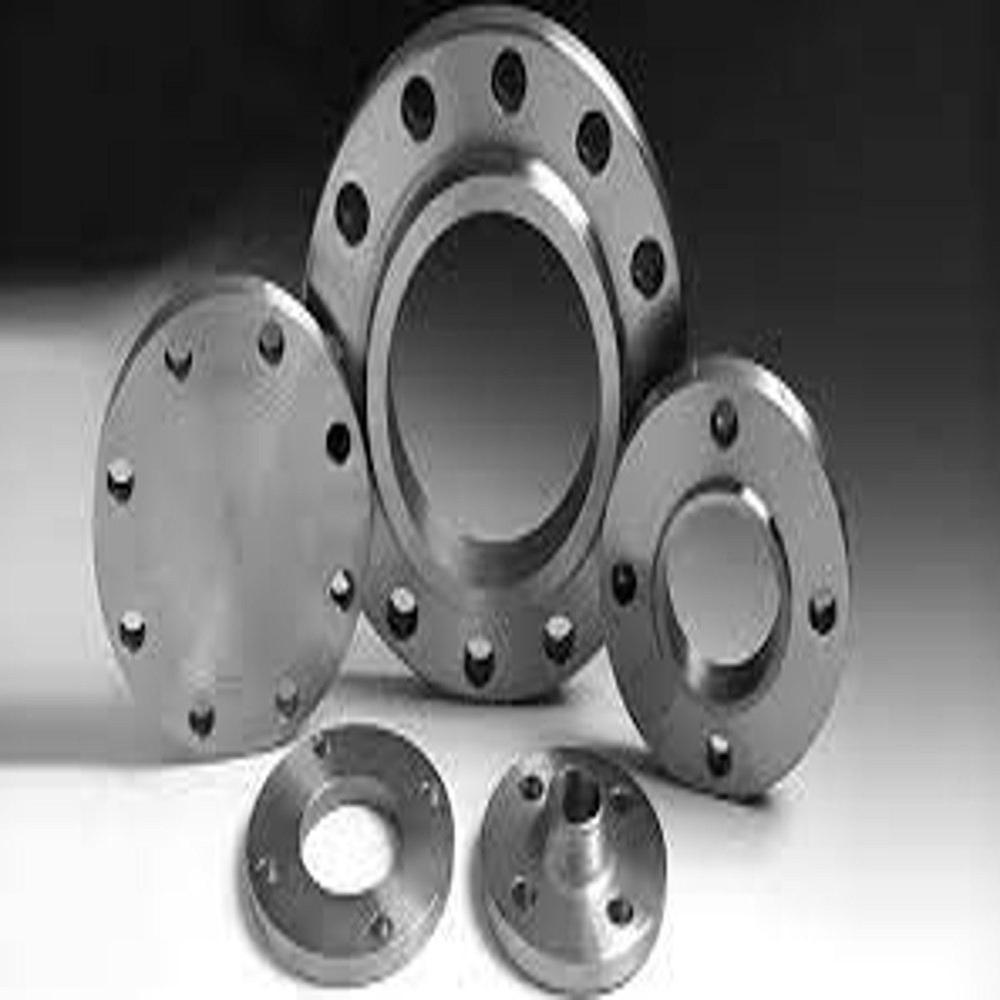
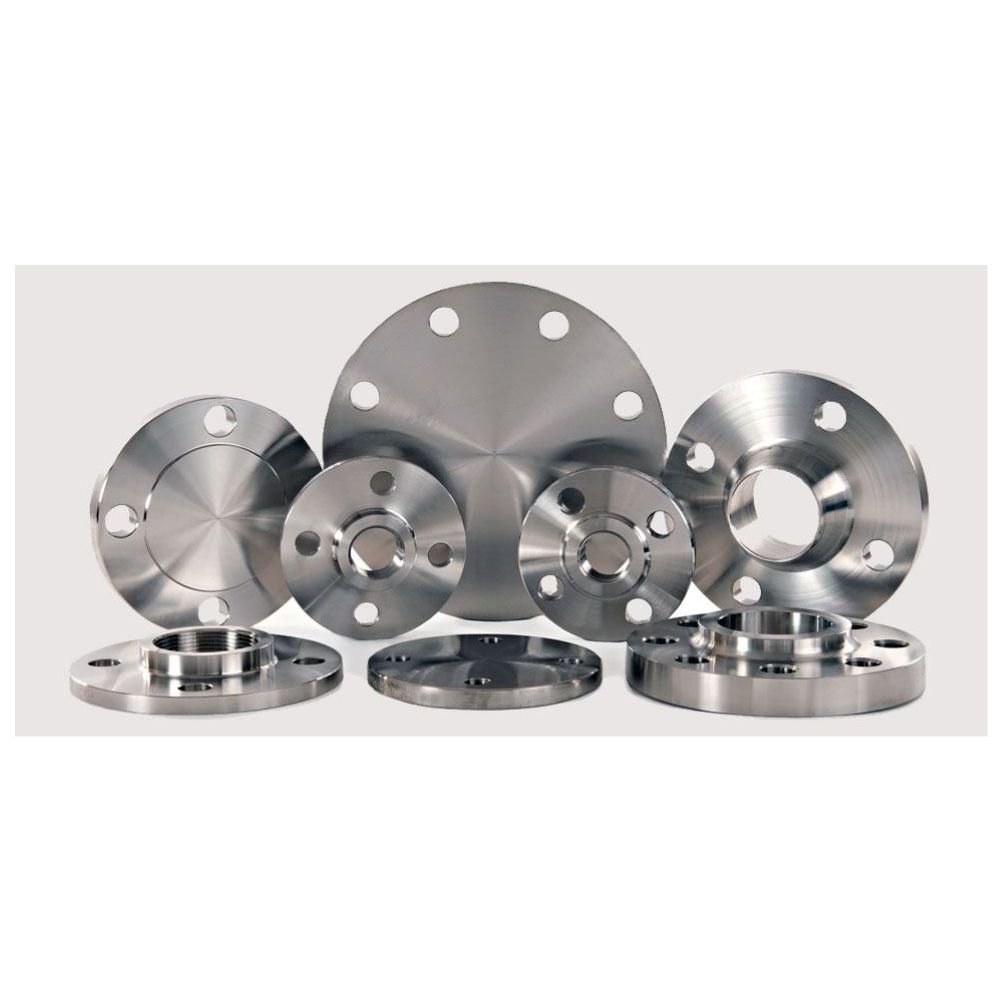
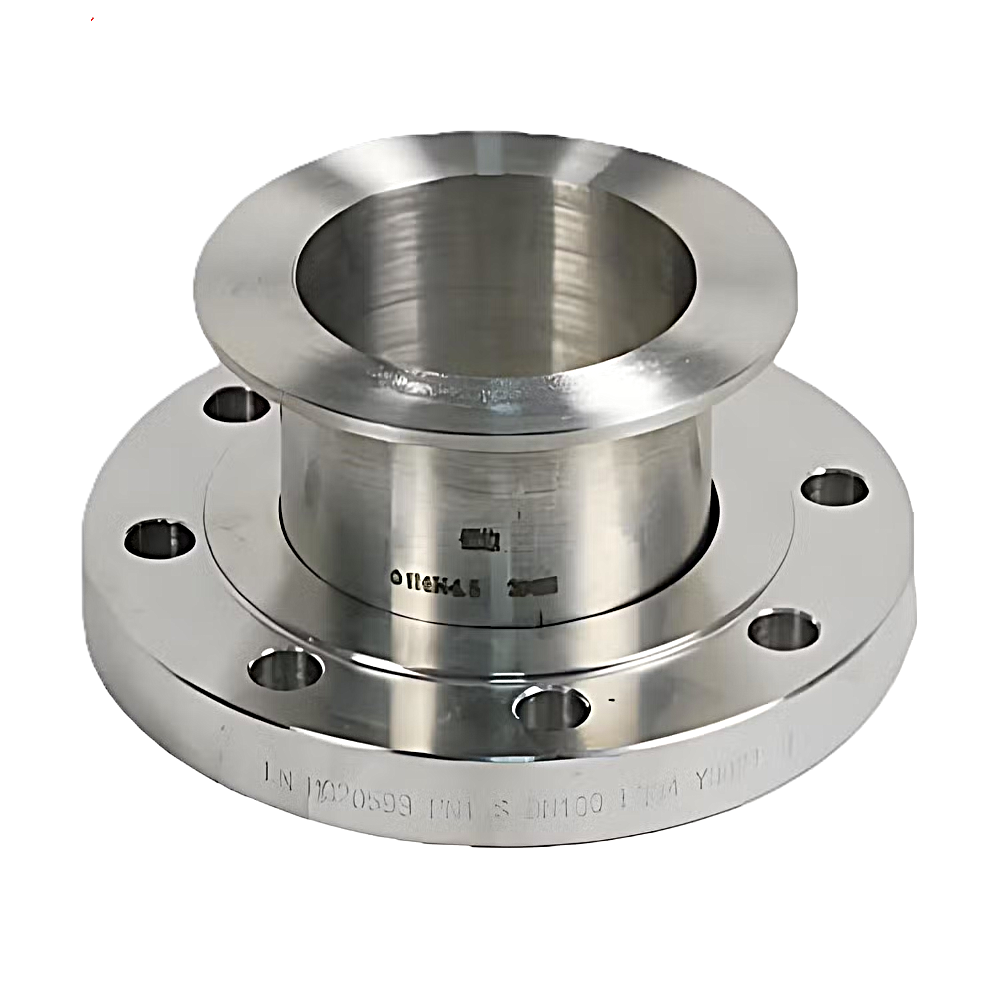
Comprehensive Range for Every ApplicationAvailable in diverse types and connection formats, including raised face, flat face, and ring type joint, these flanges are suitable for pipelines and equipment assemblies across industries. Sizes range from 1/2 NB to 48 NB, and custom dimensions are available to fit unique project requirements, making them a versatile choice for both standard and special operations.
FAQ's of Hastelloy B3 Flanges:
Q: How are Hastelloy B3 Flanges typically used in industrial applications?
A: Hastelloy B3 Flanges are primarily utilized to connect pipes, valves, pumps, and equipment in industries such as petrochemical, chemical processing, nuclear, offshore, and power generation. Their superior corrosion resistance and ability to withstand high temperatures and pressures make them ideal for handling aggressive fluids and gases.
Q: What are the benefits of choosing Hastelloy B3 Flanges over standard stainless steel?
A: Hastelloy B3 Flanges offer exceptional resistance to acetic and formic acids and possess strong resistance against pitting and stress corrosion cracking. This makes them especially beneficial in aggressive chemical environments where standard stainless steel might fail, thereby increasing operational safety and reducing long-term maintenance costs.
Q: When should I opt for a specific type of flange among weld neck, slip-on, blind, orifice, and others?
A: The choice of flange type depends on your piping system's requirements. Weld neck flanges are best for high-pressure and high-temperature environments; slip-on and socket weld types are suitable for low-pressure systems; blind flanges are used for sealing pipe ends, and orifice flanges are intended for flow measurement and restriction applications.
Q: What surface finish options are available, and how do they impact performance?
A: Hastelloy B3 Flanges can be manufactured with smooth or serrated finishes, or as specified (125-500 AARH). The right surface finish ensures optimal gasket seating, which helps achieve a secure, leak-resistant seal, tailored to the pressure and media handled by your piping system.
Q: Where can Hastelloy B3 Flanges be sourced, and do manufacturers offer global export?
A: Hastelloy B3 Flanges are supplied by specialized manufacturers, exporters, and suppliers, who often export globally. Firms experienced in international standards like ASME, ANSI, DIN, EN, and JIS typically cater to both domestic and offshore clients, ensuring product compliance and prompt delivery worldwide.
Q: How is quality managed in the production process for these flanges?
A: Reputable manufacturers adhere to strict industry standards, employing detailed inspections and non-destructive testing throughout the production process. This ensures that mechanical properties like tensile and yield strength are met, and impurity content is minimized for consistent, reliable performance.





 Send Inquiry


 Send Inquiry
 Send Inquiry
 Send SMS


