Hastelloy B3 Forged Fittings About
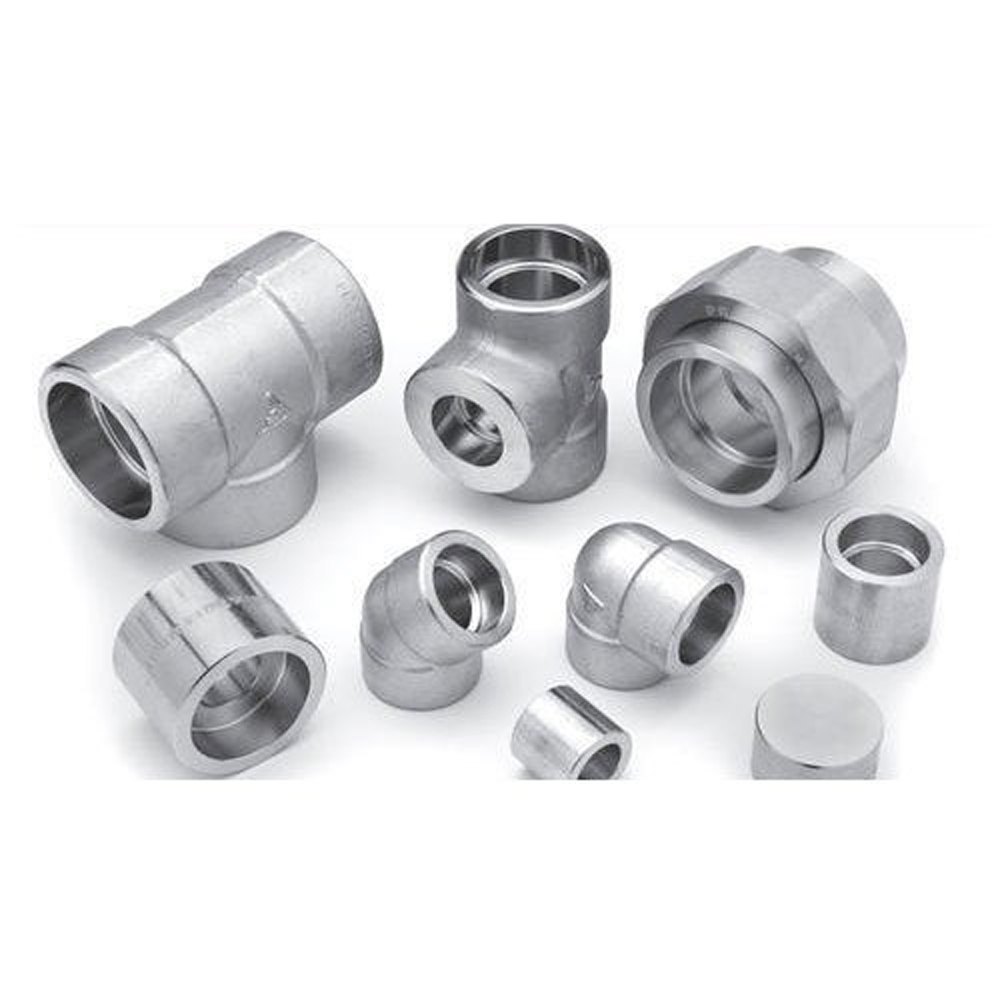
B3 Hastelloy forged fittings are prized for their exceptional resistance to chemical corrosion and heat. This is because their chemical composition includes a unique combination of Niobium and Molybdenum in their alloy, which provides added levels of protection against acidic environments and excellent deformability and weldability characteristics. In addition, the nickel content ensures that these fittings are highly workable at elevated and sub-zero temperatures. Their incredible resilience also makes them ideal in various industrial applications, including built/shipping vessels, chemical processing plants, nuclear reactors and other applications that demand unrivalled durability and longevity
Advanced Corrosion ResistanceHastelloy B3 Forged Fittings offer superior resistance to aggressive acids such as hydrochloric, sulfuric, and acetic acids, making them ideal for highly corrosive environments. Their unique alloy composition and solution annealed structure ensure long-lasting durability and reduced maintenance in critical processing industries, particularly where corrosion could compromise safety and performance.
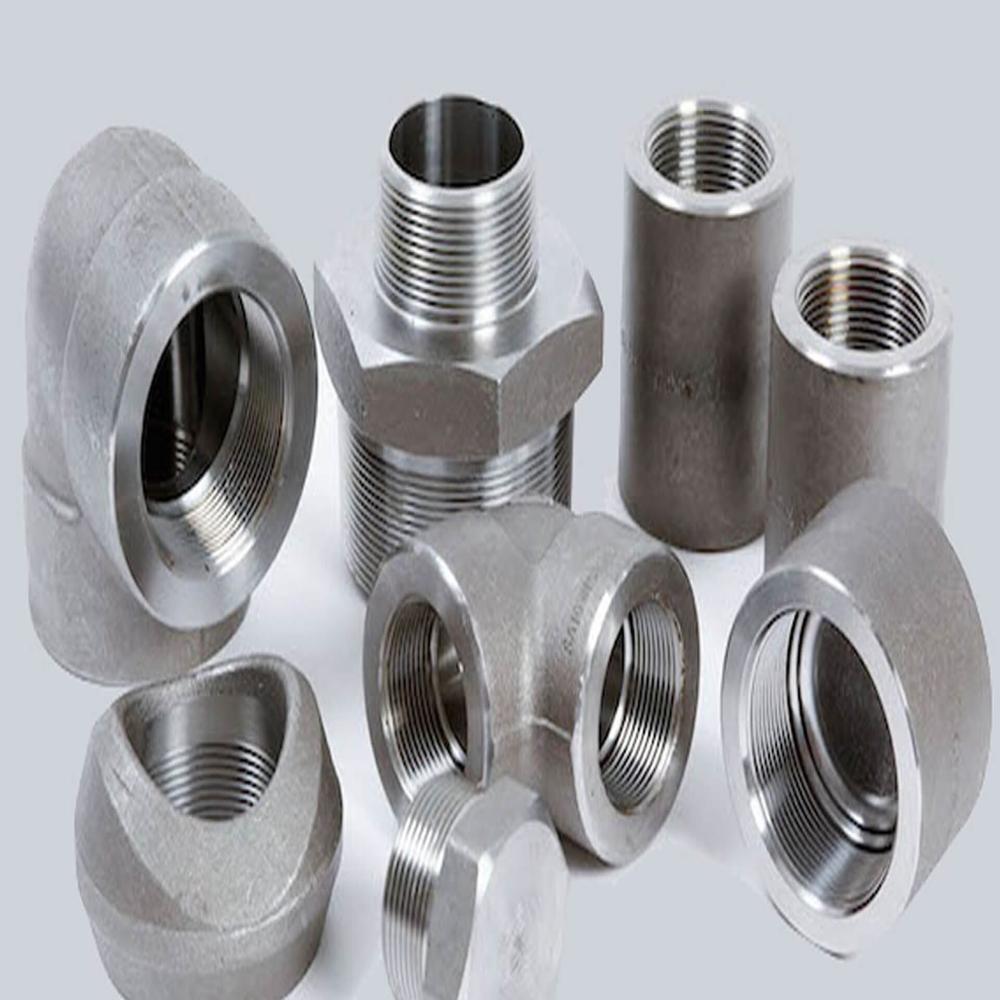
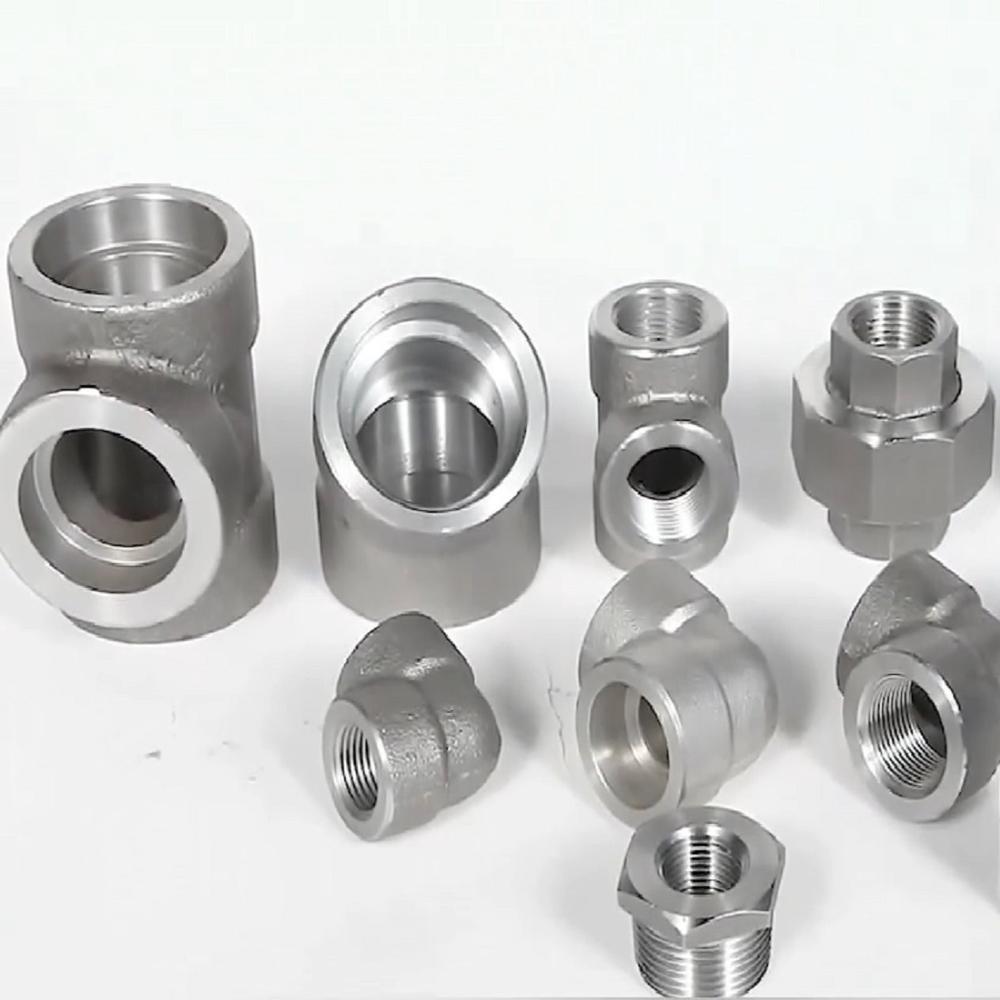
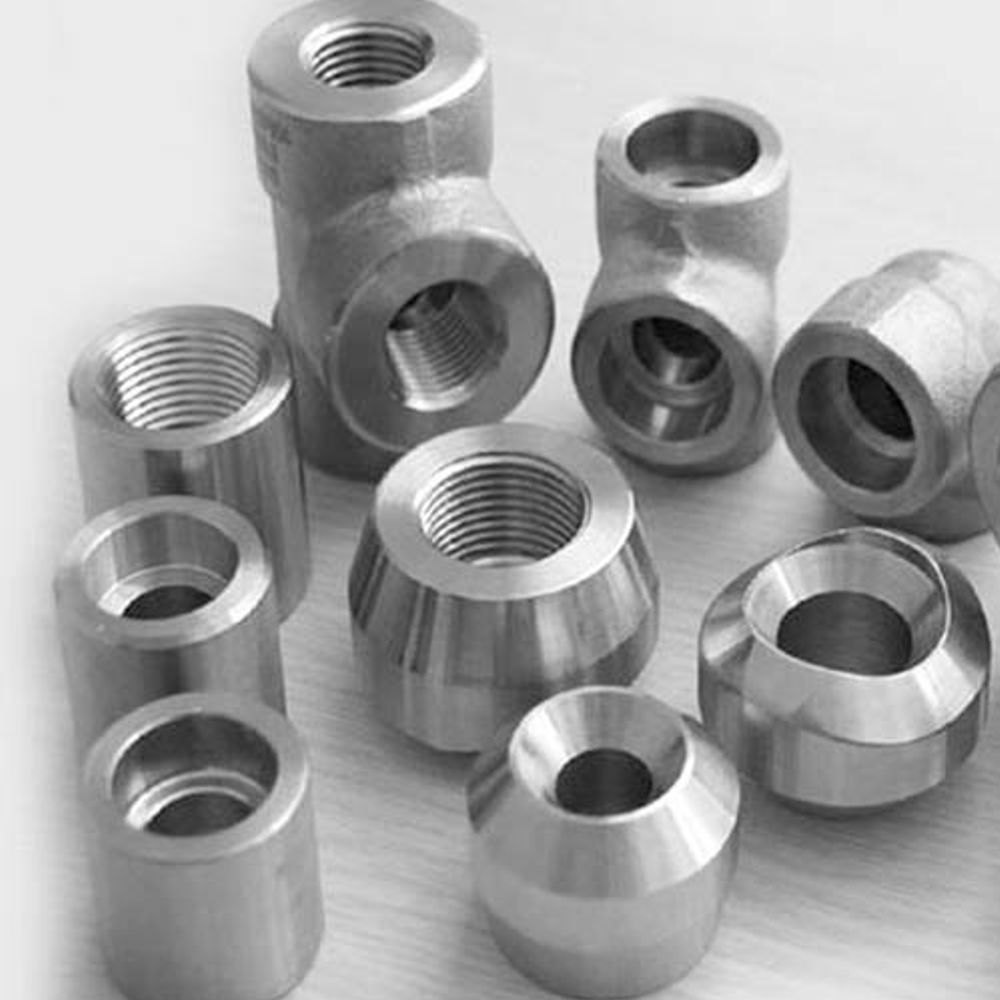
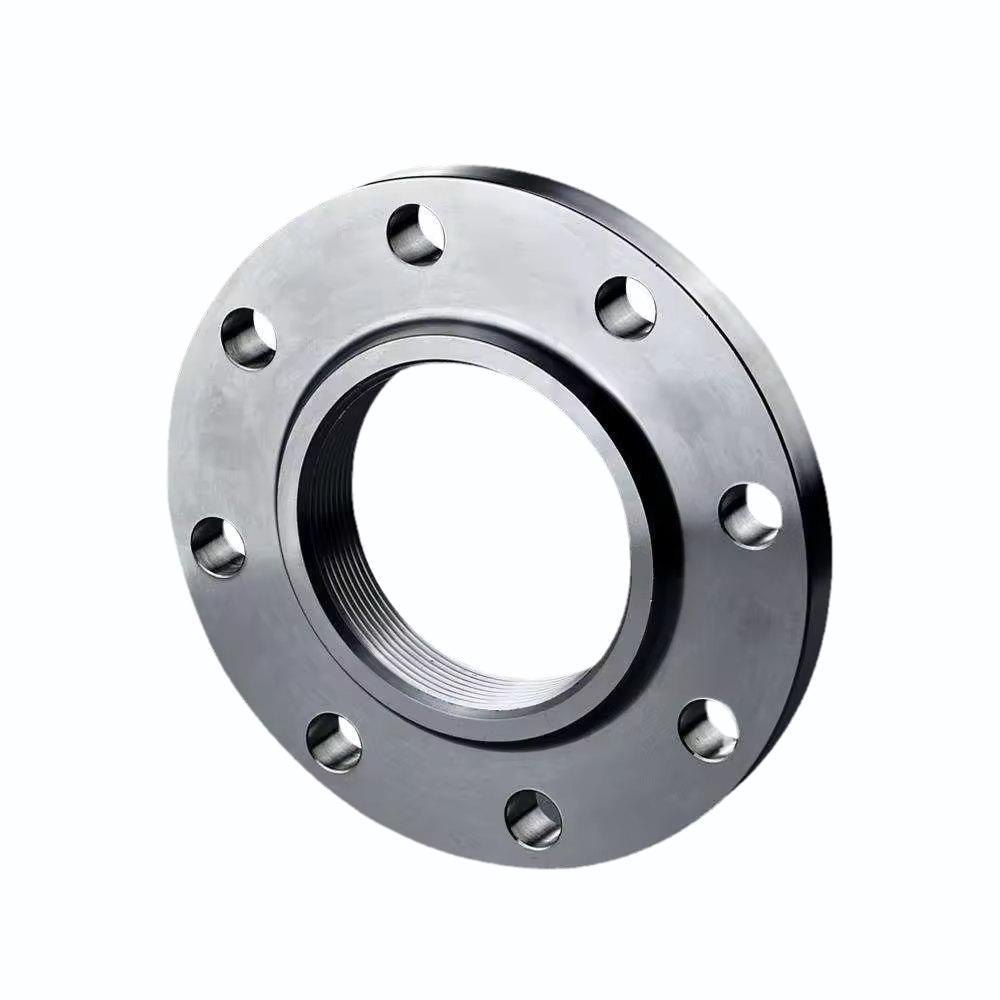
Versatile Pressure Ratings and Connection OptionsThese fittings accommodate a range of pressure classes-from 2000 to 9000 LBS-catering to diverse operational requirements. Connection types include both socket weld and a variety of screwed thread configurations (NPT, BSPT, BSP), enabling secure and flexible installations. Available end types (beveled, plain, threaded) support straightforward integration into various pipeline systems.
FAQ's of Hastelloy B3 Forged Fittings:
Q: How are Hastelloy B3 Forged Fittings supplied in terms of connection types?
A: Hastelloy B3 Forged Fittings are available with both socket weld (SW) and screwed ends, including NPT, BSPT, and BSP threads, offering compatibility with different piping systems and installation preferences.
Q: What industries benefit most from using Hastelloy B3 Forged Fittings?
A: These fittings are particularly suited for chemical processing, petrochemical, marine, oil and gas, power generation, pulp and paper, and pollution control sectors due to their high resistance to corrosive acids and harsh environments.
Q: When should Hastelloy B3 Forged Fittings be considered over standard stainless steel fittings?
A: They should be selected when processing or transporting strong acids like hydrochloric, sulfuric, or acetic acids or when superior corrosion resistance is required. Their performance in reducing environments surpasses that of standard stainless steels.
Q: What is the process for manufacturing Hastelloy B3 Forged Fittings?
A: These fittings are produced by forging, followed by solution annealing to optimize mechanical properties. They are then precision machined for a bright, clean finish, with dimensions adhering to standards like ASME B16.11 and MSS-SP-83/95/97.
Q: Where can custom-sized Hastelloy B3 Forged Fittings be sourced?
A: Custom sizes and configurations, in addition to standard dimensions, can be requested from manufacturers and suppliers specializing in high-performance alloys. Exporters, importers, and traders within the industry can facilitate procurement for specific project needs.
Q: What are the dimensional and end-type options available for these fittings?
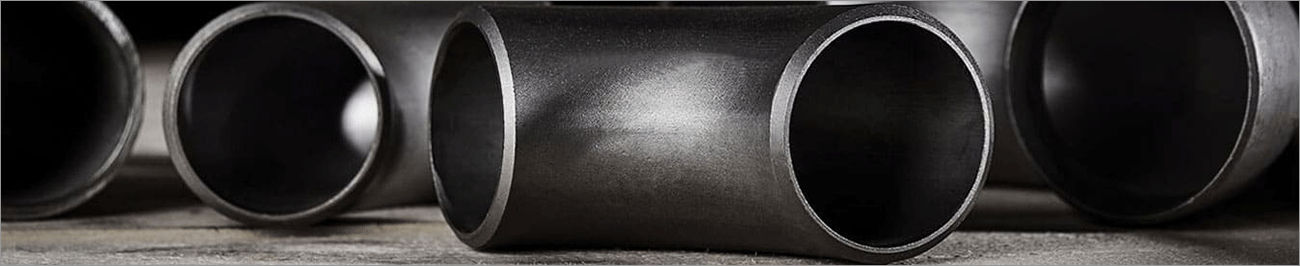
A: They are manufactured in sizes ranging from 1/8 NB to 4 NB, with a variety of shapes such as elbows, tees, couplings, unions, caps, plugs, and crosses. End types include beveled, plain, and threaded, ensuring compatibility with different piping designs.
Q: How does Hastelloy B3 Forged Fittings' corrosion resistance benefit long-term usage?
A: Thanks to their excellent resistance to aggressive acids, these fittings offer extended service life, reduced downtime, and lower maintenance costs, making them a cost-effective choice for critical and corrosive service conditions.





 Send Inquiry


 Send Inquiry
 Send Inquiry
 Send SMS


