Hastelloy C2000 Pipes About
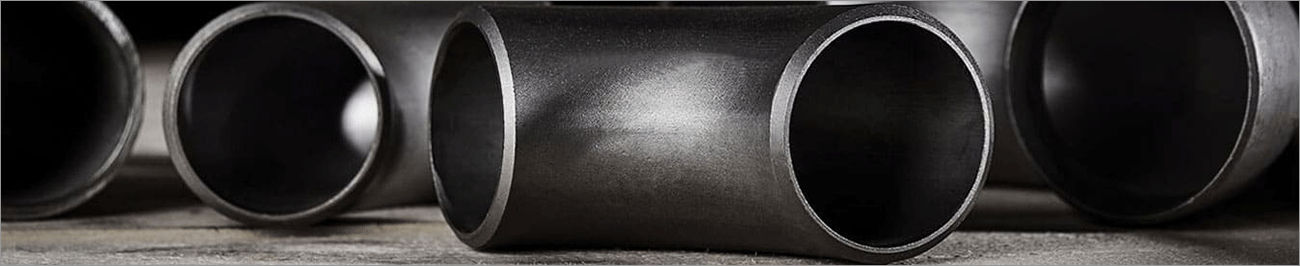
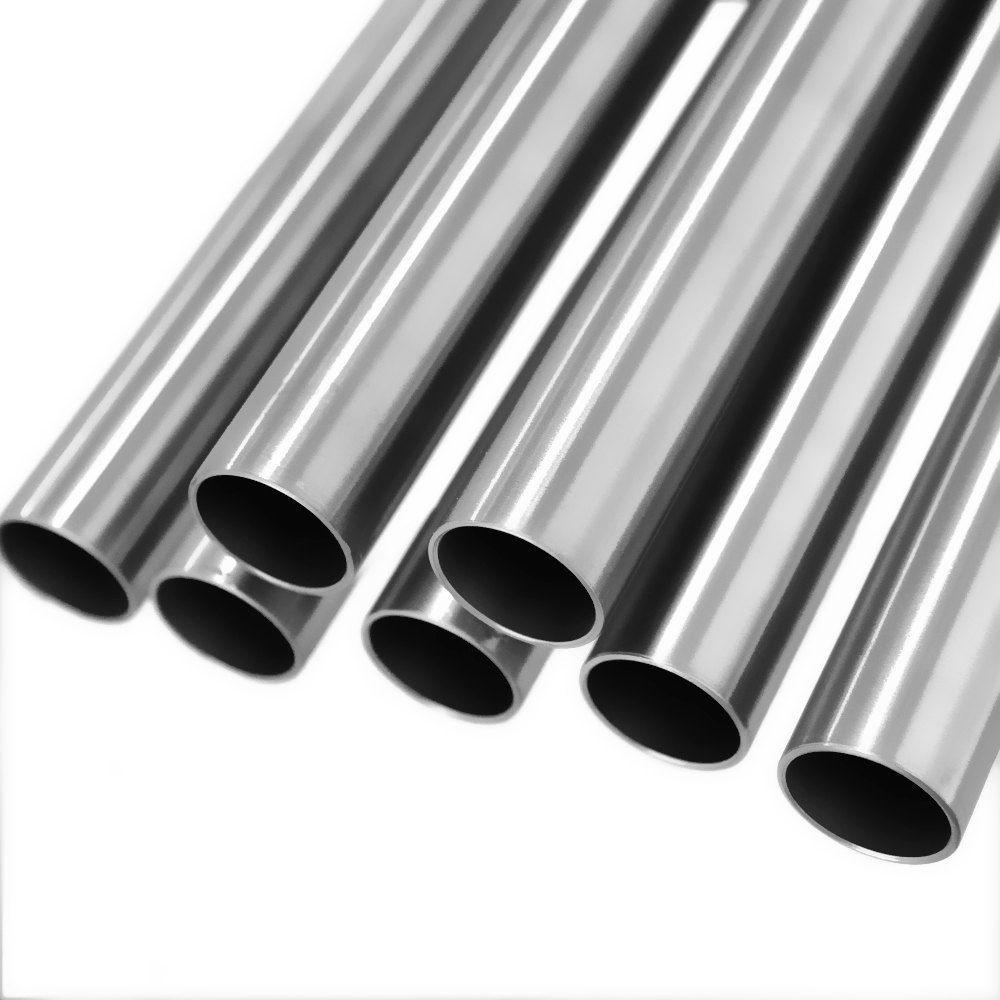
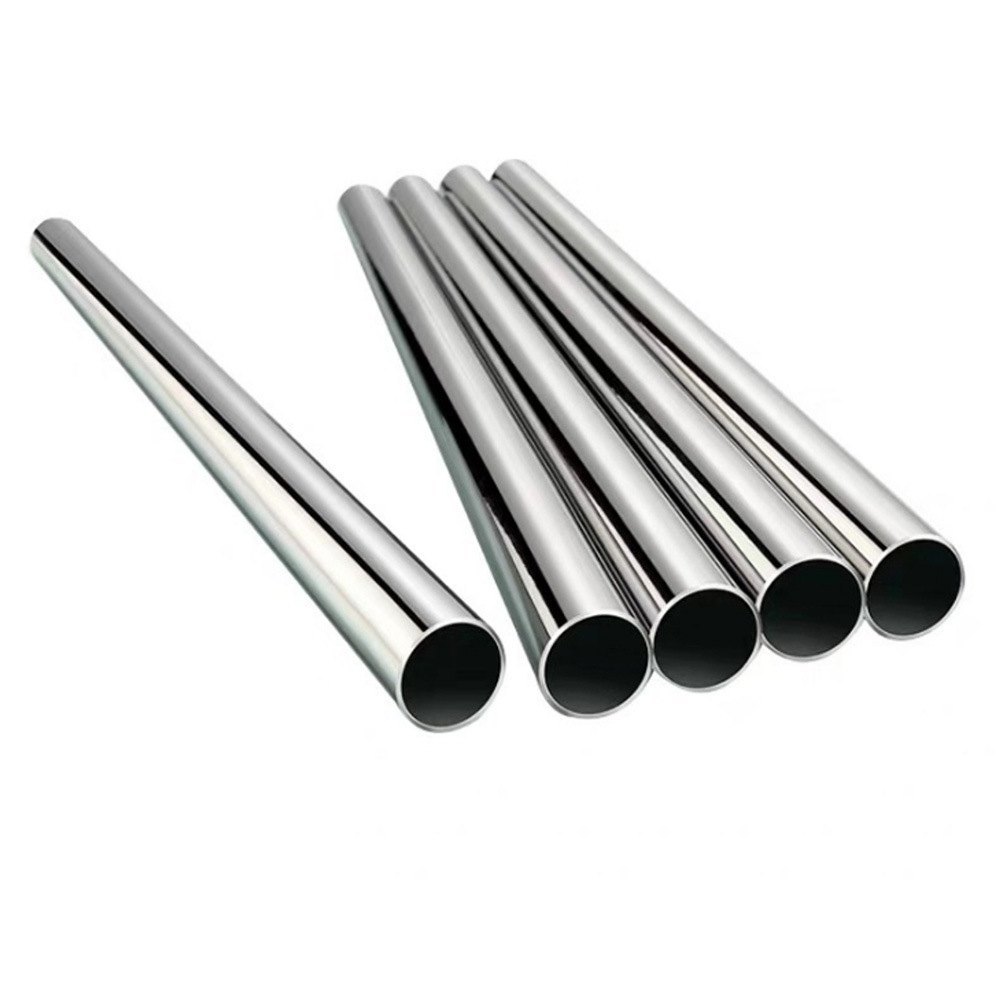
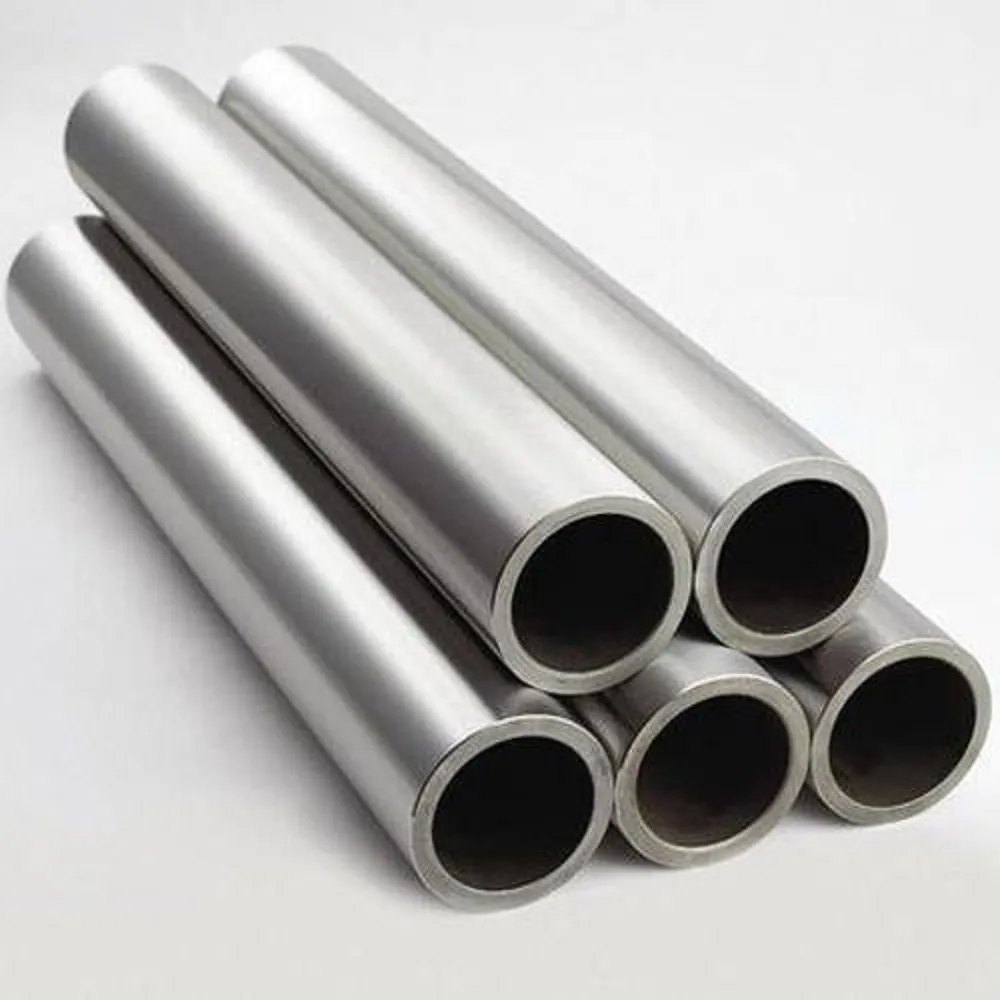
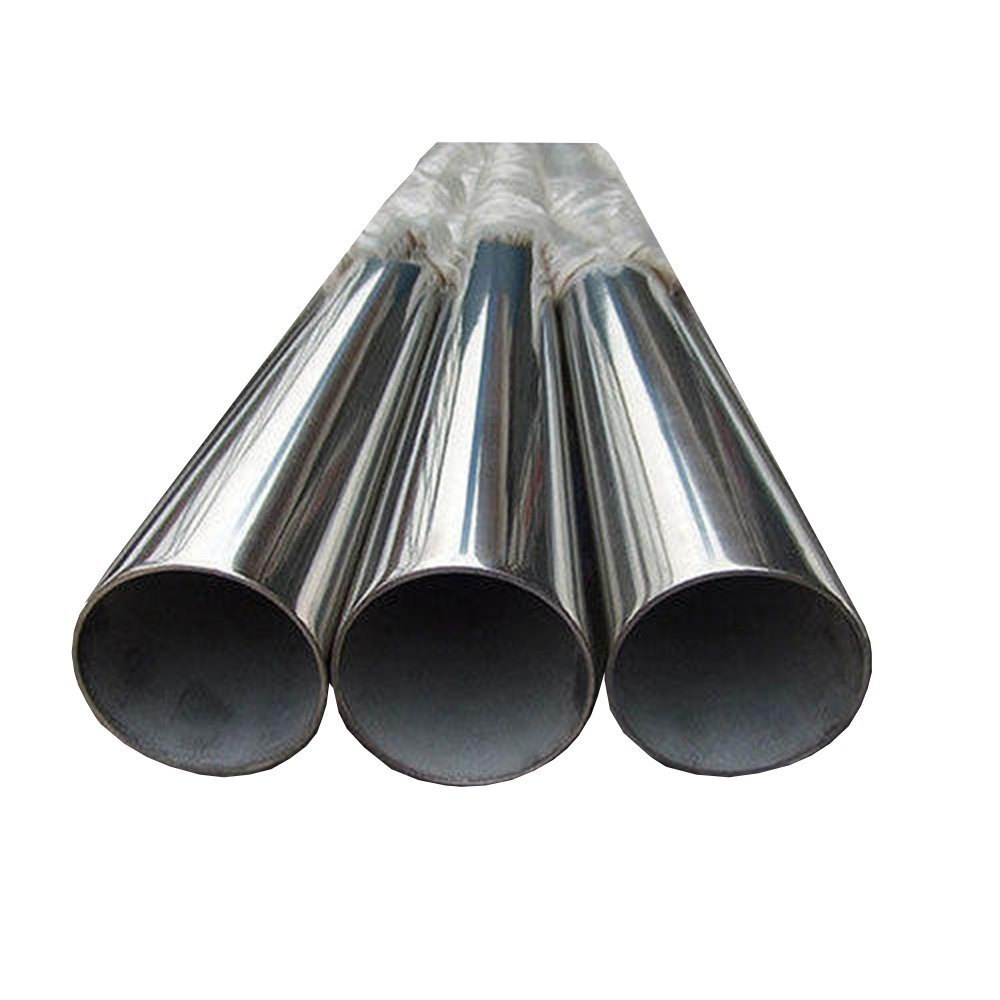
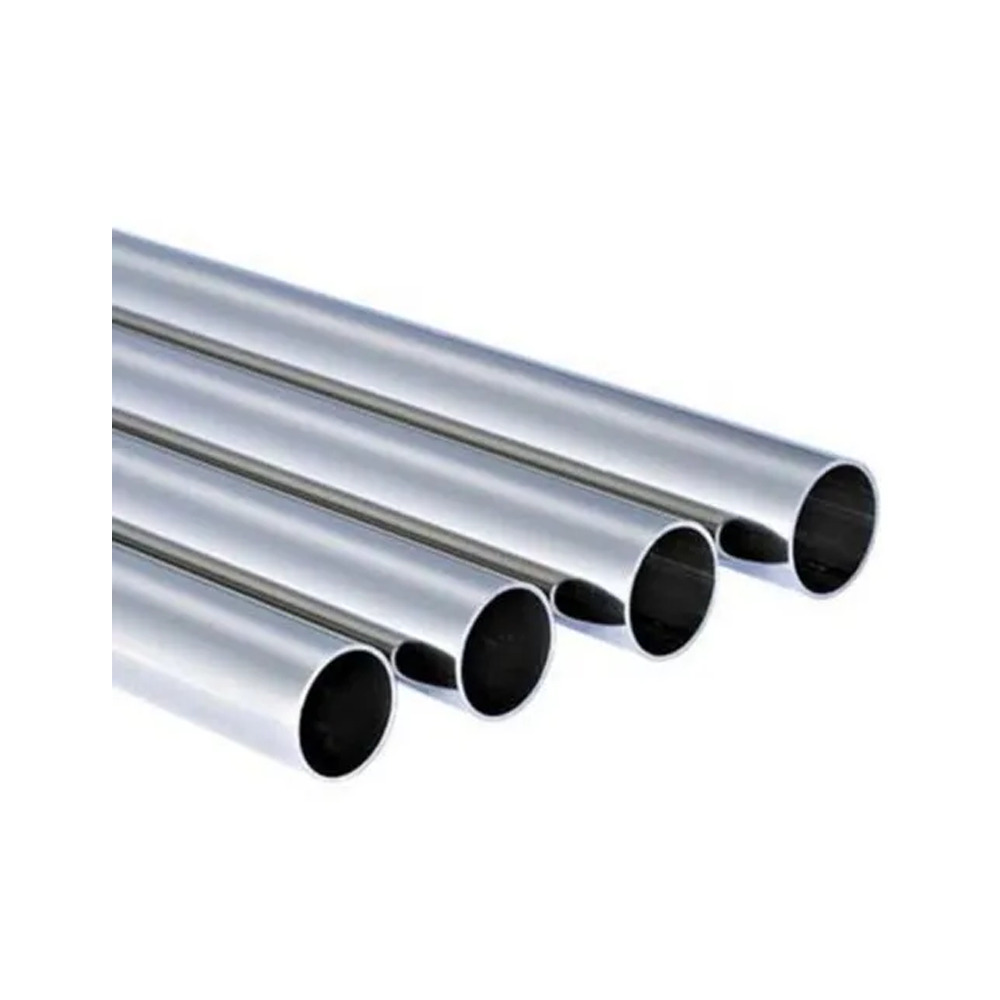
Hastelloy C2000 pipes are manufactured from nickel, molybdenum, chromium, and cobalt and are known for their high-level corrosion resistance. The Hastelloy C2000 pipes provide durability and effectiveness for certain applications that expose equipment to corrosion and high pressure.
Exceptional Corrosion ResistanceHastelloy C2000 pipes are renowned for their high resistance to a broad array of corrosive agents, including acids and chlorides. This makes them particularly suitable for steel and iron industries where harsh chemicals and elevated temperatures are routine.
Wide Application Across Heavy IndustriesThese pipes serve crucial roles in metallurgy, steel making, iron casting, and other sectors. Their ability to withstand aggressive industrial environments leads to longer equipment life and minimized downtime, enhancing overall productivity.
FAQ's of Hastelloy C2000 Pipes:
Q: How are Hastelloy C2000 pipes utilized in the steel and iron industries?
A: Hastelloy C2000 pipes are commonly incorporated into processing equipment, heat exchangers, and piping systems where high resistance to corrosive chemicals and temperatures is essential. They help ensure uninterrupted flow and processing of raw materials in steel and iron manufacturing operations.
Q: What are the main benefits of choosing Hastelloy C2000 pipes for industrial applications?
A: The primary advantages include extraordinary resistance to pitting and crevice corrosion, excellent mechanical strength, and longevity under severe operating conditions. These attributes make them a reliable solution for demanding environments in metallurgy, steel making, and iron casting.
Q: When should Hastelloy C2000 pipes be selected over other alloy pipes?
A: These pipes are advised over conventional alloys when your process involves exposure to both oxidizing and reducing chemicals, especially in high-temperature or aggressive settings common in the steel and iron industries.
Q: Where are Hastelloy C2000 pipes commonly installed in steel and iron facilities?
A: They can be found in critical sections such as acid pickling lines, process reactor vessels, transfer lines, and cooling systems-areas prone to rapid corrosion due to acidic or high-chloride environments.
Q: What is the manufacturing process for Hastelloy C2000 pipes?
A: These pipes are produced through precision extrusion, seamless drawing, or welding methods using high-purity Hastelloy C2000 alloy, ensuring uniformity, strength, and resistance to structural degradation.
Q: How does the usage of Hastelloy C2000 pipes improve operational efficiency?
A: Their exceptional durability reduces maintenance shutdowns and replacement costs, allowing steel and iron plants to maintain continuous, efficient operations without frequent interruptions caused by pipe failures.





 Send Inquiry


 Send Inquiry
 Send Inquiry
 Send SMS


