Hastelloy C276 Forged Fittings About
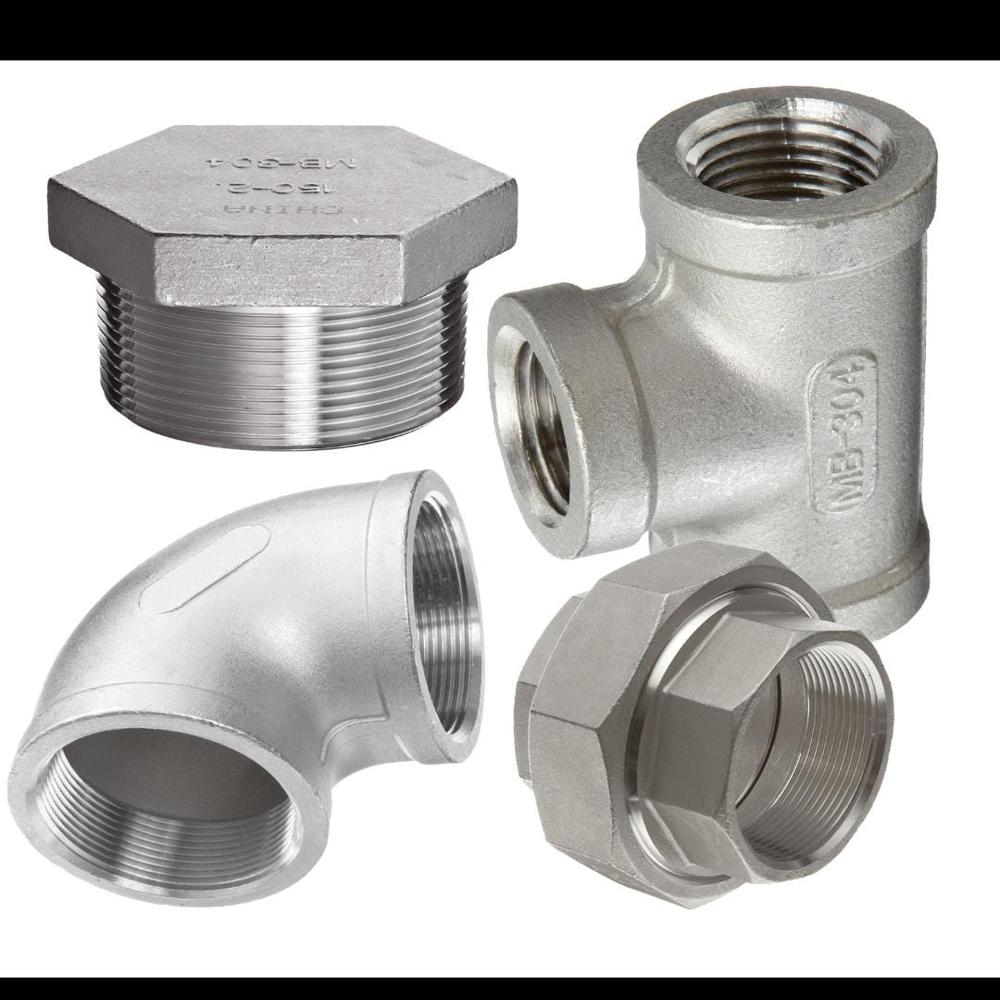
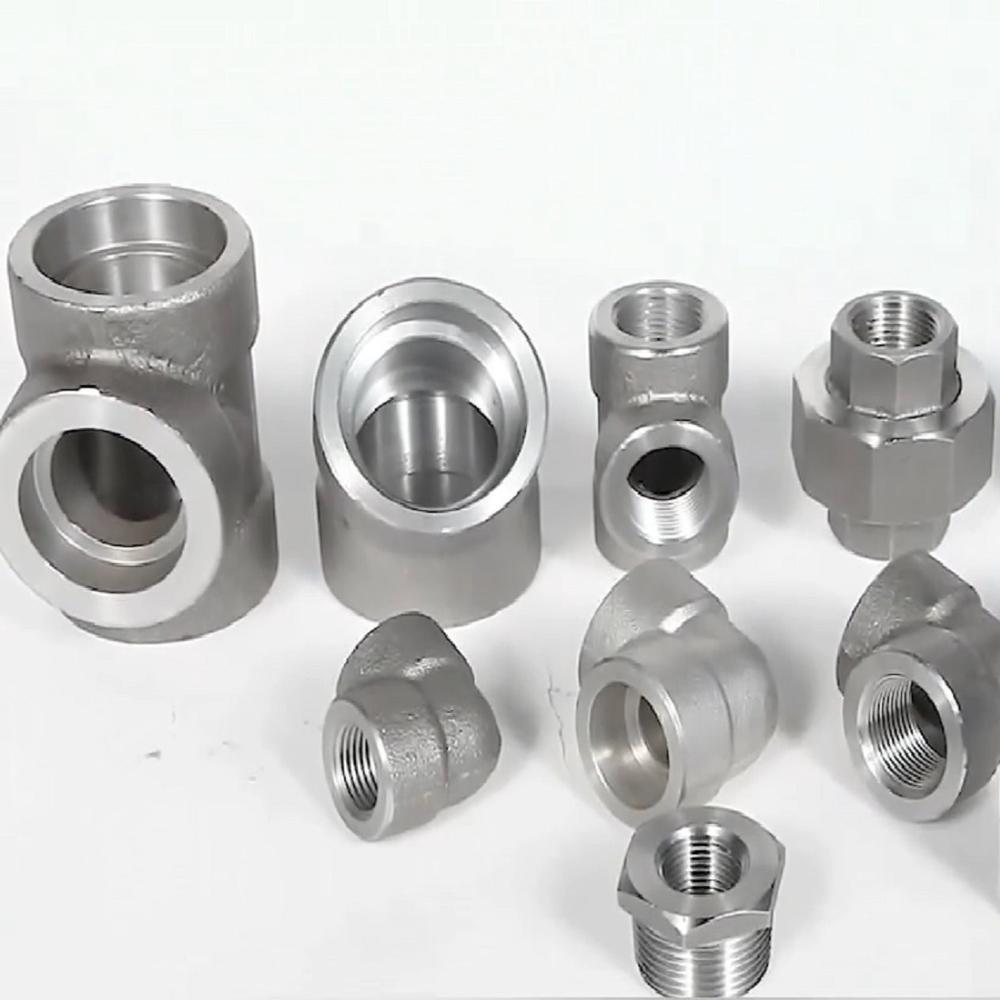
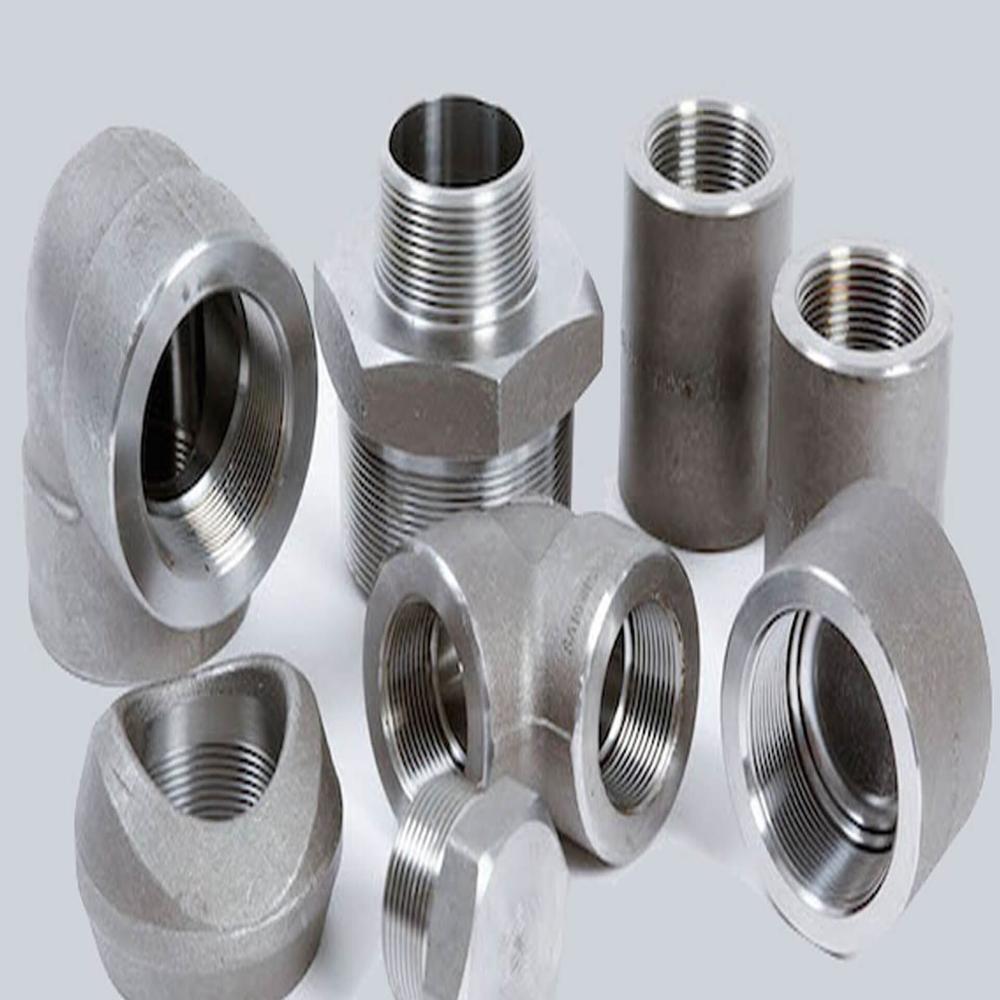
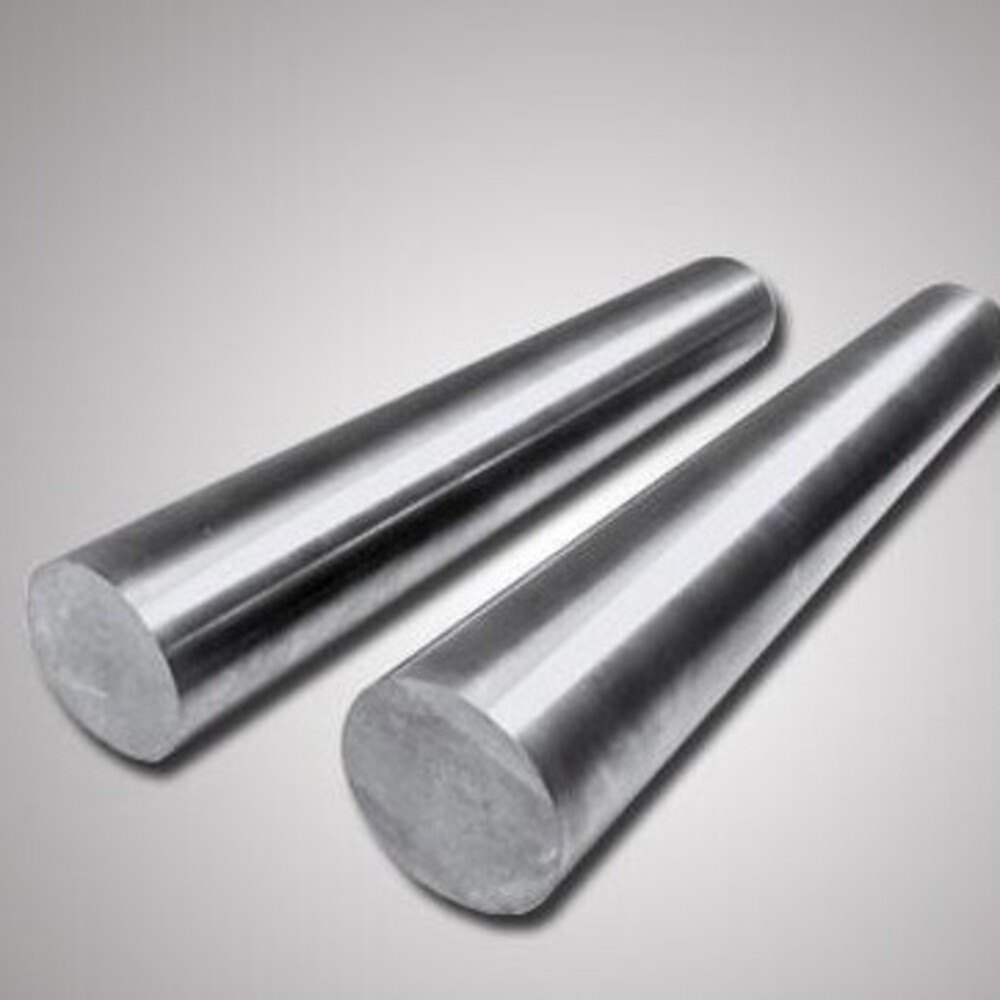
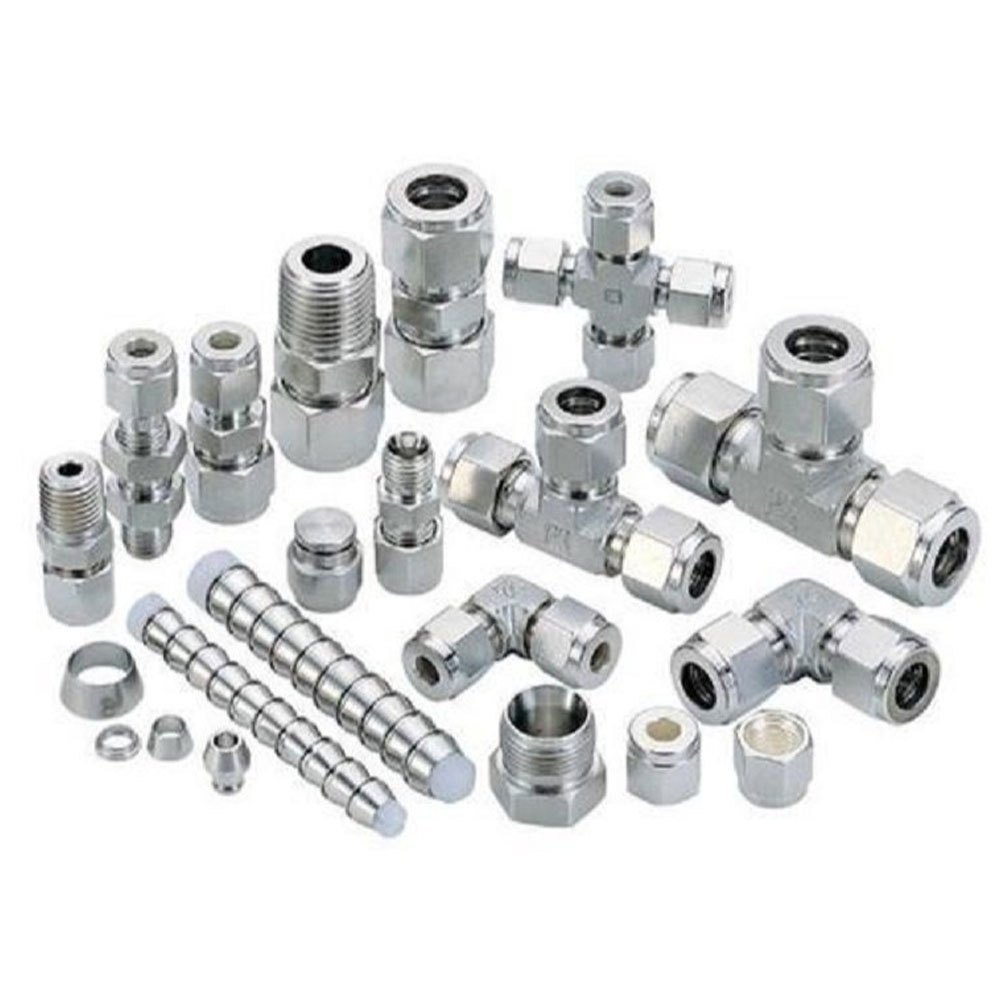
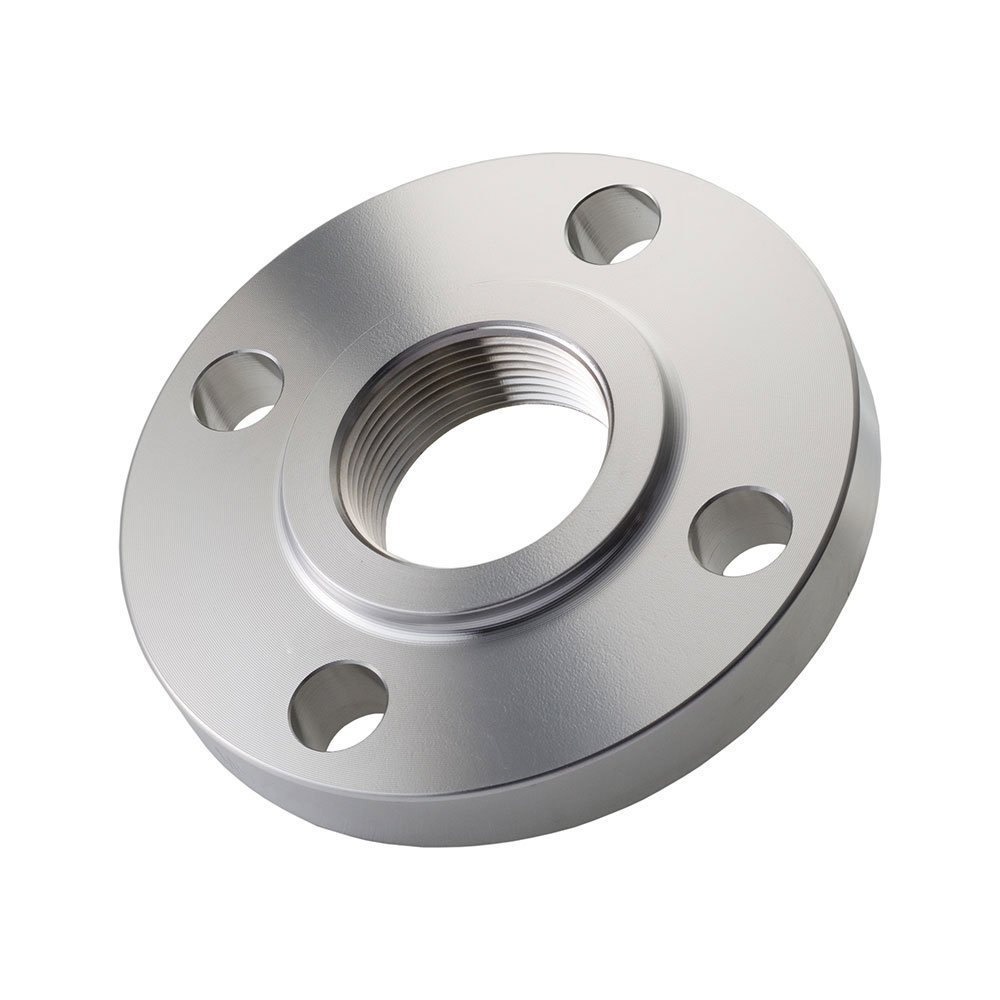
Hastelloy C276 forged fittings are highly appreciated for their outstanding corrosion resistance and high strength, which makes them very useful in various industries. These fittings are made from Hastelloy C276, a nickel-molybdenum-chromium superalloy suitable for use in hostile conditions.
Engineered for Extreme EnvironmentsHastelloy C276 Forged Fittings are engineered to withstand highly corrosive processes, making them indispensable in industries that handle aggressive chemicals. Their robust composition-including tungsten for enhanced resistance-ensures minimal risk of pitting, crevice attacks, or general corrosion even when exposed to oxidizing and reducing media. This durability extends operational life and reliability in critical applications.
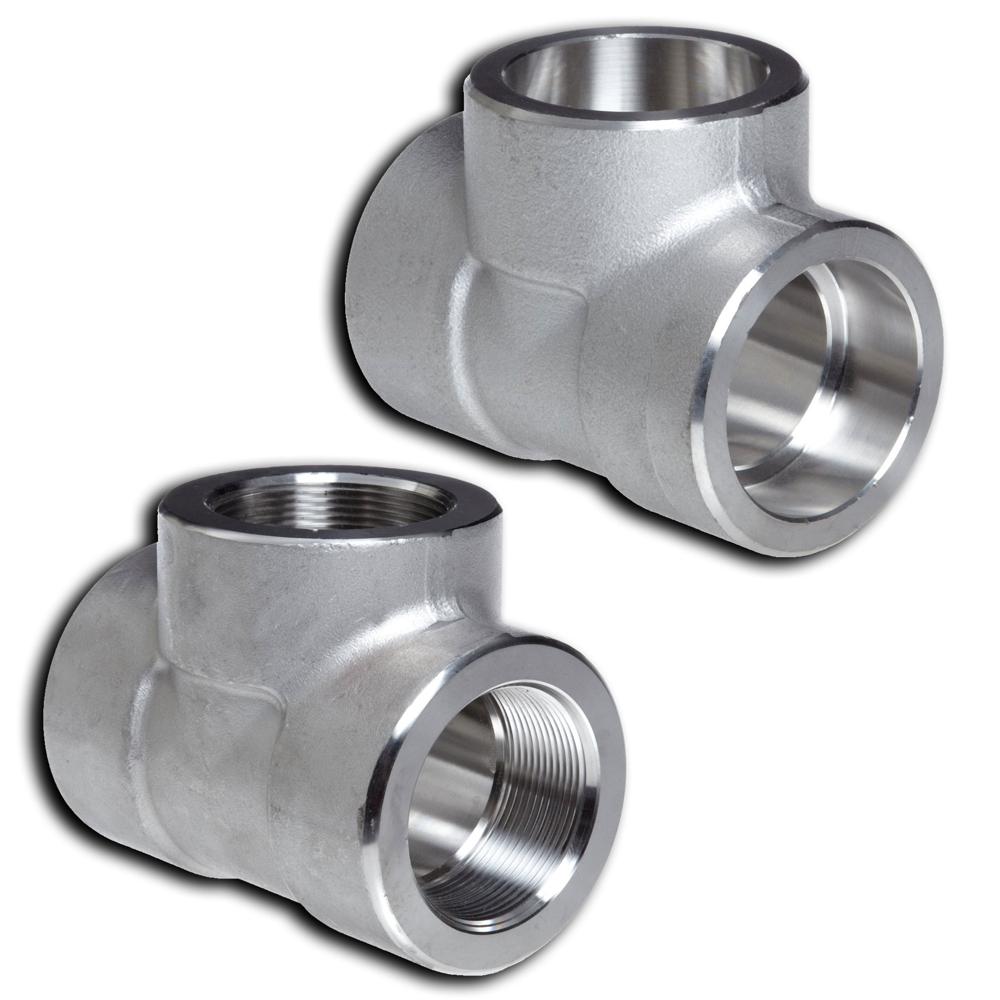
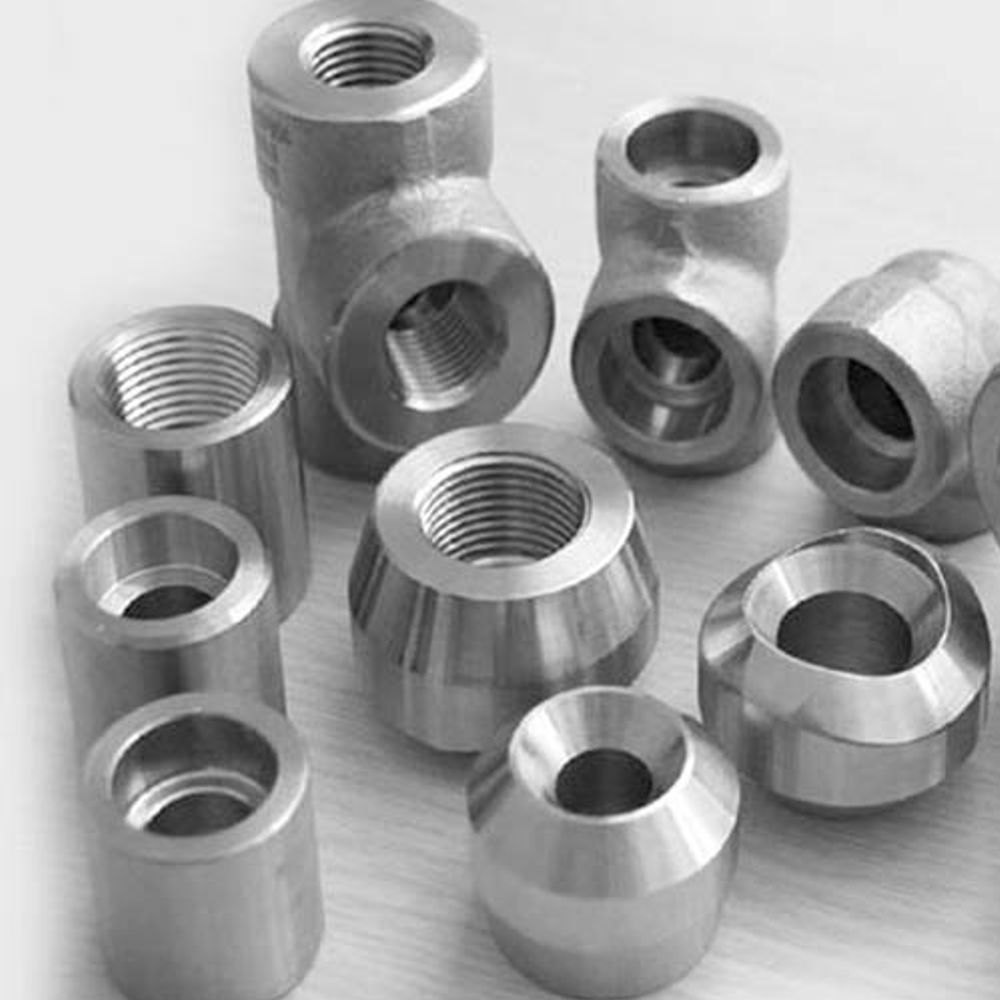
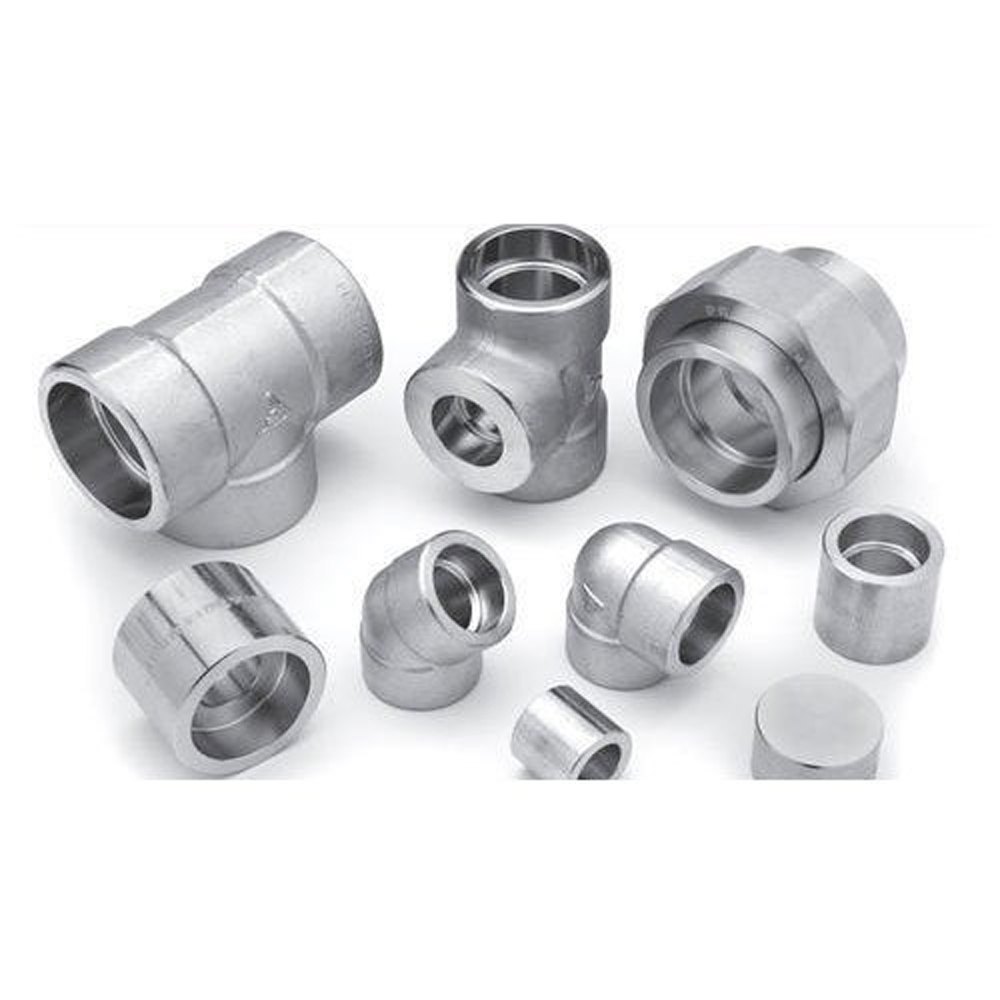
Versatile Connections & ApplicationsWith options for both screwed (NPT/BSP) and socket weld connections, these forged fittings are compatible with various piping systems. They are ideal for use in chemical plants, oil & gas sites, and pollution control, thanks to their high-pressure capabilities and broad temperature range. Their flexible customization in dimensions and shape caters to project-specific requirements, ensuring optimum fit and function.
FAQ's of Hastelloy C276 Forged Fittings:
Q: How are Hastelloy C276 Forged Fittings typically used in industrial applications?
A: These fittings are commonly used in demanding sectors such as chemical processing, oil and gas, power generation, and pollution control where superior resistance to corrosive acids, pitting, and crevice corrosion is essential. Their robust construction allows for reliable performance in harsh operational environments.
Q: What are the standard connection types available for these fittings?
A: Hastelloy C276 Forged Fittings are available with screwed (NPT/BSP) and socket weld end connections, designed in accordance with ASME B16.11 standards. This versatility enables easy integration with a variety of piping systems.
Q: When should I choose Hastelloy C276 over other materials for forged fittings?
A: You should select Hastelloy C276 when your application requires exceptional resistance to a wide array of corrosive media, particularly in environments involving strong oxidizing or reducing acids. Its superiority over other alloys ensures longevity and reliability where corrosion failure could be catastrophic.
Q: Where can these forged fittings be installed given their pressure and temperature ratings?
A: With pressure ratings of Class 2000/3000/6000/9000 lbs and the ability to operate from -196C to 600C, these fittings are suitable for installations in high-stress and temperature-variable environments, such as chemical plants and refineries.
Q: What manufacturing standards govern the production of Hastelloy C276 Forged Fittings?
A: The manufacturing of these fittings adheres to ASTM B564 and ASME SB564 standards, ensuring product quality, precise mechanical properties, and dimensional accuracy. End connections comply with ASME B16.11.
Q: How does the surface finish and hardness affect the performance of these fittings?
A: A bright, smooth machined surface minimizes the accumulation of corrosive deposits and facilitates inspection, while a maximum Rockwell B90 hardness ensures adequate strength without compromising machinability or performance.
Q: What are the primary benefits of choosing these fittings for your system?
A: The key benefits include excellent corrosion resistance, adaptability to varying pressures and temperatures, customizable sizes for unique requirements, and compatibility with industry-standard piping connections, ensuring longevity and reduced maintenance in aggressive service conditions.





 Send Inquiry


 Send Inquiry
 Send Inquiry
 Send SMS


