Hastelloy C276 Tubing About
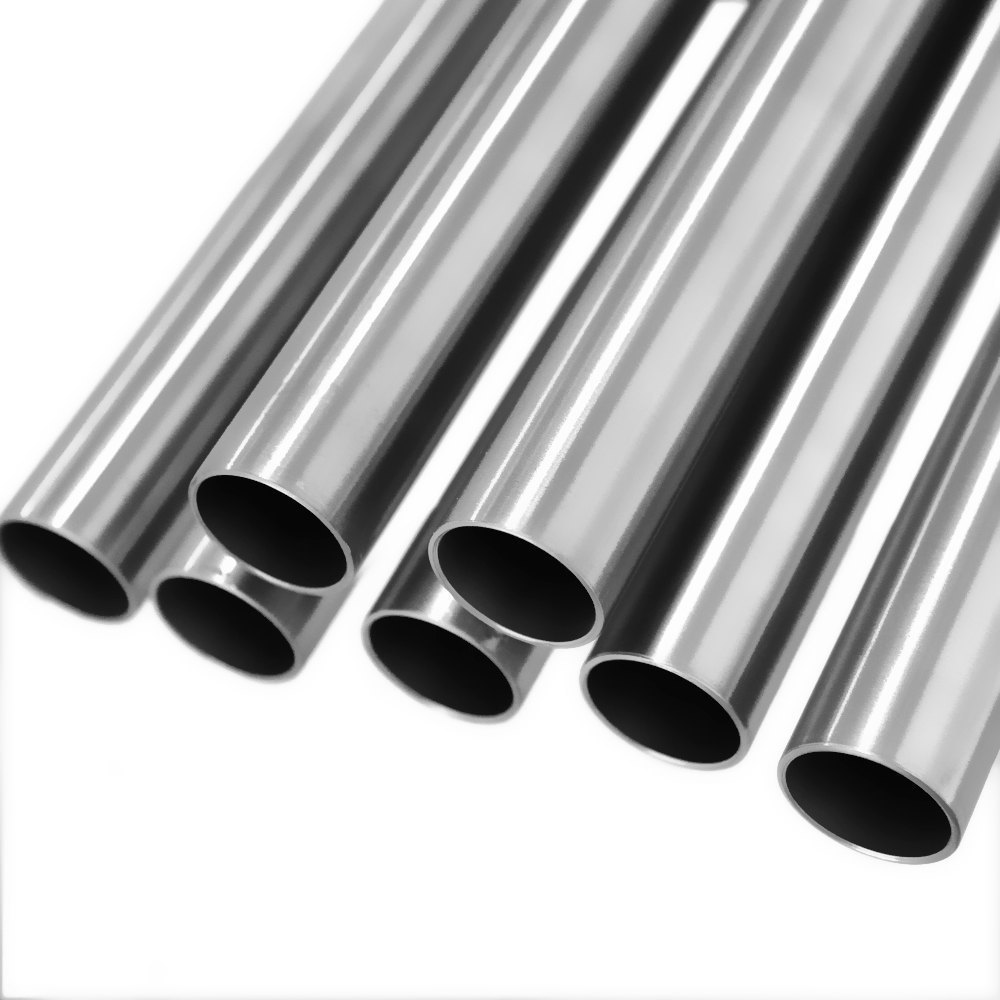
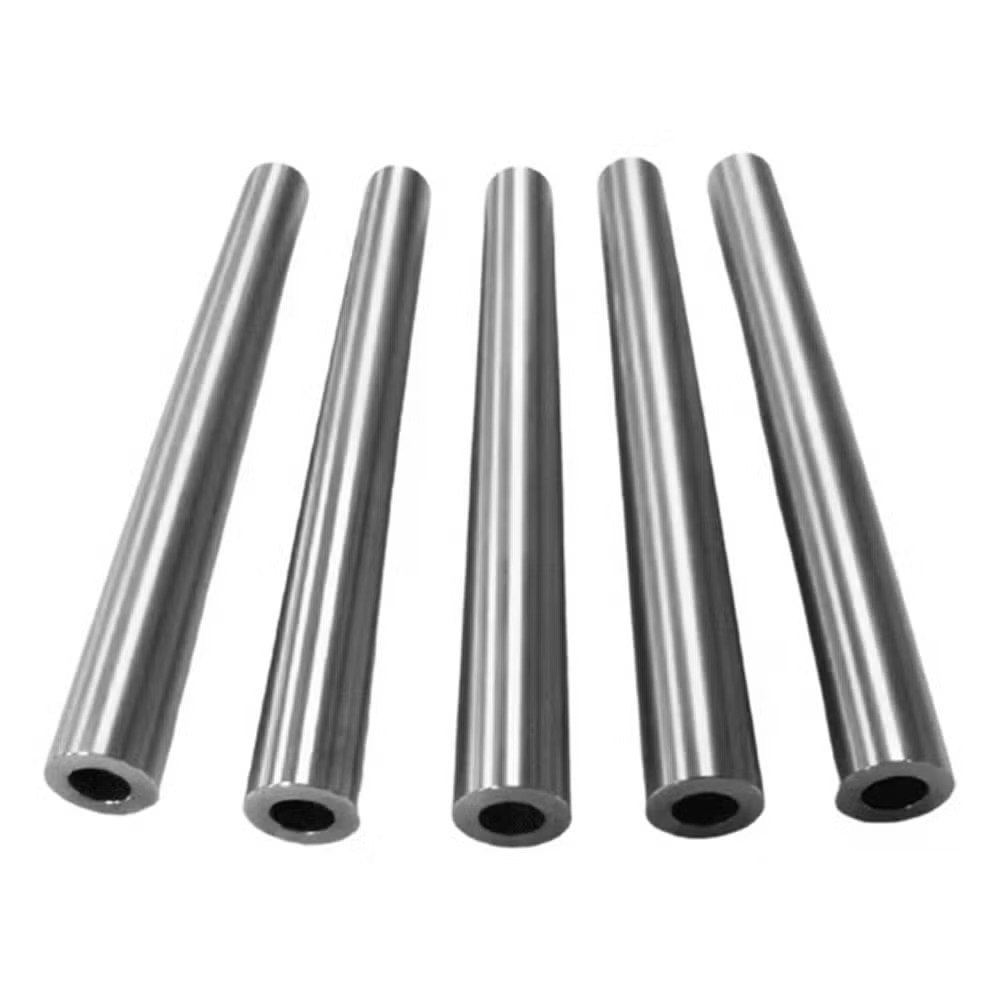
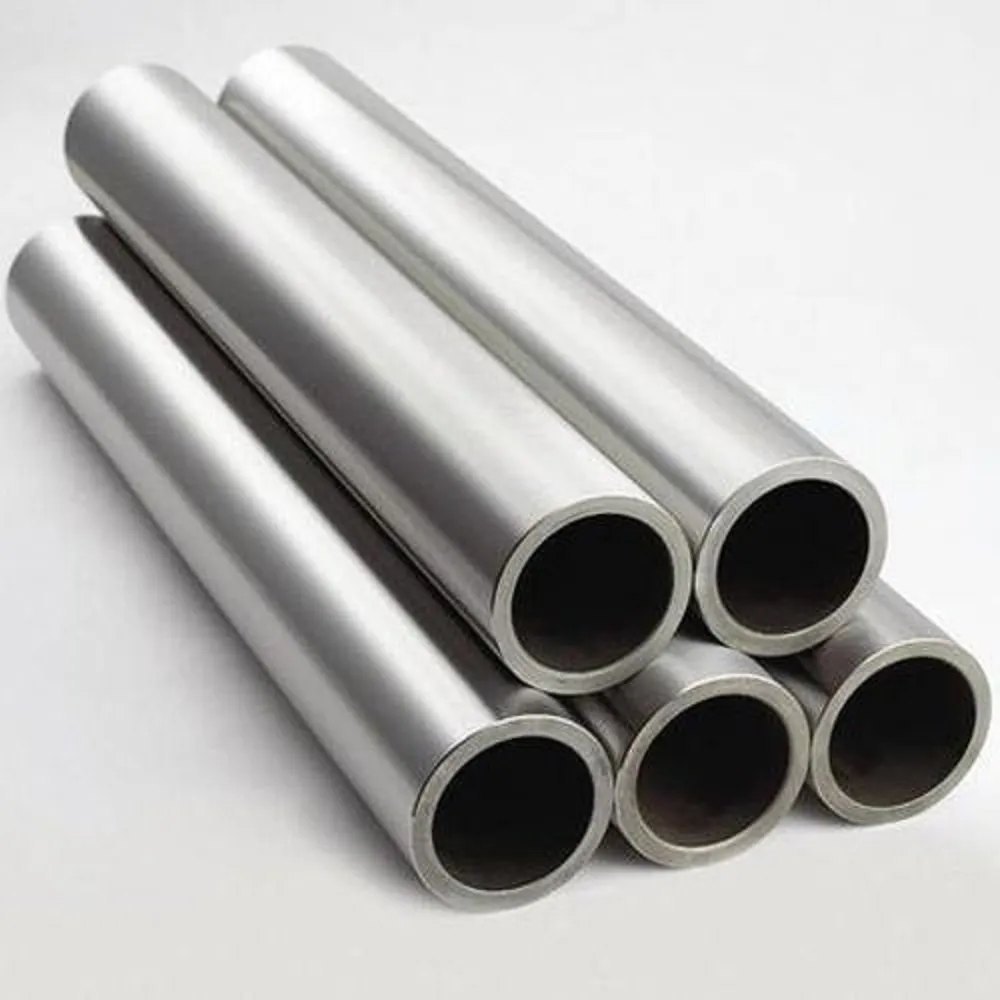
Hastelloy C276 tubing is a nickel-molybdenum-chromium alloy famous for its excellent corrosion resistance in harsh conditions. Created to offer optimal protection against both oxidising and reducing acids, Hastelloy C276 (UNS N10276) is one of the most popular and versatile grades used today
Superior Corrosion ResistanceHastelloy C276 tubing provides outstanding defense against localized corrosion such as pitting, crevice corrosion, and stress-corrosion cracking, making it a prime choice in aggressive environments like chemical processing or marine industries. Its robust alloy composition allows usage in situations where other materials may quickly degrade, ensuring long service life and reduced maintenance costs.
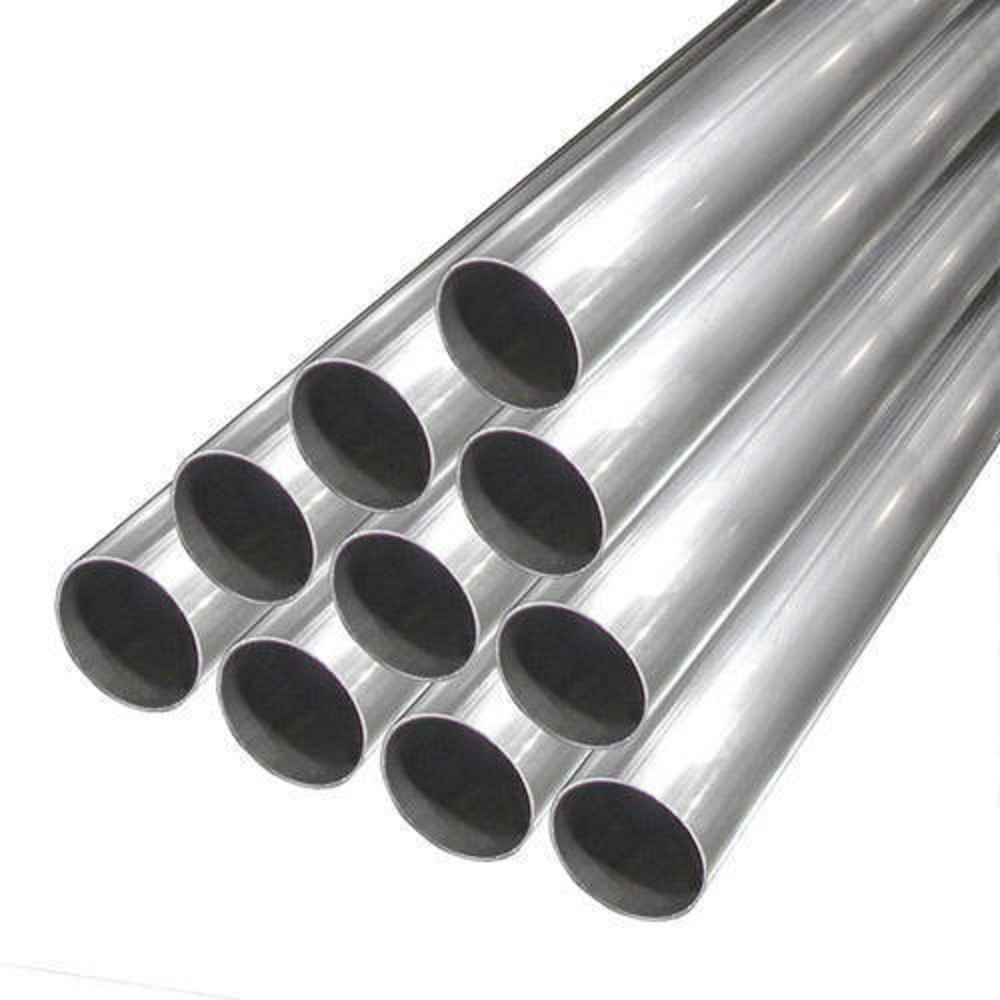
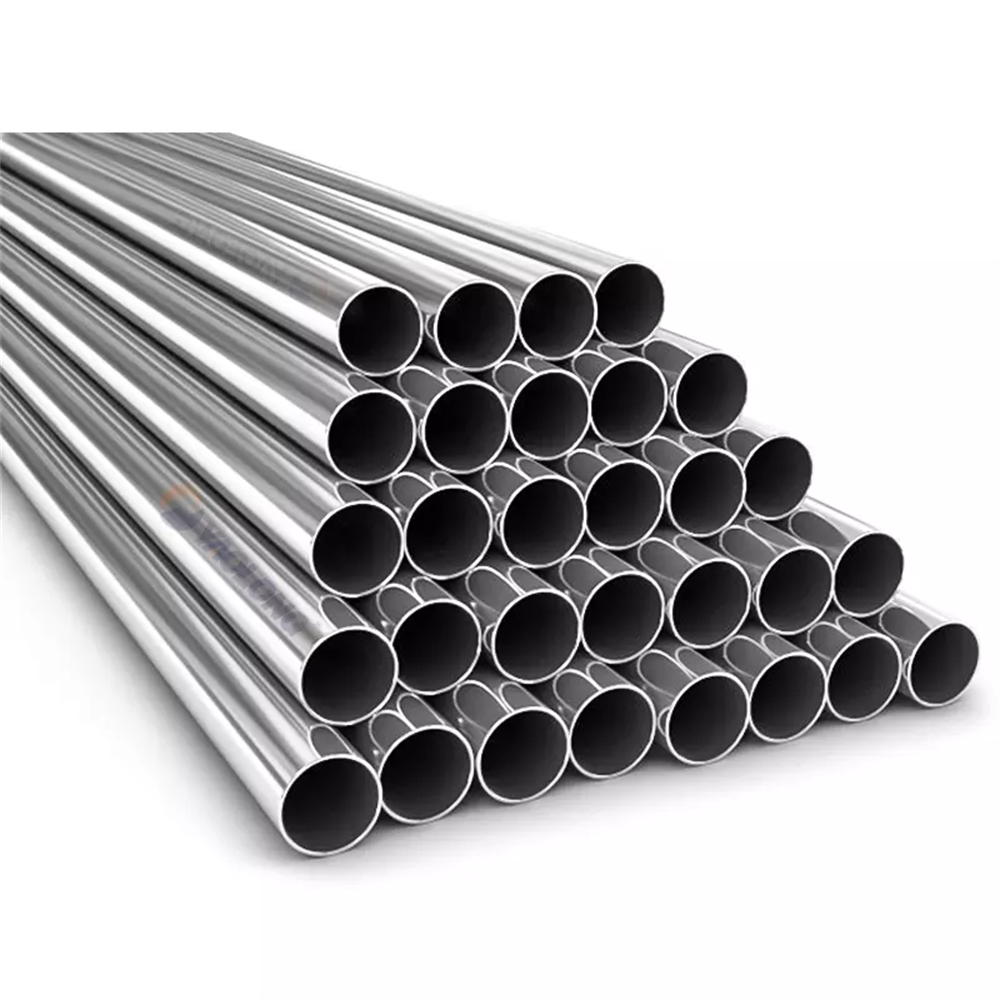
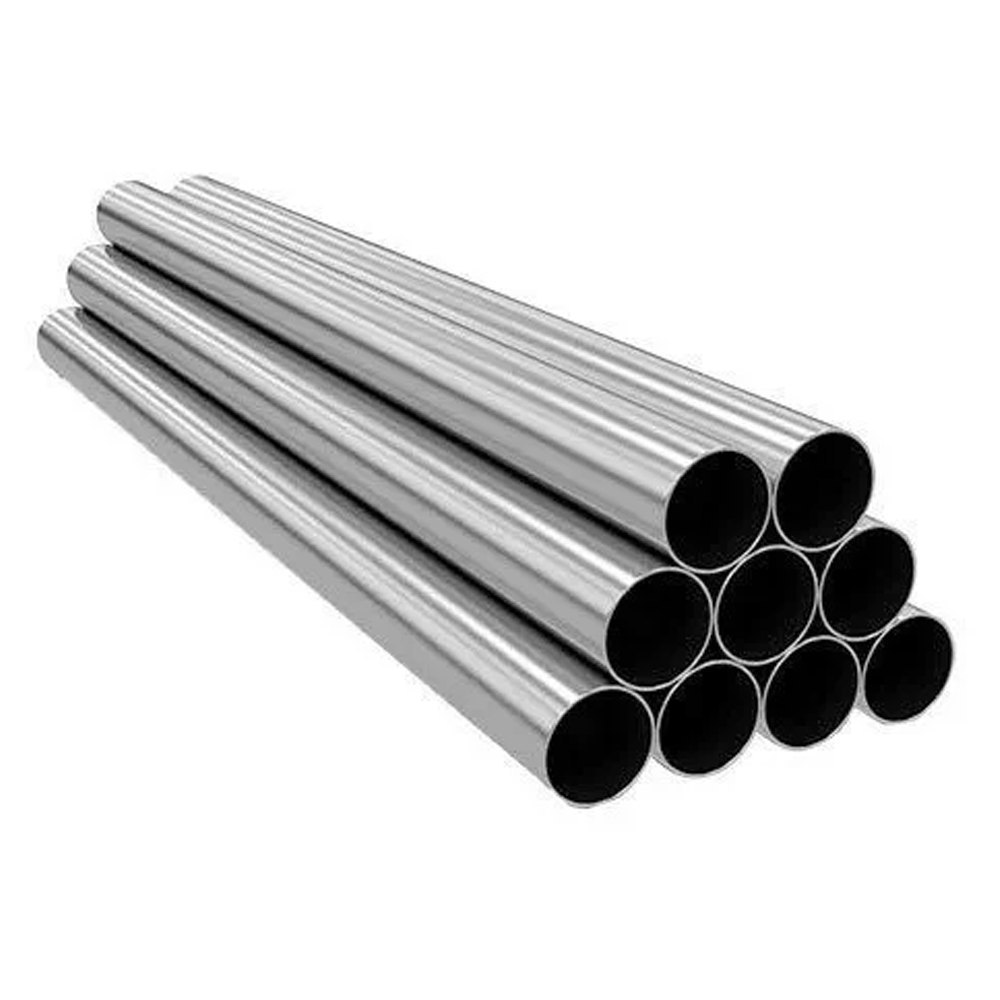
Customizable for Diverse Industrial NeedsWith options for seamless or welded construction, multiple end finishes (plain, beveled, threaded), and a wide range of outer diameters and wall thicknesses, Hastelloy C276 tubing can be tailored to exact project requirements. The tubing's adaptability supports use in high-demand fields such as oil & gas, power generation, and pharmaceuticals.
Reliable Mechanical and Thermal PerformanceCapable of withstanding extreme conditions-from cryogenic to high temperatures (-196C to 800C)-and rated for high tensile (760 MPa min.) and yield strength (320 MPa min.), Hastelloy C276 tubing remains resilient under mechanical and thermal stress. Its excellent elongation (min. 40%) and consistent structure further boost reliability in critical systems.
FAQ's of Hastelloy C276 Tubing:
Q: How is Hastelloy C276 tubing typically manufactured?
A: Hastelloy C276 tubing can be produced using either seamless or welded construction methods, according to the specified ASTM B622, B619, or B626 material standards. The process results in high-purity, precisely dimensioned tubing suitable for demanding industrial applications.
Q: What are the main benefits of using Hastelloy C276 tubing in corrosive environments?
A: The tubing offers excellent resistance to pitting, crevice corrosion, and stress-corrosion cracking, making it ideal for chemical processing, pollution control, marine, and oil & gas sectors where corrosion poses significant risk to equipment longevity and performance.
Q: When should annealed Hastelloy C276 tubing be selected over other tempers?
A: Annealed Hastelloy C276 tubing is preferred when enhanced ductility, superior stress relief, and improved corrosion resistance are required. The annealing process softens the material after work hardening, making it especially suitable for applications involving high mechanical or thermal stress.
Q: Where can Hastelloy C276 tubing be utilized?
A: Its use spans across chemical processing plants, pollution control systems, oil and gas extraction, marine environments, power generation infrastructure, and pharmaceutical manufacturing-essentially wherever high strength and resistance to aggressive chemicals are crucial.
Q: What surface finishes are available for Hastelloy C276 tubing?
A: Available surface finishes include polished, annealed, and pickled, each providing distinct characteristics. For example, pickling removes surface oxides, while polishing enhances surface smoothness-impacting both appearance and resistance to contaminants.
Q: How does the tubing maintain its integrity at elevated temperatures?
A: Hastelloy C276 tubing can operate reliably from -196C up to 800C. Its stable alloy composition and high melting point (1325C-1370C) ensure mechanical and structural performance even during thermal cycling or exposure to high process temperatures.
Q: What customization options are available for Hastelloy C276 tubing dimensions?
A: Customers can specify the outer diameter (6 mm to 50 mm), wall thickness (0.5 mm to 3 mm), and length (up to 6 meters). End finishes can also be customized as plain, beveled, or threaded, based on installation needs.





 Send Inquiry


 Send Inquiry
 Send Inquiry
 Send SMS


