Hastelloy N Bars About
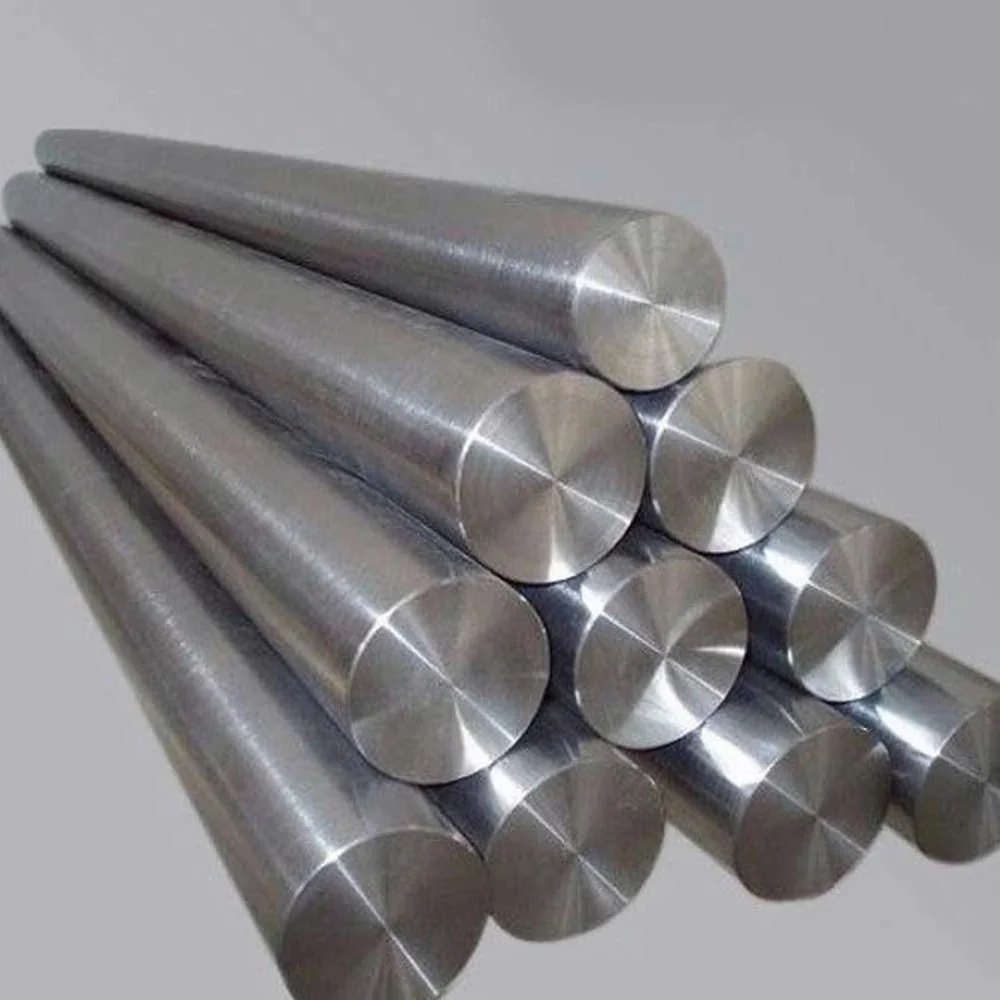
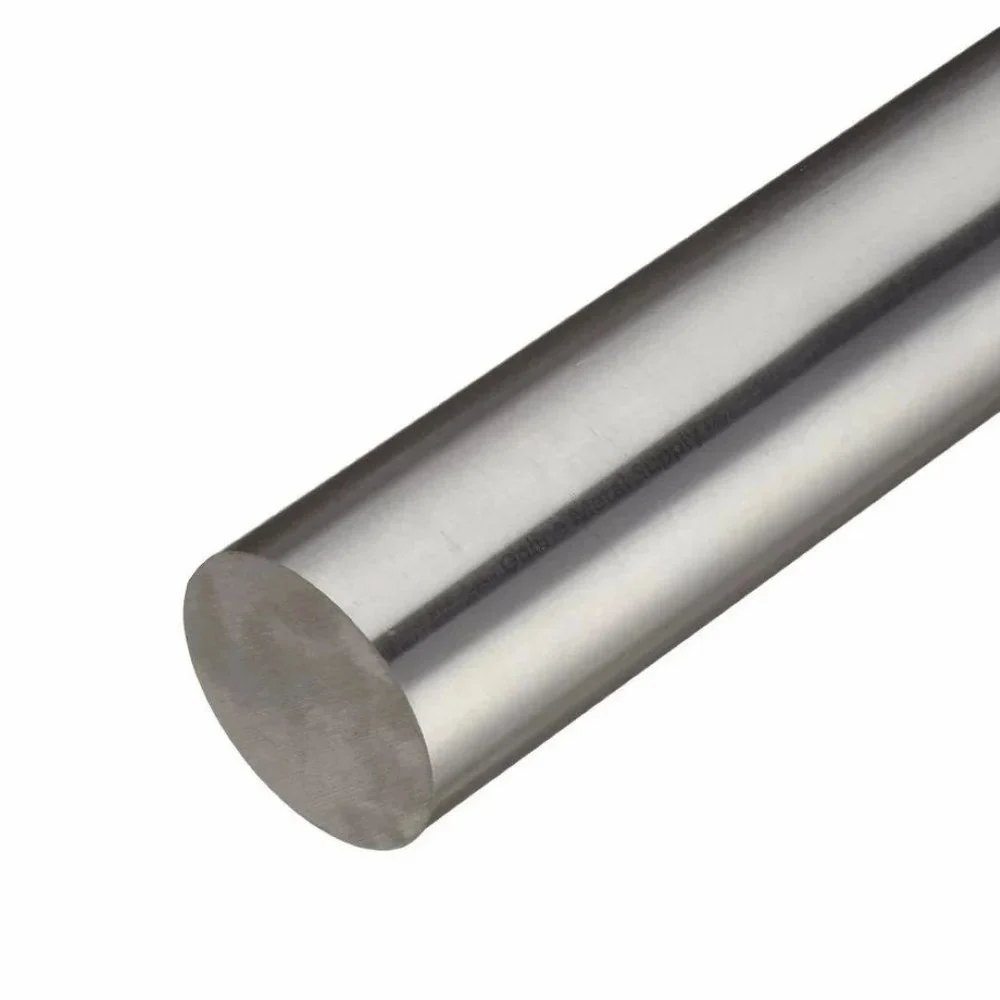
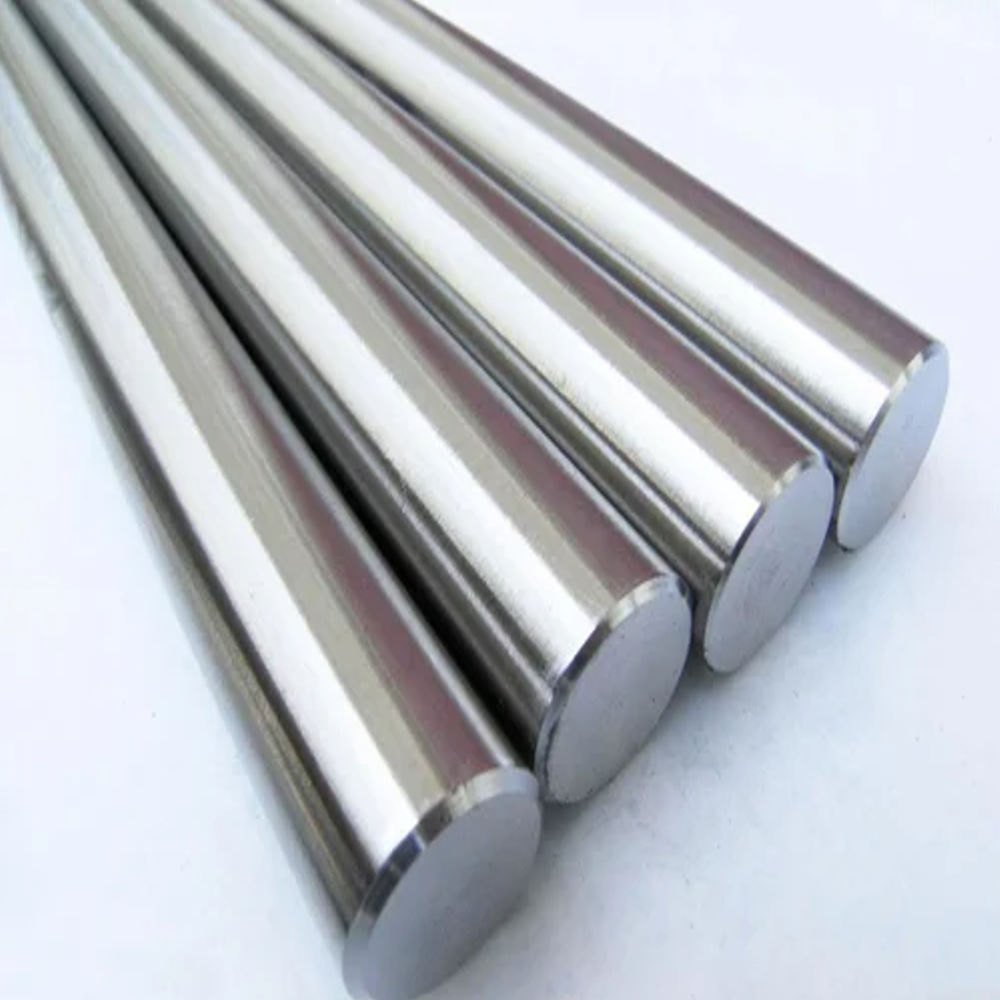
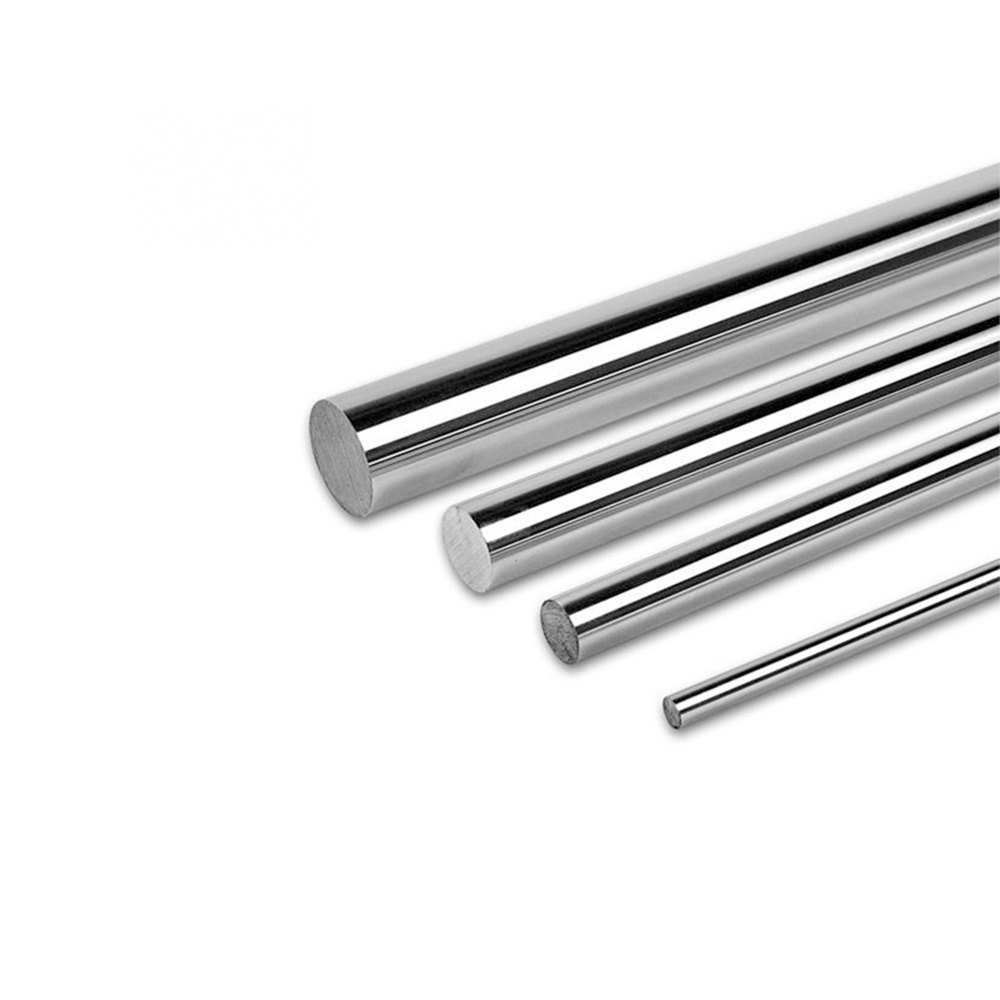
Hastelloy N bar is a Nickel Chromium Molybdenum alloy with marked features of high-temperature oxidation and corrosion resistance. This particular alloy has been developed for use in areas with severe working conditions, making it perfect for industries. It is not hydrocarbon and possesses high tensile strength to withstand heat and chemical action, making it suitable for chemically and thermally demanding applications where performance and reliability are critical.
Outstanding Performance in Extreme EnvironmentsHastelloy N Bars are engineered to excel in challenging conditions, especially those involving corrosive molten salts and highly oxidative acids. Their robust composition and solution annealed heat treatment ensure long-lasting durability even at high temperatures, making them indispensable in sectors like nuclear energy, chemical processing, and aerospace.
Customizable Specifications and FinishesEvery project demands specific dimensions, finishes, and packaging. With Hastelloy N Bars, customers can request custom diameters (10mm to 200mm), lengths (up to 6 meters), and any desired surface finish-bright, polished, or tailor-made per order. Secure wooden packaging with end capping guarantees safe delivery to your location.
Versatility Across ApplicationsThese bars are not only suitable for high-temperature and corrosive environments but also provide excellent machinability, ensuring seamless integration into welding and fabrication tasks. Their superior mechanical properties and corrosion resistance translate into dependable performance across multiple industries.
FAQ's of Hastelloy N Bars:
Q: How are Hastelloy N Bars typically used in industry?
A: Hastelloy N Bars are primarily used in environments that demand excellent corrosion resistance, such as nuclear reactors, chemical processing equipment, aerospace components, welding applications, and high-temperature service parts. Their robust characteristics make them ideal for both structural and fabrication needs.
Q: What are the benefits of the different surface finishes available for Hastelloy N Bars?
A: Surface finishes such as bright, polished, or custom options enhance the bar's appearance and may improve resistance to oxidation or contamination. Polished finishes are often selected for aesthetic and hygienic applications, while custom finishes can be tailored to meet unique project specifications.
Q: When should Hastelloy N Bars be selected over other alloys?
A: Hastelloy N Bars are recommended when applications involve exposure to molten salts, fluoride environments, or oxidizing acids-conditions where conventional alloys may fail. Their excellent thermal stability, high strength, and superior corrosion resistance make them preferable for demanding engineering tasks.
Q: What is the process for manufacturing these bars to meet ASTM B574 standards?
A: These bars are produced using solution annealing, followed by precise forming and finishing to achieve the desired mechanical properties and surface quality. Rigorous testing and adherence to ASTM B574 ensure each bar meets strict industrial requirements and customer specifications.
Q: Where can custom-sized Hastelloy N Bars be sourced or exported?
A: Hastelloy N Bars are available from reputable exporters, importers, manufacturers, suppliers, and traders globally. Custom sizes can be ordered directly from manufacturers or distributors, with delivery available to most regions and industries worldwide.
Q: How does packaging ensure the safe transportation of Hastelloy N Bars?
A: To prevent damage during shipping, Hastelloy N Bars are typically packaged in sturdy wooden boxes with end capping. Packaging can be further customized according to customer requirements, ensuring optimal protection against environmental factors and mechanical impacts.
Q: What advantages do these bars offer in high-temperature or corrosive environments?
A: Hastelloy N Bars provide excellent strength and resistance to corrosion at elevated temperatures, maintaining their mechanical properties in aggressively corrosive environments. This results in longer service life, reduced maintenance, and heightened reliability for mission-critical equipment.





 Send Inquiry


 Send Inquiry
 Send Inquiry
 Send SMS
 Call Me Free


