Inconel 600 Electrodes About
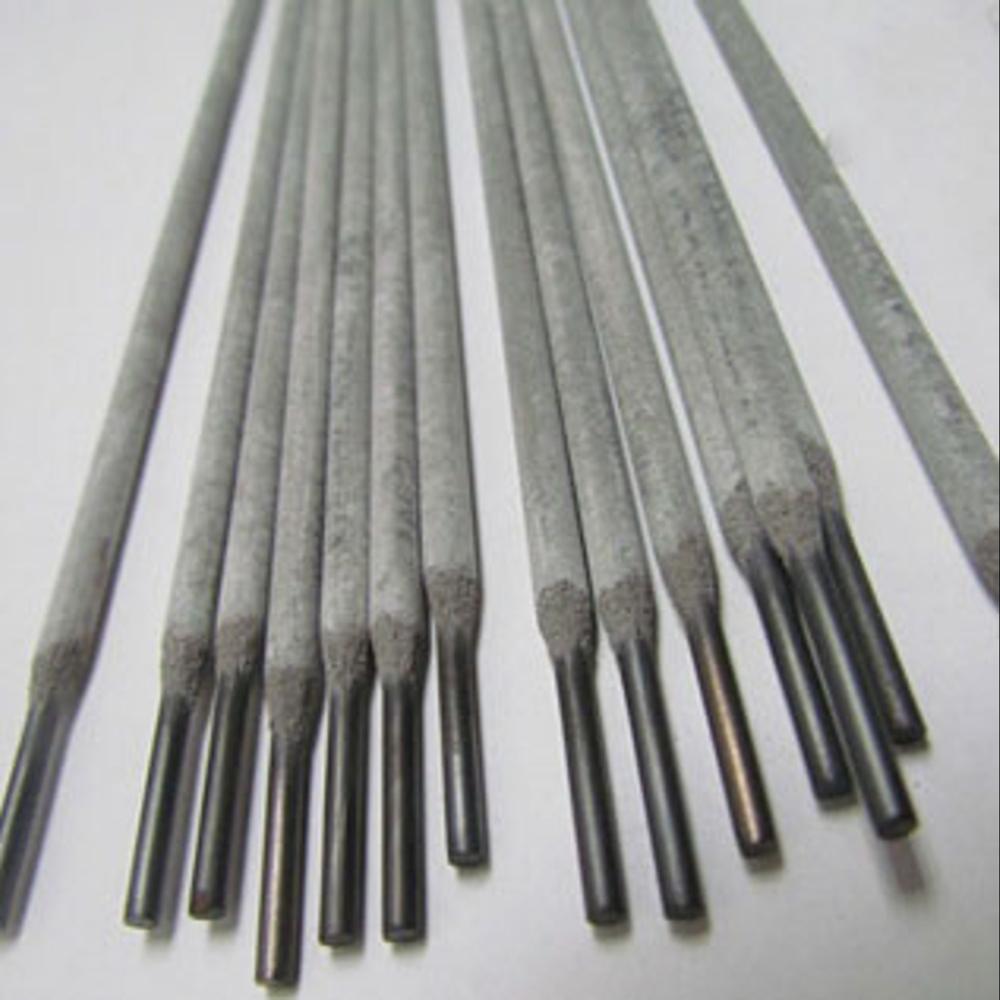
Inconel 600 Electrodes are composed of a combination of nickel, chromium, iron, and other alloying elements. The main component in the structure is nickel, providing properties such as exceptional corrosion resistance. Other components like chromium are used to increase resistance to oxidation and corrosion while maintaining good mechanical strength and being particularly resistant to carburization. The additional alloying elements combined with the base metals make Inconel 600 electrodes highly resistant to heat, oxidation, and corrosion, which makes them more commonly found in high-temperature applications that require greater heat tolerance.
600 Inconel
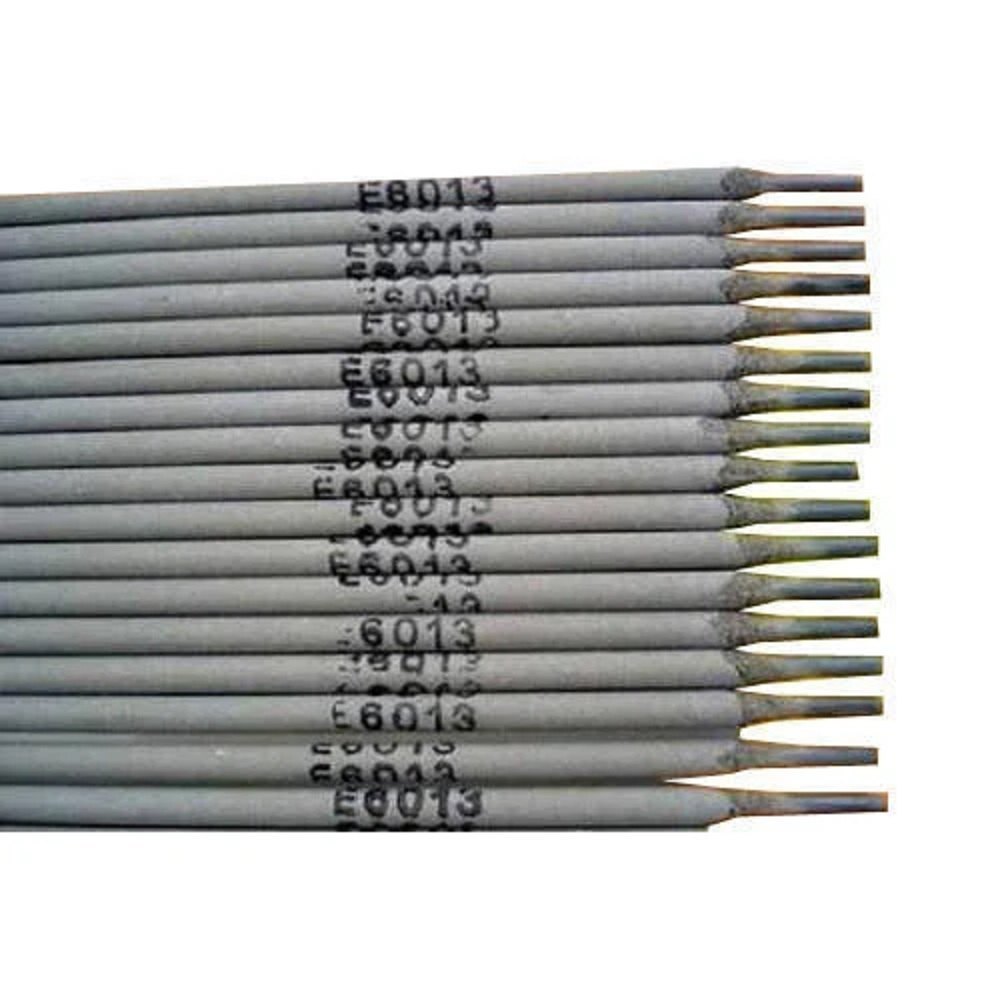
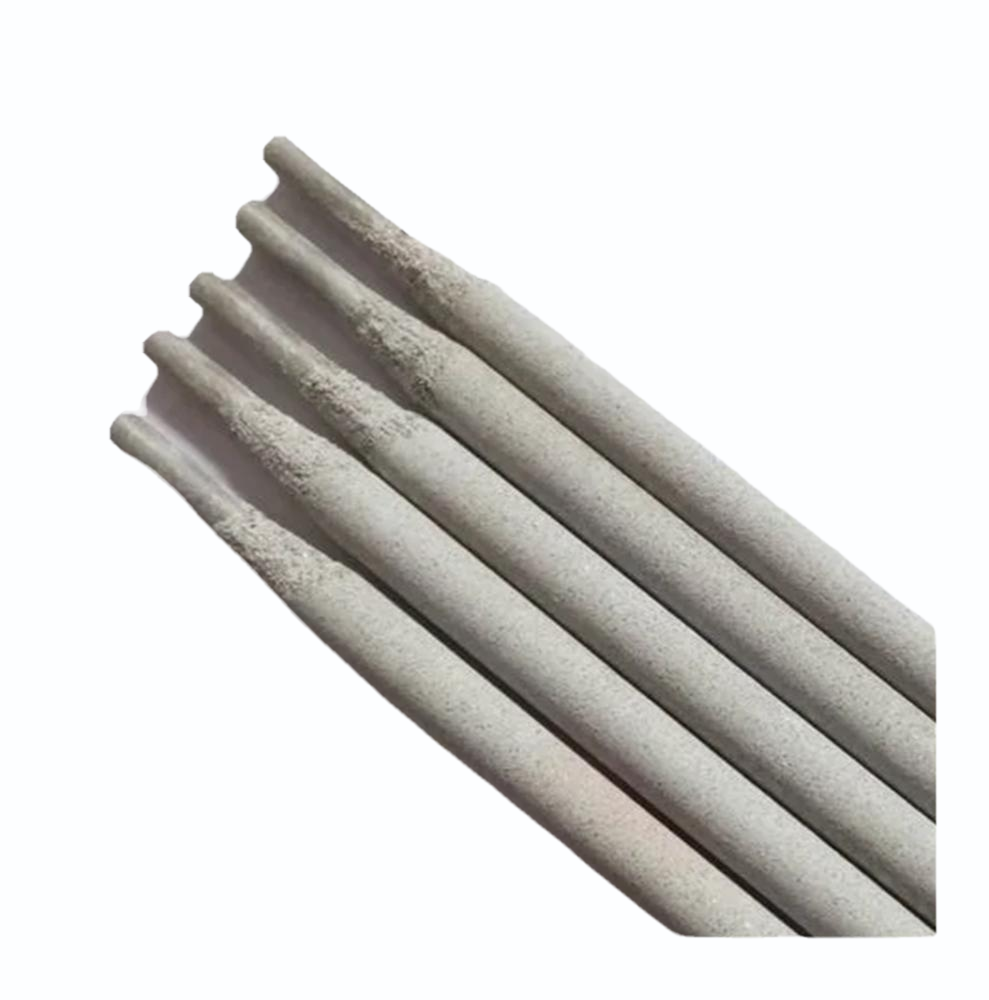
All-Position Welding VersatilityThese Inconel 600 Electrodes allow welders to operate efficiently in any position-flat, vertical, overhead, or horizontal. Their titania-based rutile coating ensures stable arc control and smooth weld bead formation, whether you're working with AC or DC current. This versatility makes them ideal for complex structures or repairs requiring precise control and adaptability in challenging field conditions.
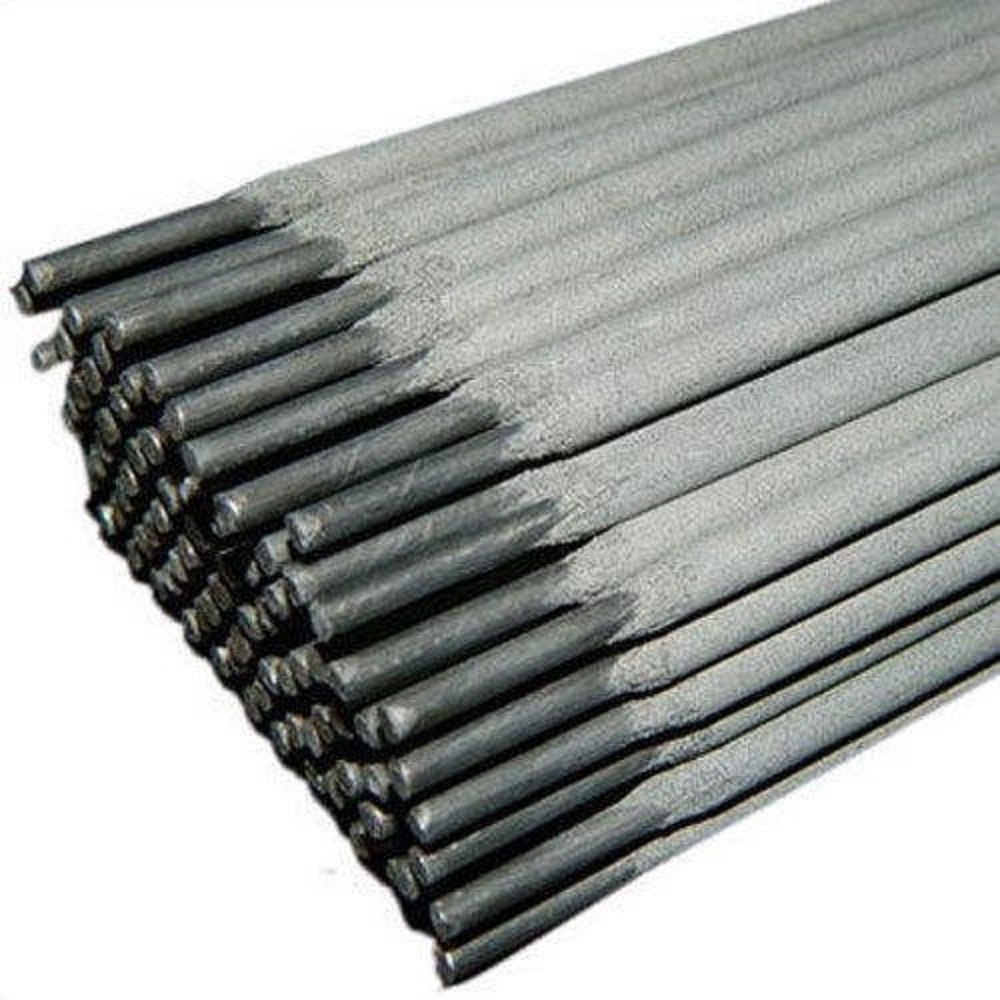
Outstanding Corrosion and High-Temperature ResistanceEngineered from a nickel-chromium-iron alloy core and a durable flux coating, these electrodes excel in extreme environments. With a melting point of approximately 1350C-1413C, they resist oxidation, scaling, and corrosion in chemical processing, marine, heat exchangers, and power generation industries-greatly extending component lifecycle and reducing maintenance downtime.
Compliant Packaging and Shelf LifeEach batch is packed in sealed carton boxes weighing 5 kg, 10 kg, or as per custom requirements to preserve quality and prevent moisture ingress. With a shelf life of 36 months, these electrodes remain reliable for extended storage, ensuring consistent performance whenever needed for critical industrial welding projects.
FAQ's of Inconel 600 Electrodes:
Q: How are Inconel 600 Electrodes with rutile coating used in welding applications?
A: These electrodes are primarily employed for welding Inconel 600, related nickel-chromium alloys, dissimilar metal joints, and components in chemical, petrochemical, power, and marine sectors. Their rutile-based coating enables smooth operation across all positions and power sources (AC/DC).
Q: What benefits do these electrodes provide in high-temperature and corrosive environments?
A: The Inconel 600 core, combined with advanced flux coating, offers excellent resistance to oxidation and corrosion at temperatures up to 1413C, making them particularly effective for applications in chemical processing, heat exchangers, and nuclear facilities.
Q: When should I choose rutile (titania-based) coated Inconel 600 electrodes over basic or other coated types?
A: Rutile-coated types are preferable when ease of use, smooth arc, low spatter, and excellent slag removal are required, especially in applications demanding flexibility for various welding positions and approachable learning curves for operators.
Q: Where are these electrodes most commonly applied?
A: They are widely used in sectors such as chemical processing, power generation, refineries, marine engineering, and nuclear plants-where resistance to harsh chemicals and high operating temperatures is vital.
Q: What is the standard process for storing and preserving the quality of these electrodes?
A: Store the electrodes in their original, sealed carton boxes in a dry and sheltered area. The sealed packaging protects against moisture, ensuring a 36-month shelf life and consistent welding performance.
Q: How does the electrode core composition enhance weld performance?
A: The nickel-chromium-iron alloy core facilitates strong, ductile welds with minimal cracking or porosity, even when joining dissimilar metals or operating in thermally fluctuating environments.
Q: What are the available sizes, and can custom dimensions be requested?
A: Standard diameters are 2.5mm, 3.2mm, 4.0mm, and 5.0mm. Custom sizes and packing options are also available to accommodate specific project requirements.





 Send Inquiry


 Send Inquiry
 Send Inquiry
 Send SMS
 Call Me Free


