Inconel 600 Flanges About
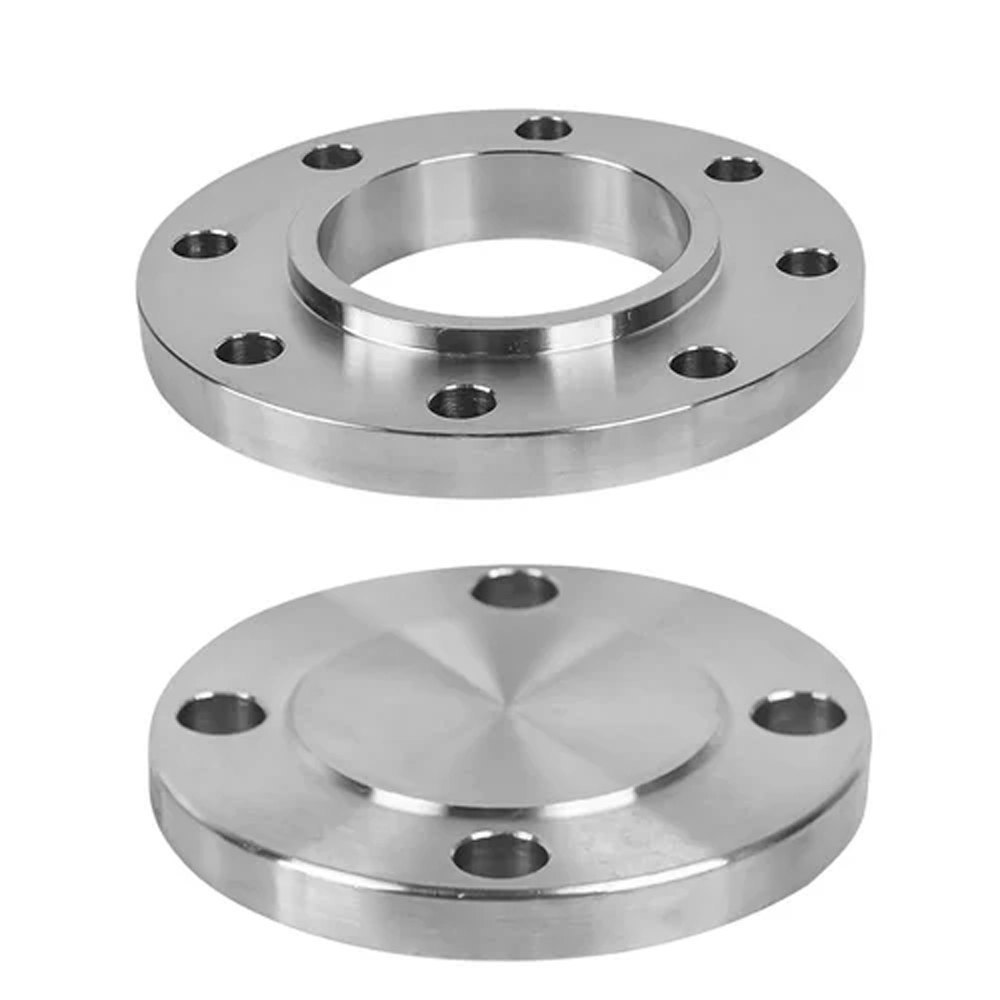
Inconel 600 Flanges are forged from UNS N06600, a nickel-chromium alloy with around 72% nickel, 14 to 17% chromium, and 6 to 10% iron. The high nickel content makes it highly resistant to chloride stress corrosion cracking and a wide range of reducing environments. Chromium adds protection against oxidation and sulphur compounds at high temperatures. These flanges perform reliably from cryogenic service up to approximately 1093C. They conform to ASTM B564 for material and ASME B16.5 for dimensions. Heat treatment, chemical processing, nuclear engineering, and aerospace are regular users.
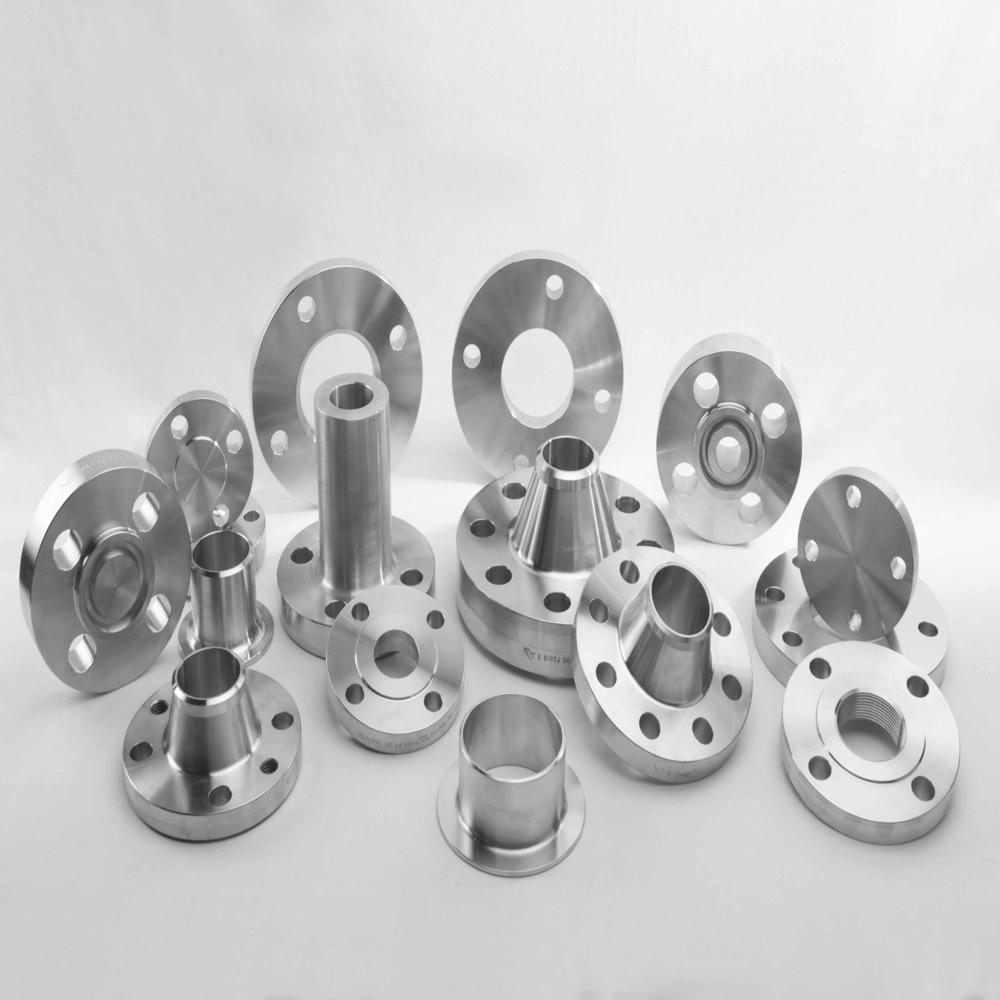
Wide Range of Sizes and Pressure RatingsInconel 600 flanges are available in a comprehensive size range from 1/2" NB to 24" NB, with custom dimensions readily manufactured on request. Users can select pressure ratings from 150# through 2500#, making these flanges adaptable for light to extremely high-pressure environments. Their broad adaptability ensures suitability for a variety of demanding industrial installations.
Outstanding Corrosion and Temperature ResistanceThanks to their nickel-chromium alloy composition, Inconel 600 flanges provide exceptional resistance to both oxidizing and reducing environments. Rated for operations from -200C to 700C, these flanges hold up under aggressive chemical exposures and significant temperature fluctuations, making them ideal for chemical processing, marine environments, and power generation plants.
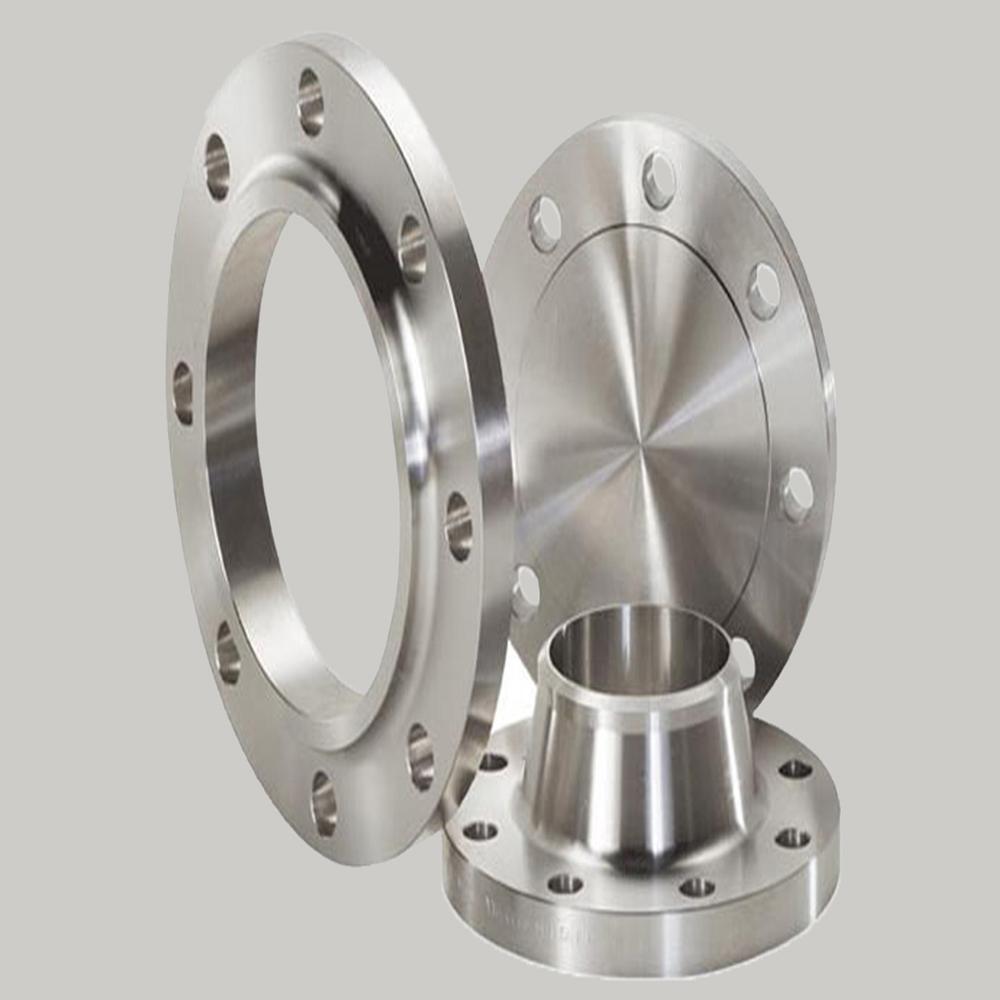
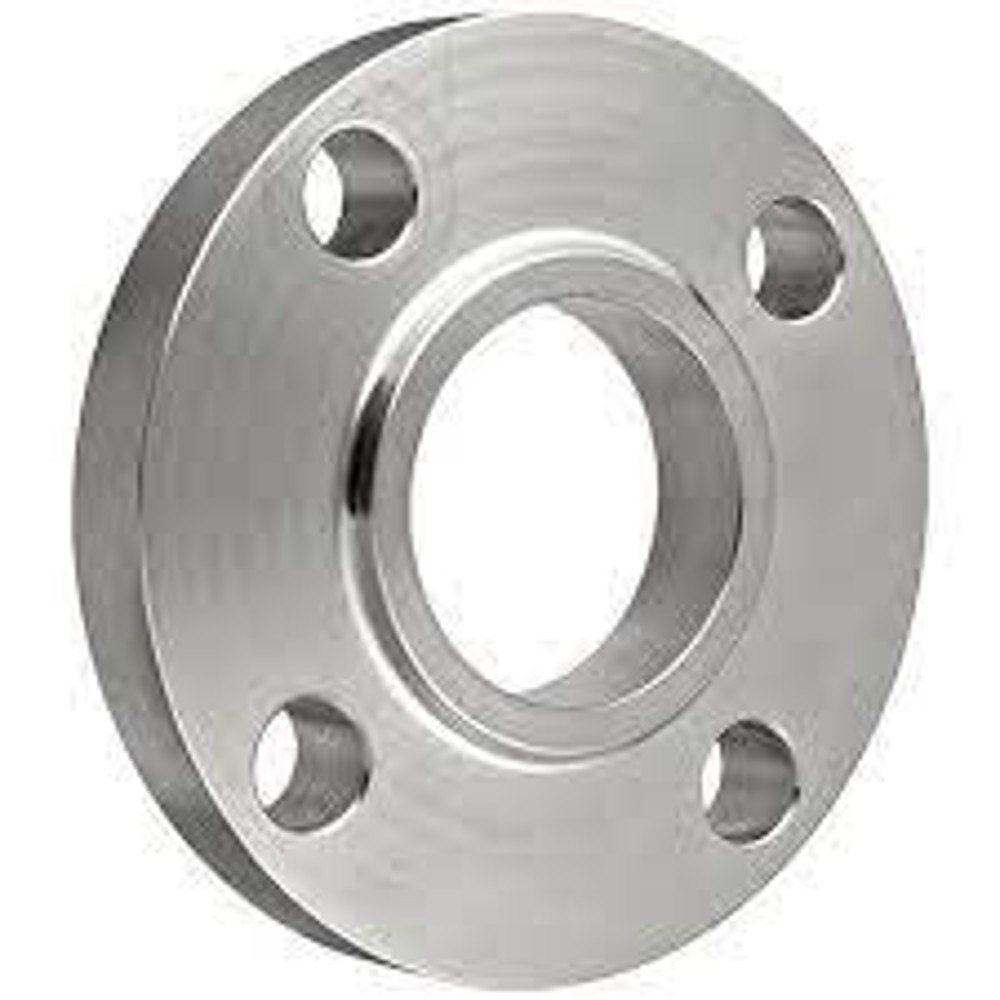
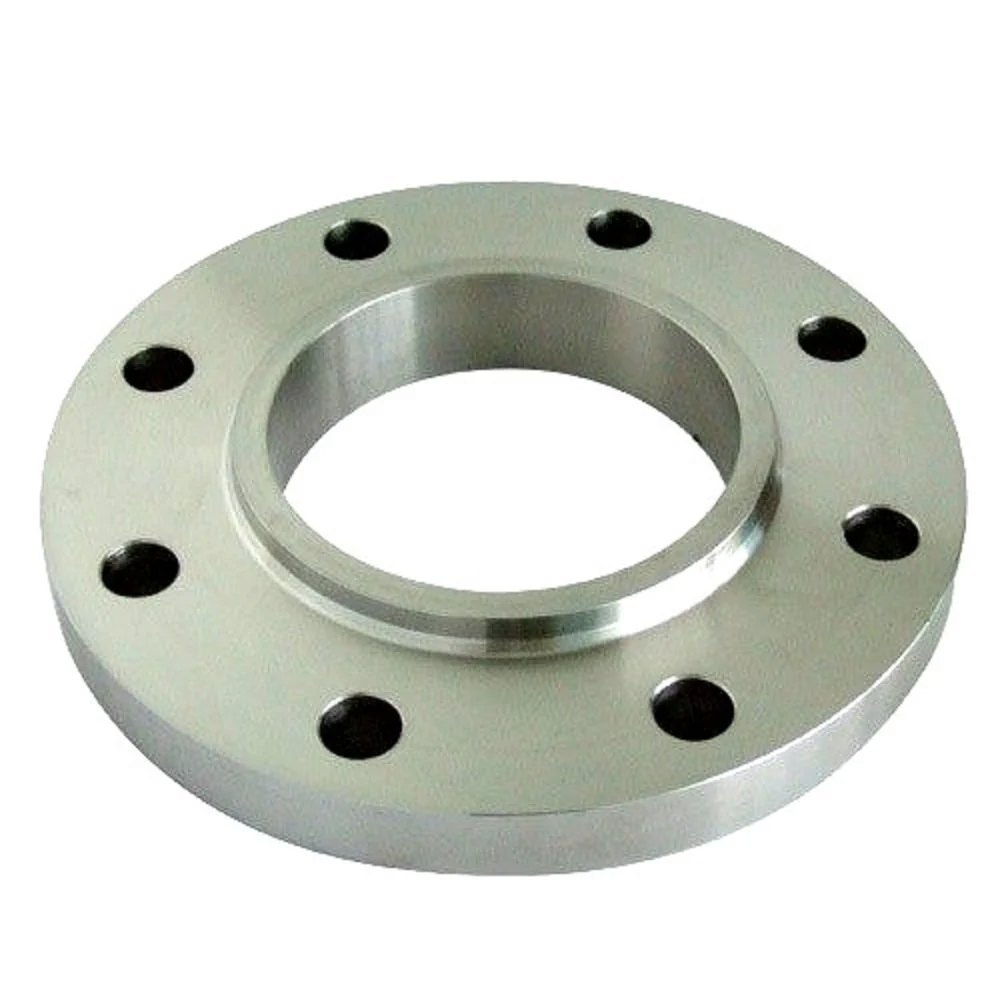
Multiple Connection Types and Face FormsThe product range supports several connection methods-including butt weld, threaded, and socket weld-offering flexibility during installation. Users can also opt for various face types such as Raised Face (RF), Flat Face (FF), and Ring Type Joint (RTJ), allowing for optimal compatibility with different piping systems and gasket requirements.
FAQ's of Inconel 600 Flanges:
Q: How do Inconel 600 flanges perform in extreme temperatures?
A: Inconel 600 flanges are designed to maintain mechanical strength and stability across a wide temperature range from -200C to 700C. Their nickel-chromium composition ensures reliable performance in both cryogenic and high-temperature environments, making them suitable for heat exchangers and thermal processing equipment.
Q: What industries benefit most from using Inconel 600 flanges?
A: Industries such as petrochemical, power generation, chemical processing, marine, oil and gas, and applications involving valves and pumps gain significant benefits from Inconel 600 flanges. The alloy's excellent corrosion and oxidative resistance extend equipment lifespan where harsh chemicals or saline conditions are present.
Q: When should I use a raised face (RF) versus a ring type joint (RTJ) flange?
A: A raised face (RF) flange is commonly used where higher sealing efficiency and general-purpose applications are necessary. Conversely, a ring type joint (RTJ) flange is preferred for high-pressure and high-temperature environments, as it offers superior sealing performance through metal-to-metal contact and gasket compression.
Q: What is the process for manufacturing Inconel 600 flanges?
A: These flanges are typically manufactured through forging, followed by heat treatment and precision machining. Each flange is produced to meet standards such as ASTM B564 and ASME SB564, ensuring reliable mechanical properties and dimensional accuracy. All items are supplied with relevant test certificates as per EN 10204 3.1 or 3.2.
Q: Where are custom sizes or thickness specifications available?
A: Custom sizes and thicknesses can be manufactured according to client requirements. These bespoke flanges adhere to international standards, ensuring they meet the same quality and performance expectations as standard products. Consult your manufacturer or supplier for specific customization inquiries.
Q: What is the advantage of choosing Inconel 600 flanges with a serrated finish?
A: A serrated finish on the flange face provides improved gasket grip, enhancing sealing integrity under pressure and thermal cycling. This feature is particularly beneficial in applications with frequent pressure fluctuations or where leak prevention is critical.





 Send Inquiry


 Send Inquiry
 Send Inquiry
 Send SMS


