Inconel 600 Instrumentation Fittings About
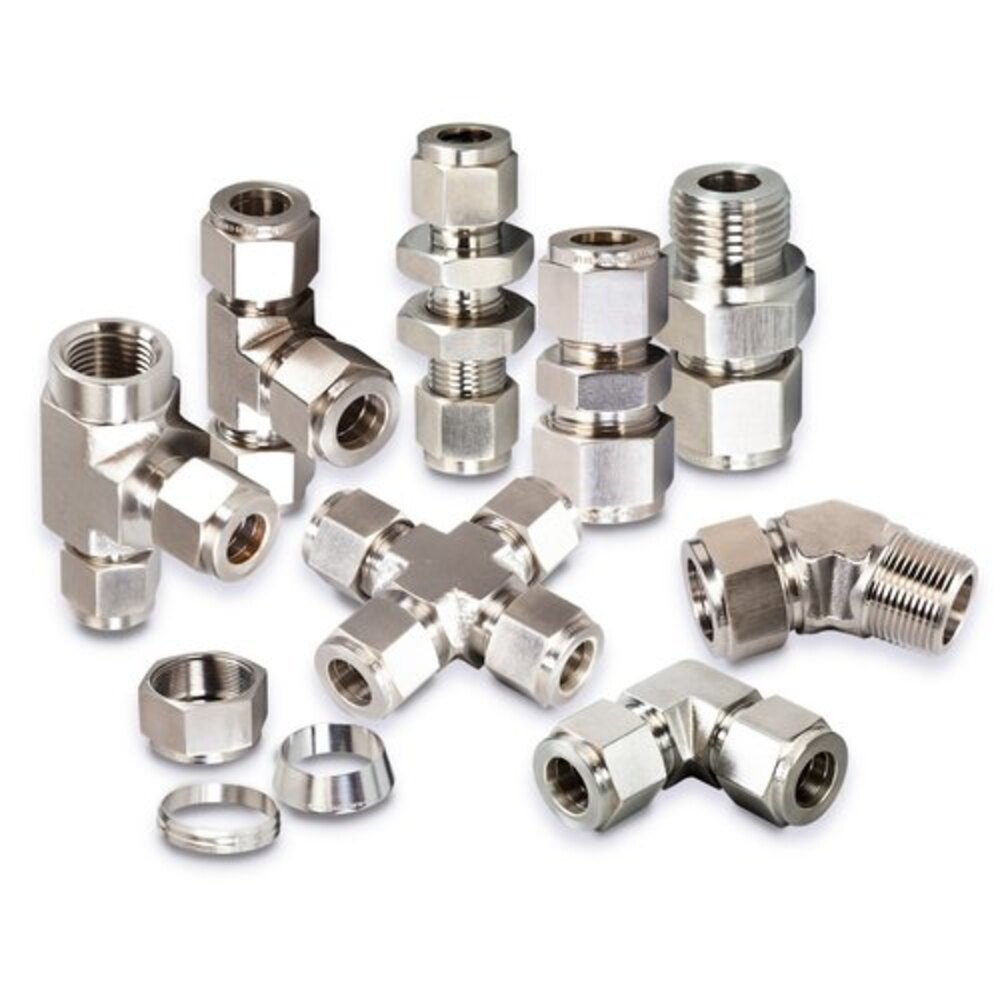
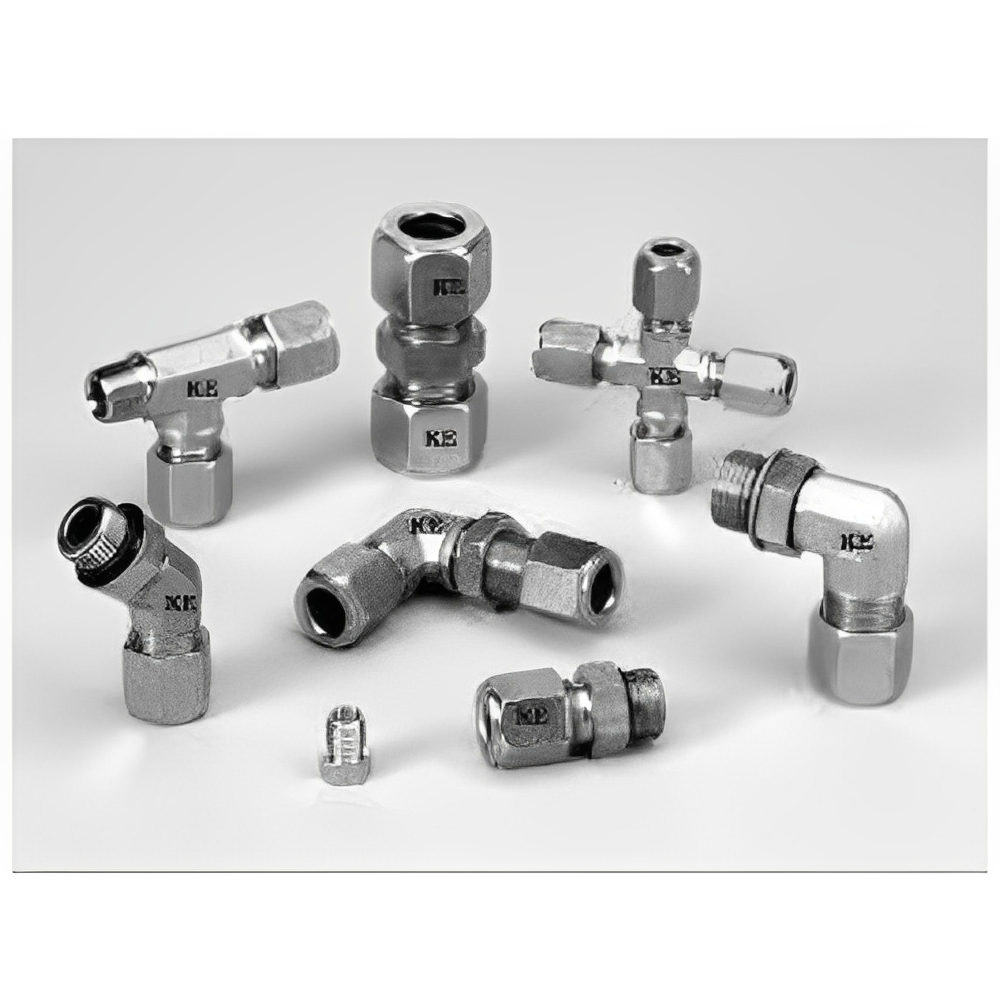
Inconel 600 Instrumentation Fittings are composed of a combination of chromium and nickel, making them highly resistant to heat and corrosion. The fittings also contain other elements like molybdenum, manganese, steel, silicon, and sulfur for increased strength and durability. This impressive chemical composition makes Inconel 600 ideal for oil and gas industry instrumentation applications. To withstand temperatures ranging from cryogenic to over 2000F, Inconel 600 is often found in furnaces, power plants, and aerospace engineering. Its versatility makes it an excellent choice when accuracy and reliability are a must.
Superior Corrosion & Temperature ResistanceInconel 600 instrumentation fittings withstand the harshest environments, thanks to their outstanding resistance to oxidation and corrosion. Suitable for temperatures as low as -196C and as high as 815C, they perform reliably in critical applications where lesser materials might fail, ensuring safety and durability even in corrosive or high-pressure systems.
Engineered for Leak-Proof PerformanceWith gas-tight and bubble-tight sealing, every fitting undergoes rigorous helium leak and hydrostatic testing. This attention to quality control guarantees absolute containment of fluids and gases, making these fittings ideal for instrumentation lines, analytical systems, and applications where integrity is paramount.
Global Standards & Versatile ApplicationsManufactured under ASTM B366, ASME SB366, DIN, JIS, EN, ANSI, and BS standards, these fittings are designed for a wide range of international applications. Their adaptability in connection types, sizes, and shapes-combined with excellent service life-makes them a smart investment for chemical, petrochemical, oil & gas, and power generation sectors.
FAQ's of Inconel 600 Instrumentation Fittings:
Q: How are Inconel 600 Instrumentation Fittings typically used in industrial applications?
A: These fittings are utilized in critical and corrosive environments such as chemical processing plants, petrochemical facilities, power generation units, oil & gas pipelines, and analytical instrumentation lines. Their robust construction and resistance to high temperatures and corrosion make them ideal for connecting tubes and pipes where reliability and safety are crucial.
Q: What connection types are available for Inconel 600 fittings, and when should each be used?
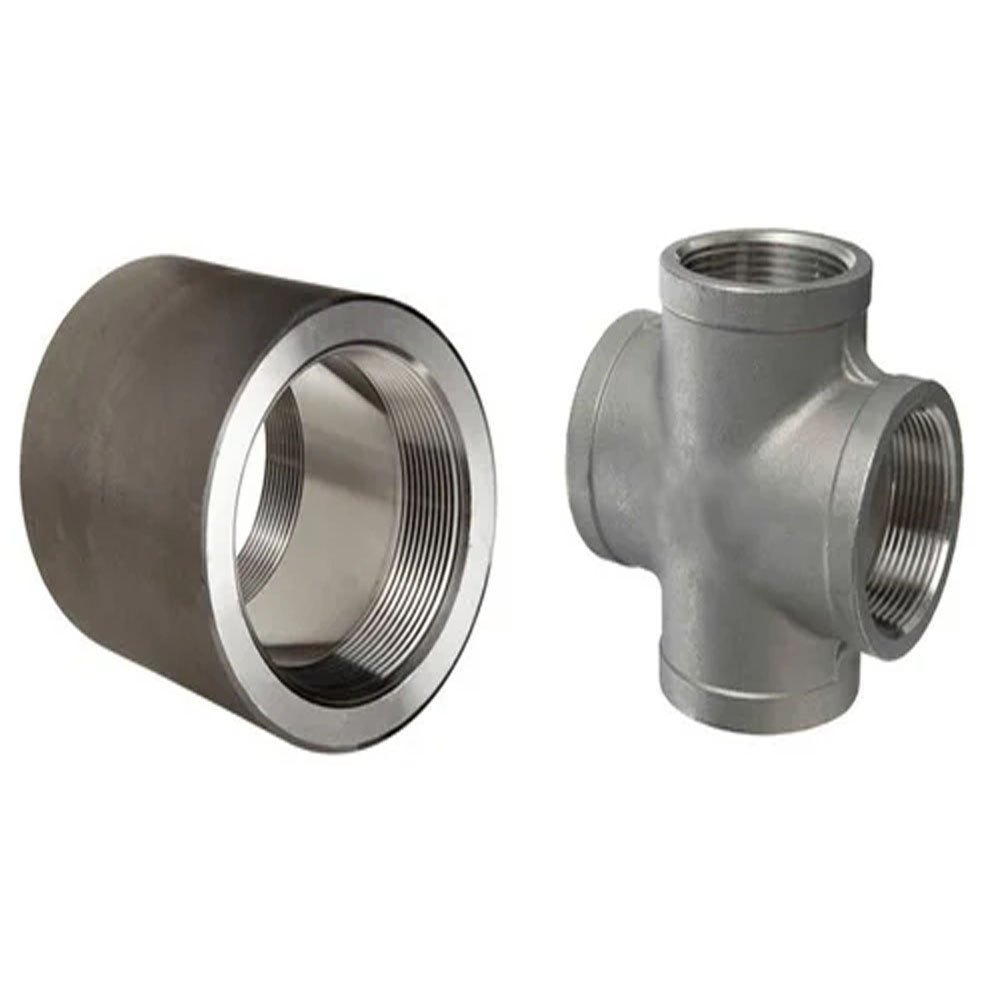
A: Inconel 600 fittings are offered in threaded (NPT, BSP, BSPT, Metric, UNF), compression, and welded connections. Threaded and compression types are suited for easy installation and maintenance, while welded fittings provide maximum strength and integrity in permanent setups where leaks are unacceptable.
Q: What is the maximum operating pressure and temperature range for these fittings?
A: These instrumentation fittings are rated for continuous operation at pressures up to 6000 psi (420 bar) and withstand temperatures between -196C and 815C, making them suitable for both cryogenic and high-temperature applications.
Q: How is leak-proof performance ensured during manufacturing?
A: Every fitting is subjected to helium leak testing and hydrostatic testing to ensure gas-tight and bubble-tight sealing. Rigorous quality checks throughout production guarantee reliable and leak-proof performance, critical for instrumentation and process control applications.
Q: What markings are provided on Inconel 600 fittings for traceability?
A: Each fitting is marked with the fitting size, material grade, heat number, and pressure rating as per industry standards, facilitating traceability and quality assurance in critical installations.
Q: Where can custom sizes or special shapes be ordered?
A: Custom sizes, shapes, and thicknesses can be requested directly from manufacturers, exporters, or suppliers. The fittings can be produced to meet specific dimensional and configuration requirements for unique system designs or upgrades.
Q: What are the main benefits of using Inconel 600 instrumentation fittings?
A: Key benefits include exceptional resistance to corrosive environments, broad temperature and pressure suitability, long service life, international standards compliance, and reliable leak-proof performance. Their adaptability in size and connection types further enhances versatility for demanding industrial applications.





 Send Inquiry


 Send Inquiry
 Send Inquiry
 Send SMS


