Inconel 601 Valves About
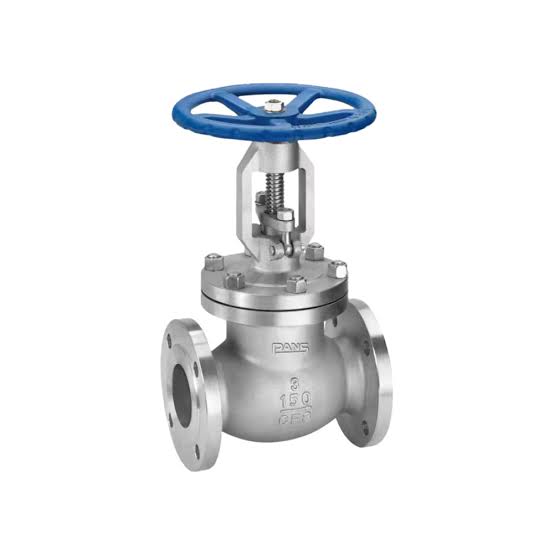
Inconel 601 valves are a special kind of valve that contains nickel and chromium alloy and has several characteristics like excellent high temperature oxide. The Inconel 601 valves provide excellent hard layer resistant features withstand both carburization as well as sulfur and are extremely suitable for high temperature and complicated corrosive applications and thermal shock frequently.
Versatile Temperature and Pressure HandlingInconel 601 valves are meticulously engineered to maintain structural integrity from cryogenic -196C up to extreme 1200C environments. Their pressure ratings span from Class 150 to Class 2500, ensuring reliable performance in both low and high-pressure systems across numerous industries.
Comprehensive Material and Design StandardsManufactured in compliance with international standards such as API, ASTM, ASME, BS, DIN, and JIS, these valves offer consistent quality and safety. Material traceability and rigorous testing-hydrostatic and pneumatic-are conducted as per API 598 and EN 12266, ensuring durability and operational excellence.
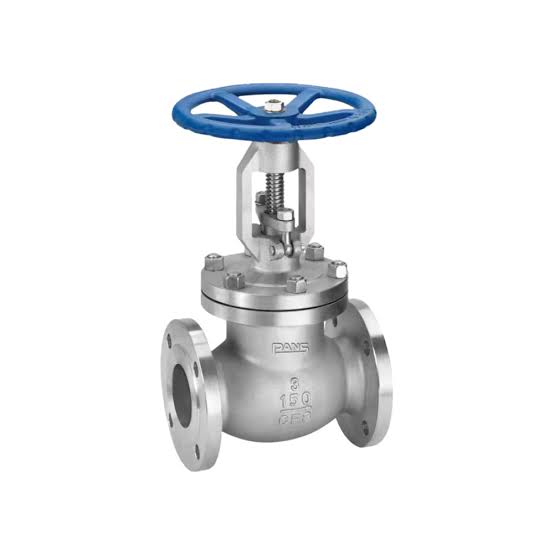
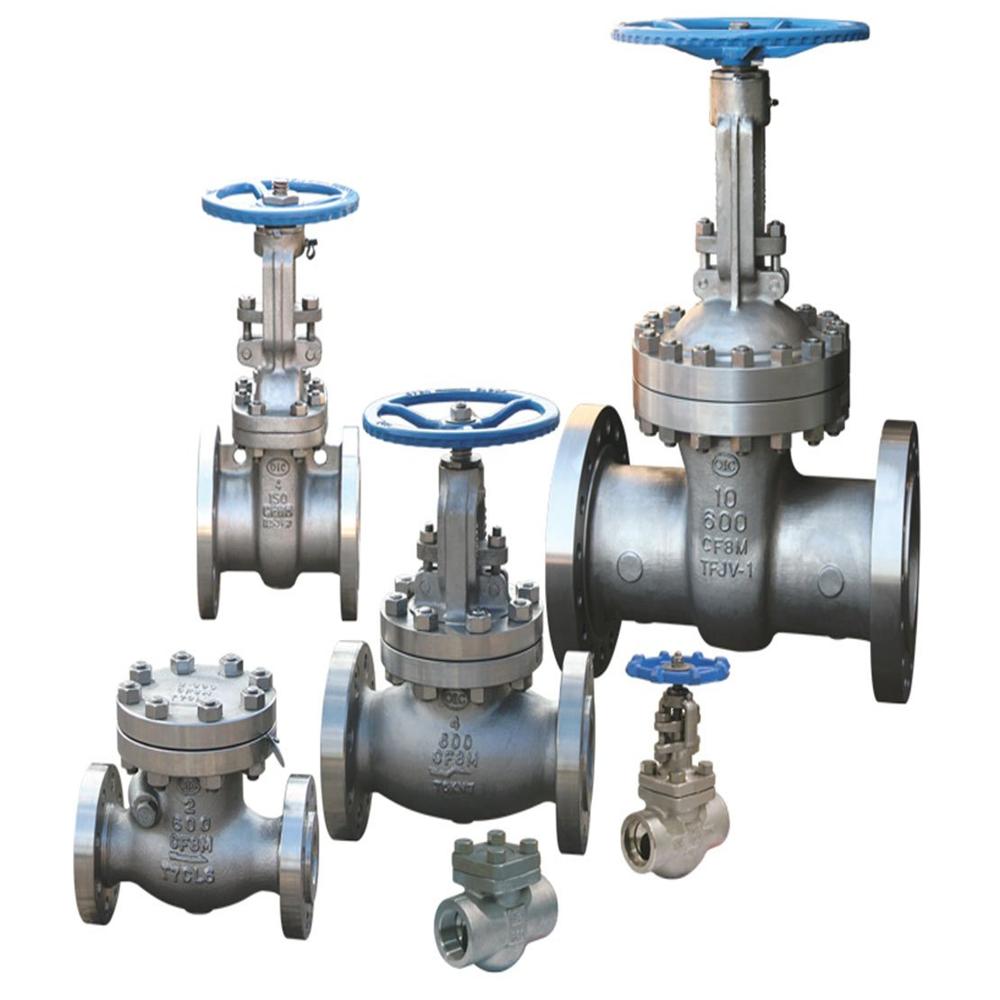
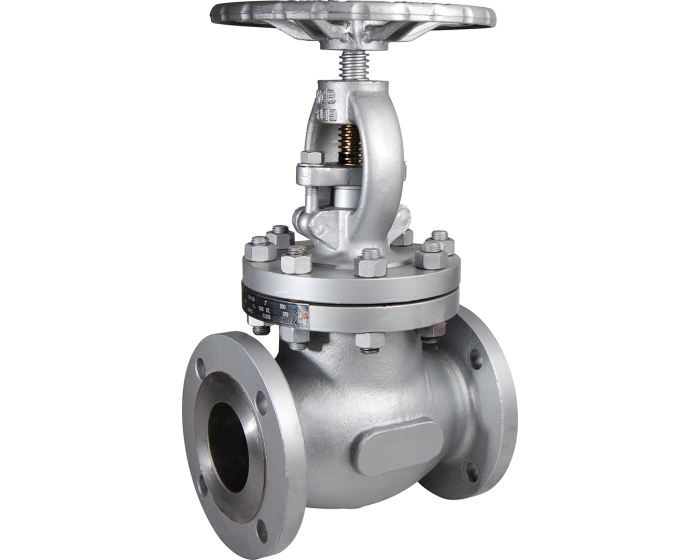
Flexible Connection and Operation OptionsChoose from flanged, screwed, butt weld, or socket weld end connections and a range of operating mechanisms including manual (handwheel), electric, pneumatic, or hydraulic actuation. This flexibility allows for easy integration and automation in diverse piping and process systems.
FAQ's of Inconel 601 Valves:
Q: How do Inconel 601 valves maintain performance across extreme temperatures?
A: Inconel 601 valves are crafted from a nickel-chromium-iron alloy (UNS N06601) known for its stability and oxidation resistance from -196C to 1200C. This material ensures the valves provide reliable flow control in both cryogenic and high-temperature processes.
Q: What industries benefit most from using Inconel 601 valves?
A: Industries such as chemical processing, power generation, heat treating, petrochemical, aerospace, and oil & gas benefit significantly from Inconel 601 valves due to their high corrosion resistance, pressure tolerance, and operational versatility.
Q: When are soft-seated versus metal-seated valves preferred for Inconel 601?
A: Soft-seated valves are preferred where bubble-tight shutoff is required and in less abrasive environments. Metal-seated valves are chosen for high-temperature, abrasive, or chemically aggressive conditions for enhanced durability and longevity.
Q: What end connection types are available for these valves, and where are they best used?
A: Inconel 601 valves offer flanged, screwed, butt weld, and socket weld end connections. Flanged and butt weld types are commonly used in high-integrity process systems, while screwed and socket weld are ideal for smaller pipelines and easier assembly.
Q: How are Inconel 601 valves tested for leakage and pressure integrity?
A: Every valve undergoes hydrostatic and pneumatic testing per API 598 or EN 12266. Leakage is verified to Class VI standards as per ANSI/FCI 70-2, ensuring strict adherence to international safety and performance requirements.
Q: What are the advantages of using Inconel 601 valves in corrosive or carburizing environments?
A: Their composition provides excellent resistance to oxidation and carburization, even at high temperatures, safeguarding process integrity and extending service life in harsh chemical and refinery applications.
Q: Can Inconel 601 valves be customized in size, thickness, and surface treatment?
A: Yes, these valves are available in sizes from DN 15 to DN 600 (1/2" to 24"), with custom thickness and surface treatments like shot blasting, pickling, or passivation, as specified by the application needs.





 Send Inquiry


 Send Inquiry
 Send Inquiry
 Send SMS


