Inconel 602 Plates About
The chemical composition of the Inconel 602 Plate is essential to consider when using this alloy. The primary elements in Inconel 602 are
nickel, chromium, and iron. Significant amounts of molybdenum, tungsten, cobalt, and manganese reinforce these elements. The ratio between each component determines the strength and temperature resistance level of the alloy. Additionally, carbon, phosphorus, and sulfur can also be found in smaller amounts of Inconel 602 Plate for further reinforcement. All the combined properties created by these elements create a high-performance alloy that is resistant to corrosion, oxidation, stress cracking, and pitting, which makes it an excellent choice for many manufacturing processes where temperature extremes or corrosive environments may be harsh conditions to work with.
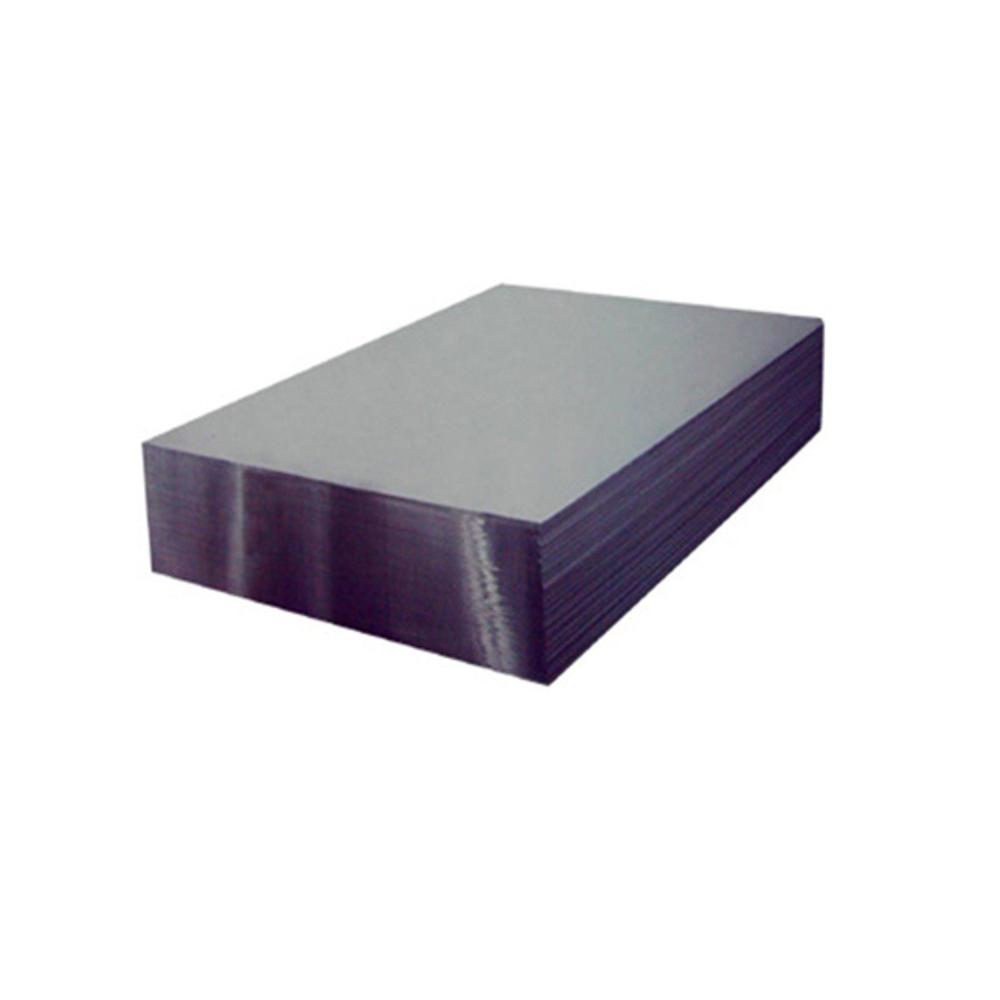
Superior High-Temperature PerformanceInconel 602 Plates are engineered to perform exceptionally in extreme heat, remaining stable and structurally sound up to 1200C. Their excellent oxidation resistance ensures prolonged service life in challenging environments like furnace linings and gas turbine parts, making them invaluable in industries demanding consistent high-temperature performance.
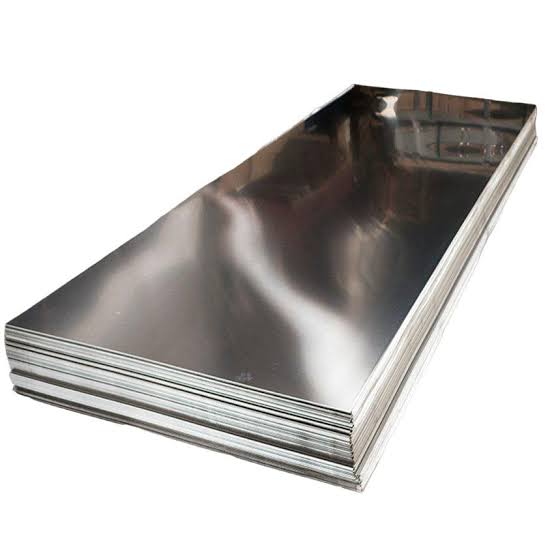
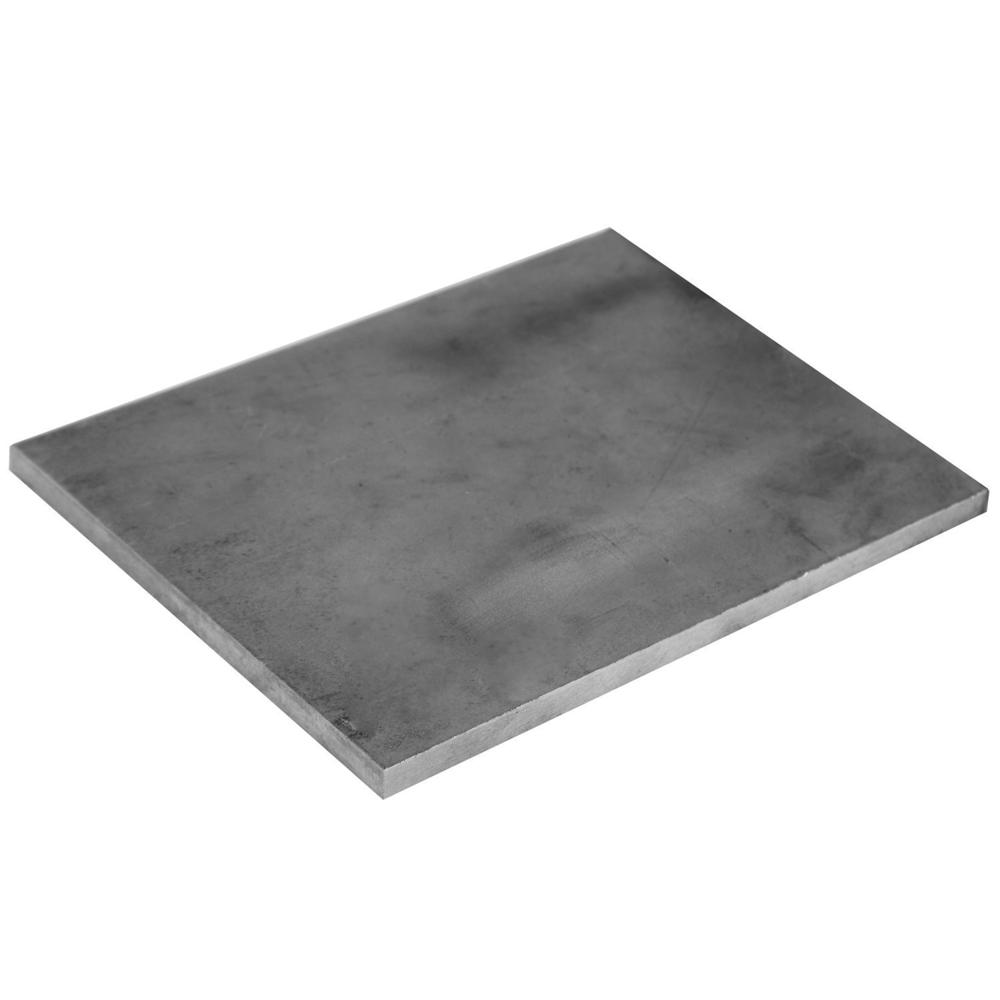
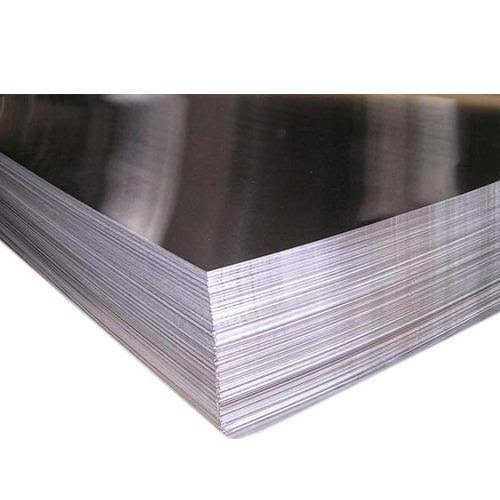
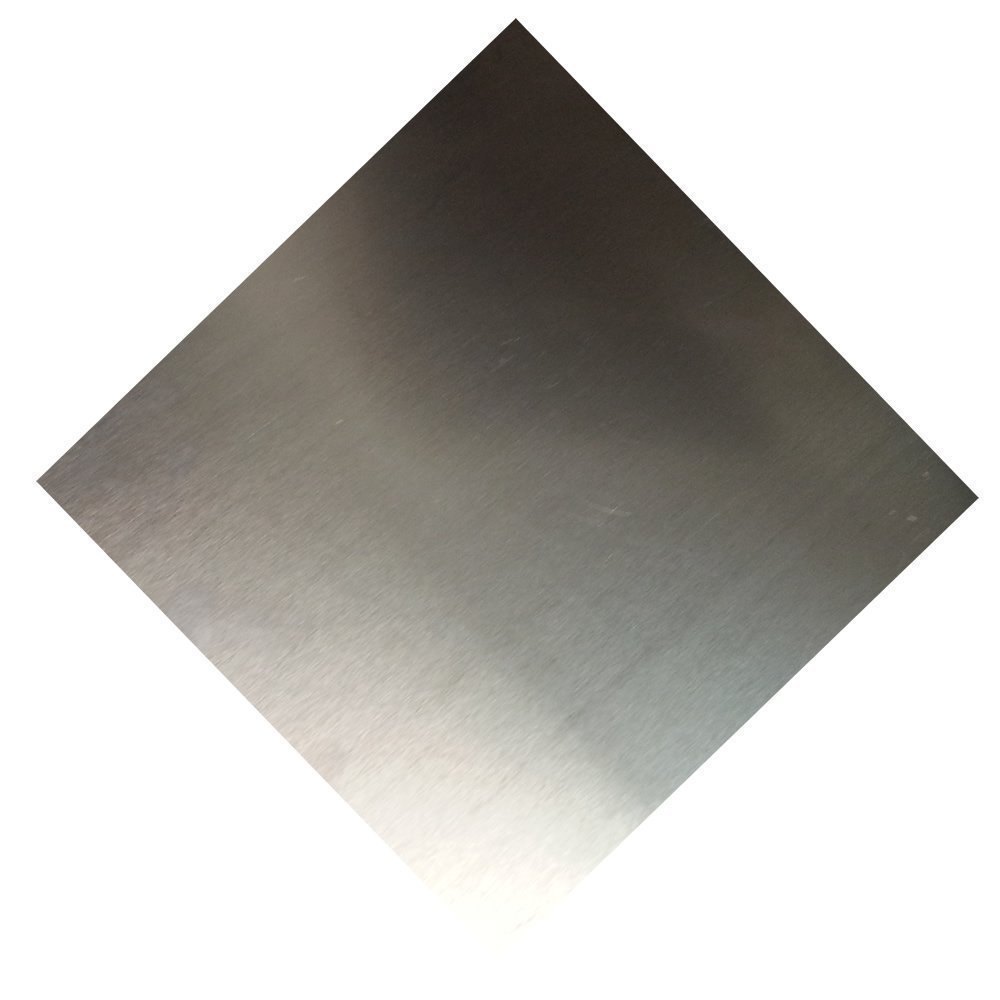
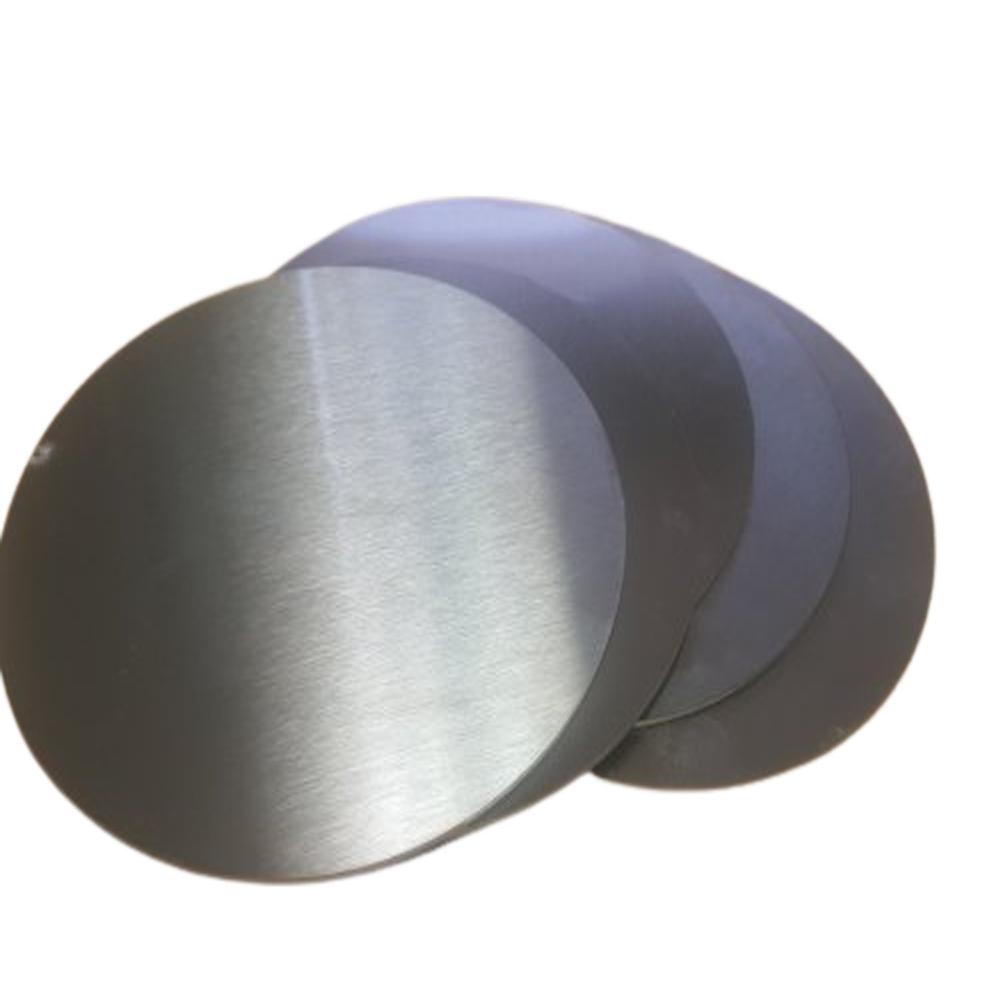
Versatile Finishes and Surface TreatmentsThese plates are offered in a selection of surface finishes, including mirror, matte, BA, 2B, No. 1, and No. 4, to suit varied aesthetic and functional requirements. Options for hot rolled, cold rolled, and polished treatments allow for customization based on specific project standards and application needs, ensuring both durability and visual appeal.
Precise Engineering and CustomizationAvailable in multiple thicknesses ranging from 0.5 mm to 60 mm and various standard or custom-cut dimensions, Inconel 602 Plates can be tailored to meet exact project specifications. With tight tolerances down to 0.02 mm and several edge types, these plates guarantee a precise fit for both new installations and replacements in diverse industrial applications.
FAQ's of Inconel 602 Plates:
Q: How are Inconel 602 Plates typically used in industrial applications?
A: Inconel 602 Plates are widely utilized in industries that require exceptional resistance to high temperatures and oxidation, such as furnace components, chemical processing equipment, gas turbine parts, and heat exchangers. Their robust material properties make them suitable for demanding operational environments.
Q: What are the standard finishes available for Inconel 602 Plates?
A: The plates can be supplied in various finishes, including mirror, matte, BA (Bright Annealed), 2B, No. 1, and No. 4, depending on application needs and visual or technical specifications. These finishes cater to both functional and aesthetic preferences.
Q: When is it advisable to choose Inconel 602 over other nickel-chromium alloys?
A: Inconel 602 is recommended when superior resistance to oxidation, high mechanical strength, and performance in temperatures up to 1200C are crucial. Its unique chemical composition makes it ideal for extreme service conditions that exceed the capabilities of standard alloys.
Q: Where can custom-cut Inconel 602 Plates be sourced?
A: Custom-cut plates are available through exporters, importers, manufacturers, suppliers, and traders specializing in high-performance alloys. Both standard and made-to-order dimensions can be obtained to fit unique project requirements.
Q: What processes are involved in the production of Inconel 602 Plates?
A: Production involves hot rolling or cold rolling techniques, followed by surface treatment such as polishing, annealing, or finishing to achieve the desired specifications. Edges can be mill, sheared, slit, or round based on customer requirements.
Q: How does the material's heat resistance benefit end-users?
A: The ability of Inconel 602 Plates to withstand temperatures up to 1200C prevents premature failure due to thermal stress, offering longevity and reliability in high-heat settings like furnaces and gas turbines, thereby reducing maintenance costs and downtime.





 Send Inquiry


 Send Inquiry
 Send Inquiry
 Send SMS
 Call Me Free


