Inconel 617 Nuts About
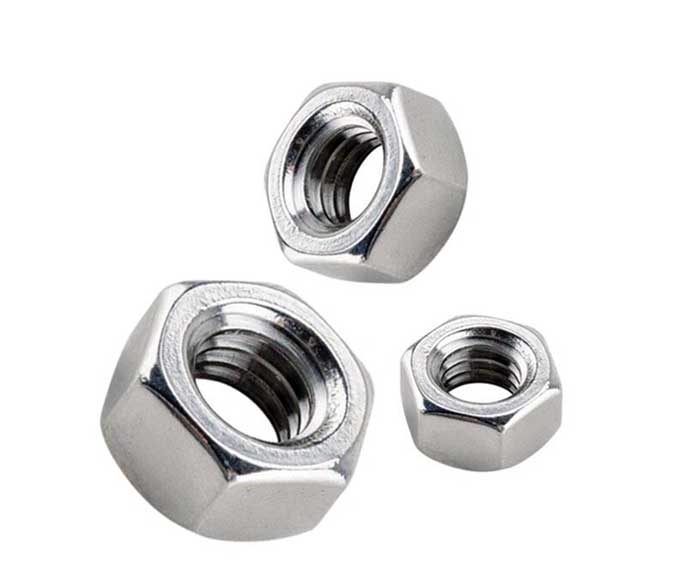
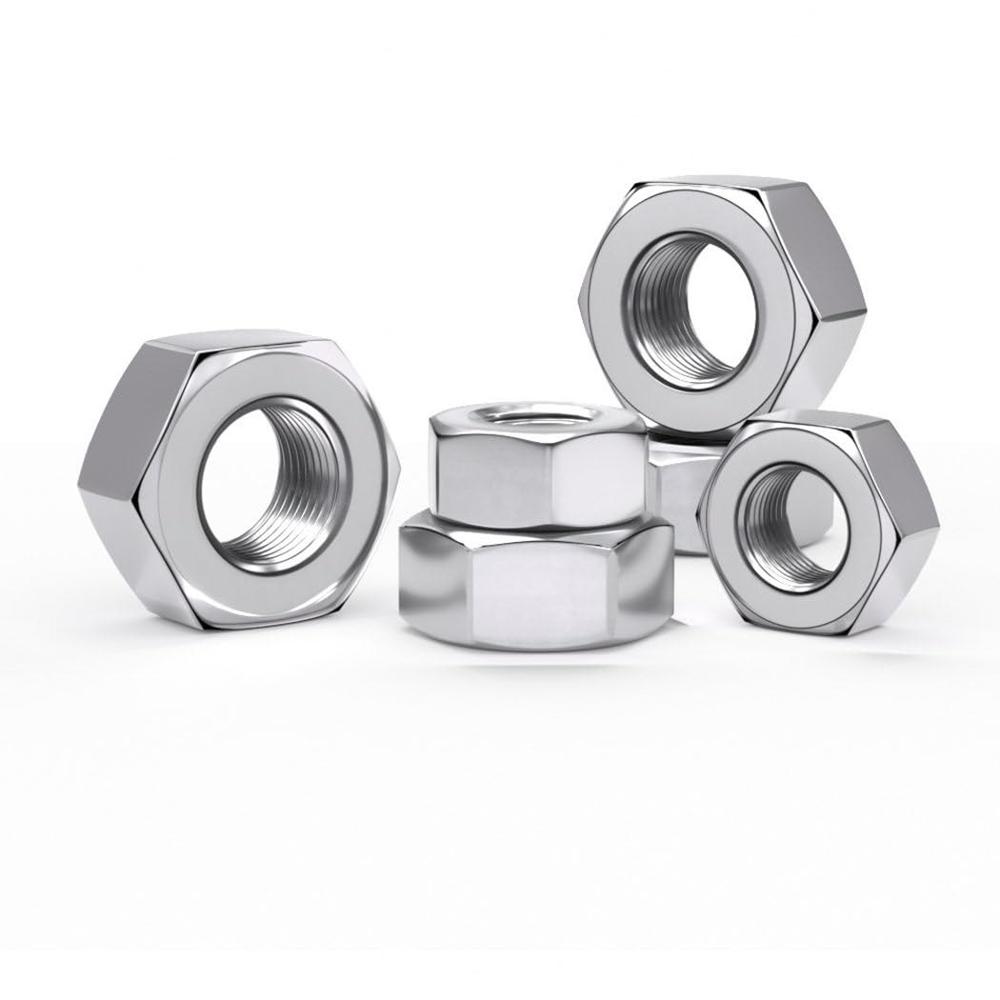
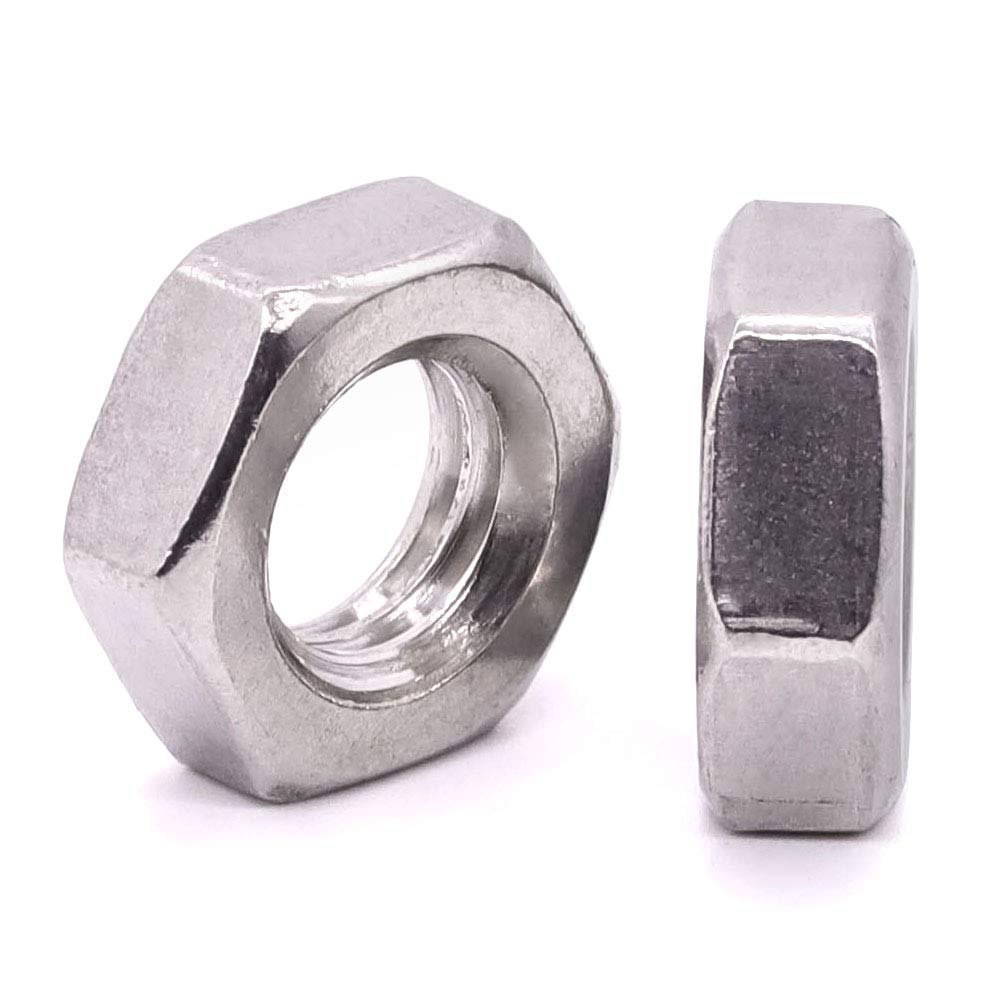
Inconel 617 nuts are high-performance nuts made from a nickel-chromium alloy, including cobalt and molybdenum. Known for their exceptional strength, oxidation resistance and ability to withstand extreme temperatures, these nuts are ideal for applications in harsh environments. Their superior resistance to oxidation and thermal fatigue ensures reliability and long-lasting performance in critical applications requiring enhanced durability and strength.
Superior Corrosion Resistance for Extreme EnvironmentsDesigned for aggressive and high-temperature settings, Inconel 617 Nuts offer outstanding defense against oxidation and a broad spectrum of corrosive agents. Their robust alloy composition ensures longevity and reliability, making them the preferred choice for chemical processing, gas turbines, and power generation systems. Whether exposed to heat, chemicals, or mechanical stress, these nuts maintain their integrity with minimal degradation over time.
Exceptional Mechanical Strength and VersatilityEngineered with a yield strength of 330 MPa and tensile strength of 625 MPa, Inconel 617 Nuts thrive under immense mechanical loads. With an elongation of 30% and Rockwell hardness of B80-B95, they accommodate both dynamic and static stresses. Available in standard and custom sizes, and supporting both metric and imperial threads, they adapt seamlessly to diverse industrial requirements.
Precision Engineering and Customization OptionsManufactured through advanced cold forging and machining techniques, each nut ensures precise tolerances (up to 0.01 mm) and consistent quality. Options for passivation and polishing enhance both performance and appearance, and thickness or dimension adjustments are readily available on request. The nuts comply with major standards such as DIN, ISO, ASTM, and JIS, fitting a wide range of global applications.
FAQ's of Inconel 617 Nuts:
Q: How do Inconel 617 Nuts provide excellent corrosion resistance in high-temperature and aggressive environments?
A: Inconel 617 Nuts are composed of a nickel-chromium-cobalt-molybdenum alloy, which forms a protective oxide layer on the surface. This prevents oxidation and resists attacks from corrosive chemicals, enabling these nuts to maintain structural integrity even at temperatures reaching 1100C (2012F).
Q: What thread types and dimensions are available for Inconel 617 Nuts?
A: Inconel 617 Nuts are available in both metric (M3-M56) and imperial (UNC/UNF) thread types. They can be ordered in standard sizes per DIN, ISO, ASTM, and JIS requirements or custom sizes to meet specific project needs.
Q: When should I choose Inconel 617 Nuts over standard stainless steel or other fasteners?
A: You should select Inconel 617 Nuts when your application demands exceptional corrosion resistance and mechanical strength at high temperatures, such as in petrochemical plants, power generation facilities, gas turbine components, and aerospace systems where ordinary fasteners may fail.
Q: Where are Inconel 617 Nuts typically used, and why are they suitable for such environments?
A: These nuts are widely used in industries like petrochemical, power generation, aerospace, and heat exchangers. Their excellent resistance to oxidation, non-magnetic nature, and ability to perform under both chemical exposure and high mechanical stress make them ideal for these demanding environments.
Q: What is the manufacturing process for Inconel 617 Nuts?
A: Inconel 617 Nuts are produced using cold forging and precision machining. This process ensures tight tolerances (up to 0.01 mm), consistent hardness (Rockwell B80-B95), and a smooth, passivated or polished finish for improved performance and longevity.
Q: How can I benefit from using Inconel 617 Nuts in my high-performance applications?
A: Using Inconel 617 Nuts ensures long-lasting reliability and minimal maintenance costs due to their robust mechanical and anti-corrosive properties. The superior performance of these non-magnetic, high-strength fasteners minimizes downtime and replacement needs, optimizing safety and efficiency in critical systems.





 Send Inquiry


 Send Inquiry
 Send Inquiry
 Send SMS
 Call Me Free


