Inconel 625 Angle About
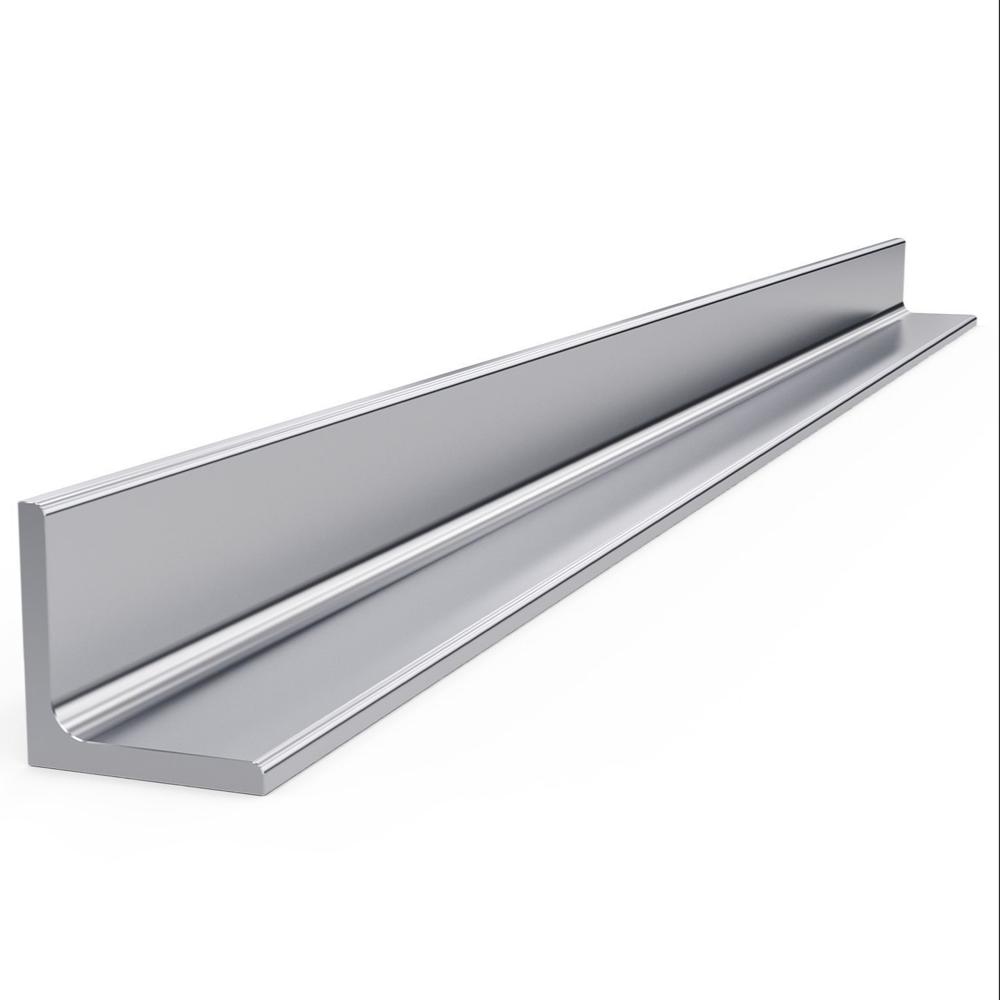
Inconel 625 Angle is a structural member produced from Inconel 625, a Nickel-Chromium-Molybdenum alloy that offers excellent strength and is highly resistant to severe conditions. This alloy is ideal for high-temperature operations and has high corrosion resistance, making it ideal for use in many industrial processes.
Exceptional Mechanical and Corrosion PropertiesWith a yield strength of 414 MPa and ultimate tensile strength of 827 MPa, Inconel 625 Angle provides both flexibility and robustness. Its excellent resistance to oxidation and corrosion makes it ideal for use in harsh environments such as chemical processing, marine, and offshore engineering. The alloy's superior mechanical properties ensure durability and longevity in demanding applications.
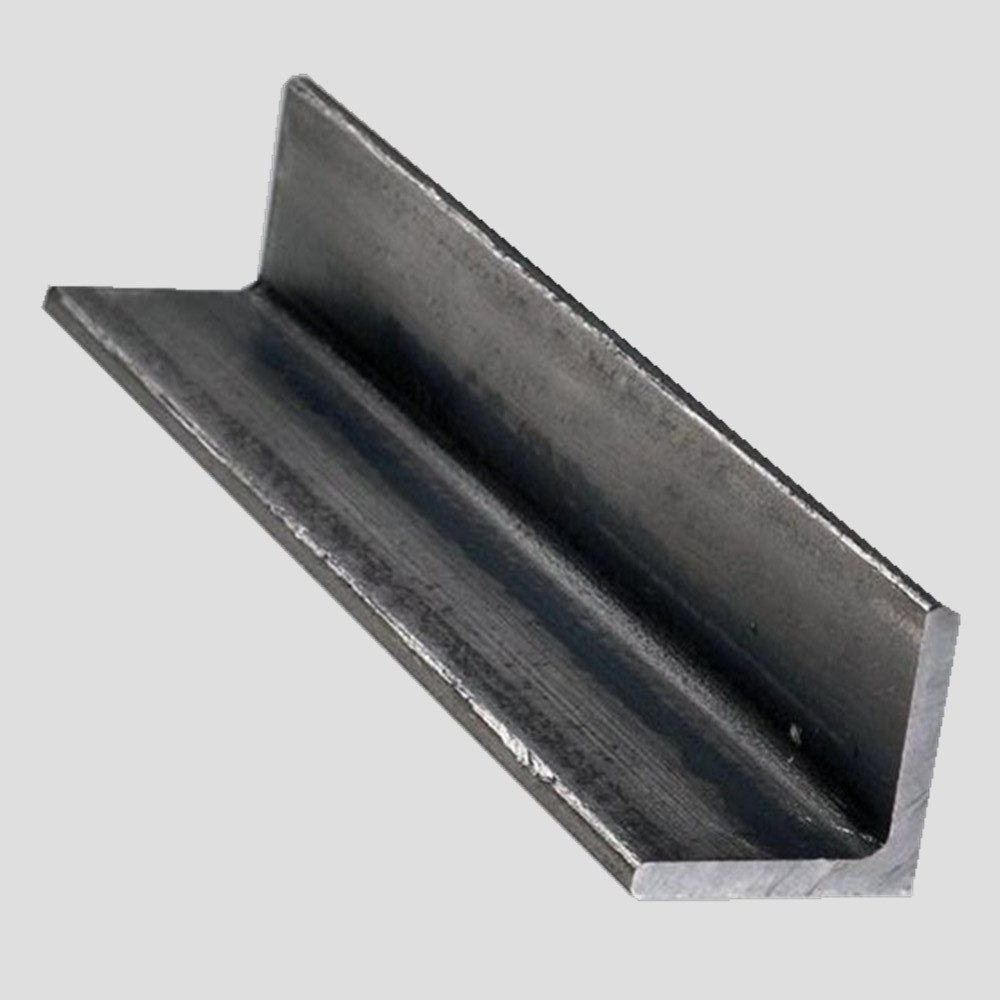
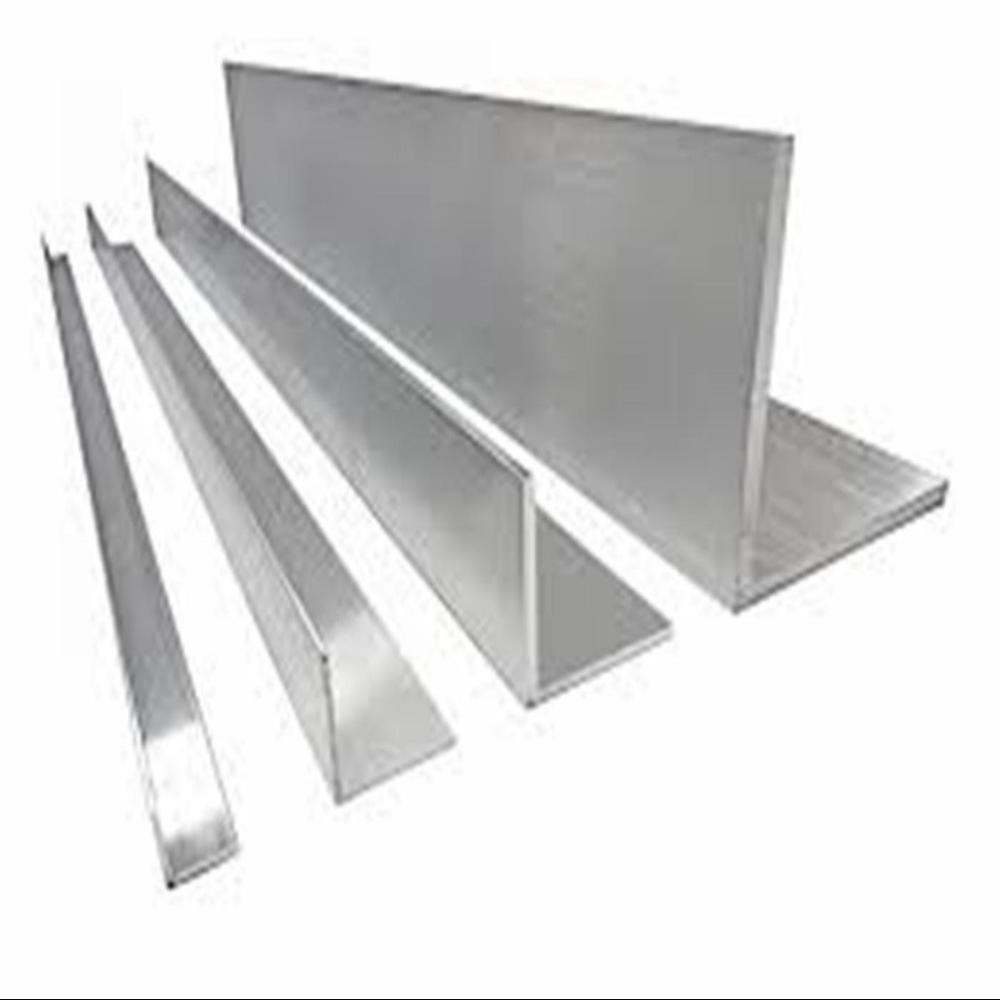
Versatile Applications and CustomizationInconel 625 Angles are extensively used in aerospace, marine, chemical, and power generation industries. These L-shaped angles are available in both equal and unequal types, and their dimensions, thickness, and finish can be fully customized to meet project requirements. This versatility ensures their compatibility with a wide range of engineering and construction scenarios.
FAQ's of Inconel 625 Angle:
Q: How is Inconel 625 Angle manufactured and what standards does it follow?
A: Inconel 625 Angle is produced using hot rolled or cold drawn techniques, ensuring optimal mechanical strength and precision. Each angle adheres to international standards such as ASTM B446 and ASME SB446, guaranteeing quality and consistency across various industrial applications.
Q: What are the key benefits of using Inconel 625 Angle in engineering applications?
A: The main benefits include exceptional resistance to corrosion and oxidation, high tensile and yield strengths, as well as excellent weldability and formability. These properties make Inconel 625 Angle especially valuable for marine, chemical processing, and offshore engineering projects where harsh conditions prevail.
Q: When should Inconel 625 Angles be preferred over standard steel angles?
A: Inconel 625 Angles should be chosen when applications demand superior resistance to extreme temperatures, corrosion, or aggressive environments, such as in marine, aerospace, or chemical processing sectors. Its advanced nickel alloy composition outperforms regular steel in longevity and performance under harsh conditions.
Q: Where can Inconel 625 Angles be used?
A: These angles are utilized across a variety of sectors, including offshore platforms, chemical plants, marine vessels, aerospace components, and power generation facilities. Their high integrity and durability suit environments exposed to corrosive substances and elevated temperatures.
Q: What is the typical process for customizing Inconel 625 Angle dimensions and finishes?
A: Customers can specify dimensions such as width, height, length, and thickness (ranging from 3 mm to 20 mm), as well as the type-equal or unequal angle. Various surface treatments like polished, pickled, or hot rolled finishes are available, and tolerances can be adjusted to customer requirements (standard tolerance is 0.2 mm).
Q: How does the solution annealed heat treatment enhance the properties of Inconel 625 Angle?
A: The solution annealed process improves the alloy's mechanical properties-enhancing ductility, uniformity, and corrosion resistance. This treatment ensures the Inconel 625 Angle performs reliably in highly demanding environments with fluctuating temperatures and exposure to corrosive agents.





 Send Inquiry


 Send Inquiry
 Send Inquiry
 Send SMS


