Inconel 625 Valves About
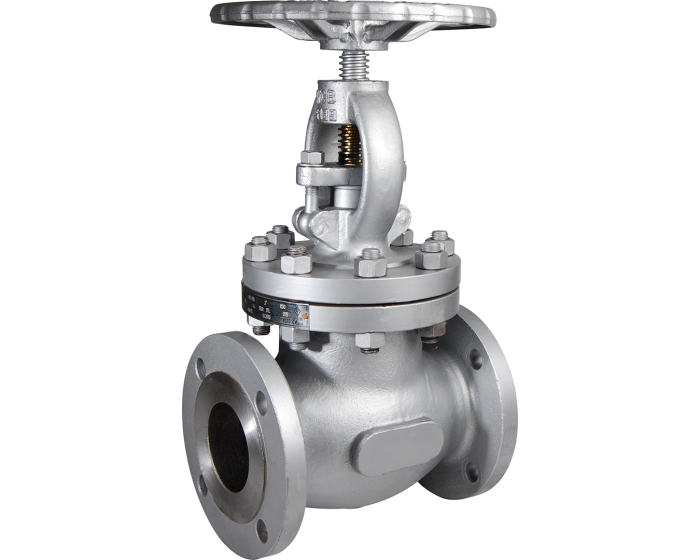
inconel 625 valves are unique parts made of nickel-chromium-molybdenum-steel valves which have excellent performance in high-temperature applications, oxidation, and corrosion. Thanks to good fatigue and creep characteristics, these materials can work stable and have long service life in severe conditions.
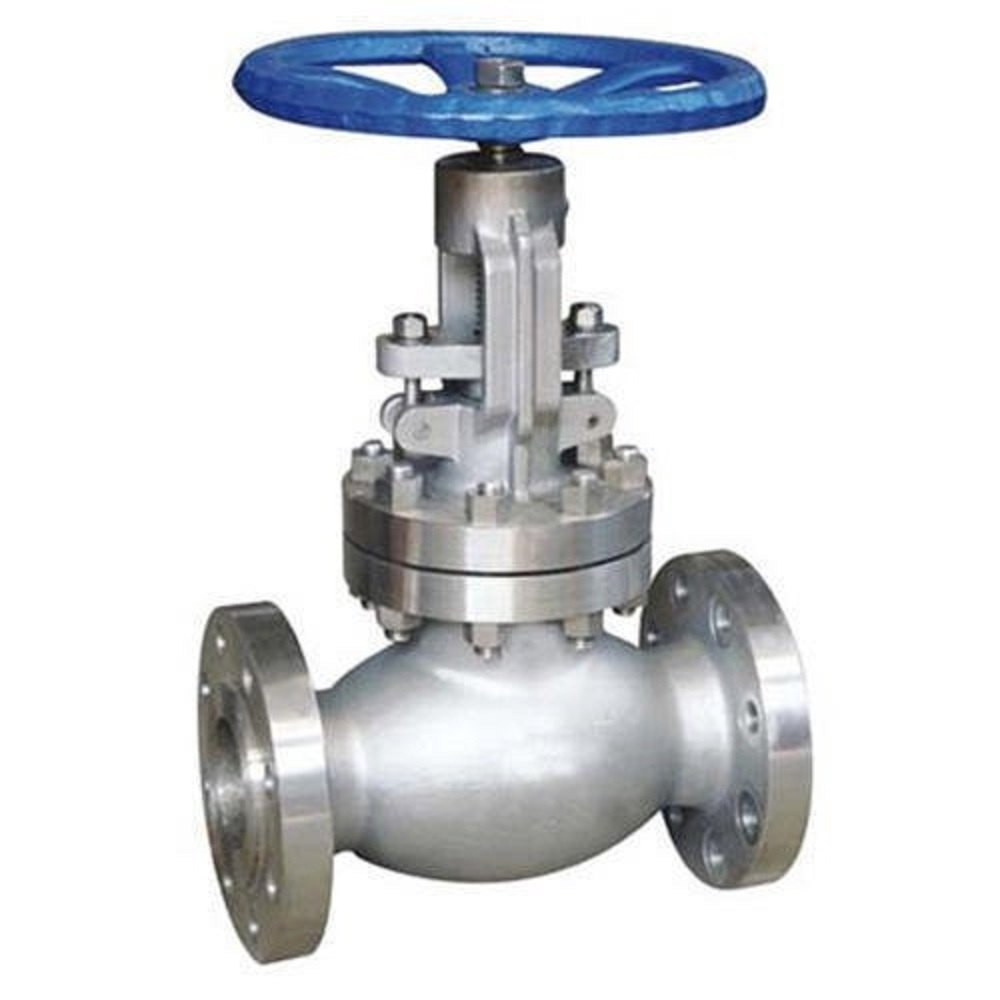
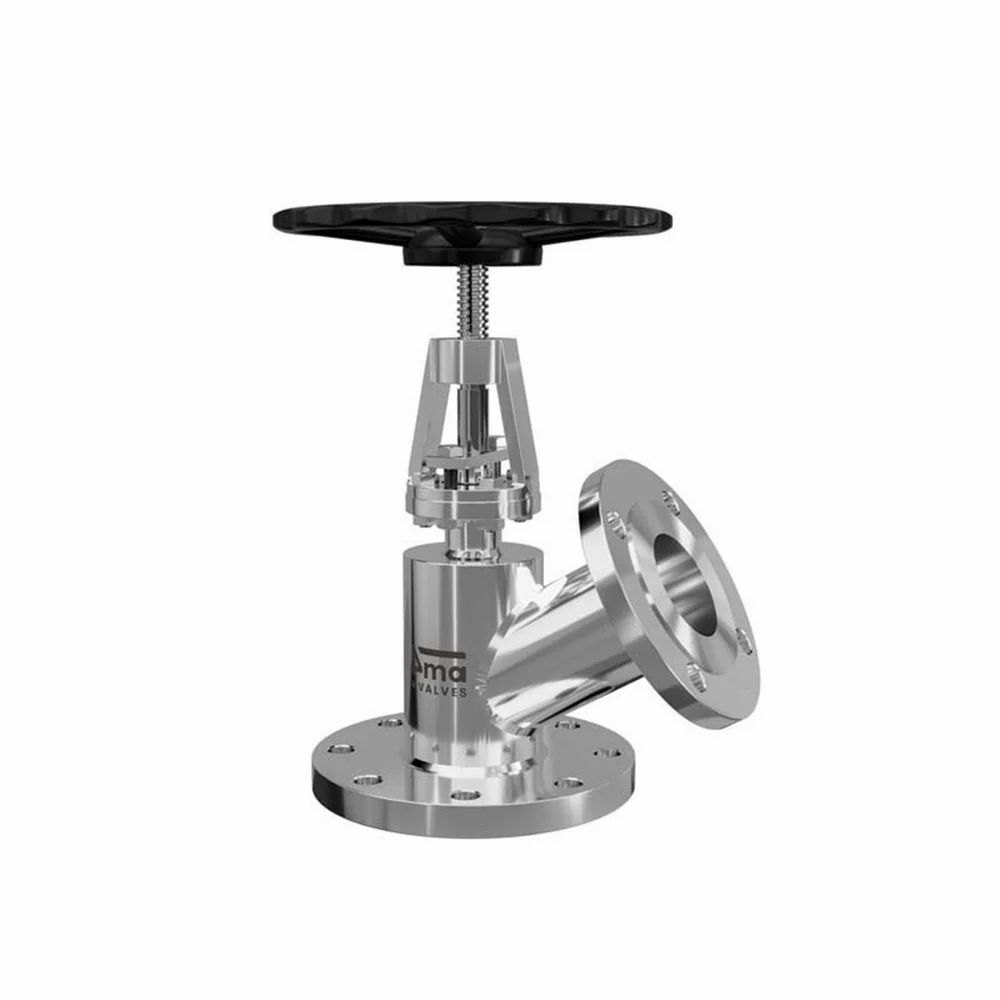
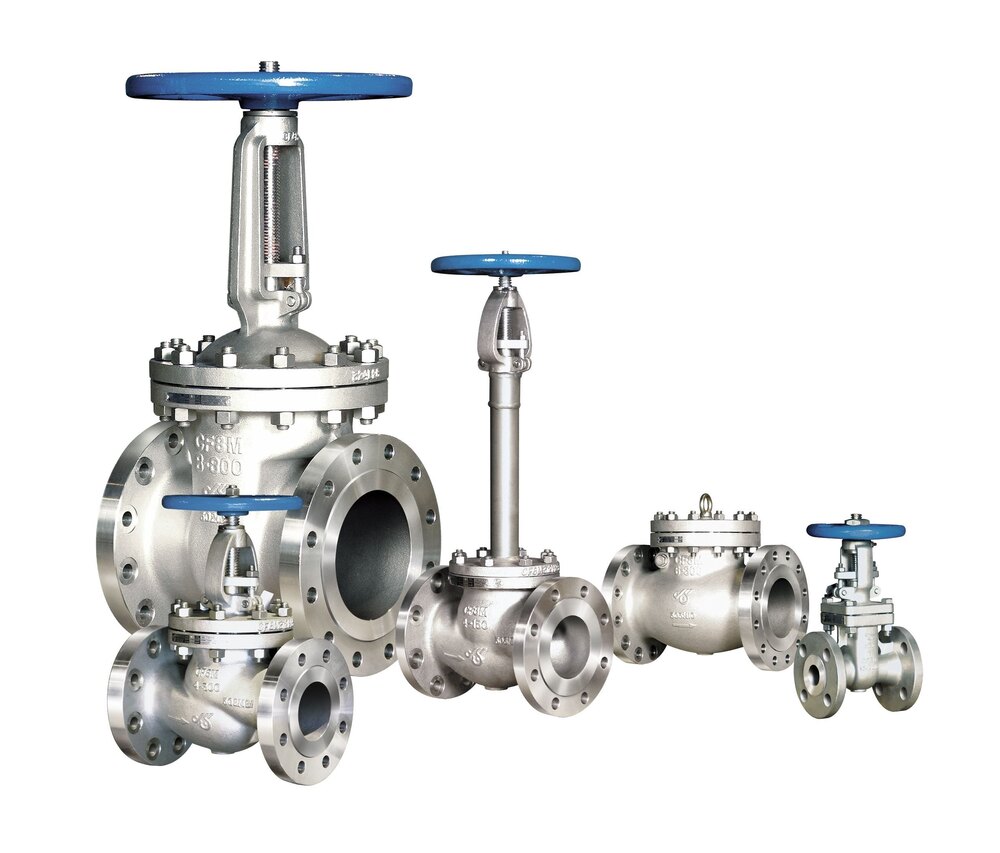
Versatile End Connections & OperationsInconel 625 valves are designed to fit seamlessly into complex piping systems with a diverse array of end connections like RF/RTJ flanges, butt welds, socket welds, and threaded ends. Their adaptability extends to operation as well-choose from hand wheel, gear operator, pneumatic, or electric actuators to match your specific process requirements. This flexibility ensures easy integration across industries.
Robust Design for Extreme ConditionsEngineered according to prominent global standards such as API 600, BS 1414, and ASME B16.34, these valves guarantee durability and precision even within extreme environments, from -196C cryogenic conditions to +816C high-heat applications. The forged and precision-machined construction, together with optional anti-corrosive coatings, makes them a preferred choice for challenging fluid control tasks.
Trusted in Critical IndustriesWith outstanding resistance to acids, seawater, and oxidizing environments, Inconel 625 valves are widely trusted in oil & gas, petrochemical, and chemical processing sectors. Their ability to maintain integrity and zero leakage under severe conditions protects critical assets and ensures process reliability over the long term.
FAQ's of Inconel 625 Valves:
Q: How are Inconel 625 valves tested for leakage and quality?
A: Inconel 625 valves undergo rigorous quality assessments including pressure and leakage tests as per API 598 and EN 12266-1 standards. These procedures ensure the valves provide Class VI or zero leakage performance, maintaining safety and operational integrity.
Q: What benefits does Inconel 625 material offer in valve applications?
A: Inconel 625's nickel-chromium alloy composition provides remarkable resistance to corrosion, especially in acidic, saline, and high-temperature settings. This results in long-lasting durability, reduced maintenance, and reliability in critical service environments.
Q: Where can Inconel 625 valves be used?
A: These valves are ideal for use in oil & gas extraction, petrochemical plants, chemical processing facilities, and any application subjected to aggressive chemicals, high temperatures, or saline water. Their design supports both standard and challenging industrial applications.
Q: What connection ends are compatible with these valves?
A: Inconel 625 valves are compatible with a variety of end connections, including RF/RTJ flanged, butt weld, socket weld, and threaded (BSP/NPT) configurations, enabling easy installation into new or existing piping systems.
Q: How can these valves be operated and automated?
A: They can be operated manually using a hand wheel or gear operator, or automatically via pneumatic or electric actuators. This range of actuation supports integration into both traditional manual processes and modern automated systems.
Q: What standards govern the design and production of these valves?
A: The valves are manufactured in compliance with internationally recognized standards, including API 600, BS 1414, ASME B16.34, and ASTM B564/ASME SB564, ensuring reliability, dimensional accuracy, and universal compatibility.
Q: When is it advisable to select Inconel 625 valves over other material types?
A: Select Inconel 625 valves when processes involve severe corrosive agents, high temperatures, or require reliable operation under pressure variations, such as in offshore, chemical, or power generation industries. Their longevity and resistance properties are unmatched in such applications.





 Send Inquiry


 Send Inquiry
 Send Inquiry
 Send SMS
 Call Me Free


