Inconel 690 Flanges About
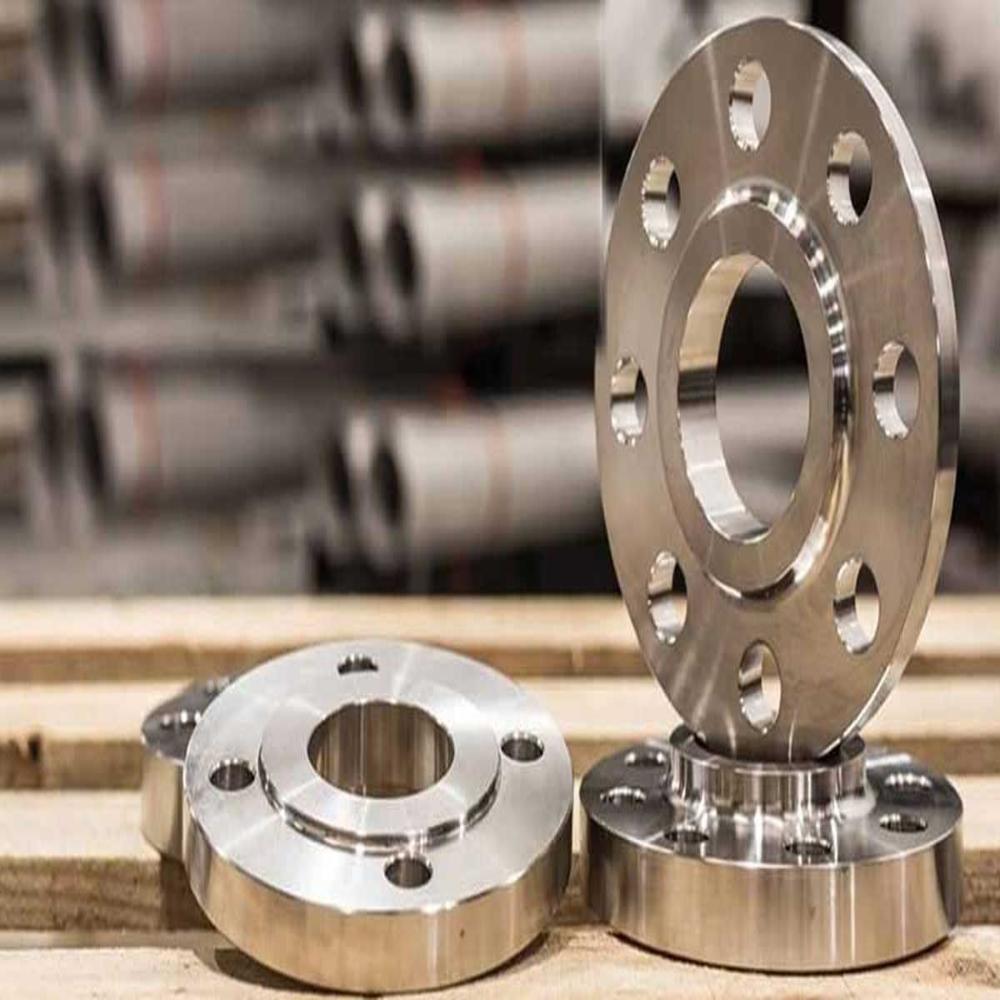
Inconel 690 Flanges are an essential component of many industrial systems and serve a critical function in their operations. As a result, it is necessary to understand the chemical composition of these flanges to better inform decisions about what type will work best for a specific system. Inconel 690 flanges are made from an alloy mixture of chromium, iron, nickel, and other elements such as cobalt and molybdenum. This unique blend provides the necessary strength and corrosion resistance in harsh environments. Inconel 690 flanges have been proven effective over time and remain one of the top choices for engineers looking to create reliable and durable networks.
Exceptional High-Temperature Strength and Corrosion ResistanceInconel 690 flanges boast excellent resistance to oxidation and high-temperature corrosion, making them ideal for extreme environments such as chemical processing plants and heat exchangers. The nickel-chromium alloy composition ensures enduring performance even at temperatures up to 1000C, delivering reliability in critical applications.
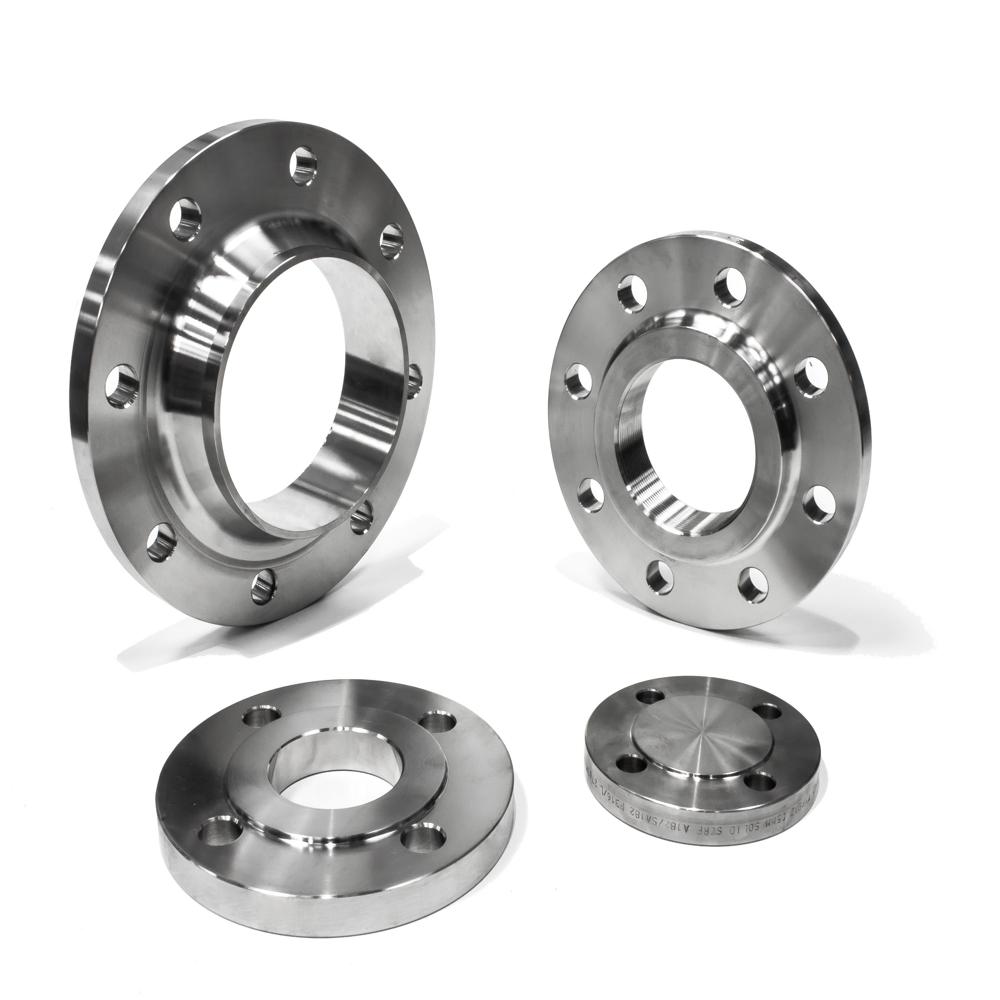
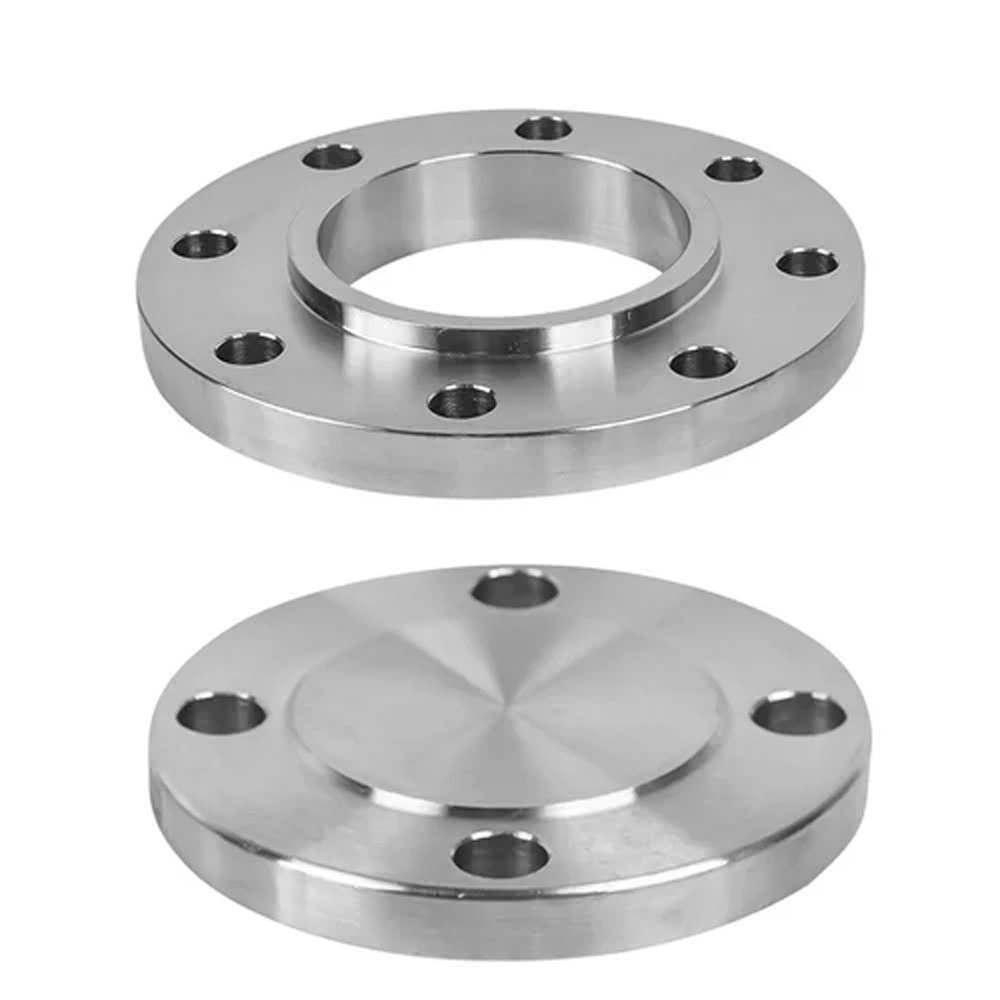
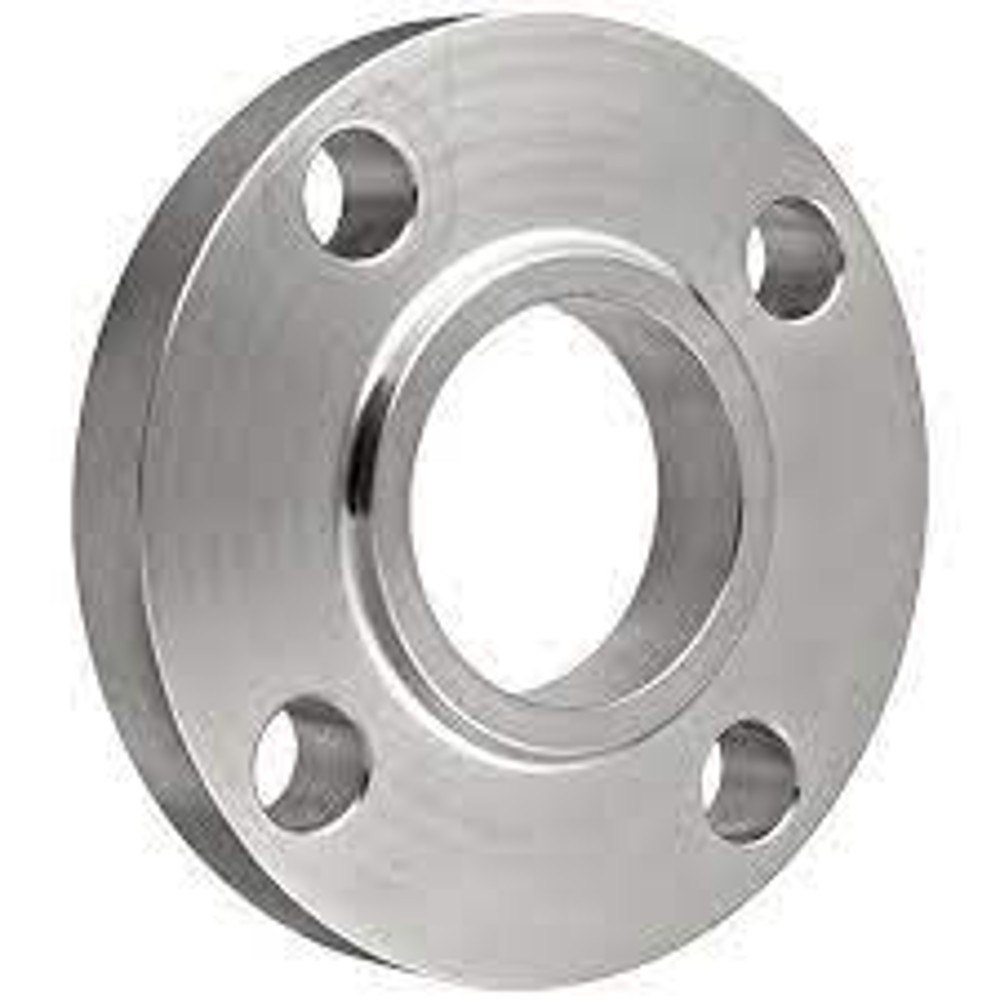
Versatile Designs and Standards for Industrial DemandsWhether you require weld neck, slip-on, blind, socket weld, lap joint, or threaded flanges, Inconel 690 offers flexibility in both dimensions and pressure ratings (1/2'' to 48'', 150 lbs to 2500 lbs, Sch 10 to Sch XXS). These flanges comply with ASTM, ASME, DIN, EN, JIS, and BS standards, supporting both standard and custom specifications for diverse industry needs.
FAQ's of Inconel 690 Flanges:
Q: How are Inconel 690 flanges typically used in industrial applications?
A: Inconel 690 flanges are widely used in industries such as petrochemical, power generation, nuclear, offshore, and chemical processing, where high resistance to heat and oxidation is essential. Their durability makes them suitable for aggressive environments like heat exchangers and reactors.
Q: What are the main benefits of choosing Inconel 690 over other flange materials?
A: The primary advantage is its remarkable resistance to high temperatures and oxidizing chemicals, extending equipment life and minimizing maintenance. Its nickel-chromium alloy composition provides enhanced structural integrity and performance under extreme pressure and temperature conditions.
Q: When should I choose a smooth face (RF), raised face (RF), or ring type joint (RTJ) finish?
A: The choice depends on your application's sealing and pressure requirements. Raised face and ring type joints are preferred for high-pressure, high-temperature applications, whereas smooth faces are suited for lower pressure environments and processes requiring flat gasket surfaces.
Q: What connection types are available, and how do I select the right one?
A: Inconel 690 flanges are available in welded, threaded, and bolted options. Welded types provide robust, leak-free joints for critical systems; threaded options are suitable for easier disassembly; bolted connections offer flexibility for maintenance and modular assembling.
Q: Where are Inconel 690 flanges manufactured and how are they packaged for delivery?
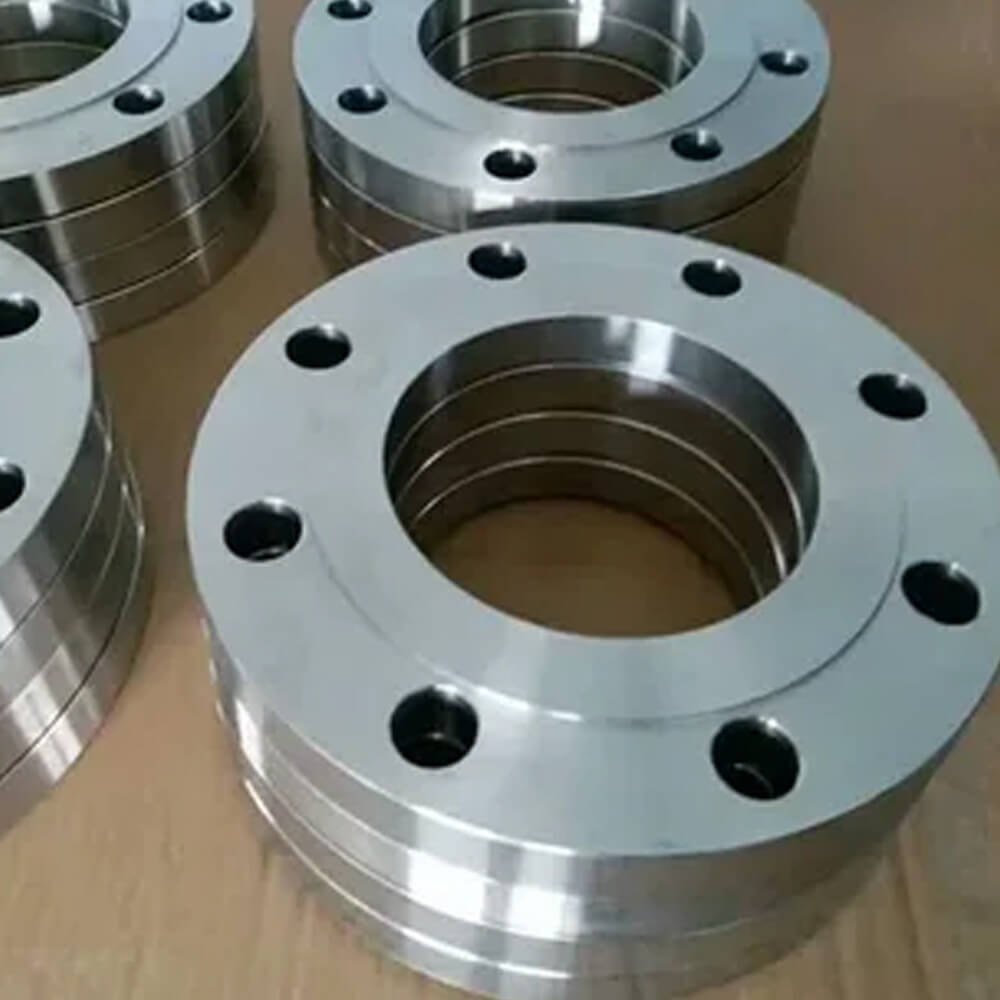
A: These flanges are produced globally by certified exporters, importers, manufacturers, suppliers, and traders, adhering to international standards. For secure transport, they are packaged in export-quality wooden cases, pallets, or tailored to customer requirements.
Q: What is the machining process for Inconel 690 flanges and what tooling is recommended?
A: Inconel 690 flanges are forged, heat-treated, and then undergo precision CNC or manual machining. Due to the alloy's toughness, high-quality carbide or ceramic tools are recommended for efficient machining and achieving exact tolerances.





 Send Inquiry


 Send Inquiry
 Send Inquiry
 Send SMS
 Call Me Free


