Inconel 690 Forged Fittings About
Inconel 690 Forged Fittings are constructed from a nickel-chromium alloy that contains high levels of chromium and added aluminum, molybdenum, titanium, and other elements. This combination of elements makes it extremely resistant to corrosion and oxidation, with exceptional mechanical strength and thermal stability over wide temperature ranges. Its chemical composition of up to 38% chromium provides superior resistance to chloride stress corrosion cracking and pitting in environments containing overwhelming amounts of halide ions, such as seawater. In addition, its higher
nickel content ensures the fittings are extremely resistant to sulfuric acid environments.
Exceptional Durability in Extreme ConditionsInconel 690 Forged Fittings stand out for their proven ability to withstand severe temperatures and corrosive environments. With excellent resistance to oxidation and carburization up to 980C, and a maximum hardness of BHN 185, these fittings are ideal for critical operations where performance and safety are non-negotiable.
Compliance with International StandardsFabricated under stringent specifications, including ASTM B564, ASME SB564, and ASME/ANSI B16.11, Inconel 690 forged fittings meet both dimensional and quality standards required worldwide. Their manufacturing involves rigorous forging, machining, and heat treatment processes, ensuring precise tolerances and reliable performance.
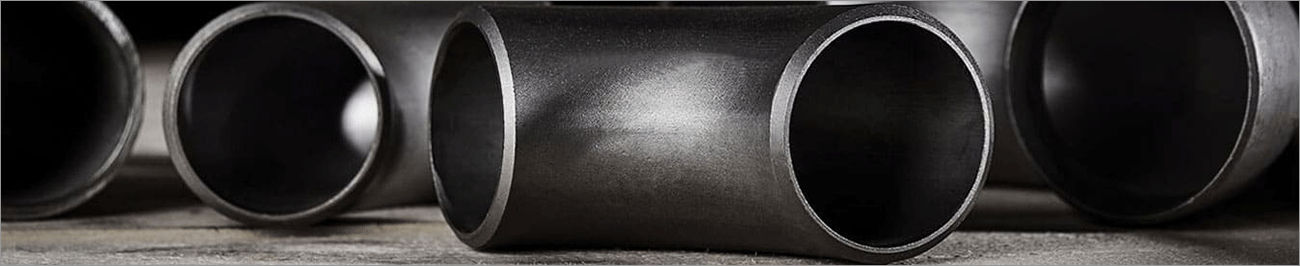
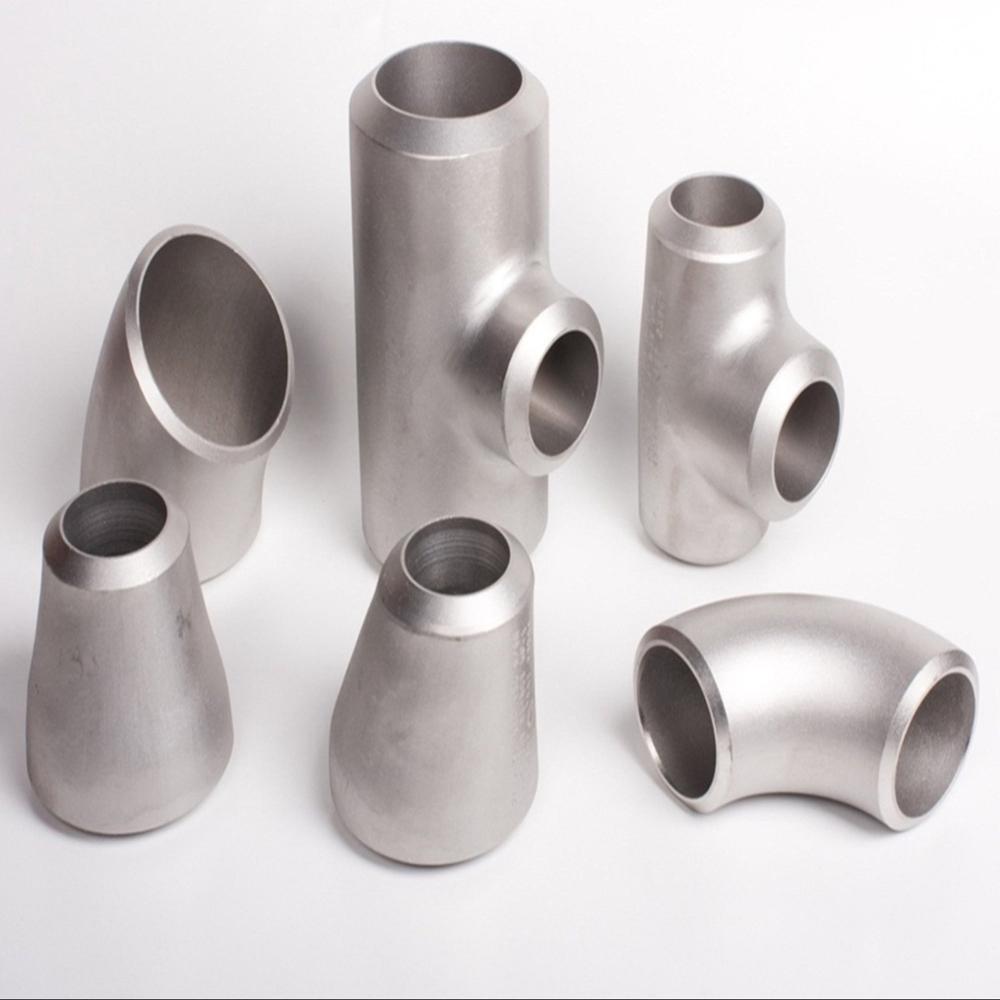
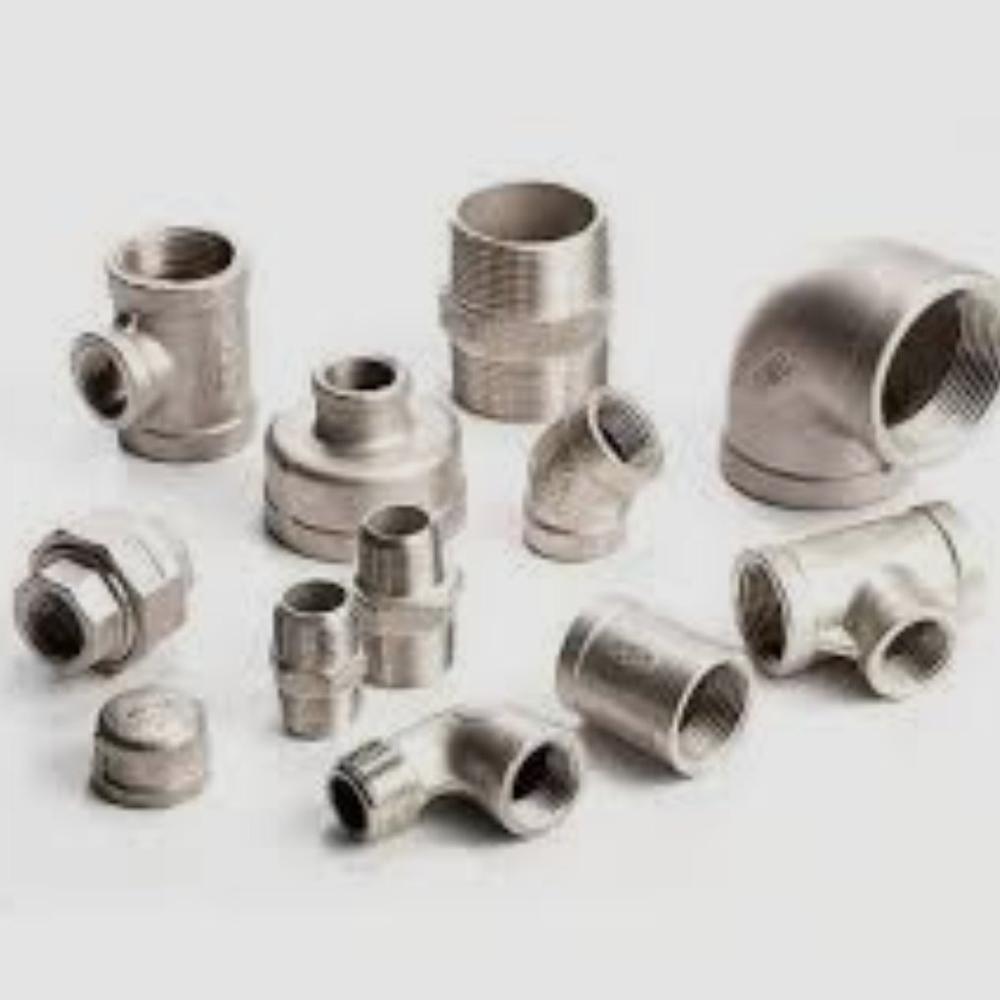
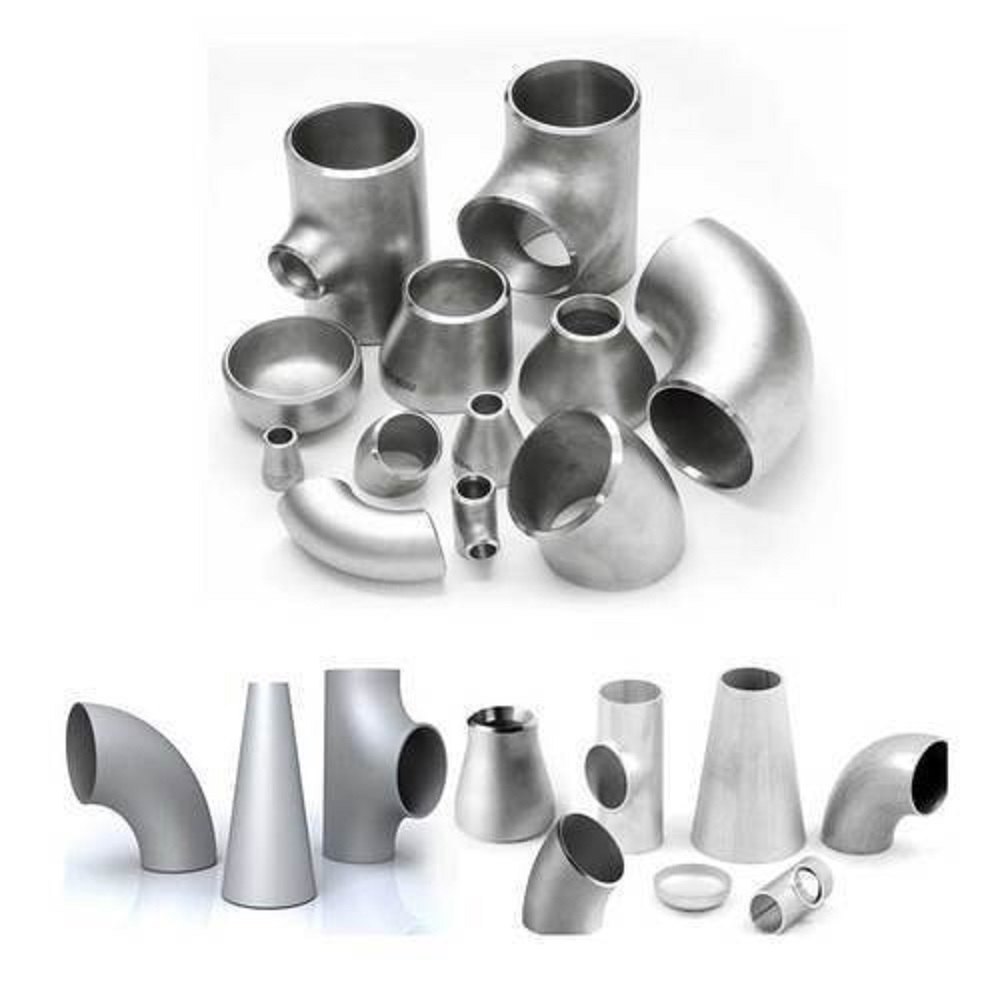
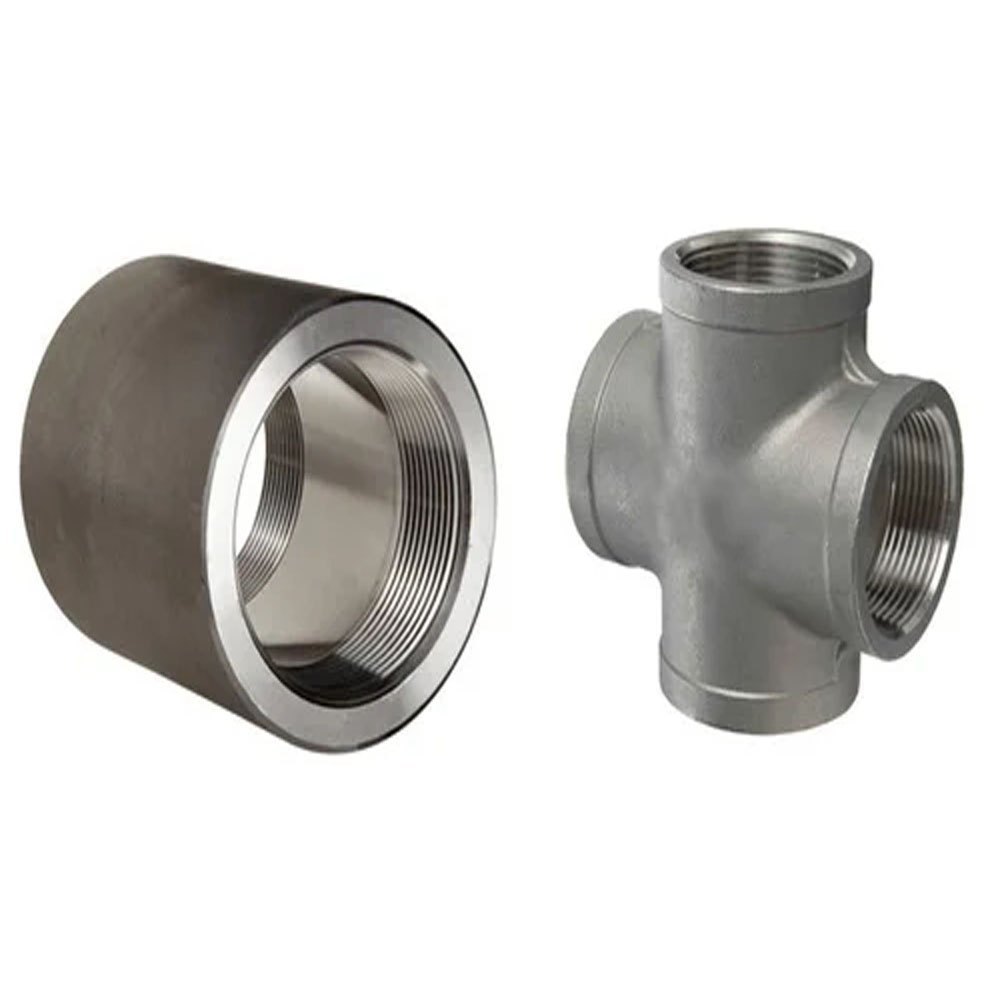
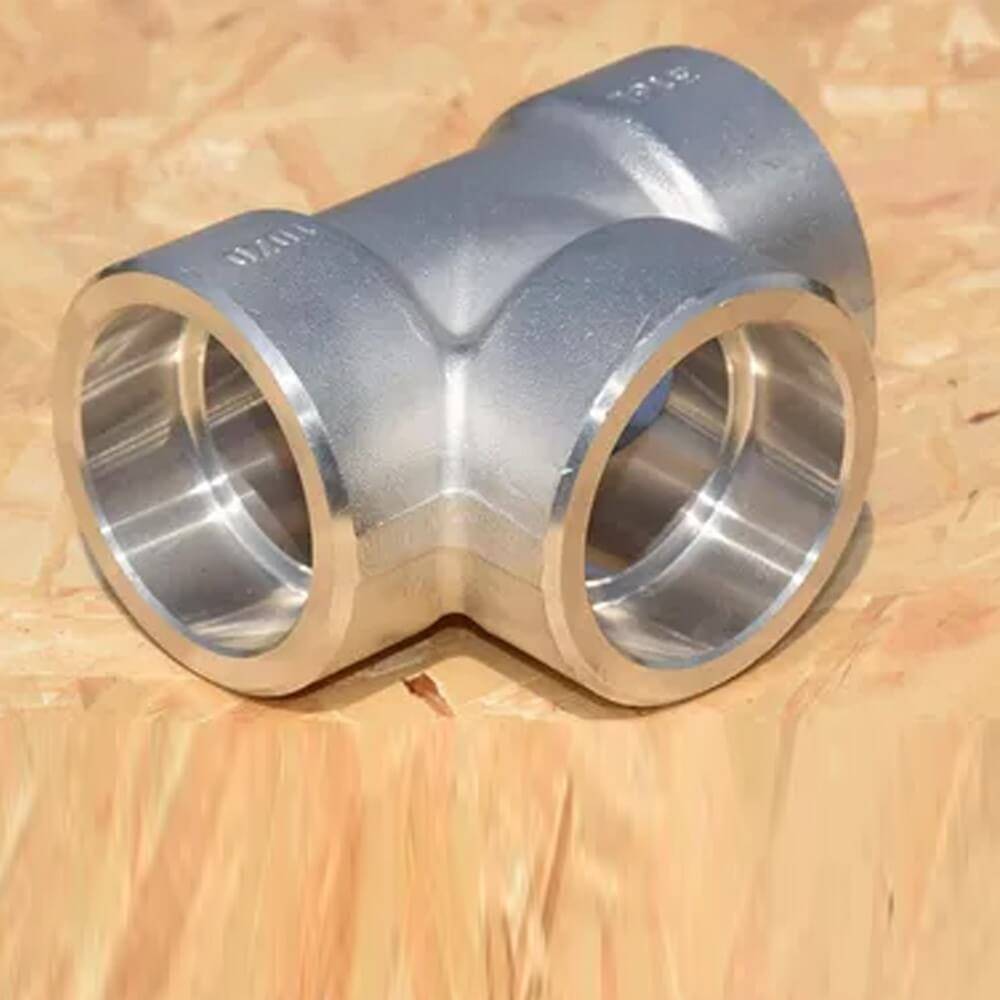
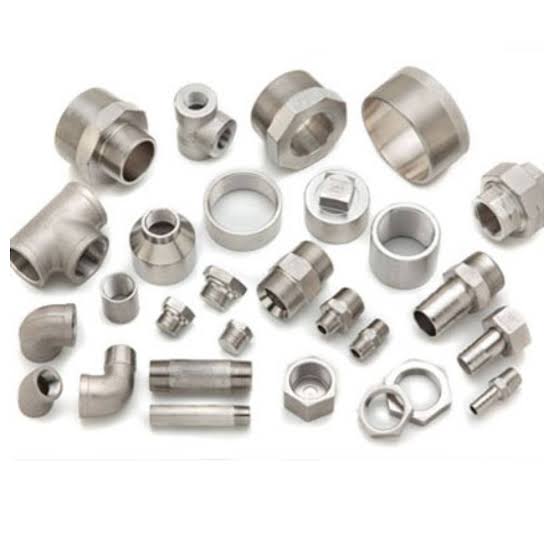
Flexible Design Choices for Complex ProjectsAvailable in a full spectrum of shapes such as elbows, tees, reducers, couplings, and more, Inconel 690 forged fittings offer unmatched flexibility. Customers benefit from multiple wall thickness options (Sch10S to XXS or custom) and connection types (socket weld, NPT, or BSP threaded), making it easy to find the right fit for their specific project needs.
FAQ's of Inconel 690 Forged Fittings:
Q: What are the main applications for Inconel 690 Forged Fittings?
A: Inconel 690 forged fittings are primarily used in oil & gas, petrochemical plants, refineries, power generation, marine, and chemical processing industries, thanks to their ability to withstand high pressures, extreme temperatures, and corrosive environments.
Q: How does the corrosion resistance of Inconel 690 benefit demanding environments?
A: The excellent corrosion resistance of Inconel 690, especially in high-temperature and aggressive chemical settings, prevents material degradation, extends service life, and ensures leak-proof performance in systems transporting hazardous or reactive substances.
Q: When should I choose socket weld versus threaded (NPT/BSP) connections?
A: Socket weld connections are recommended for high-pressure or vibration-prone systems due to their strong, leak-free joints, while threaded connections offer easier installation or disassembly in situations where frequent maintenance or reconfiguration is needed.
Q: Where are these forged fittings typically installed?
A: These fittings are installed in pipelines, manifolds, machinery, and equipment within refineries, power plants, offshore platforms, and chemical facilities, wherever reliable flow control and robust connections are essential.
Q: What is the manufacturing process for Inconel 690 forged fittings?
A: Inconel 690 fittings are produced using forging, machining, and heat-treatment processes. They are then subjected to surface treatments such as solution annealing, shot blasting, pickling, or passivation, ensuring enhanced mechanical and anti-corrosive properties.
Q: How does the dimensional tolerance of 0.1 mm improve fitting performance?
A: The strict dimensional tolerance ensures a precise fit, minimizing the risk of leaks and misalignments, thereby improving system integrity and operational safety in high-pressure environments.





 Send Inquiry


 Send Inquiry
 Send Inquiry
 Send SMS


