Inconel 690 Pipe Fittings About
Inconel 690 Pipe Fittings are exceptionally durable thanks to their unique chemical composition. This
pipe fitting is composed of a combination of iron and chromium, as well as nickel, in the form of an alloy. The alloy creates the strength that makes Inconel 690 Pipe Fittings resistant to corrosion and oxidation due to its high resistance level, even under extreme temperatures. Further, the fittings also contain trace amounts of manganese and molybdenum elements that boost their durability and strength. Through this effervescent combination, these fittings have become popular and primarily used in harsh industrial environments, such as power and oil refining plants.
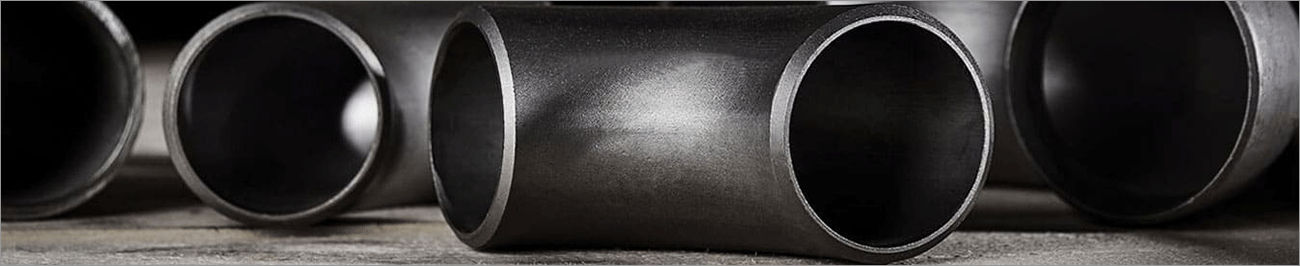
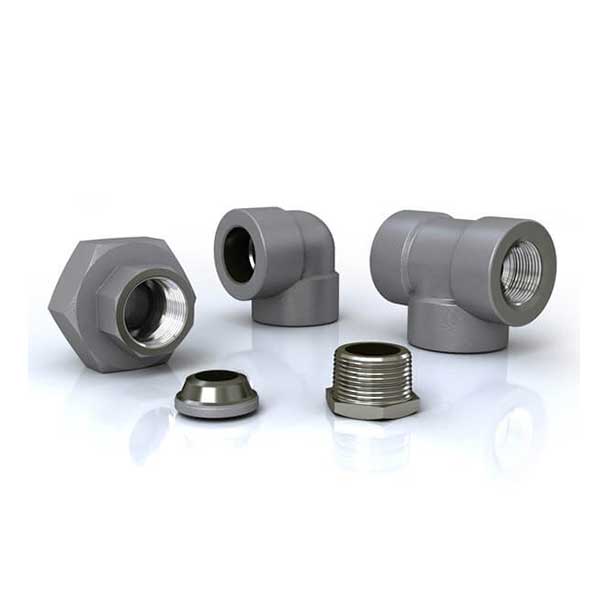
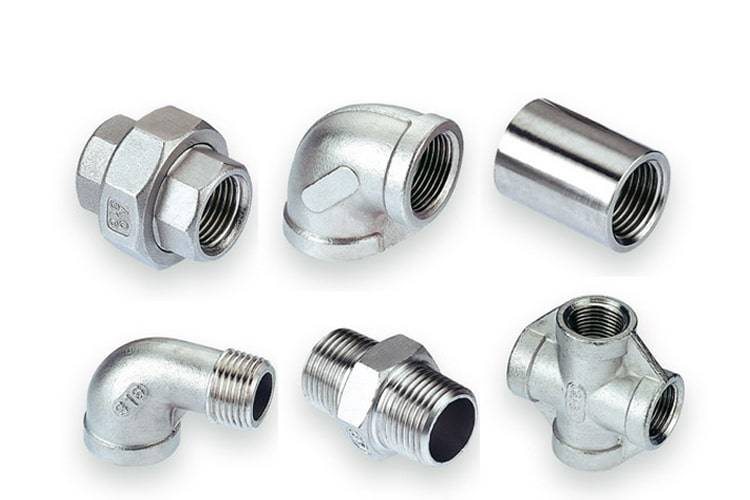
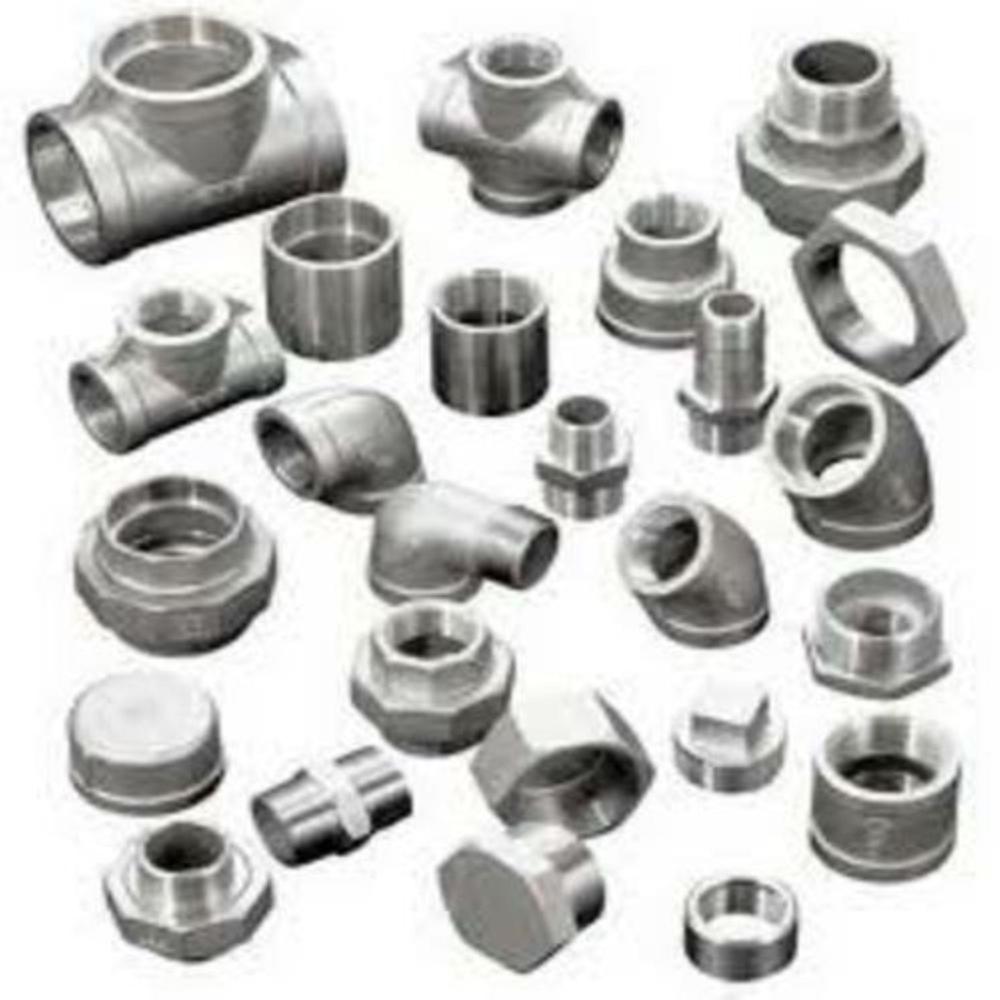
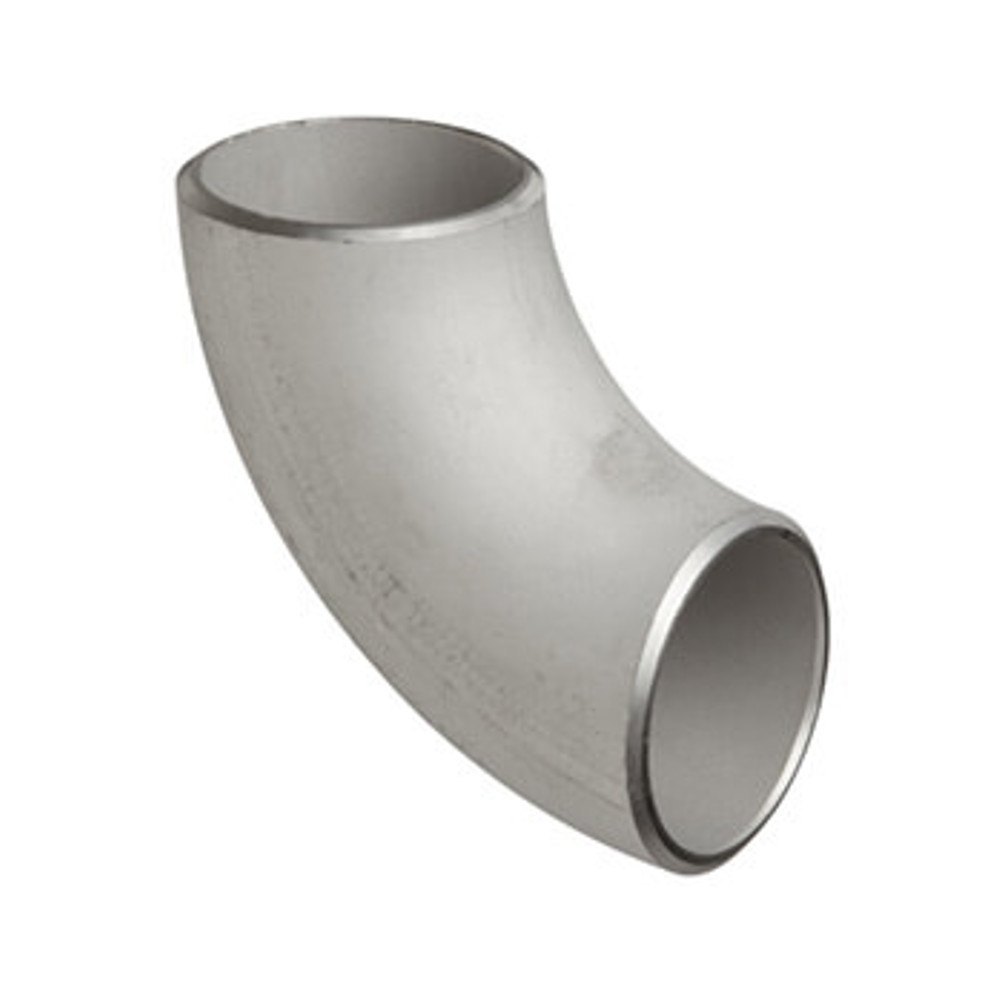
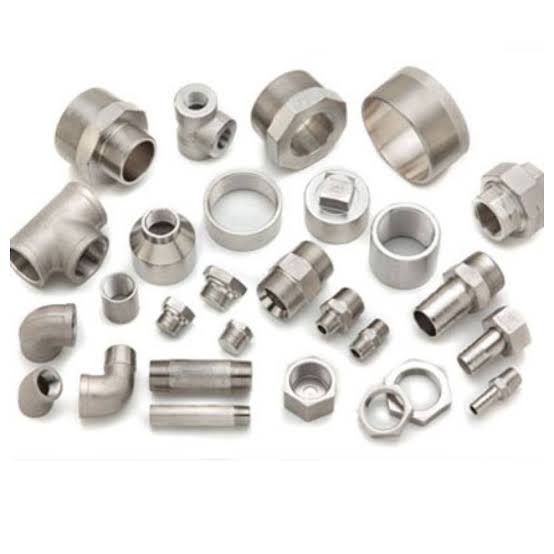
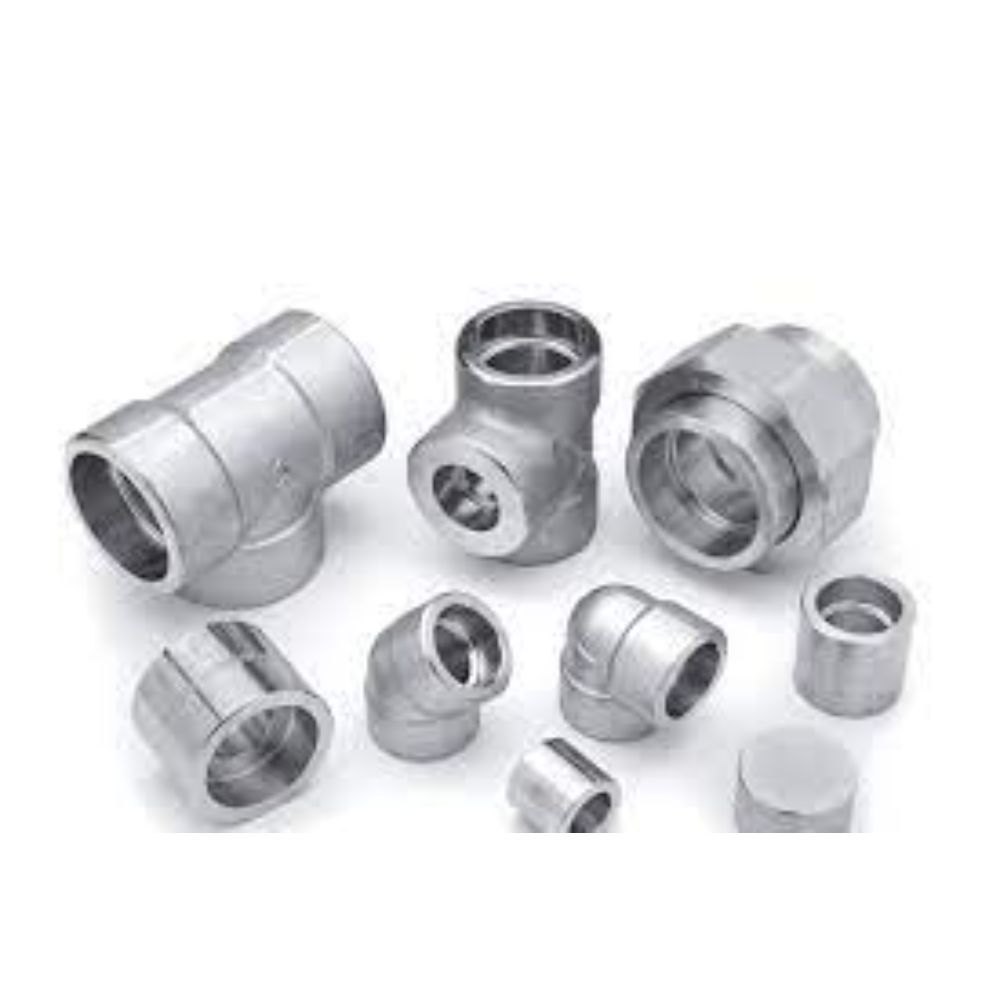
Versatile Connection OptionsInconel 690 Pipe Fittings are offered in threaded, butt weld, socket weld, and flanged connections. This flexibility allows you to match the fitting type precisely with your piping requirements and application demands, ensuring secure and leak-free integration across a broad spectrum of industrial installations.
Outstanding Corrosion ResistanceThanks to their nickel-chromium alloy structure, these fittings deliver excellent resistance even in aggressive oxidizing and reducing environments. They are specifically engineered for industries such as chemical processing and nuclear power, where reliability against corrosion is crucial for safety and longevity.
Wide Range of SpecificationsAvailable in sizes from 1/8" NB up to 48" NB and various thicknesses (Sch 10S to XXS and custom), Inconel 690 fittings meet international standards (ASTM, ASME, MSS). Their customizable options suit diverse application pressures, from Class 150 to 2500/PN6 to PN400, and operating temperatures up to 1200C, ensuring maximum adaptability.
FAQ's of Inconel 690 Pipe Fittings:
Q: How are Inconel 690 pipe fittings used in industrial applications?
A: Inconel 690 pipe fittings are widely used in industrial sectors like chemical processing, petrochemical, nuclear power, and oil & gas. Their role is to securely connect pipes, change flow direction, or alter diameter, while enduring high temperatures and corrosive environments.
Q: What benefits do Inconel 690 fittings offer over other materials?
A: Inconel 690 fittings provide outstanding resistance to oxidation and corrosion, superior mechanical strength (yield: 255 MPa min, tensile: 585 MPa min), and high-temperature stability (up to 1200C). These advantages make them ideal for critical, high-demand conditions where standard steel might degrade.
Q: What connection types and end finishes are available for these pipe fittings?
A: These fittings come with connection types such as threaded, butt weld, socket weld, and flanged. End finishes include beveled, plain, and threaded, allowing precise adaptation to both standard and custom piping assemblies.
Q: Where are Inconel 690 pipe fittings typically installed?
A: They are commonly installed in environments requiring extreme temperature and corrosion resistance, such as nuclear plants, power generation facilities, chemical processing units, oil and gas refineries, and heat exchanger systems.
Q: What is the maximum operating temperature and pressure for these fittings?
A: The fittings can withstand operating temperatures up to 1200C (depending on pressure and application) and cover a broad pressure range-from Class 150 to 2500 or PN6 to PN400-making them suitable for both low- and high-pressure systems.
Q: How are Inconel 690 fittings manufactured and finished?
A: They are manufactured through forging, machining, and heat treatment, then finished with surface treatments like polishing, pickling, or sand blasting to ensure both durability and aesthetic quality.
Q: What standards and tolerances do Inconel 690 pipe fittings comply with?
A: These fittings are produced according to ASTM B366, ASME SB366, and dimensional standards such as ASME/ANSI B16.9, B16.28, and MSS-SP-43. Typical tolerance is 0.5 mm or as defined by the specific industry standard.





 Send Inquiry


 Send Inquiry
 Send Inquiry
 Send SMS


