Super Duplex Steel S32750 Plates About
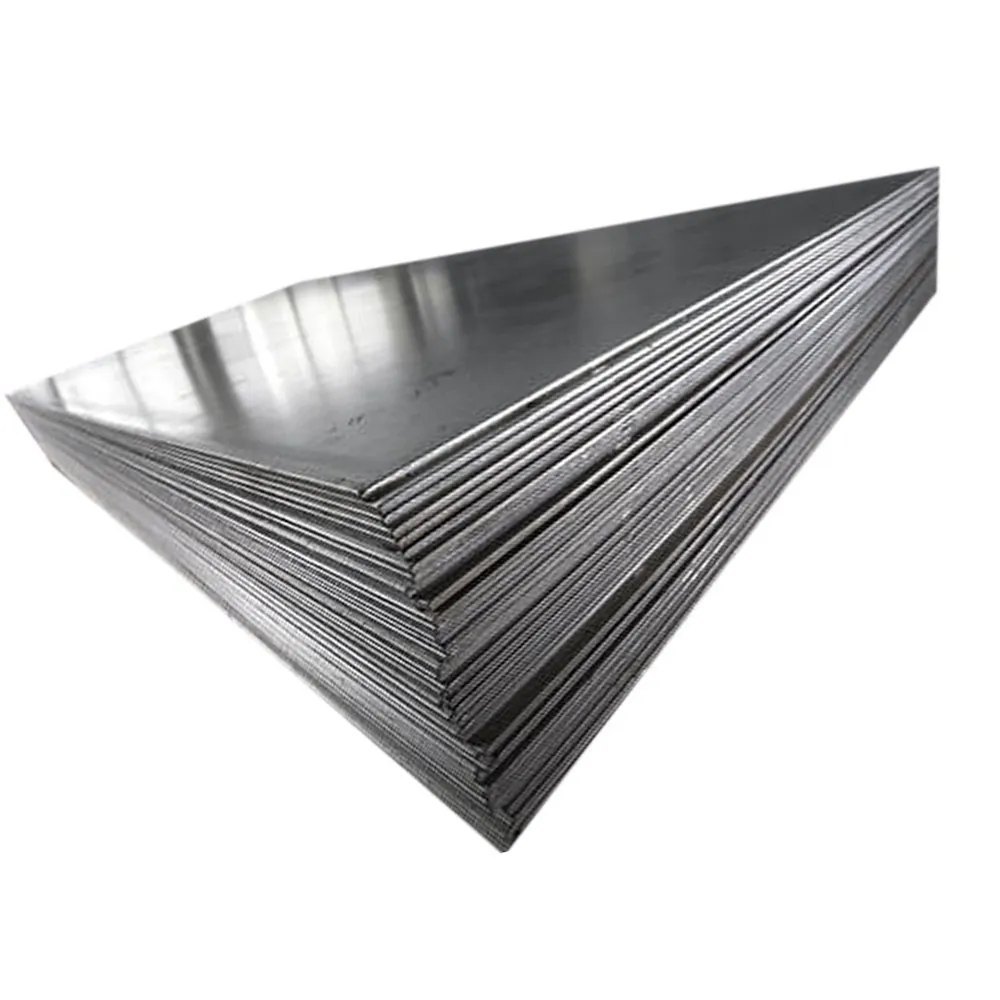
Super Duplex Steel S32750 Plates have a chemical composition that differentiates them from other materials. With a combination of chromium, molybdenum, and nickel, this material showcases exceptional resistance to highly corrosive environments. In addition, the inclusion of nitrogen contributes to its remarkable strength and durability, even under extreme pressure. These properties make this super duplex steel highly suitable for challenging applications, including offshore oil and gas exploration and production, seawater desalination, and chemical processing plants. Moreover, its superior weldability and formability offer flexibility in the application while maintaining its outstanding corrosion resistance. Its chemical composition embodies the essence of an industry-grade material that can perform well in tough conditions.
Superior Mechanical PerformanceSuper Duplex Steel S32750 Plates exhibit a high yield and tensile strength, combined with impressive elongation and impact toughness. Their robust performance remains intact even at low temperatures, making them suitable for challenging operational environments such as marine engineering, oil & gas, and chemical processing.
Exceptional Corrosion ResistanceEngineered specifically for environments exposed to chlorides and aggressive chemicals, S32750 plates offer excellent resistance to pitting and crevice corrosion. The balanced austenitic and ferritic matrix ensures long-lasting durability and reliability, particularly in offshore and coastal applications.
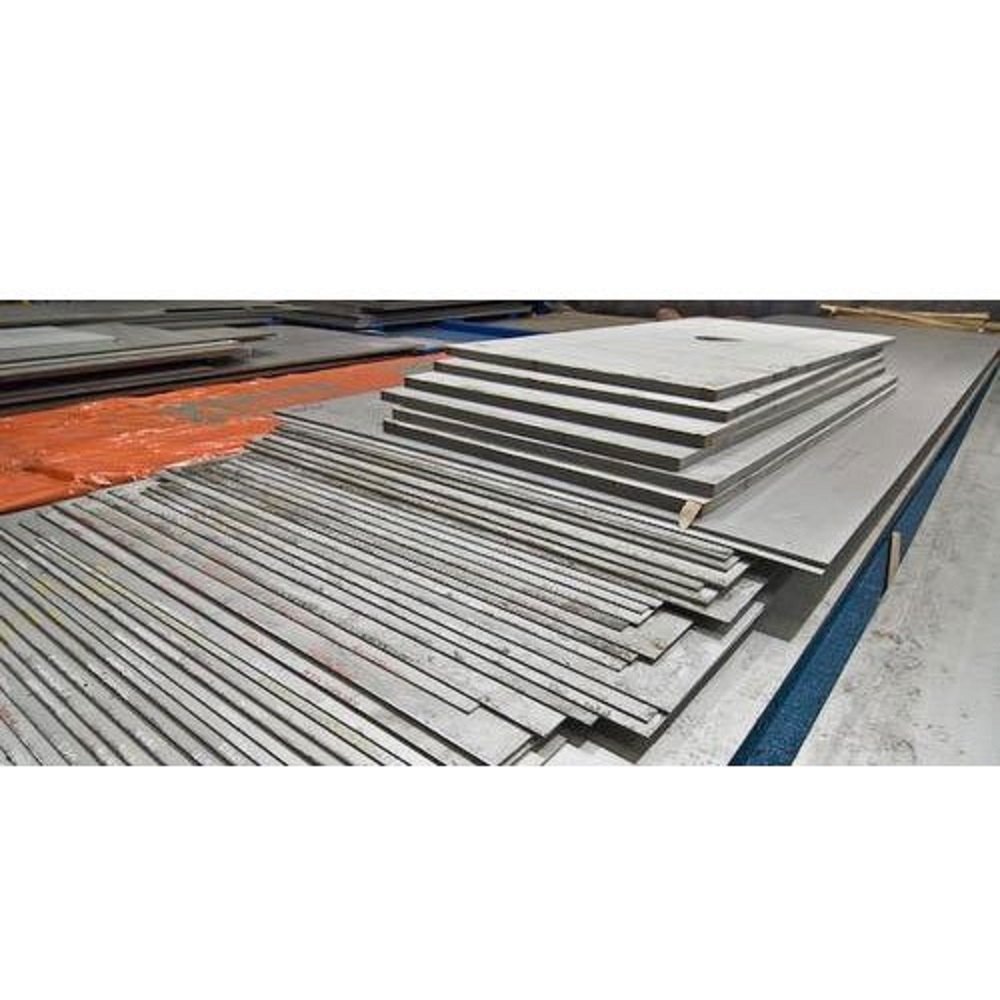
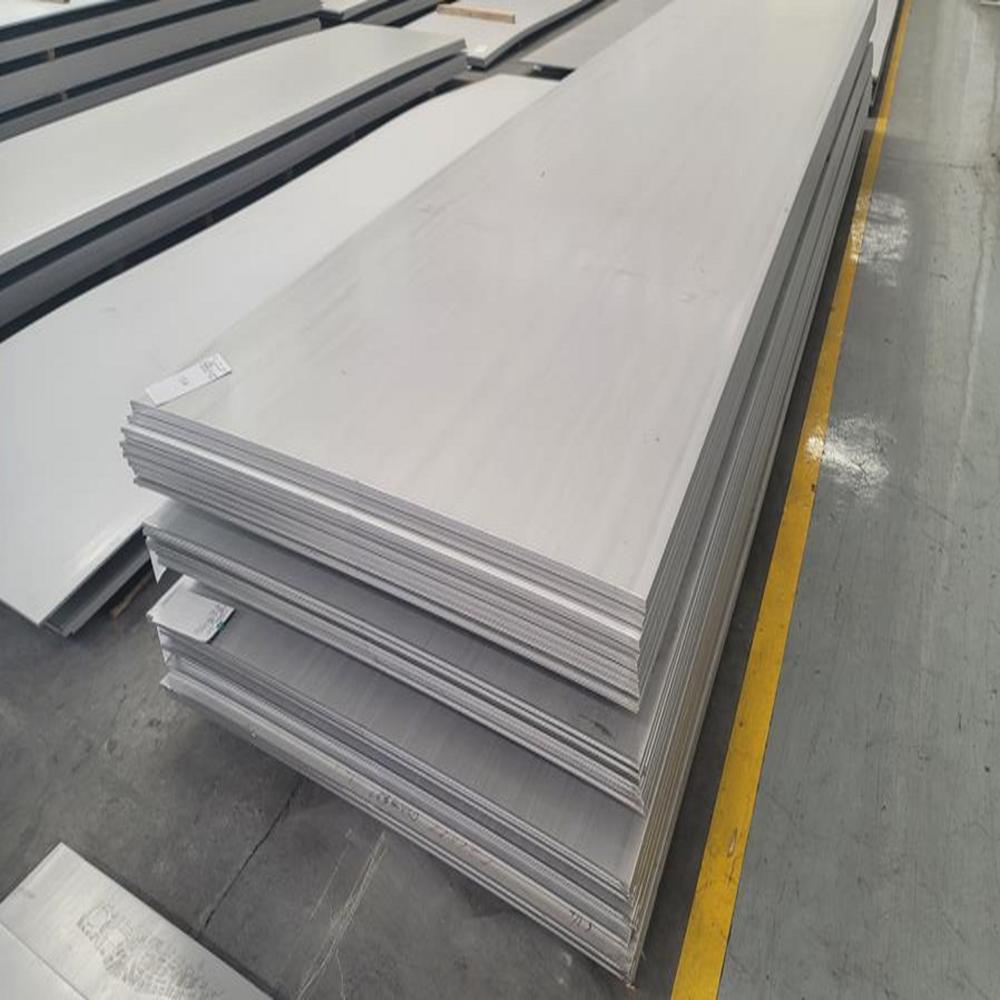
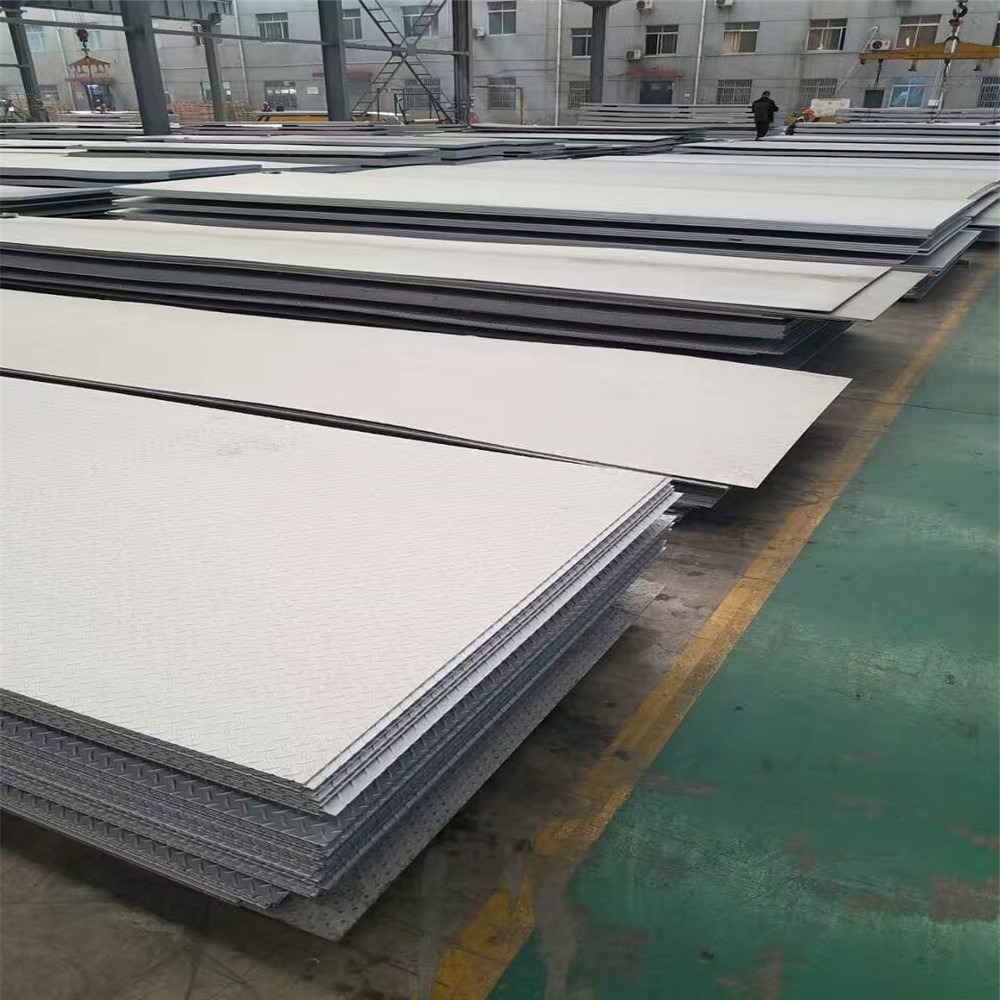
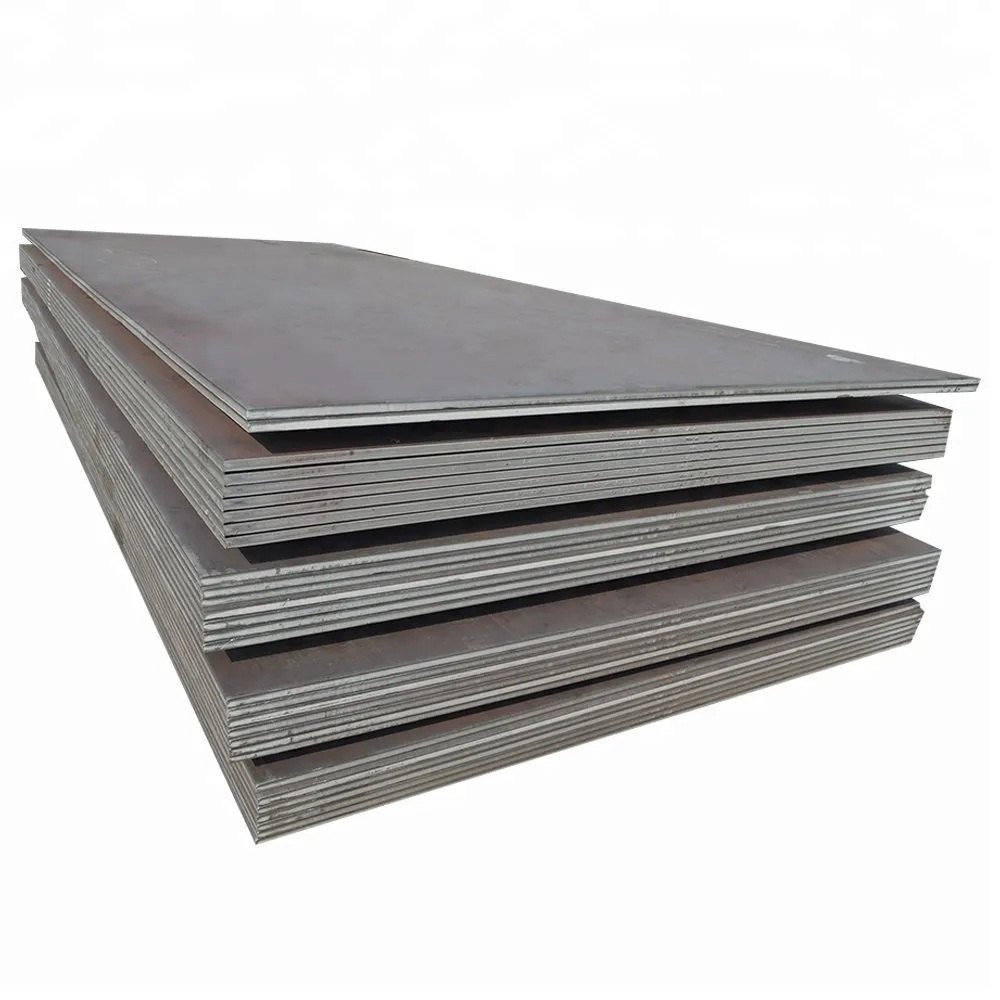
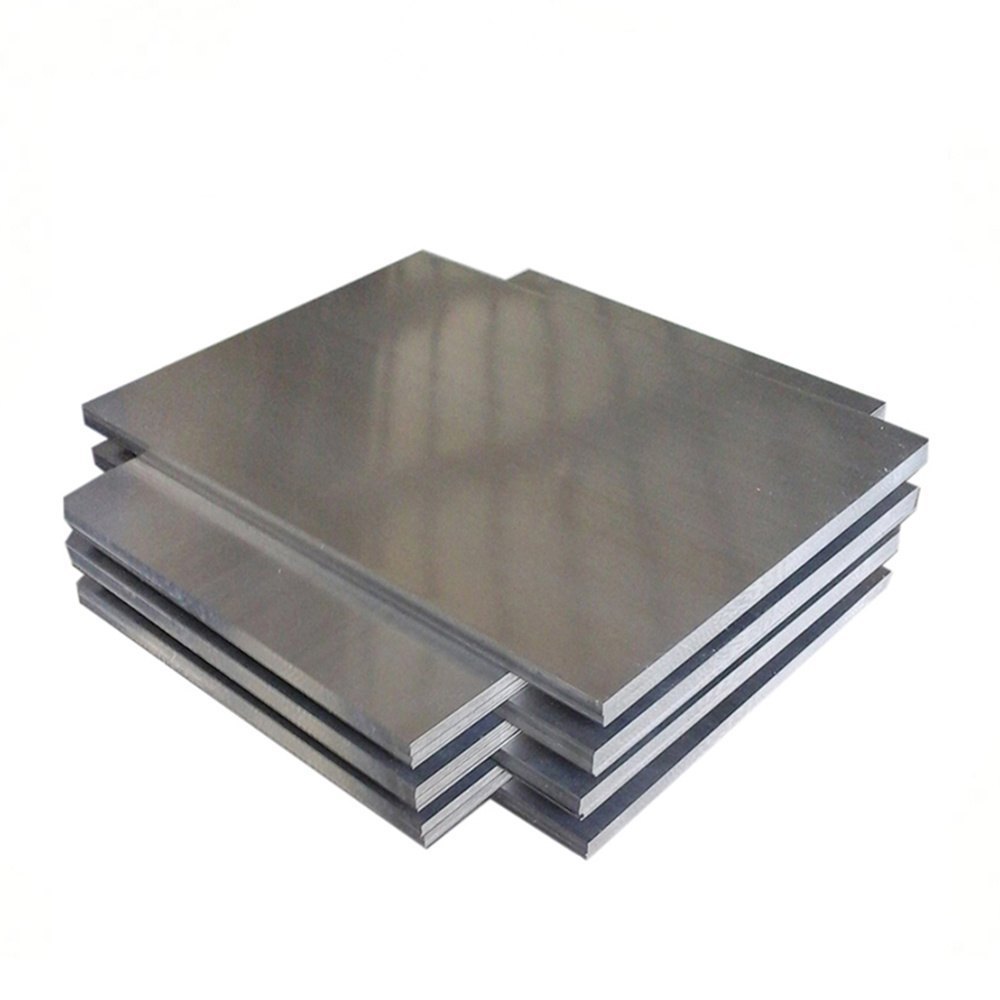
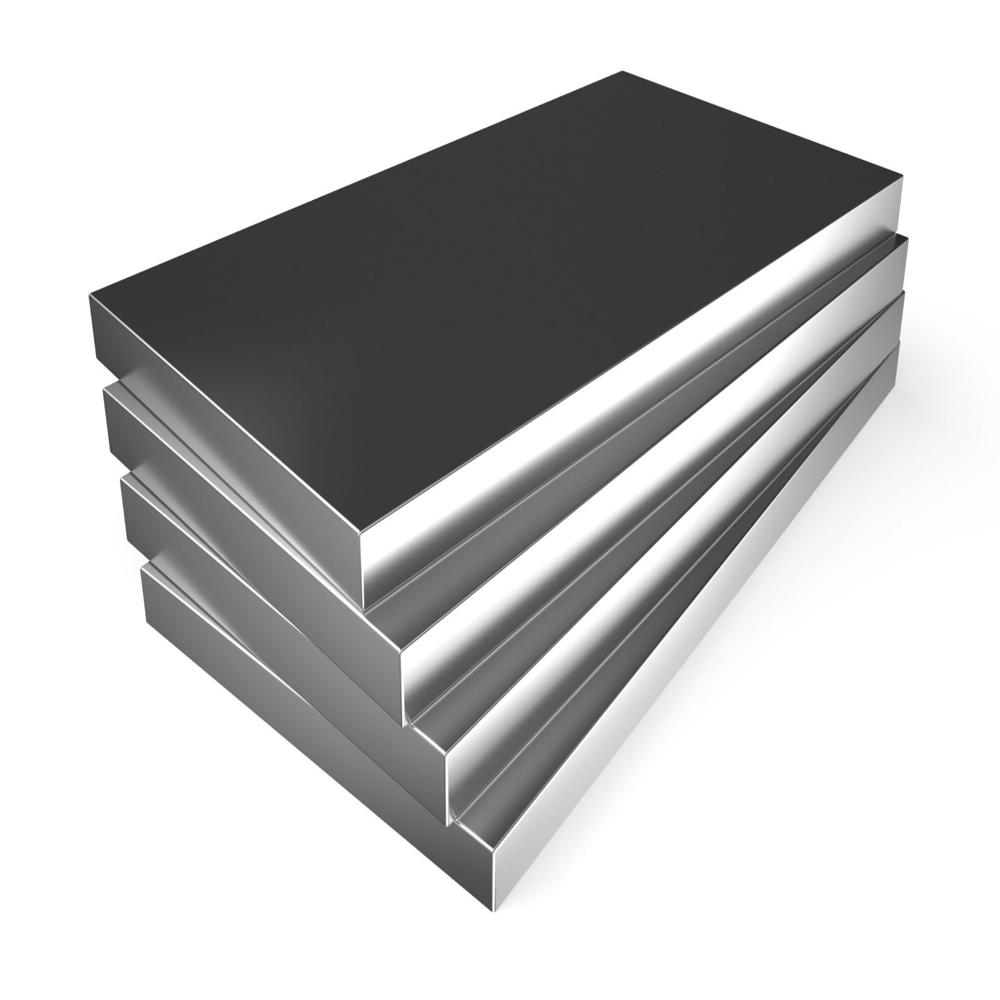
Customizability and Fabrication AdvantagesAvailable in a range of thicknesses from 2 mm to 100 mm and widths up to 2500 mm, these plates can be custom-cut to precise dimensions and shapes. They exhibit good weldability without the need for pre-heating and fair machinability with carbide tooling, making them versatile for fabrication and construction needs.
FAQ's of Super Duplex Steel S32750 Plates:
Q: How are Super Duplex Steel S32750 Plates typically used in industry?
A: These plates are primarily used in chemical processing, oil and gas, marine engineering, desalination plants, pulp and paper processing, heat exchangers, and pressure vessels. Their high strength and corrosion resistance make them suitable for applications where durability in harsh environments is crucial.
Q: What benefits does S32750's duplex structure provide?
A: The duplex (austenite and ferrite) microstructure offers a balance between high mechanical strength and excellent resistance to stress corrosion and pitting, especially in chloride or aggressive chemical environments. This ensures longer equipment life and reduced maintenance.
Q: What is the weldability of Super Duplex Steel S32750 Plates?
A: These plates have good weldability and do not require pre-heating, simplifying fabrication. Standard welding practices for duplex stainless steels can be used. Post-weld heat treatment is generally not necessary unless specified for particular service requirements.
Q: When should carbide tooling be used during machining?
A: Due to the plate's fair machinability and high alloy content, carbide tooling is recommended for machining operations. This ensures efficient cutting, longer tool life, and precise finishes, especially for thicker or custom-cut plates.
Q: Where can S32750 Plates be installed with the most benefit?
A: They are most beneficial in sectors exposed to seawater, brine, or aggressive chemicals, such as marine construction, desalination, offshore oil rigs, and chemical processing plants, thanks to their resilience to pitting and stress corrosion.
Q: What is the process for ordering custom plate sizes and finishes?
A: Customers can specify dimensional requirements (length, width, thickness), shape (rectangular, square), and finish (2B, BA, No.1, No.4) when placing orders. The plates are manufactured as per these specifications and relevant standards (ASTM A240/ASME SA240).
Q: How does temperature affect the performance of S32750 Plates?
A: These plates maintain high impact toughness at sub-zero temperatures and good heat resistance up to 300C continuous exposure, making them suitable for both cryogenic and moderate high-temperature environments.





 Send Inquiry


 Send Inquiry
 Send Inquiry
 Send SMS


