Titanium Gr 23 Sheet About
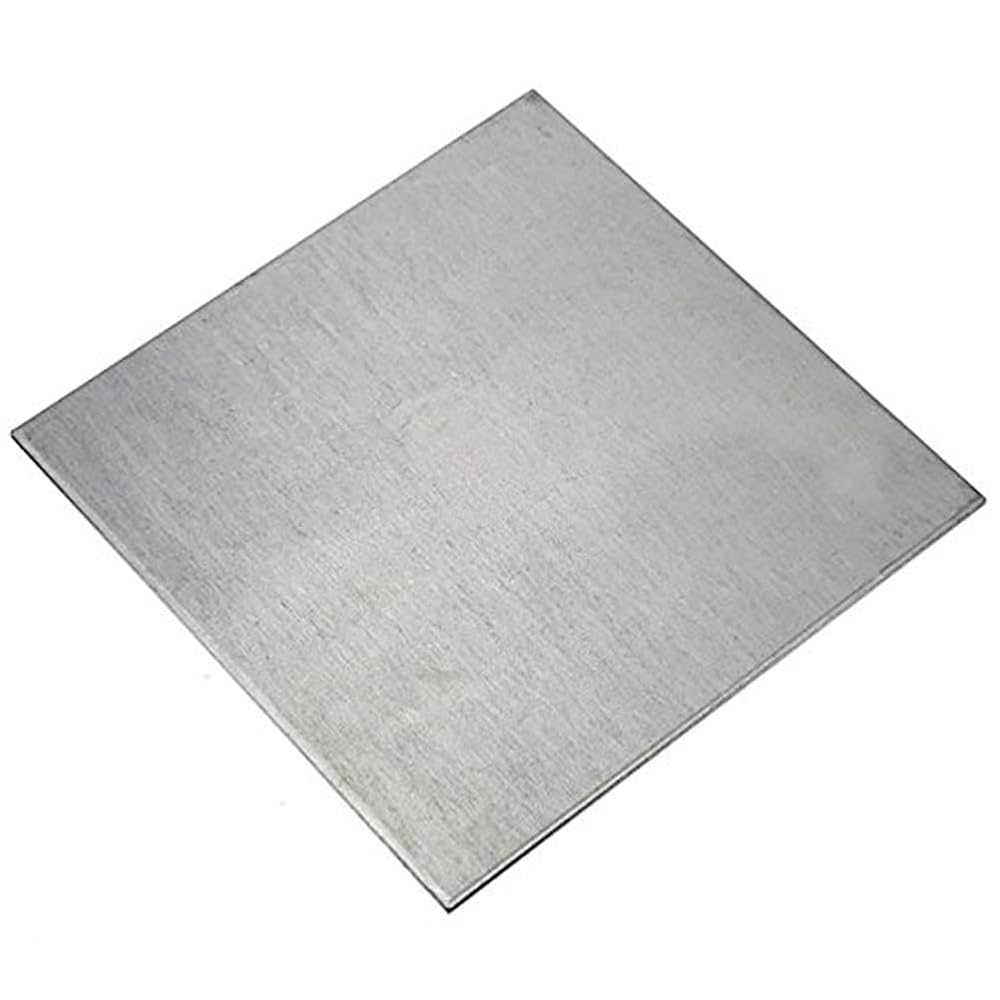
Titanium Grade 23 Sheet is an alloy of
titanium,
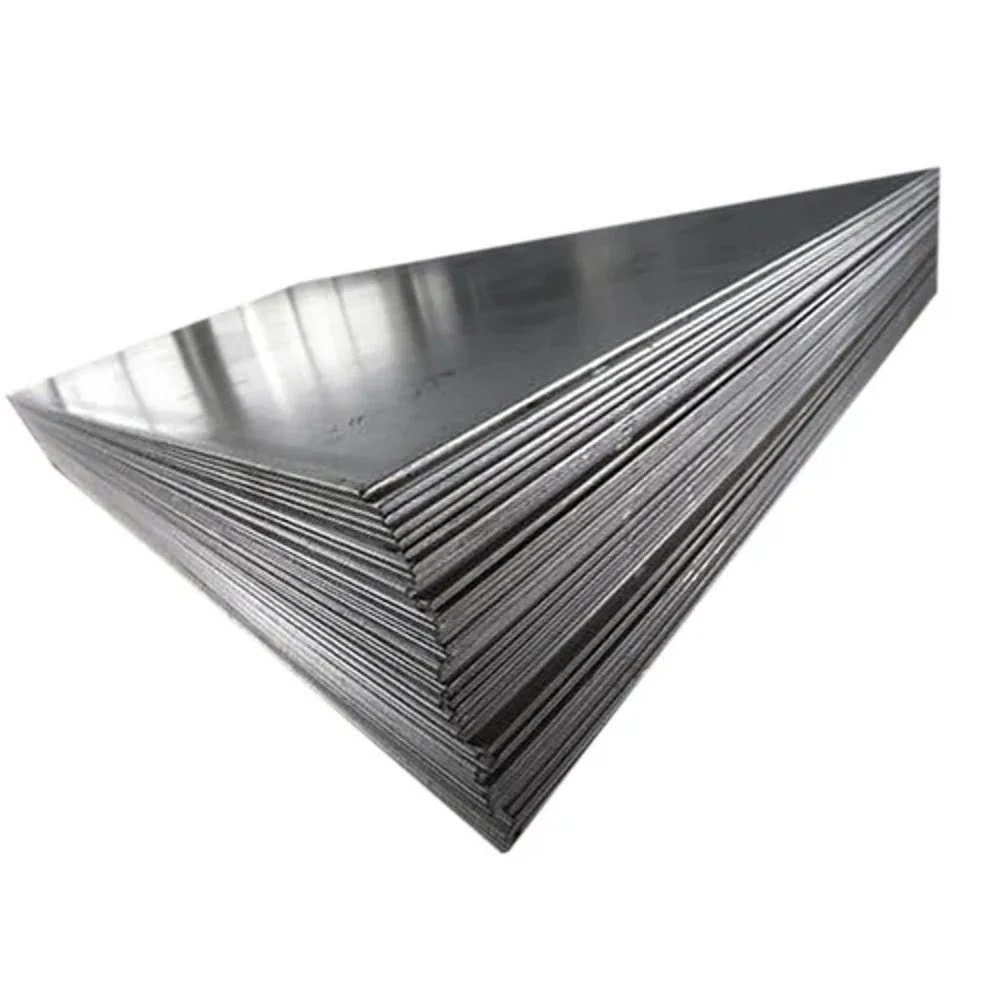
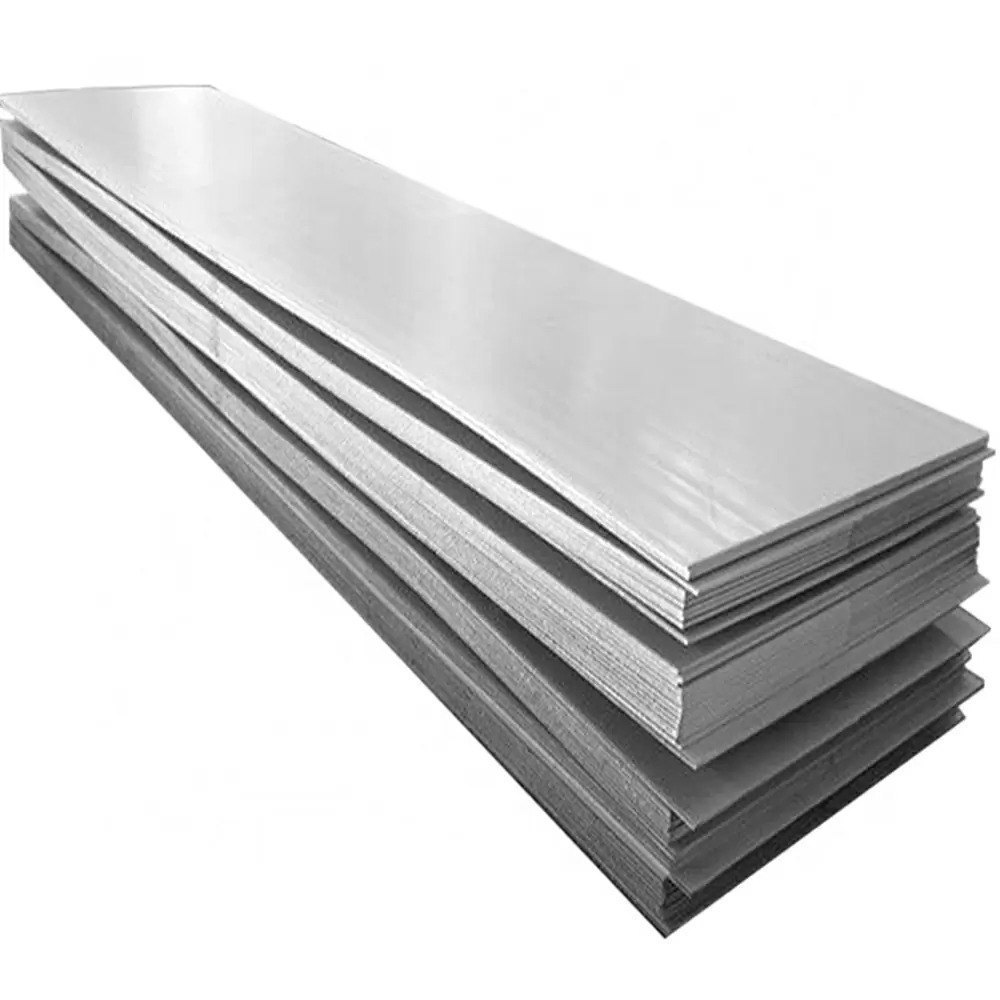
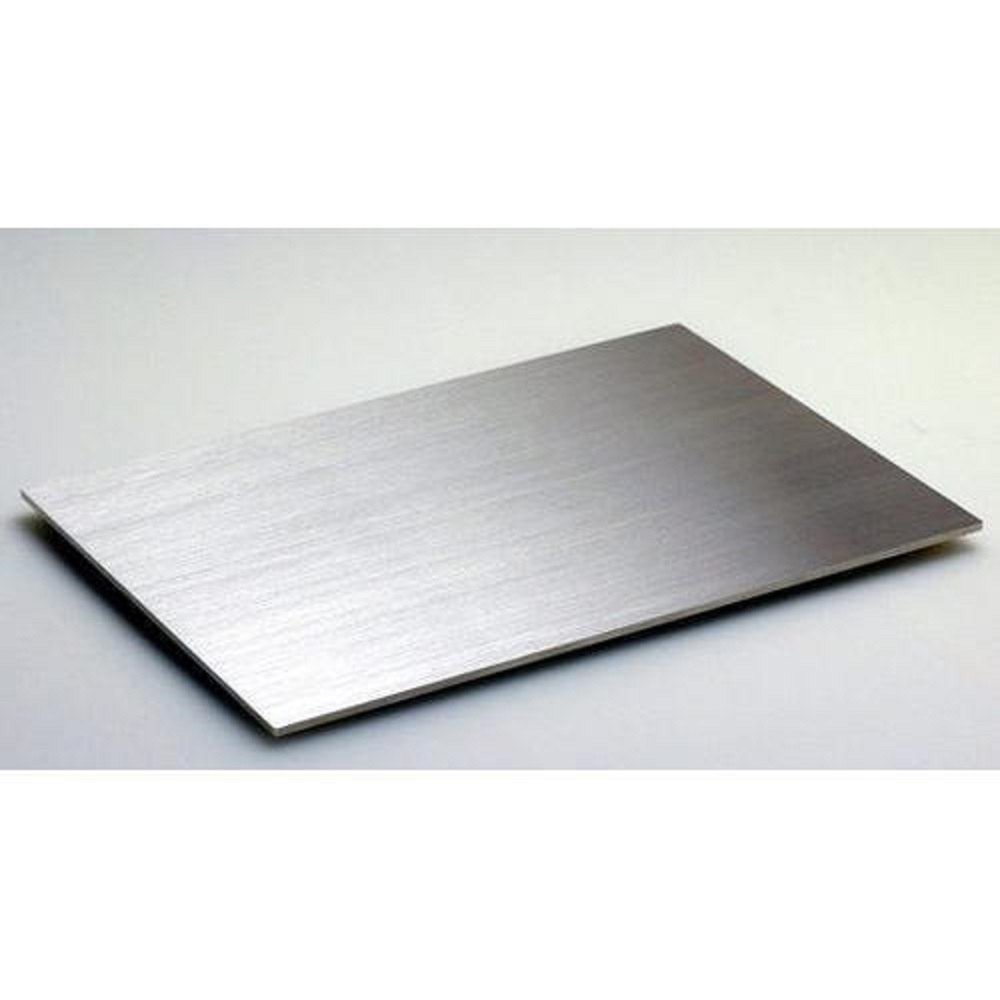
aluminium and vanadium. This sheet is used in many applications and offers superior corrosion resistance to standard Ti-6Al-4V grade sheets due to its higher aluminium content and improved formability. It is also half the weight of steel while offering comparable strength, making it a more lightweight yet strong choice for many engineering projects
Exceptional Mechanical and Thermal PropertiesTitanium Gr 23 Sheet ensures high reliability due to its outstanding mechanical properties, such as a minimum tensile strength of 825 MPa and a Rockwell C hardness of 36. Additionally, with an elastic modulus of 110 GPa and a specific heat capacity of 0.526 J/gK, it performs reliably under varying thermal conditions, making it suitable for a variety of advanced engineering applications.
Versatile Applications Across IndustriesThese titanium alloy sheets are designed for versatility, finding use in aerospace components, medical implants, marine engineering projects, and chemical processing systems. Their excellent corrosion resistance and biocompatibility make them especially valued in sensitive and high-performance environments where reliability and safety are paramount.
FAQ's of Titanium Gr 23 Sheet:
Q: How is Titanium Gr 23 Sheet manufactured to meet industry standards?
A: Titanium Gr 23 Sheet is produced following industry standards such as ASTM B265 and AMS 4907, ensuring premium quality. The manufacturing process involves hot or cold rolling, followed by annealing, to achieve the desired mechanical properties and surface finish. Each sheet is crafted with precise chemical and dimensional specifications.
Q: What are the primary uses of Titanium Gr 23 Sheet?
A: This titanium alloy sheet is widely used in aerospace components, medical implants, marine engineering equipment, and chemical processing systems. Its high strength, low density, and superior corrosion resistance make it ideal for applications requiring both durability and lightweight performance.
Q: When should I choose an annealed, hot rolled, or cold rolled finish for my project?
A: The appropriate finish depends on your application's requirements. Hot-rolled sheets provide good formability for structural applications, cold-rolled sheets offer enhanced surface smoothness and dimensional accuracy, while annealed sheets are chosen when improved ductility and stress relief are needed, such as for medical and aerospace uses.
Q: Where can Titanium Gr 23 Sheet be customized to fit specific project requirements?
A: These sheets are available in various widths (up to 1500 mm) and lengths (up to 6000 mm), with thicknesses ranging from 0.5 mm to 12 mm. Custom dimensions and finishes can be accommodated upon request, making them suitable for specialized projects in different industries.
Q: What benefits does Titanium Gr 23 offer compared to other titanium alloys?
A: Titanium Gr 23 distinguishes itself through its extra-low interstitial elements and high purity, giving it enhanced fracture toughness and biocompatibility. These attributes make it particularly popular for medical implants and aerospace parts, where strength, reliability, and corrosion resistance are crucial.
Q: How does the weldability and machinability of this alloy affect fabrication?
A: Titanium Gr 23 displays good weldability, allowing for secure and precise joining in component fabrication. It has fair machinability, so specialized tools and techniques are recommended for best results during cutting or forming, especially for complex or high-precision parts.





 Send Inquiry


 Send Inquiry
 Send Inquiry
 Send SMS
 Call Me Free


