Duplex Steel S31803 Plates About
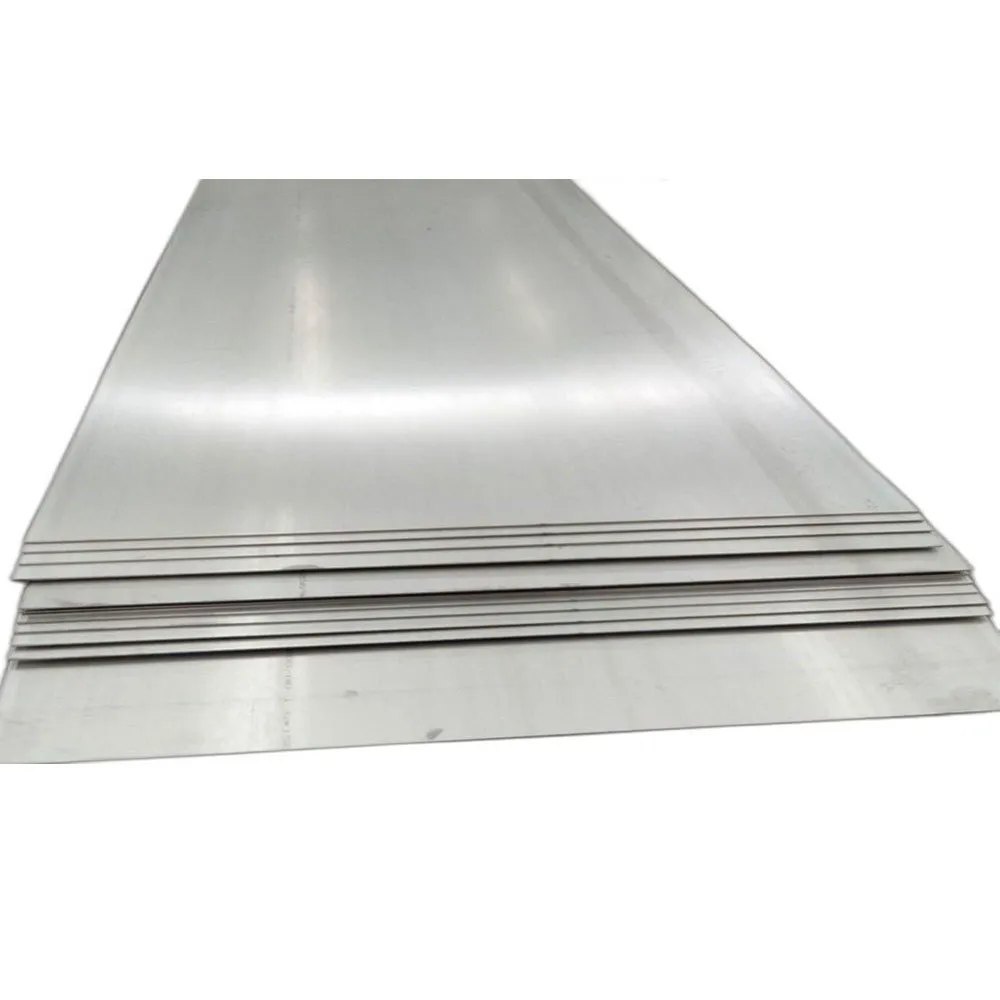
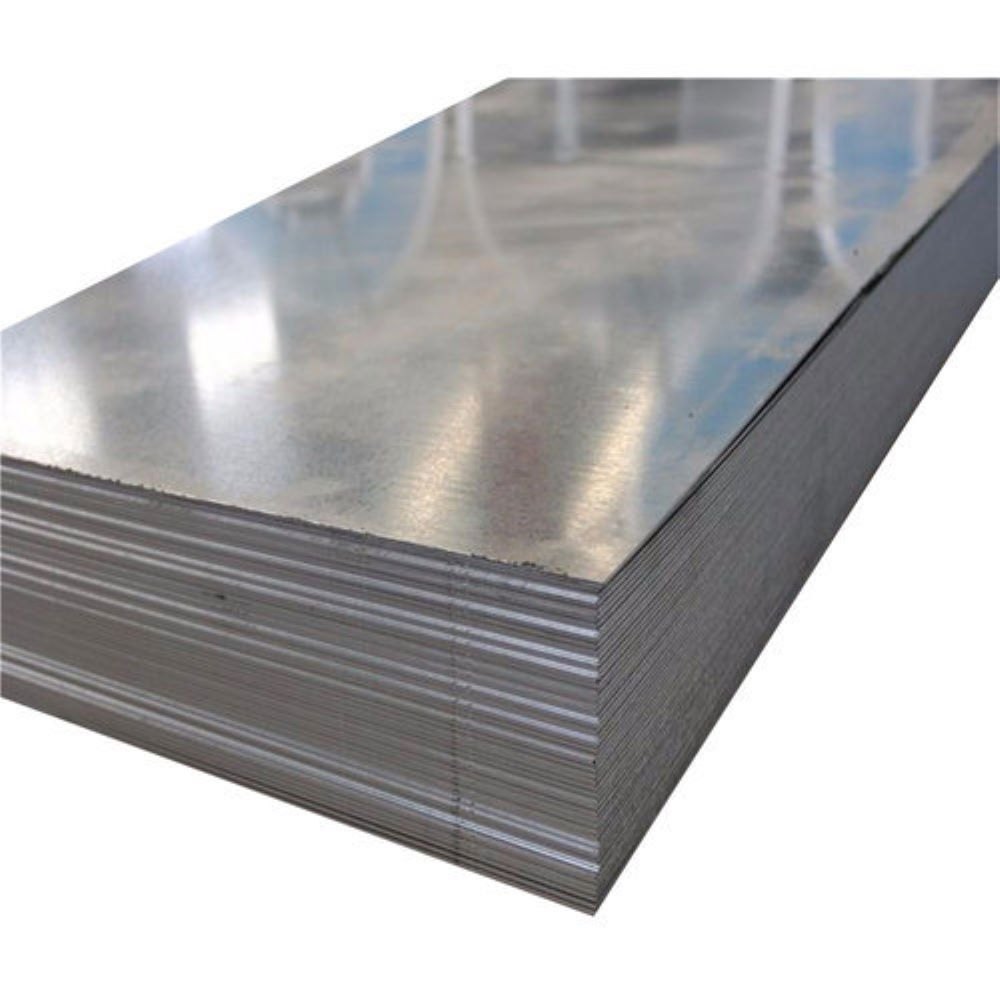
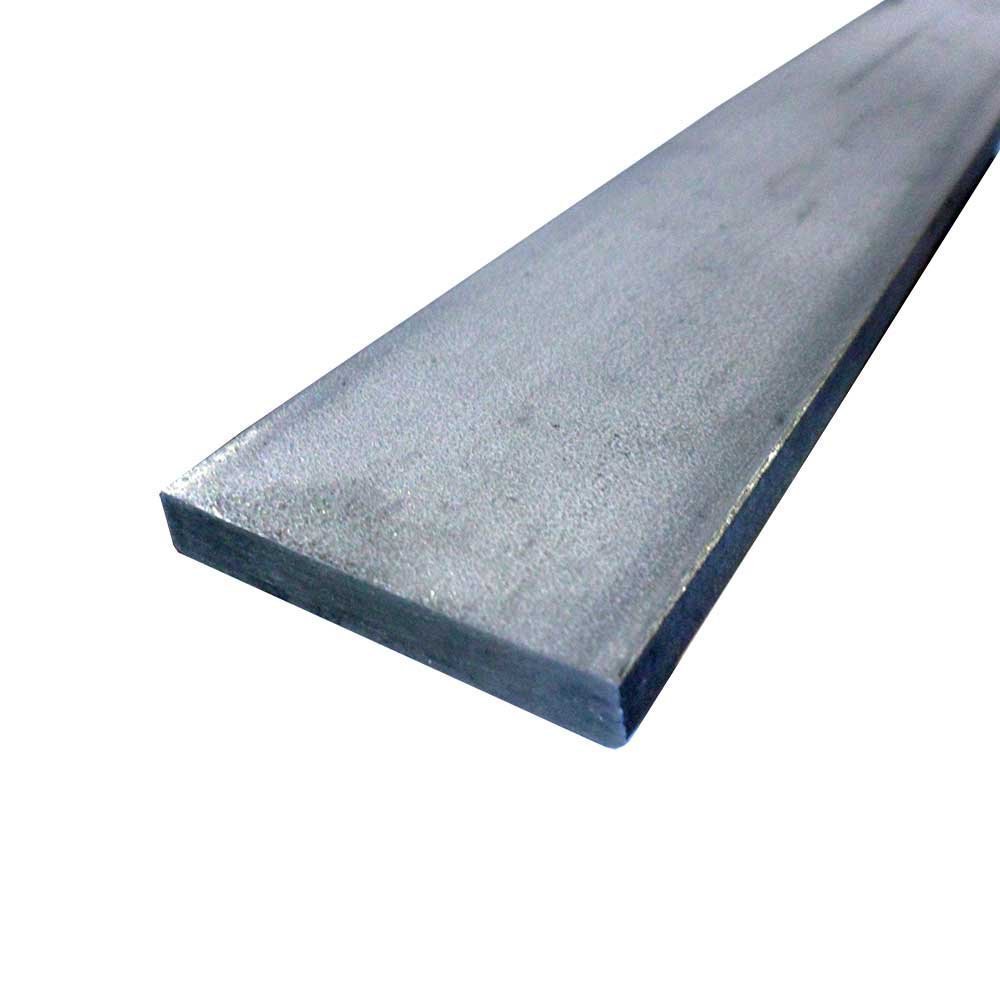
Duplex steel plates are flat steel material produced by duplex stainless steel, which is a combination of austenitic and ferritic stainless steel. Due to these properties, they are ideal for high-pressure and corrosive applications, thus making them ideal for structural and industrial applications.
Superior Mechanical PropertiesDuplex Steel S31803 Plates are engineered to provide high tensile strength (min. 620 MPa) and yield strength (min. 450 MPa), while maintaining good ductility with at least 25% elongation. These attributes ensure the plates can withstand both heavy loads and demanding fabrication processes such as bending, roll forming, and welding with low heat input.
Exceptional Corrosion and Heat ResistanceThanks to their duplex structure and carefully balanced alloy composition, S31803 plates offer remarkable resistance to pitting, crevice, and chloride stress corrosion. Their performance remains reliable even in marine and chemical environments. Additionally, these plates are heat resistant up to 300C, suiting a wide range of industrial applications.
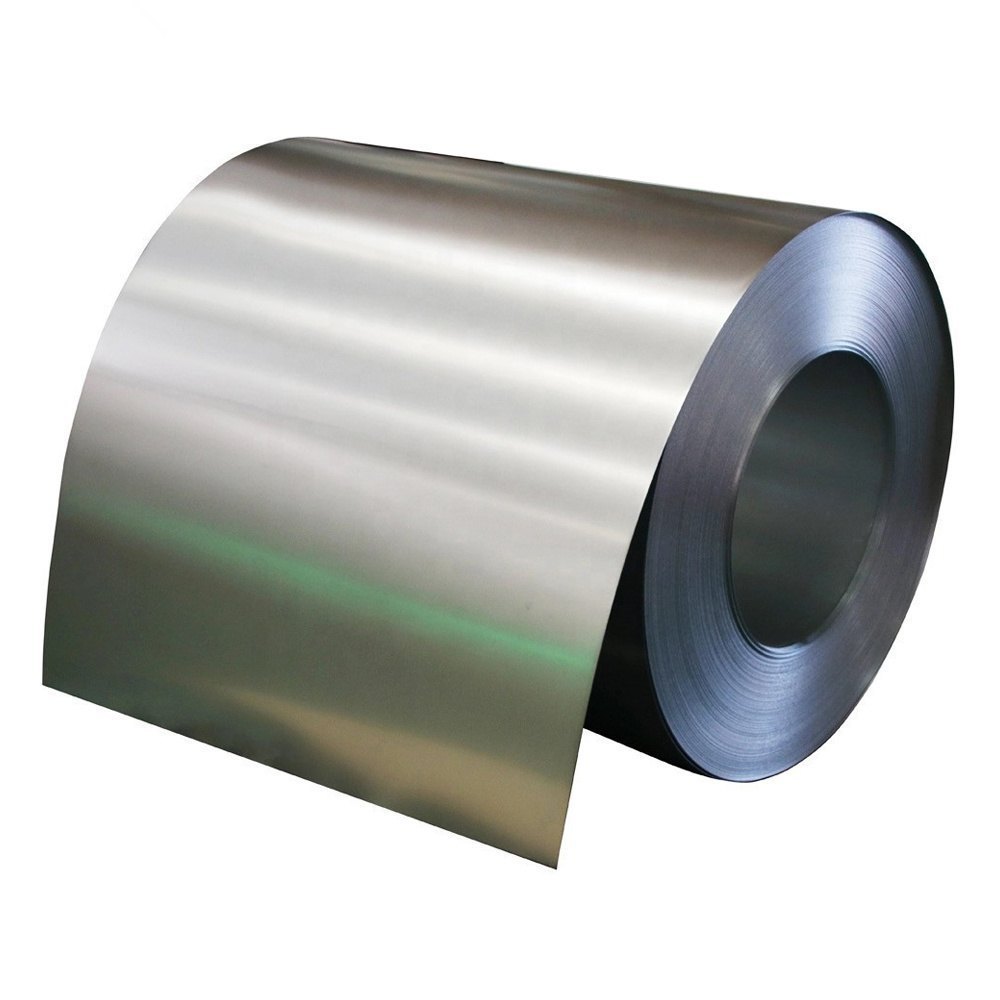
Versatile Applications and CustomizationAvailable in standard and custom sizes, Duplex Steel S31803 Plates are delivered in hot or cold rolled, annealed, and pickled conditions. Their versatility makes them favored in pressure vessels, heat exchangers, structural components, and equipment for oil & gas, chemical processing, and desalination industries. All plates are packed to withstand export shipment.
FAQ's of Duplex Steel S31803 Plates:
Q: How are Duplex Steel S31803 Plates typically processed and finished?
A: These plates undergo hot or cold rolling, followed by annealing and pickling to ensure optimal mechanical properties and surface quality. They can be supplied in various finishes, such as 2B, BA, No.1, No.4, and No.8, based on application needs.
Q: What benefits make S31803 plates suitable for chemical and marine industries?
A: Their excellent resistance to chloride-induced pitting and stress corrosion, combined with superior strength, makes them ideal for harsh environments found in chemical processing and marine applications. The duplex microstructure also ensures good durability in demanding operational conditions.
Q: When is low heat input welding recommended for these plates?
A: Low heat input welding is advised during fabrication to preserve the duplex microstructure and mechanical properties. This process minimizes the risk of adverse effects such as decreased corrosion resistance or embrittlement in the heat-affected zones.
Q: Where can Duplex Steel S31803 Plates be utilized?
A: These plates are widely used in oil & gas, petrochemical, power generation, desalination, pulp & paper, and marine industries. Their impressive mechanical and anti-corrosive attributes make them suitable for various critical components such as heat exchangers, pressure vessels, and structural parts.
Q: What forming techniques can be applied to Duplex Steel S31803 Plates?
A: The plates exhibit good workability and can be bent or roll-formed into required shapes without compromising structural integrity. Annealing ensures they remain ductile and workable throughout forming processes.
Q: How does the composition of S31803 enhance its properties?
A: The balanced composition of chromium, nickel, and molybdenum, along with nitrogen, enhances both strength and corrosion resistance. This structure allows the plates to resist cracking, pitting, and general degradation in aggressive environments.





 Send Inquiry


 Send Inquiry
 Send Inquiry
 Send SMS
 Call Me Free


