Duplex Steel UNS S31803 Nuts About
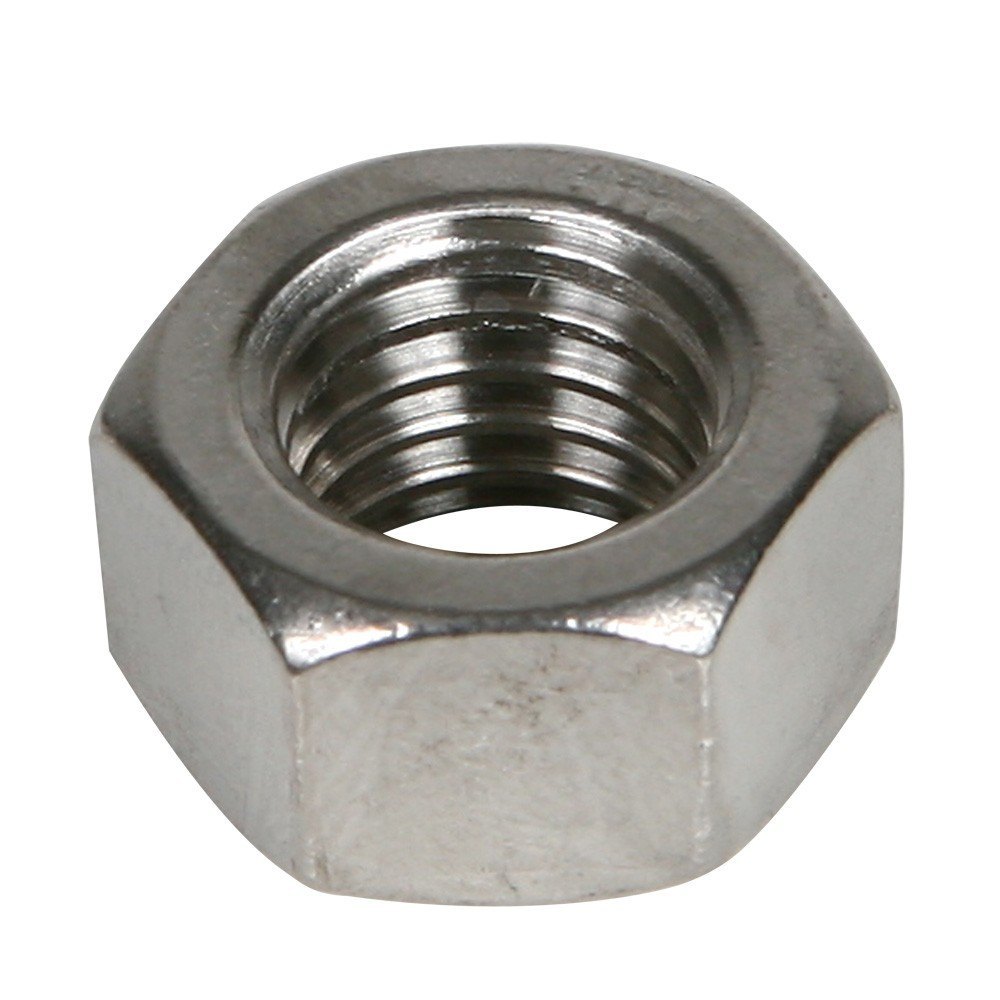
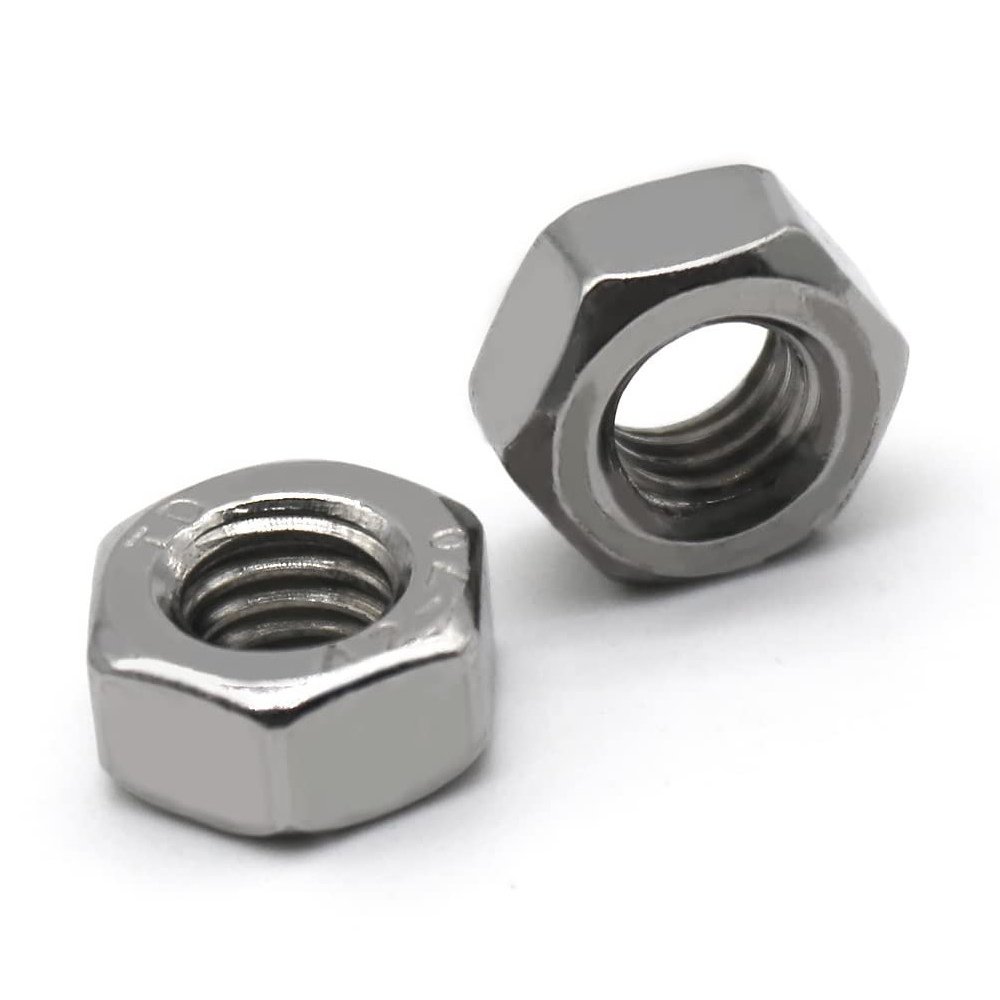
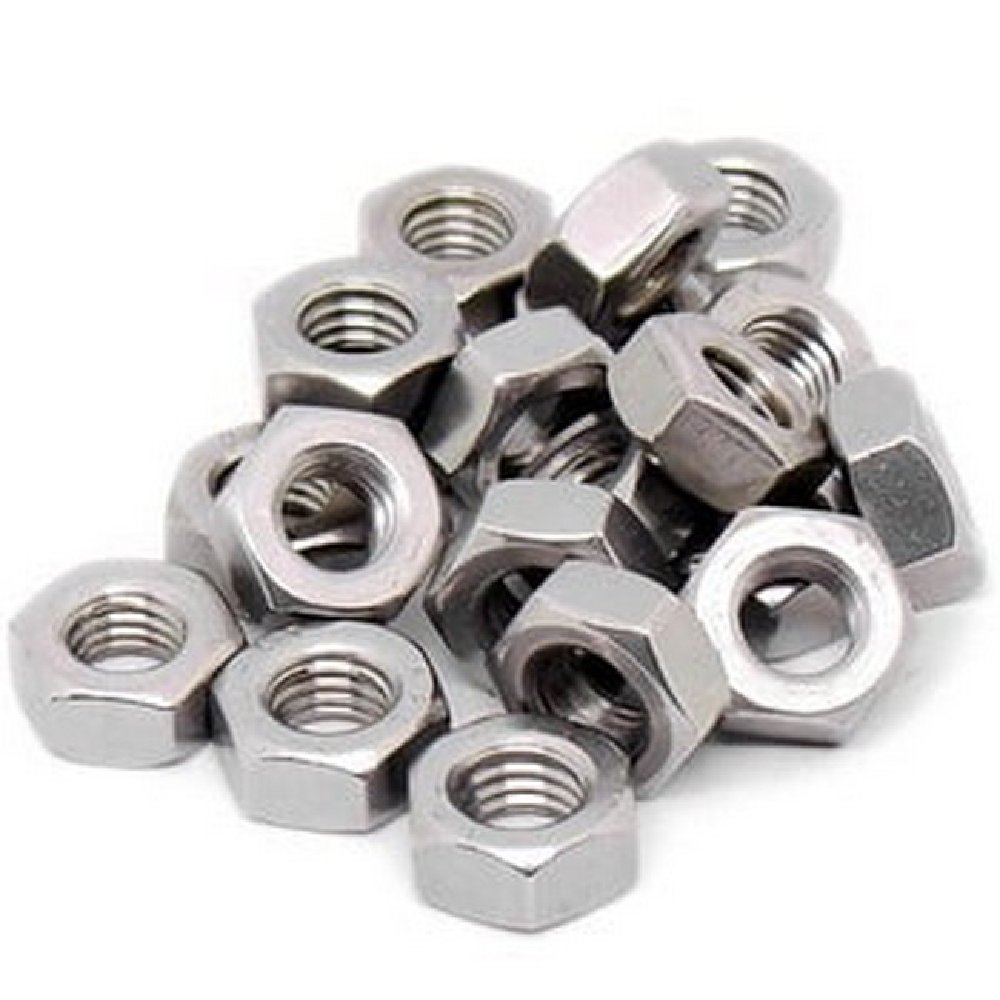
Duplex Steel UNS S31803 Nuts possess a unique chemical composition that gives them excellent strength and corrosion resistance. This highly alloyed
stainless steel consists of chromium, nickel, molybdenum and nitrogen with a minimum PREN (Pitting Resistance Equivalent Number) of 35. It also contains roughly 21-27% chromium, 3-5% nickel, 2-3% molybdenum, and a full 0.15%-0.2% nitrogen content, making it an incredibly durable material for fastening applications in harsh industrial environments. As such, Duplex Steel UNS S31803Nuts are widely available and preferred by many because of their remarkable combination of mechanical properties and corrosion resistance, as well as their cost-effectiveness compared to other materials on the market.
Superior Corrosion and Strength CapabilitiesUNS S31803 (Duplex 2205) nuts offer outstanding corrosion resistance and mechanical strength, making them highly reliable for use in aggressive environments. Their duplex microstructure provides a balance between strength and resistance to localized corrosion, even in marine and chemical processing applications. With a tensile strength of at least 620 MPa and good heat resistance up to 300C, they ensure enduring fastening performance under stress.
Customized Threading, Sizing, and FinishThese nuts can be supplied with different thread types, including Metric, UNC, UNF, and BSW, and feature standard, fine, or coarse pitches as specified. Wide size availability (M2 to M48) and custom options guarantee adaptability to project requirements. Finishes such as bright, pickled, passivated, plain, or coated (zinc, PTFE) are optionally provided to enhance protection and suit distinctive operational demands.
Versatile Applications Across IndustriesDuplex Steel UNS S31803 Nuts are trusted in sectors like marine, petrochemical, pulp & paper, oil & gas, chemical processing, and power generation. Their structural integrity, resistance to pitting, and ability to endure harsh environments make them a preferred fastening solution where reliability is paramount. Flexible packaging and a range of shapes accommodate unique installation needs.
FAQ's of Duplex Steel UNS S31803 Nuts:
Q: How are Duplex Steel UNS S31803 Nuts manufactured?
A: These nuts are produced using cold forged, hot forged, or precision-machined processes, ensuring robust mechanical properties and accurate dimensions. The method is chosen based on the required type, dimensions, and application specifications.
Q: What thread types and pitches are available for these nuts?
A: Duplex Steel UNS S31803 Nuts can be supplied with Metric, UNC, UNF, and BSW threads. Thread pitch options include standard, fine, or coarse, customizable as specified by the customer or relevant application standards.
Q: Where are these nuts typically used?
A: They are widely utilized in industries facing aggressive or corrosive environments, such as marine, petrochemical, oil & gas, chemical processing, pulp and paper, and power generation due to their excellent durability and corrosion resistance.
Q: What benefits do Duplex S31803 Nuts provide over standard stainless steel nuts?
A: These nuts exhibit superior corrosion resistance, especially in chloride-rich environments, higher strength, and better resistance to stress corrosion cracking compared to conventional stainless steels, making them ideal for demanding applications.
Q: What is the minimum order quantity for Duplex Steel UNS S31803 Nuts?
A: The minimum order quantity (MOQ) is set as per the manufacturer's policies and may differ based on size, shape, and customization requirements. Customers are encouraged to confirm MOQ based on their specific order details.
Q: What are the available shapes, finishes, and coatings for these nuts?
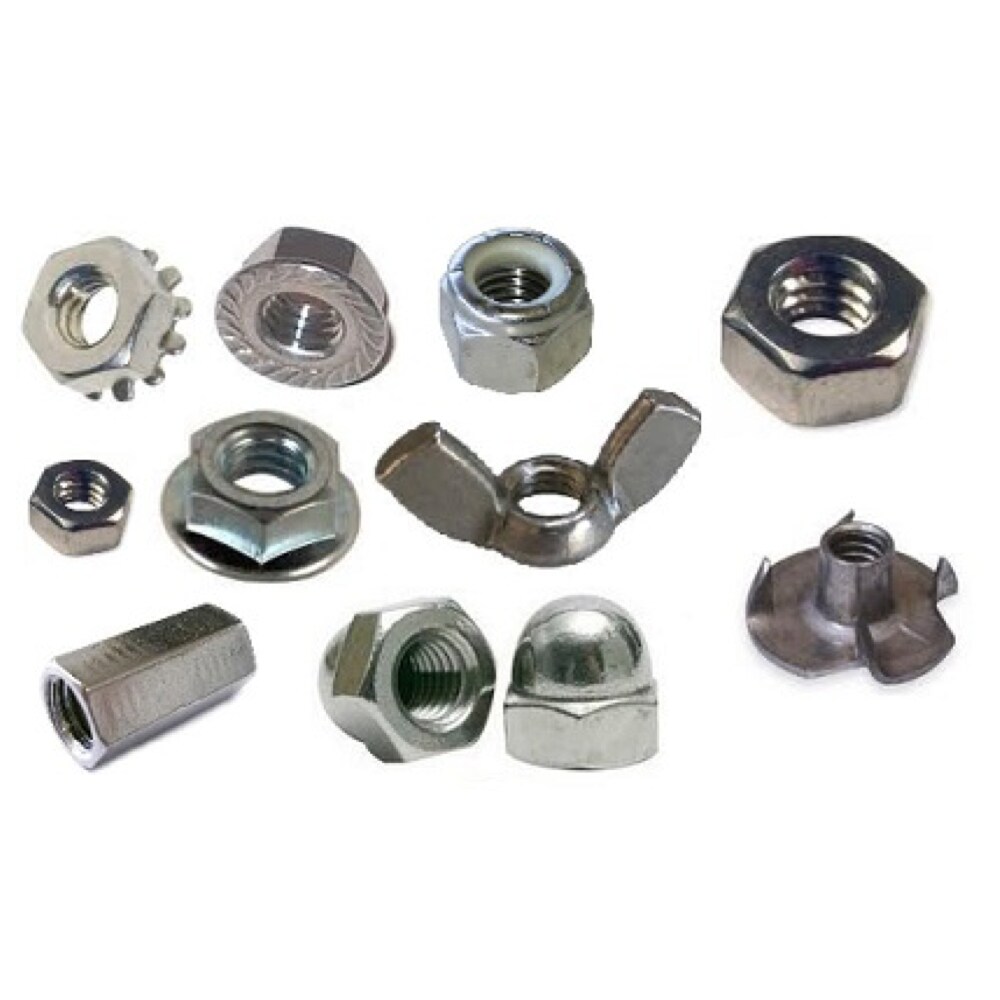
A: Shapes include hexagon, wing, cap, flange, T-nut, lock nut, and custom. Finishes offered are bright, pickled, passivated, plain, and zinc plated or hot-dip galvanized. Additional surface coatings such as PTFE are available on request.
Q: Do Duplex Steel UNS S31803 Nuts have magnetic or non-sparking properties?
A: These nuts are slightly magnetic due to their ferrite phase and are not classified as non-sparking, so they should not be used where non-sparking properties are required.





 Send Inquiry


 Send Inquiry
 Send Inquiry
 Send SMS


