Duplex Steel UNS S32205 Nuts About
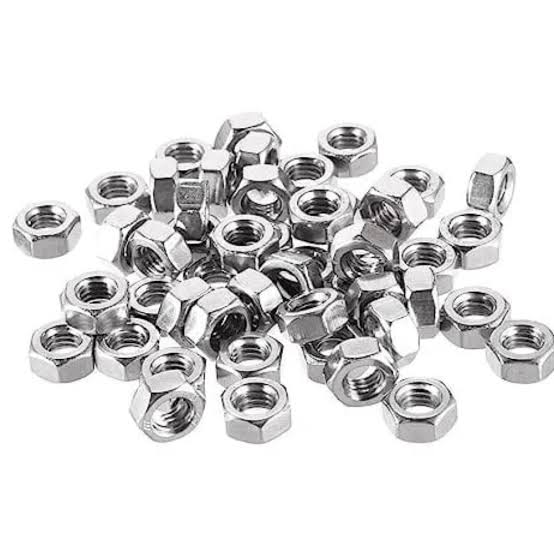
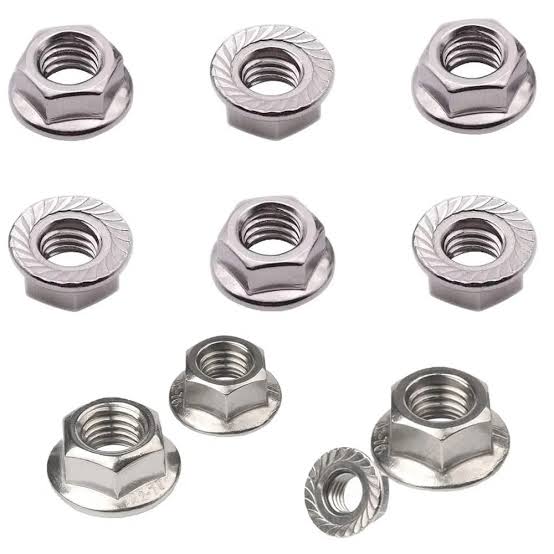
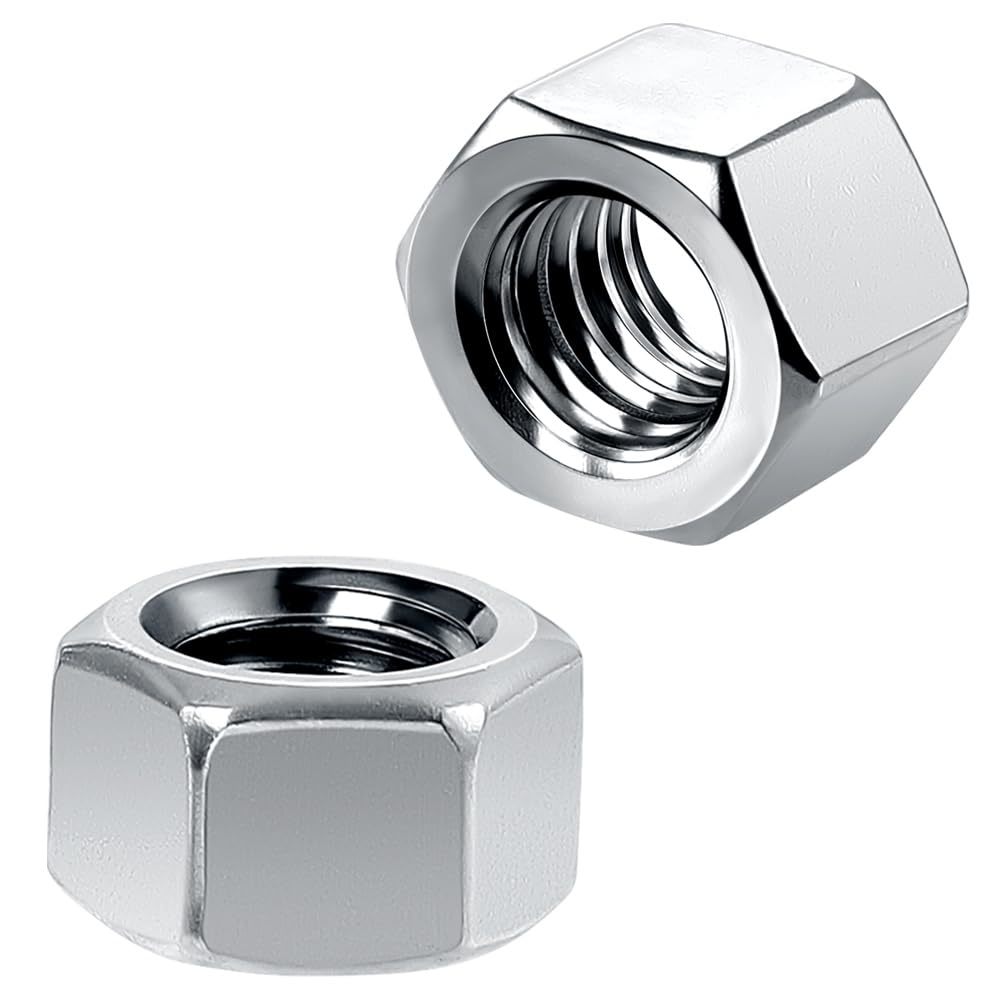
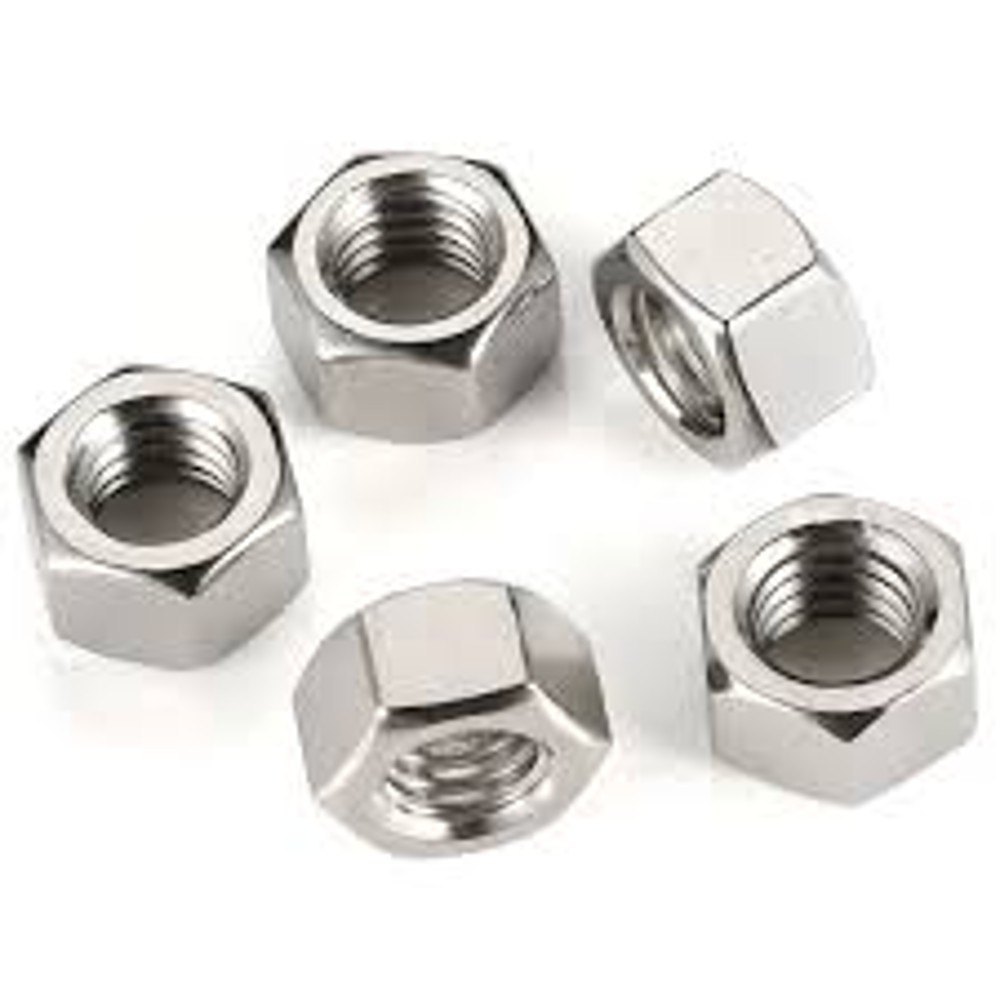
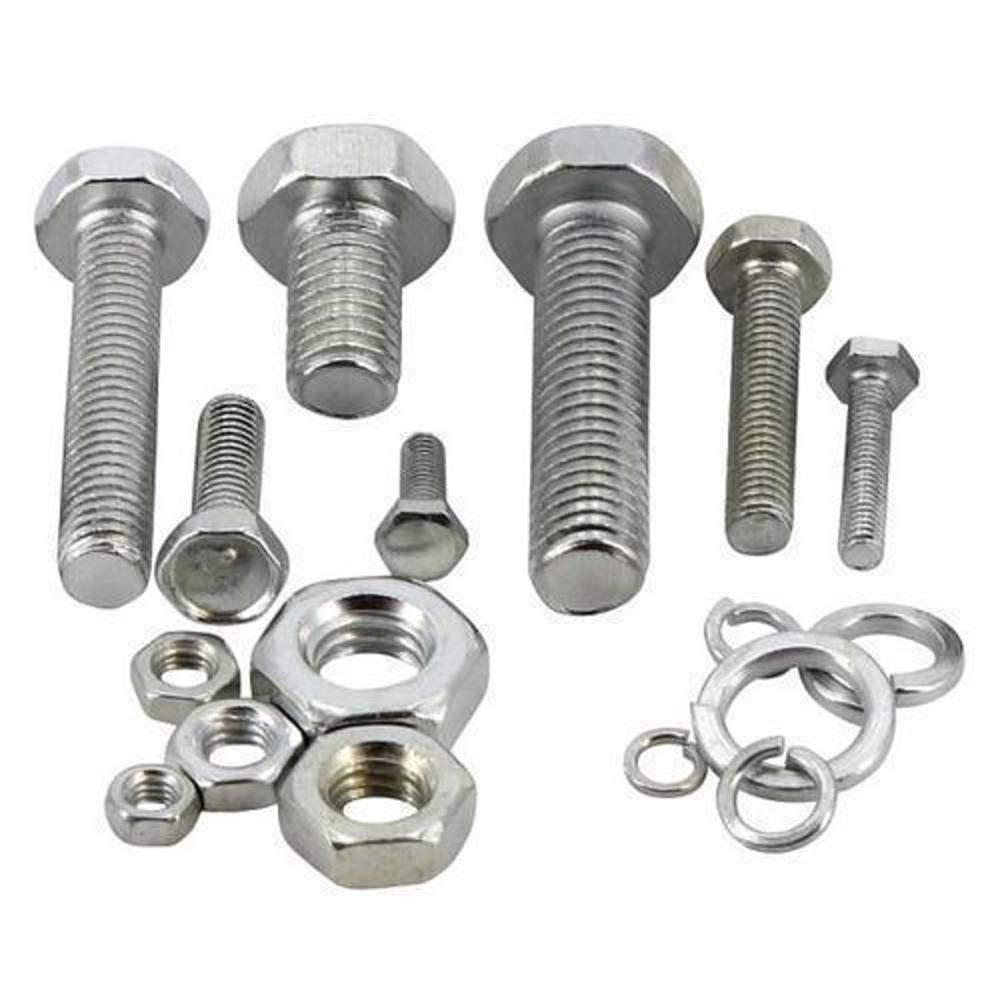
Duplex steel UNS S32205 Nuts are a popular design choice due to their durability and excellent corrosion resistance. They are composed mainly of chromium, nickel, and molybdenum, forming an alloy of about 50% ferritic and 50% austenitic. Their superior strength and resistance make them the preferred material for some of the most demanding applications in the engineering field, from off-shore oil rigs to chemical processing plants. Their high corrosion resistance level means they are often chosen when other materials fail to meet safety requirements. Duplex steel UNS S32205 nuts offer superior performance that may justify using higher-cost alloys instead.
Reliable Fastening in Critical EnvironmentsDuplex Steel UNS S32205 Nuts are engineered to secure fasteners effectively in challenging industrial settings including oil & gas, marine, and chemical sectors. Their fine/grain structure delivers exceptional mechanical strength, and the superior chemical composition makes them highly resistant to pitting, crevice, and stress corrosion. This ensures long-lasting reliability, particularly in aggressive environments.
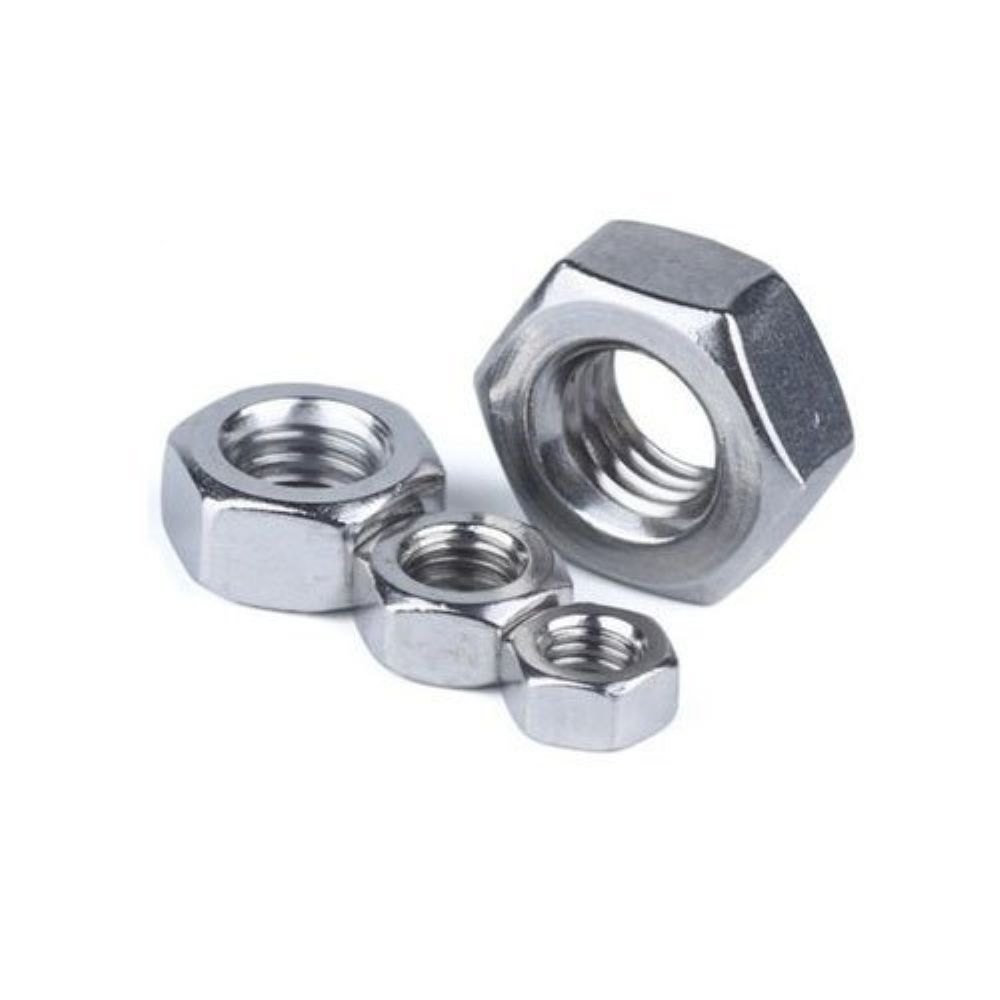
Customizable to Suit Every RequirementManufactured to international standards, these nuts can be ordered in custom widths, thicknesses, and diameters-from M2 up to M48. Both metric and inch thread types, as well as solution-annealed finishes and optional anti-galling coatings, are available to meet diverse project needs. With a minimum order quantity based on customer demand, orders are efficiently packed and dispatched in as little as 2-4 weeks.
Superior Performance and Environmental BenefitsThanks to their duplex microstructure, the nuts exhibit a balance of high tensile strength (620 MPa min) and hardness, while maintaining a lightweight, recyclable profile. Their bright, polished surface not only enhances aesthetics but also contributes to long-lasting service life and excellent resistance to both heat (up to 300C) and corrosion, making them a sustainable solution for demanding applications.
FAQ's of Duplex Steel UNS S32205 Nuts:
Q: How are Duplex Steel UNS S32205 Nuts beneficial for industrial applications?
A: These nuts provide outstanding strength and exceptional resistance to various forms of corrosion, making them suitable for harsh environments in oil & gas, petrochemical, marine, and chemical industries. Their durability minimizes maintenance and replacement costs.
Q: What thread types and pitches can I specify for these nuts?
A: You can select from metric, UNC, and UNF thread types, with either fine or coarse thread pitches, as required by your specific application. Custom diameters from M2 to M48 are available upon request.
Q: When should I choose Duplex Steel UNS S32205 Nuts over standard stainless steel nuts?
A: Opt for these nuts when you need enhanced mechanical strength, higher resistance to pitting and stress corrosion, or when your project requires a working temperature range from -50C to +300C. They excel in demanding, corrosive environments where standard stainless steel might fail.
Q: Where are these nuts commonly used?
A: Duplex Steel UNS S32205 Nuts are widely utilized in sectors requiring robust fastening solutions, such as offshore oil platforms, shipbuilding, power generation plants, petrochemical facilities, and other critical infrastructure projects.
Q: What is the typical lead time and packaging process?
A: Lead times range from 2-4 weeks, depending on order size and specifications. Each order is securely packaged in export-worthy cartons or wooden boxes to ensure safe arrival at your site.
Q: Can these nuts be customized in terms of size and surface finish?
A: Yes. Both standard and custom dimensions, including width, thickness, and surface finish (polished/plain), are available. Additional anti-galling lubricants or coatings can be applied if needed.
Q: What are the magnetic properties of Duplex Steel UNS S32205 Nuts?
A: Due to their duplex microstructure, these nuts are slightly magnetic, which is typical for this type of stainless steel and does not affect their industrial performance.





 Send Inquiry


 Send Inquiry
 Send Inquiry
 Send SMS
 Call Me Free


