Hastelloy B2 Angle About
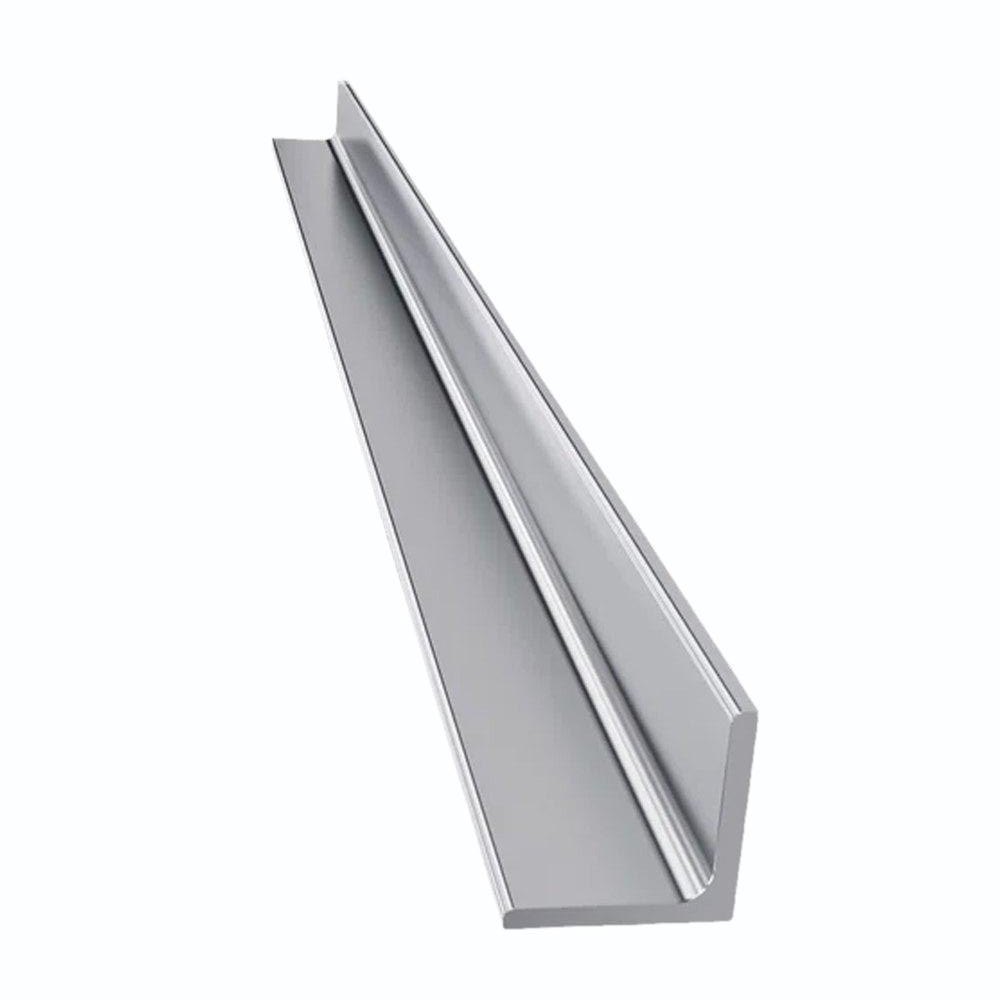
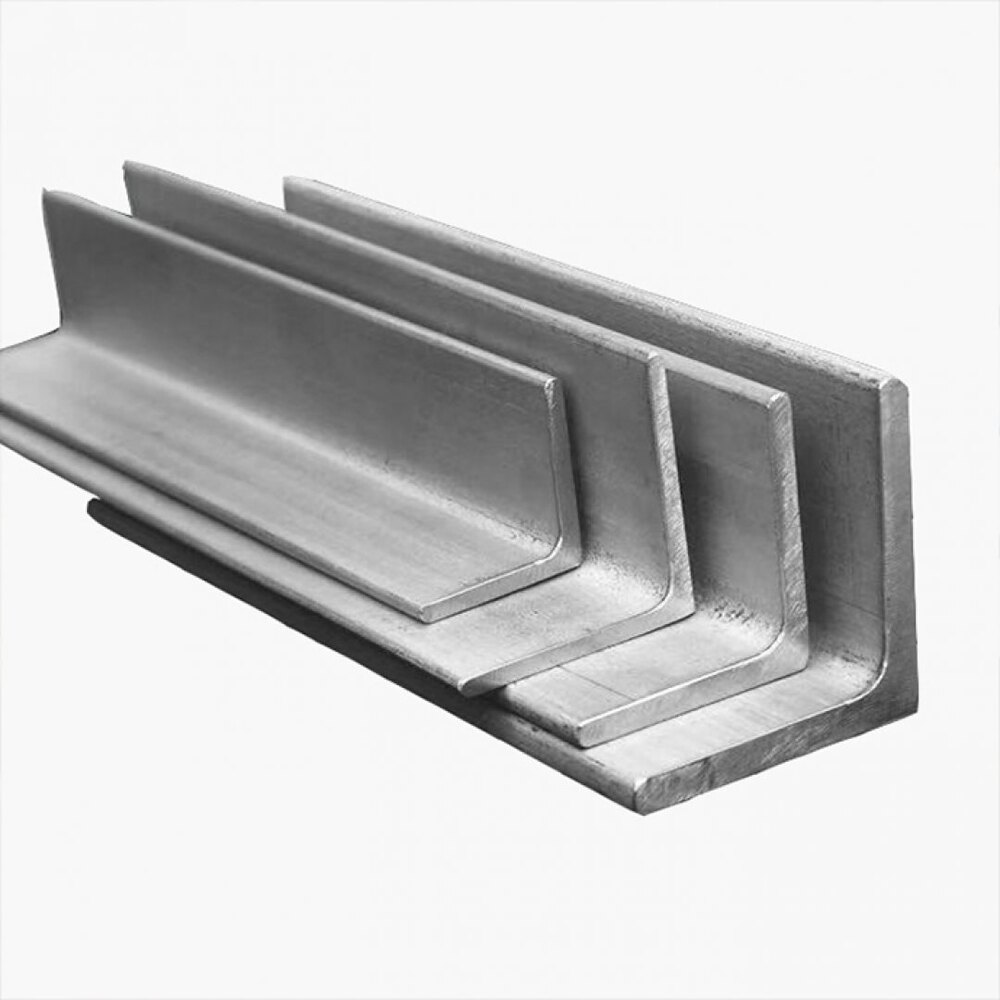
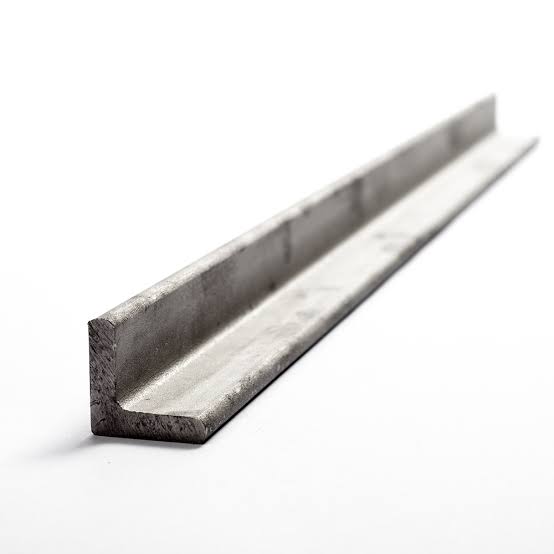
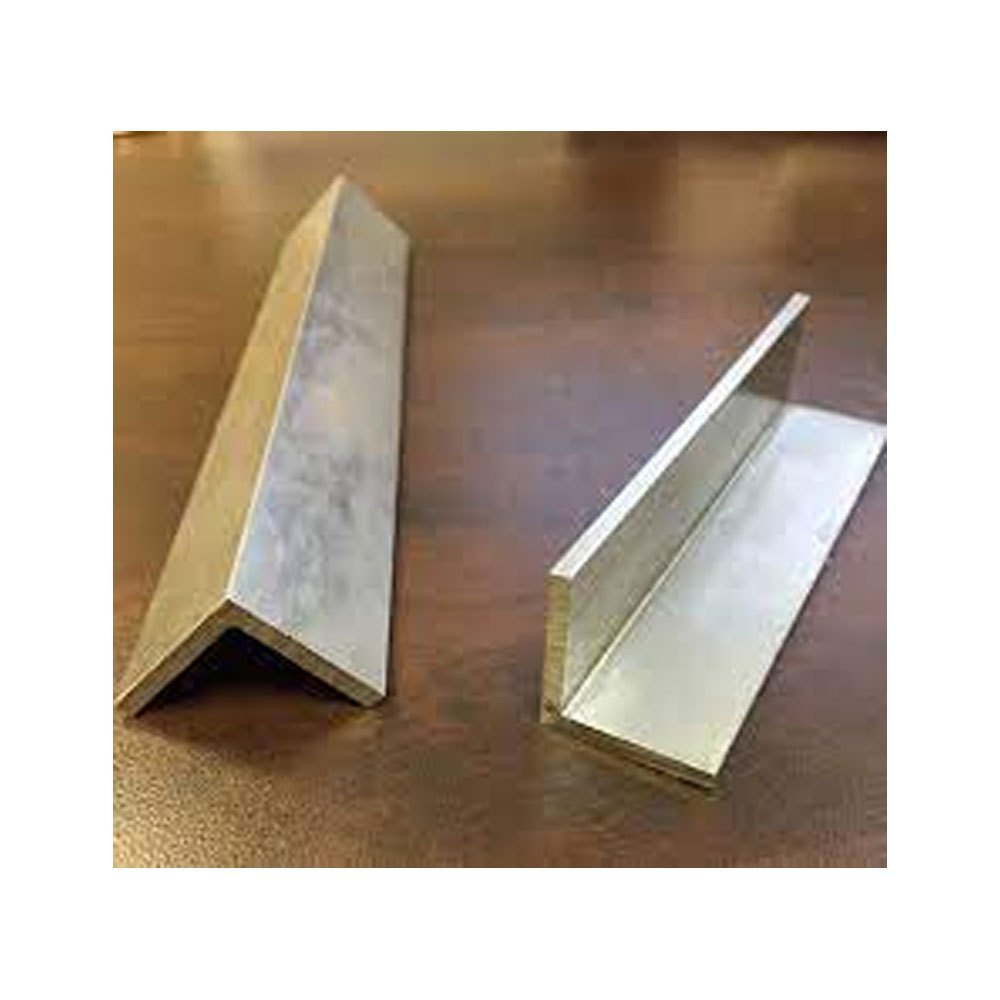
Hastelloy B2 Angle is a structural part of Hastelloy B2, a Nickel-Molybdenum alloy that displays outstanding resistance to hydrochloric acid in every concentration and temperature. This alloy exhibits excellent resistance to pitting, stress corrosion cracking, and knife-line and heat-affected zone attack. Hastelloy B2 is especially useful in reducing conditions and is suitable for several industries.
Outstanding Corrosion ResistanceHastelloy B2 Angle excels in environments containing reducing acids, especially hydrochloric acid. Its robust composition offers superior corrosion resistance, making it an ideal choice for chemical, petrochemical, and marine exposures where lesser alloys might fail.
Versatile Forms and FinishesAvailable in both hot rolled and cold rolled options, Hastelloy B2 Angles can be provided with a polished, pickled, or custom surface finish. With mill or slit edges, the product is tailored to meet precise application specifications.
Superior Mechanical PropertiesWith a minimum tensile strength of 690 MPa and a minimum elongation of 40%, Hastelloy B2 Angles withstand intense mechanical stress. This makes them suitable for structural components in power generation and aerospace sectors.
FAQ's of Hastelloy B2 Angle:
Q: How is Hastelloy B2 Angle typically used in industrial applications?
A: Hastelloy B2 Angle is mainly used for structural support and fabrication in industries such as chemical processing, petrochemical, marine, power generation, and aerospace, where superior corrosion resistance and mechanical strength are required.
Q: What are the key benefits of choosing Hastelloy B2 Angle for corrosive environments?
A: The primary benefit is its excellent resistance to reducing acids, especially hydrochloric acid, which significantly extends the service life of equipment exposed to aggressive chemicals. Its robust strength also provides reliable structural performance.
Q: What is the standard manufacturing process for Hastelloy B2 Angles?
A: Hastelloy B2 Angles are produced via hot rolling or cold rolling, followed by finishing processes such as pickling or polishing. The method depends on the required mechanical properties and surface finish specifications for the application.
Q: When should I consider using hot rolled versus cold rolled Hastelloy B2 Angle?
A: Hot rolled angles are preferred for larger structural parts and general fabrication, whereas cold rolled options offer improved dimensional tolerance, surface finish, and strength, making them suitable for precision components.
Q: Where can Hastelloy B2 Angle be customized in terms of size and edge?
A: Manufacturers, exporters, and suppliers offer Hastelloy B2 Angles in customizable dimensions, edges (mill or slit), and finishes to fulfill specific project needs. Custom orders are common for specialized or large-scale industrial requirements.
Q: What mechanical properties does Hastelloy B2 Angle offer?
A: This alloy provides a minimum tensile strength of 690 MPa, a yield strength of 310 MPa, and at least 40% elongation, making it well-suited for demanding environments requiring both strength and ductility.
Q: How does the surface finish impact the performance of Hastelloy B2 Angle?
A: Surface finishes like polished or pickled improve the corrosion resistance and aesthetic appeal. A tailored finish ensures optimal suitability for the intended operating conditions and environment.





 Send Inquiry


 Send Inquiry
 Send Inquiry
 Send SMS
 Call Me Free


