Hastelloy B3 Foil About
Hastelloy B3 foil is a nickel-based alloy resistant to hydrochloric acid and other chemically corrosive environments. It has a composition of 6870% Nickel, 2022% Molybdenum, 1.62.1% Chromium, 0.51% Manganese, 0.080.15% Carbon, 4%-7 % Iron and trace amounts of Titanium and Aluminum making it ideal for corrosive applications where heat resistance and strength are required simultaneously as well as having good fabricability characteristics at elevated temperatures up to 816C (1500F).
Outstanding Corrosion and Temperature ResistanceHastelloy B3 Foil excels in resisting hydrochloric acid and other reducing environments due to its advanced nickel-molybdenum alloy composition. With a continuous service temperature of up to 850C (1562F), it is suitable for high-performance applications where both heat and chemical stability are paramount. This makes it especially valuable in industries where reliability and durability are essential.
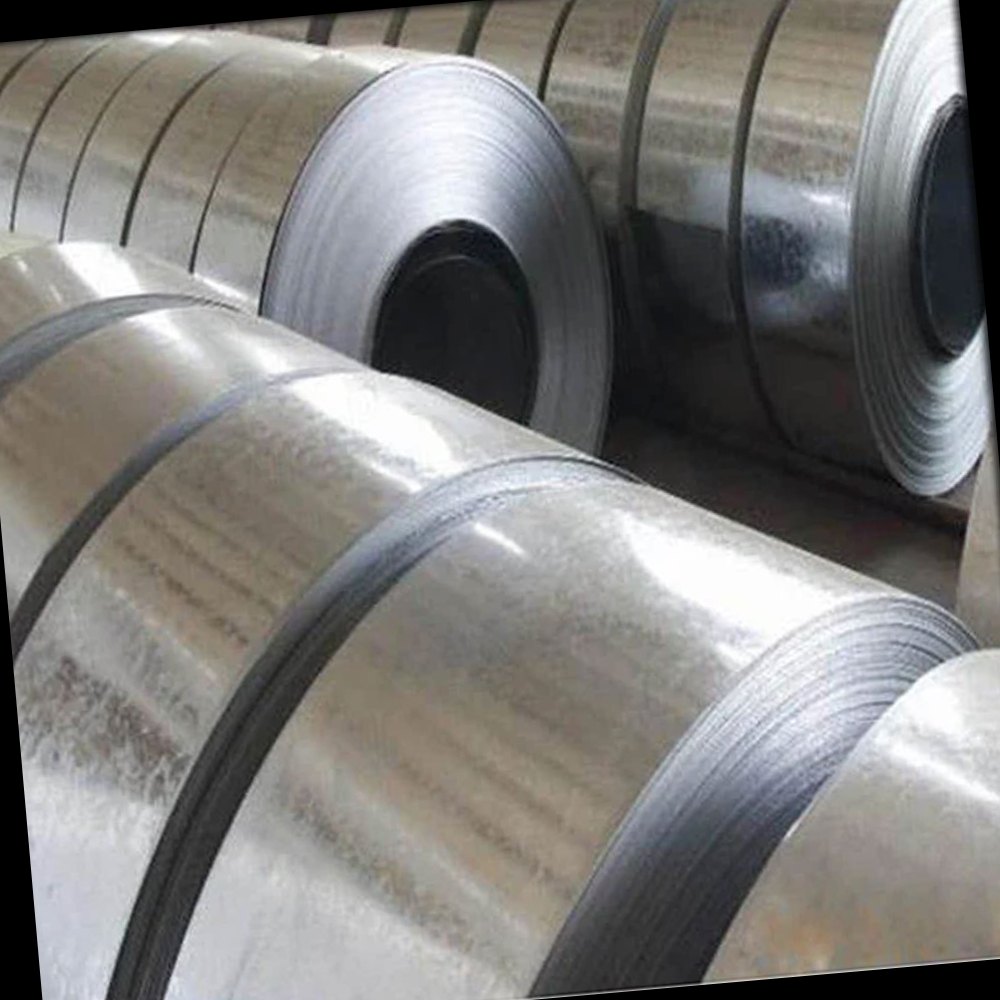
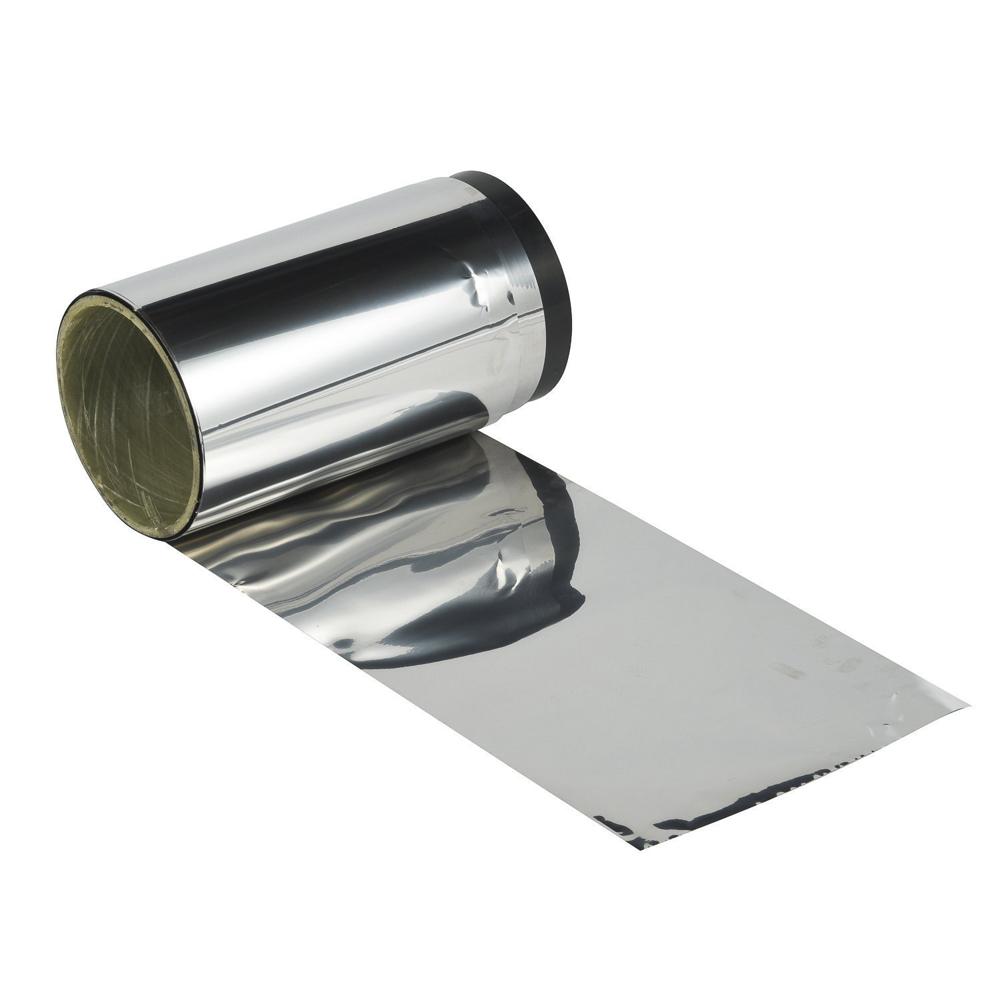
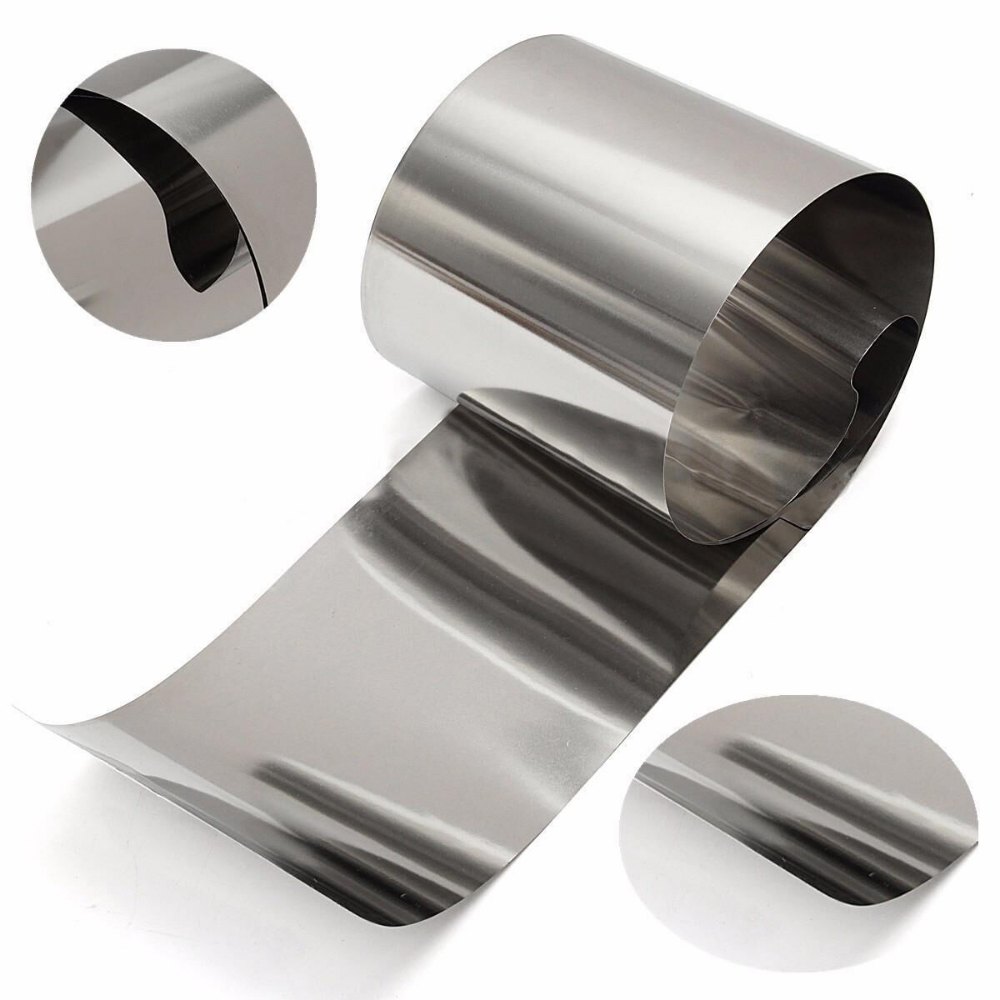
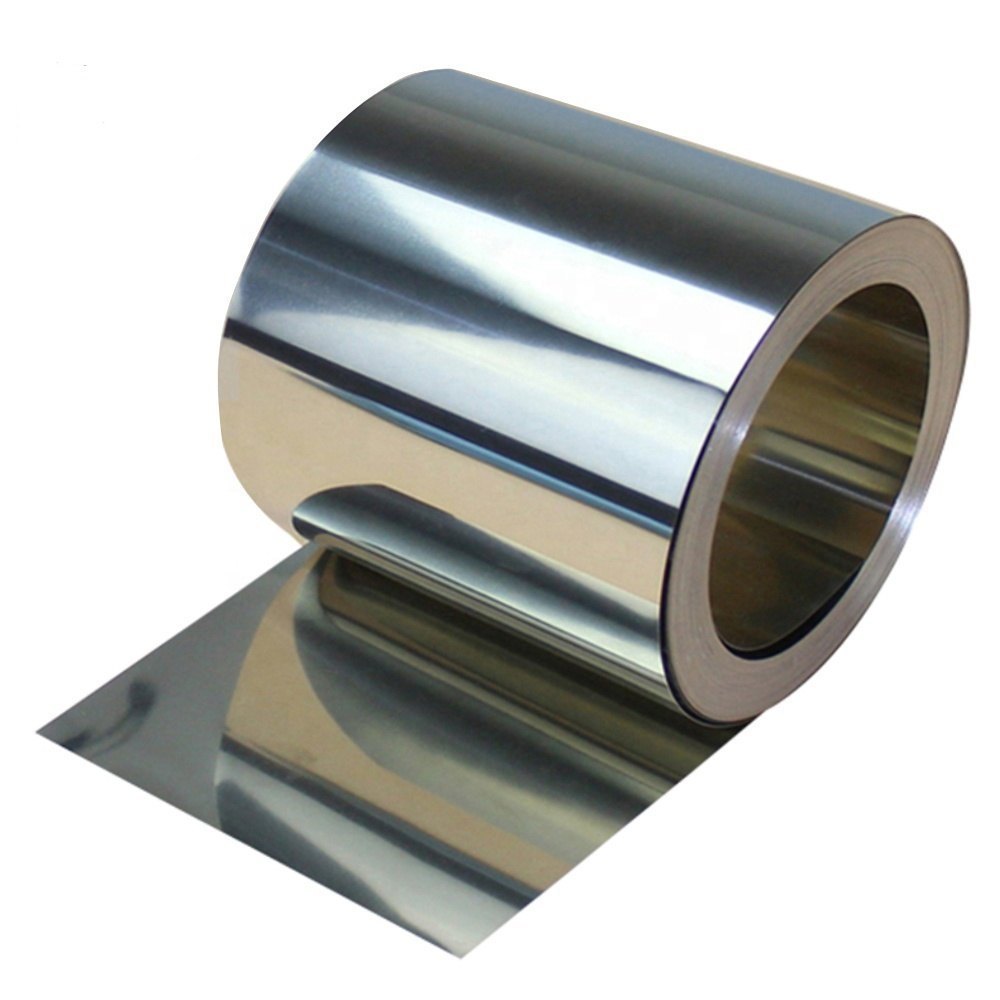
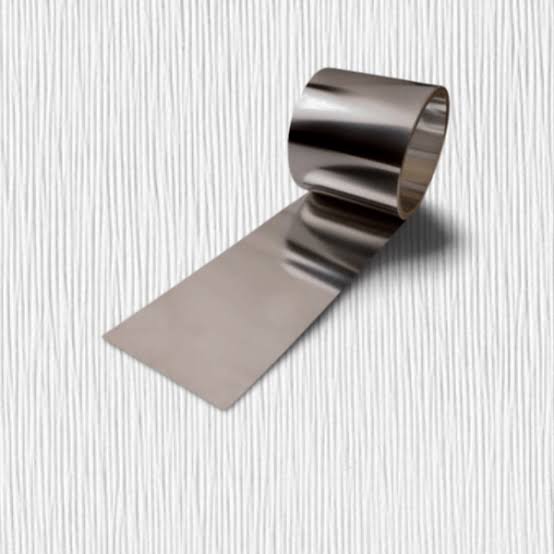
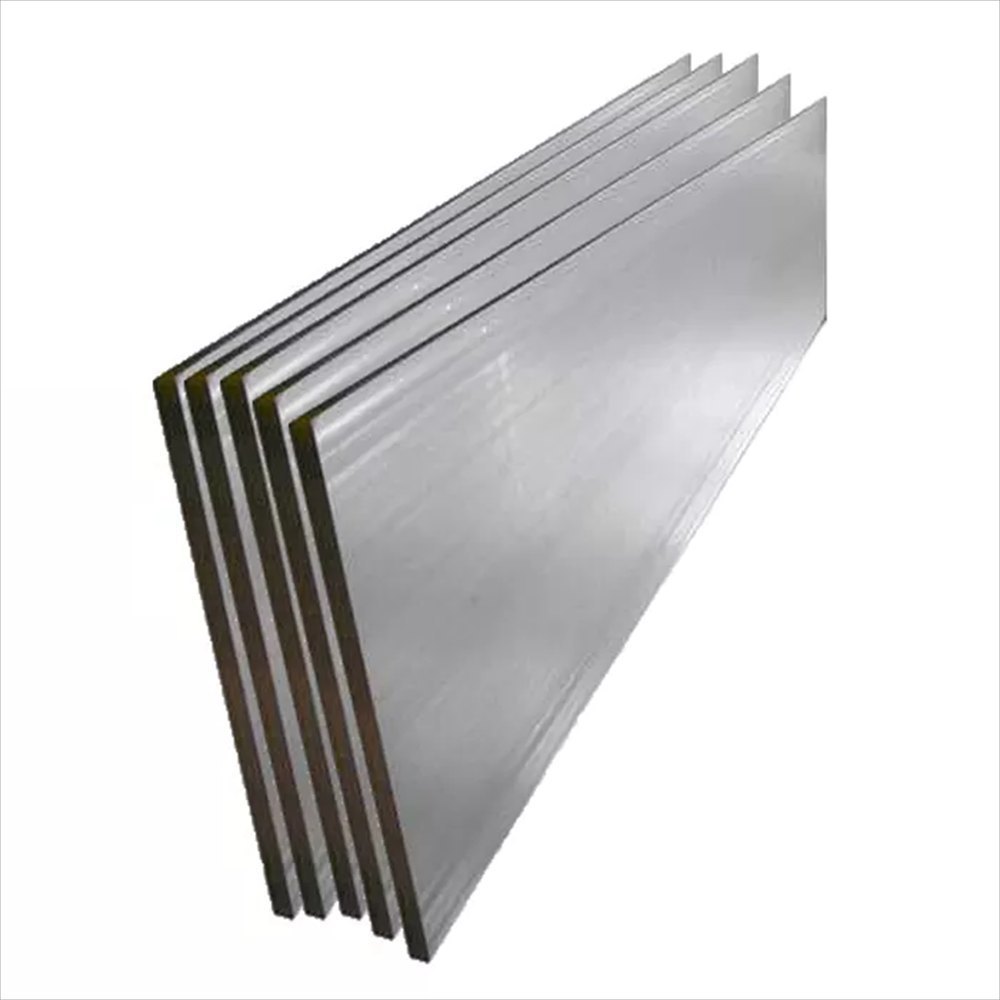
Tailored Dimensions and Versatile ApplicationsSupplied in a variety of forms including rolls, coils, strips, and custom-cut sheets, Hastelloy B3 Foil can meet unique dimensional and application requirements. With a thickness range from 0.01 mm to 2.00 mm, it is fully adaptable for use in chemical processing, heat exchangers, aerospace, and any sector needing corrosion-resistant materials. Orders can be customized to meet both standard and unique project specifications.
FAQ's of Hastelloy B3 Foil:
Q: How is Hastelloy B3 Foil processed into custom sizes and shapes?
A: Hastelloy B3 Foil is supplied as rolls, strips, or sheets, and can be precisely cut or slit to your required thickness and width. Advanced cutting technologies ensure tight dimensional tolerances and smooth, bright finishes according to your specifications.
Q: What are the main benefits of using Hastelloy B3 Foil in chemical processing?
A: The foil's exceptional resistance to hydrochloric acid and reducing conditions, combined with high strength and ductility, make it an optimal choice for chemical processing equipment. It minimizes the risk of corrosion and extends equipment lifespan, lowering maintenance costs.
Q: When should I consider selecting Hastelloy B3 Foil over other alloys?
A: Hastelloy B3 Foil is recommended when outstanding resistance to reducing acids (such as hydrochloric acid) is needed, especially at high temperatures (up to 850C) or in environments where other alloys may fail due to local corrosion or stress corrosion cracking.
Q: Where can Hastelloy B3 Foil be used effectively?
A: It is well-suited for use in chemical plants, heat exchangers, and aerospace components, or any setting demanding reliable corrosion resistance and mechanical integrity. Its adaptability to custom dimensions also enables use in unique or specialized engineering applications.
Q: What processes are used to manufacture Hastelloy B3 Foil?
A: The foil is manufactured through a combination of melting, hot rolling, cold rolling, and finishing processes. Strict control leads to a bright, smooth surface finish and ensures compliance with ASTM B333/B335 specifications.
Q: How does the material's tensile strength and elongation benefit its applications?
A: A typical tensile strength of 690 MPa and minimum 45% elongation offer excellent formability and durability. This enables the material to withstand mechanical stresses during fabrication and in service, making it dependable for precision parts and demanding industrial environments.





 Send Inquiry


 Send Inquiry
 Send Inquiry
 Send SMS
 Call Me Free


