Hastelloy B3 Gaskets About
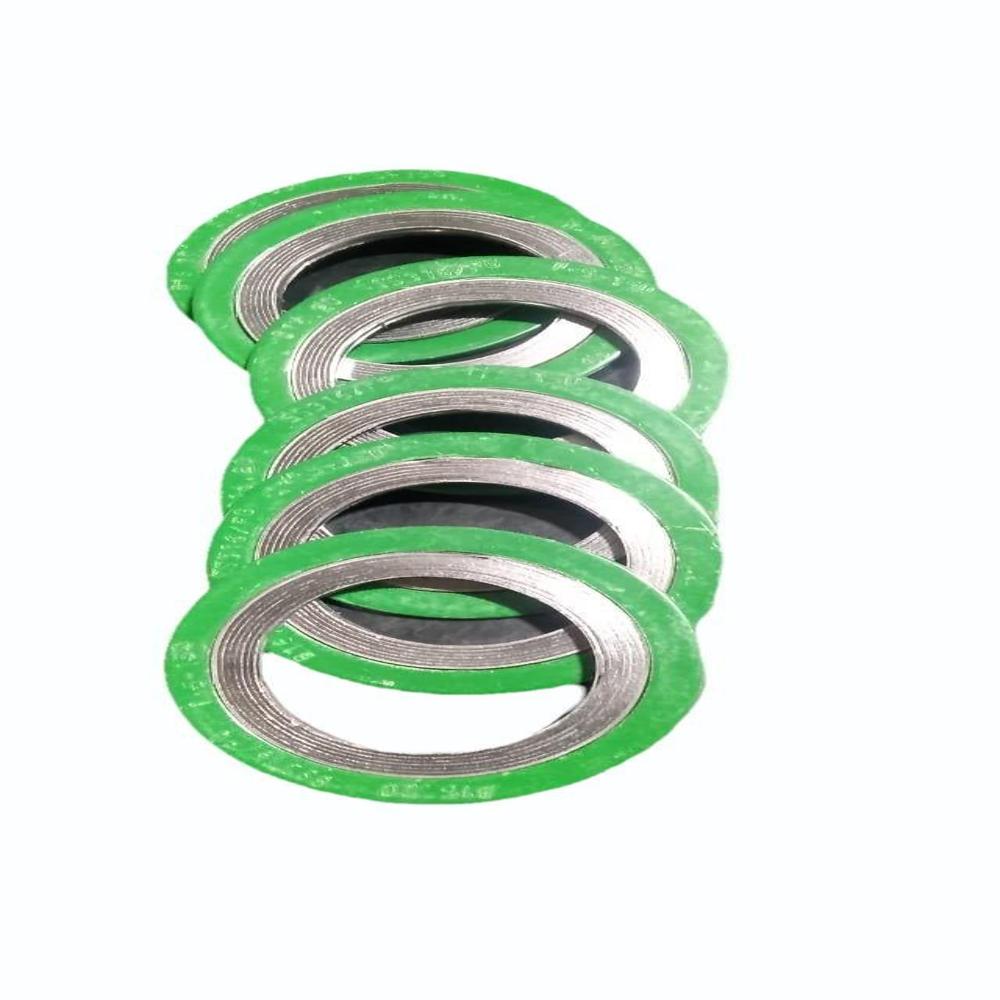
Hastelloy B3 gaskets are sealing parts with high operational capabilities. They are mainly made of nickel, molybdenum, and chromium and possess excellent features, especially when used in highly acidic solutions like hydrochloric, sulfuric, and phosphoric acids. They are widely applied in industries that demand high sealing performances.
Superior Chemical ResistanceHastelloy B3 Gaskets excel in resisting a variety of corrosive substances, including hydrochloric, sulfuric, and acetic acids. This robustness makes them indispensable in chemical and petrochemical facilities, where maintaining tight, long-term seals under harsh conditions is critical to safety and process integrity.
High Performance Under Extreme ConditionsDesigned to sustain pressures up to Class 2500 and temperatures reaching 900C (1652F), these gaskets are engineered for durability in severe industrial settings. Their solid structure and hardness (RB 80-94) ensure consistent performance in demanding environments such as refineries and offshore platforms.
Versatile Customization OptionsWhether your application requires standard or non-standard sizes, Hastelloy B3 Gaskets can be tailored to exact specifications. Custom thicknesses, diameters, and surface finishes are available, with CNC machining and precision punching delivering gaskets to top international standards.
FAQ's of Hastelloy B3 Gaskets:
Q: How are Hastelloy B3 Gaskets manufactured to ensure precision and quality?
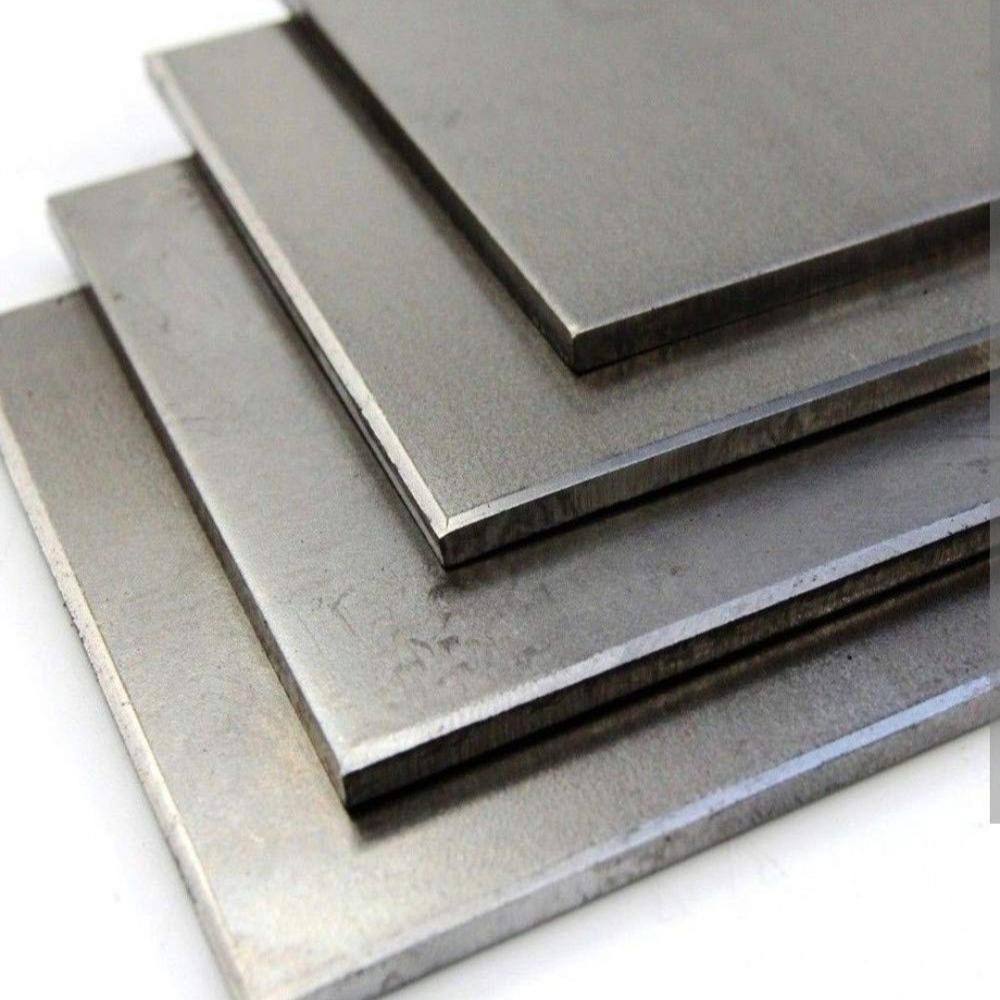
A: Hastelloy B3 Gaskets are produced using CNC machining or by punching from high-quality plates. This precision manufacturing guarantees strict adherence to dimensional tolerances, robust surface finishes, and compliance with standards such as ASTM B333 and ASME B16.20.
Q: What benefits does the UNS N10675 material offer for gasket applications?
A: UNS N10675 (Hastelloy B3) provides outstanding resistance to a wide array of aggressive chemicals, especially hydrochloric, sulfuric, and acetic acids. This makes the gaskets exceptionally reliable for sealing in corrosive environments, reducing maintenance and downtime.
Q: When should Hastelloy B3 Gaskets be selected over other materials?
A: Choose Hastelloy B3 Gaskets for applications involving high temperatures (up to 900C) and exposure to highly corrosive chemicals. Their performance outshines many conventional materials, making them the preferred option in chemical processing plants, refineries, and marine environments.
Q: Where are Hastelloy B3 Gaskets commonly used?
A: These gaskets are predominantly used in chemical processing, petrochemical industries, marine applications, and other settings where high pressures, elevated temperatures, and aggressive media are present.
Q: What types of sealing configurations are available for these gaskets?
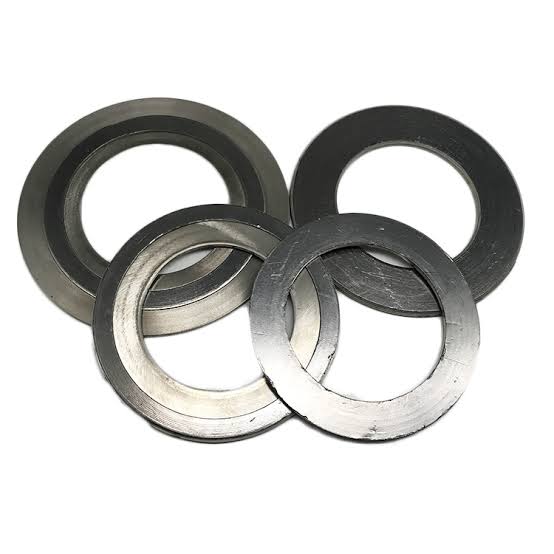
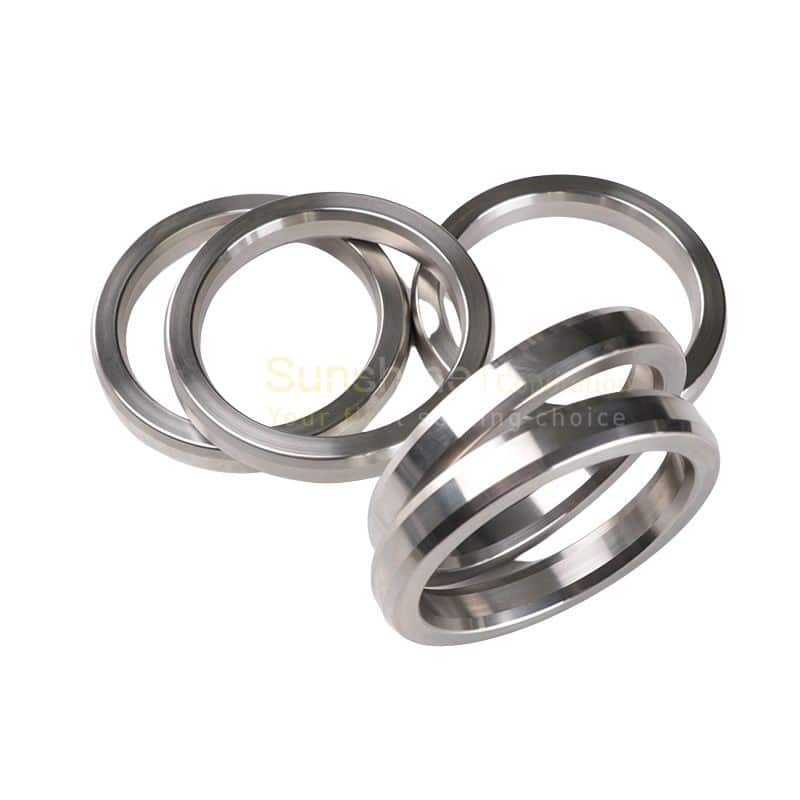
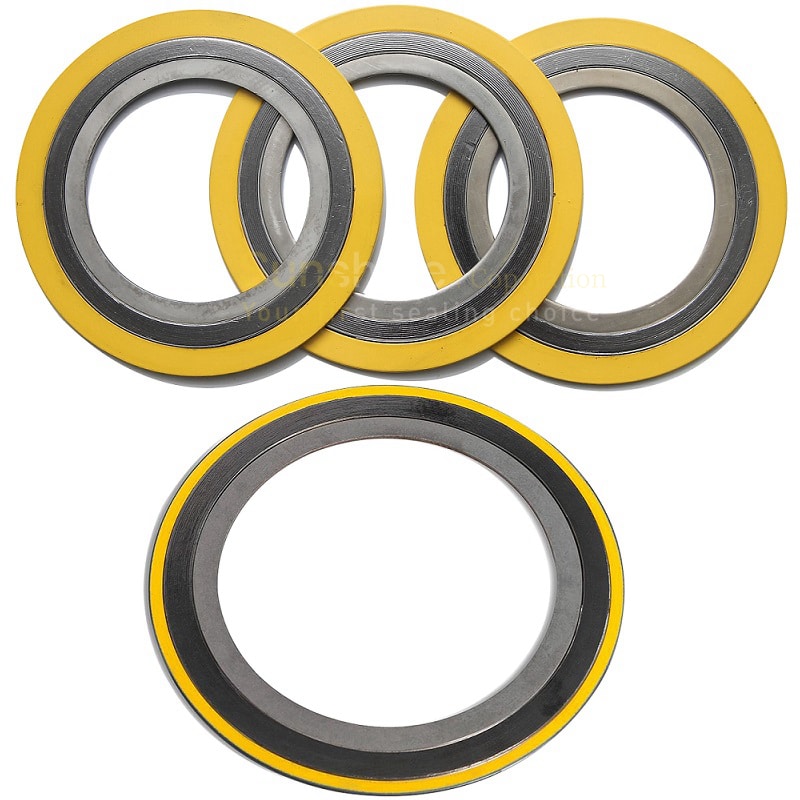
A: Hastelloy B3 Gaskets support a variety of sealing types, including spiral wound, ring type joint (RTJ), and flat gaskets. This flexibility allows them to fit numerous flange designs and specialized industrial requirements.
Q: How do I determine the appropriate size and thickness for my application?
A: Gasket size and thickness should be specified based on the flange dimensions, operating pressure, and temperature. Hastelloy B3 Gaskets can be produced in custom sizes, generally ranging from 0.5 mm to 5 mm in thickness and 1/2" to 24" OD, to match your unique requirements.





 Send Inquiry


 Send Inquiry
 Send Inquiry
 Send SMS
 Call Me Free


