

Call us now
07971549475
Call us now
07971549475
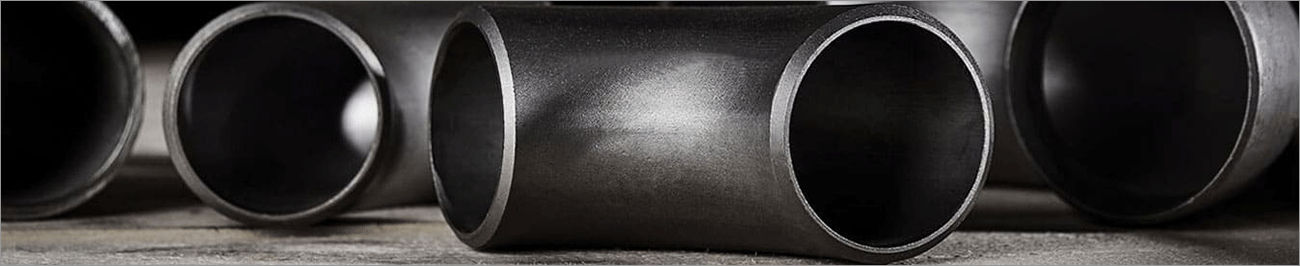
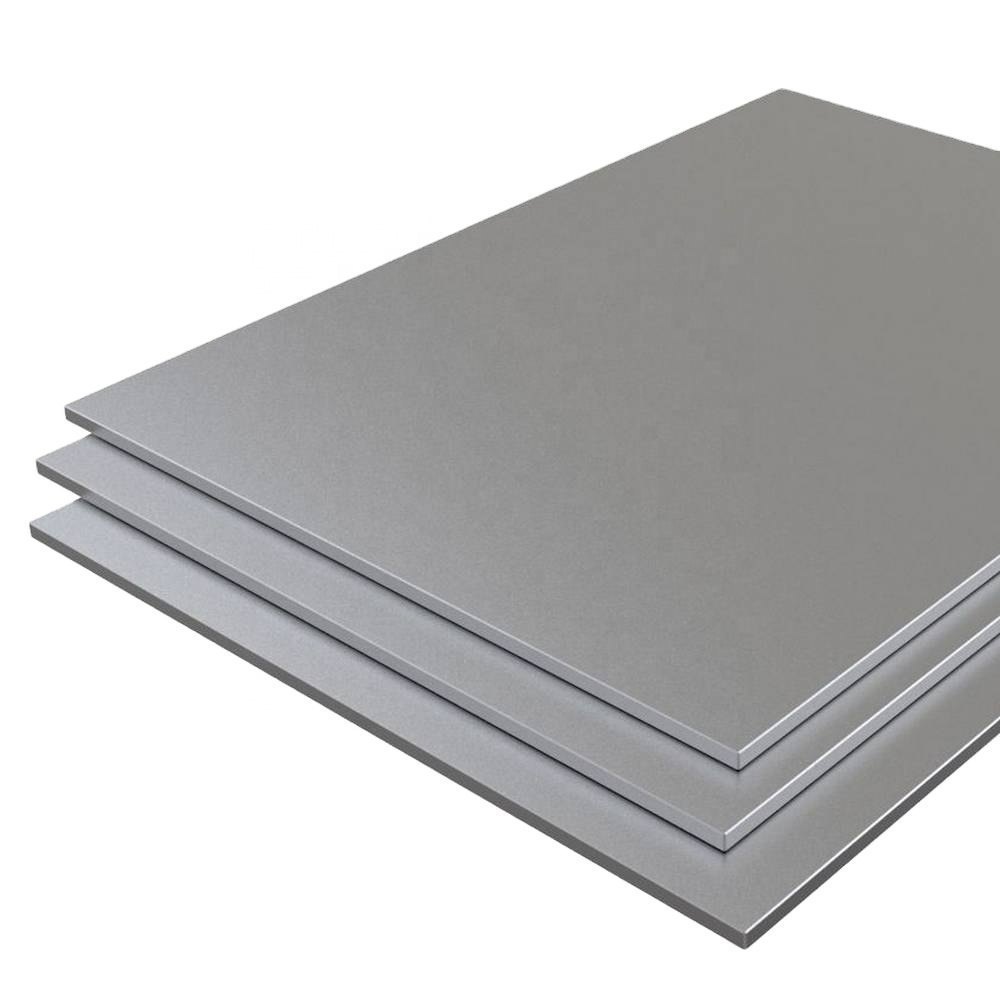
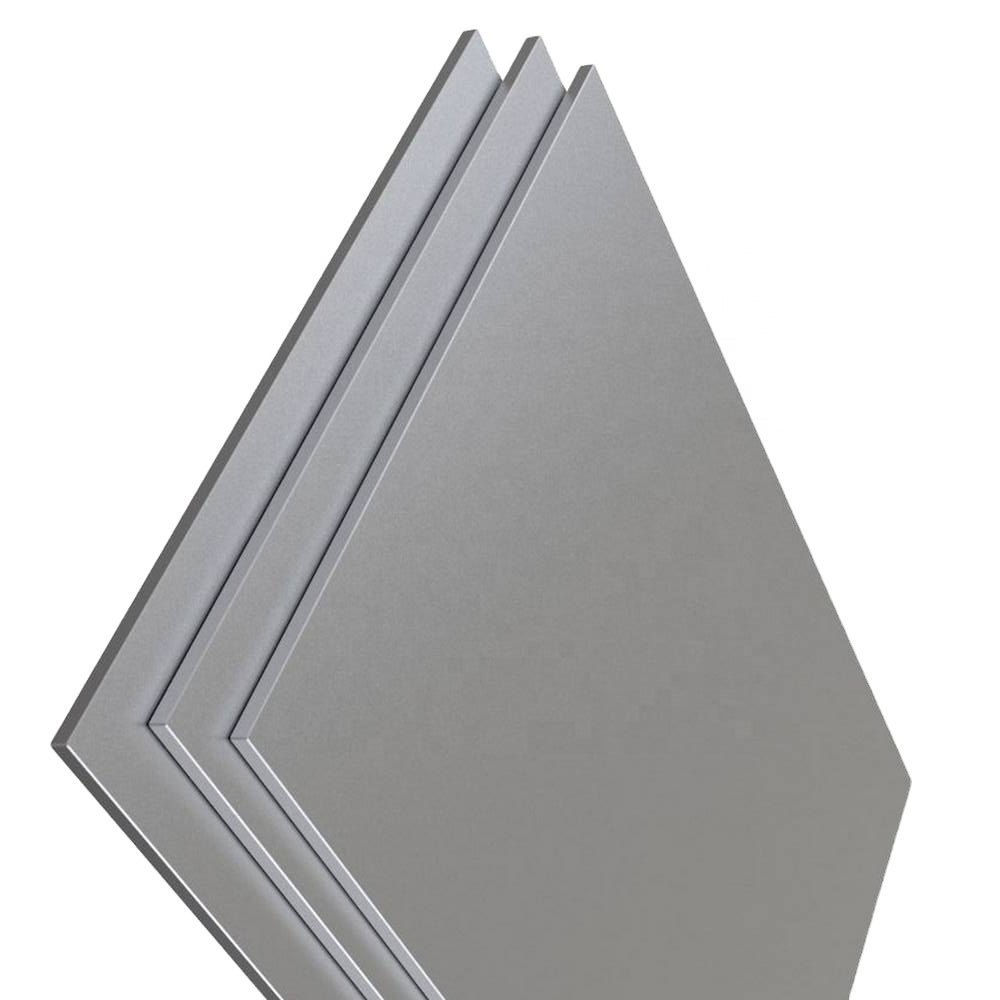
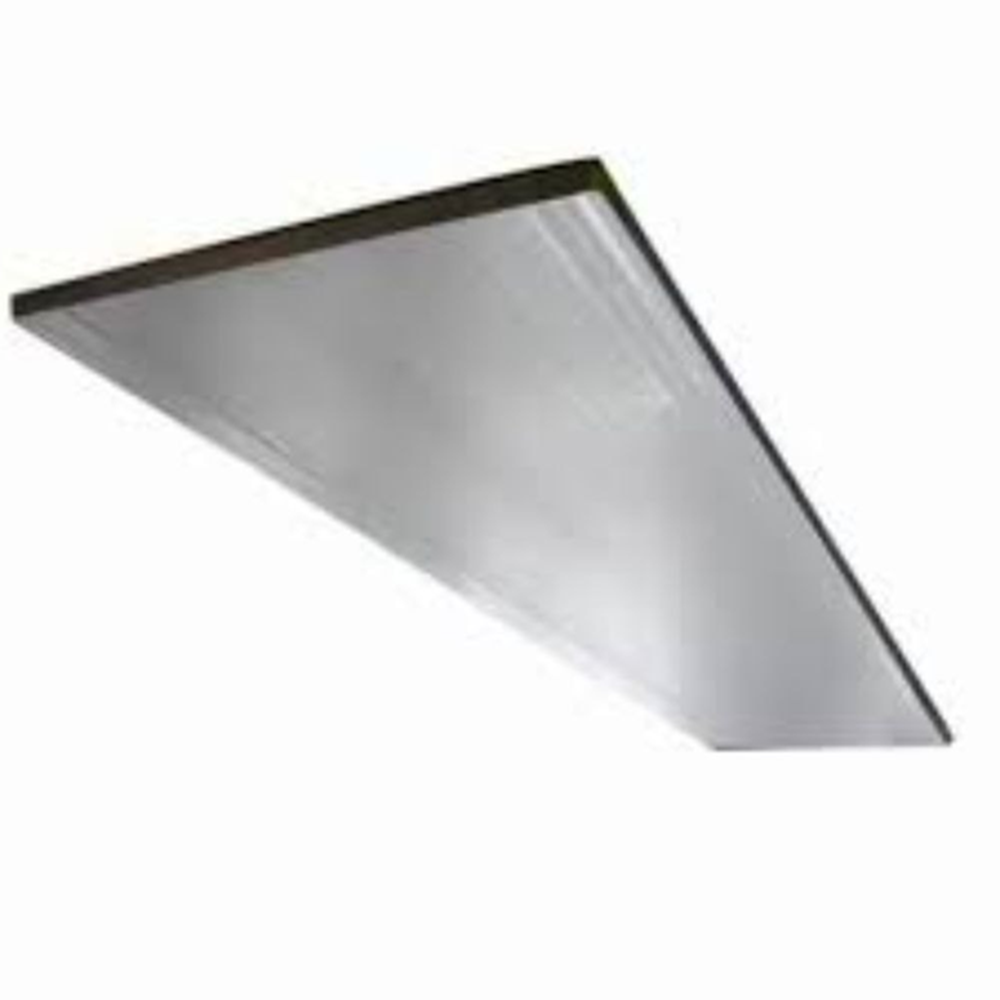
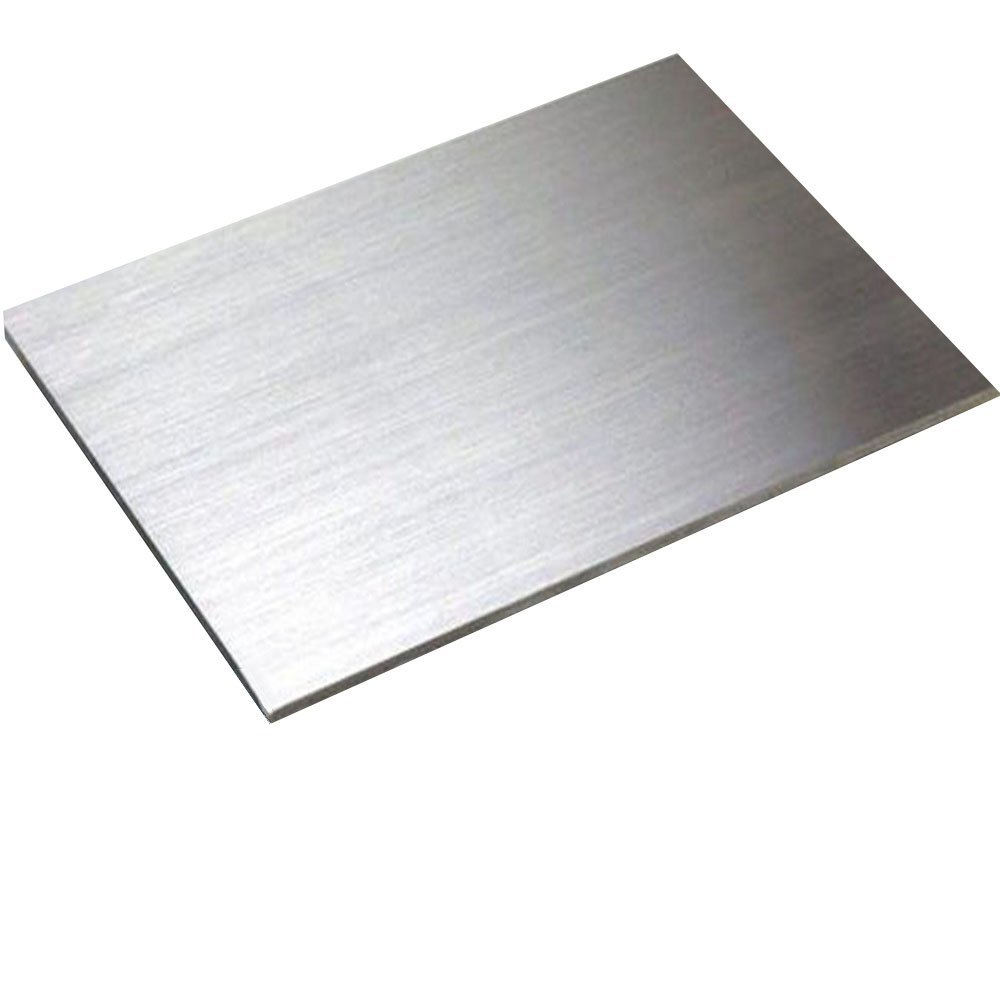
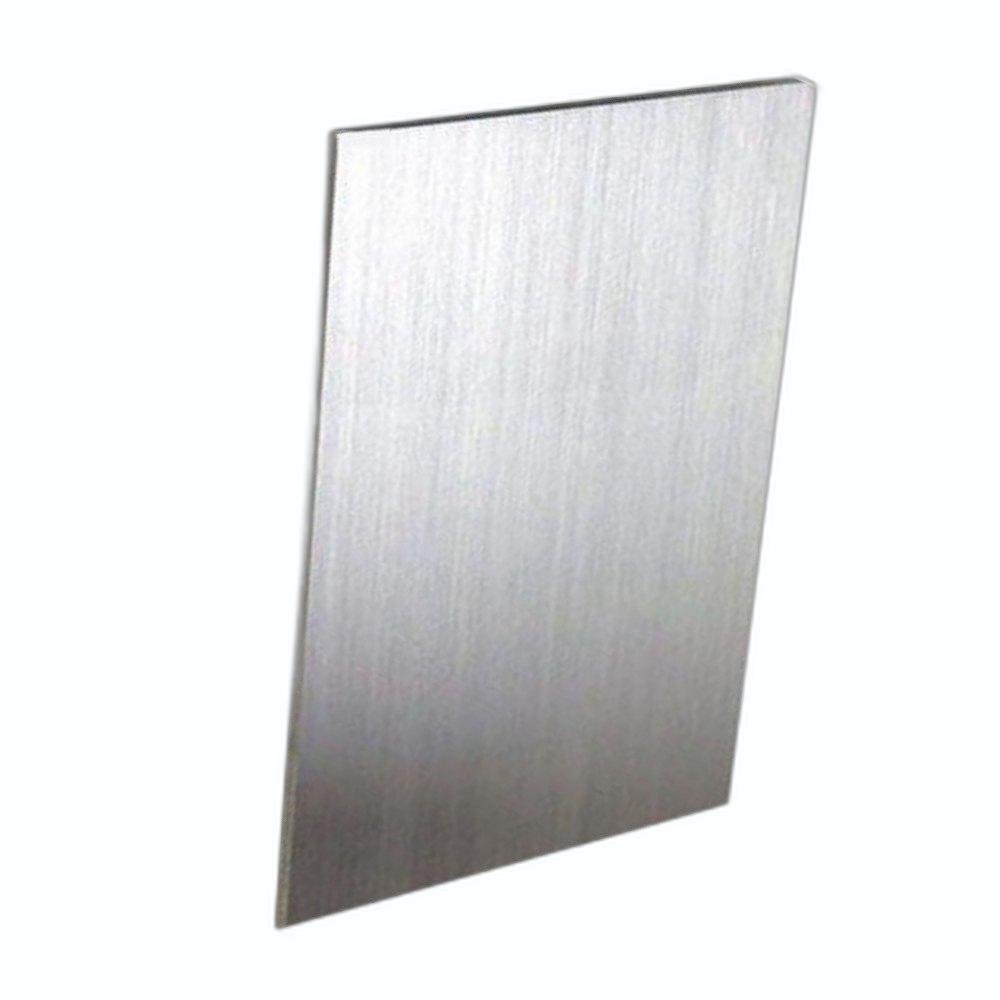
Hastelloy B2 sheet is a nickel-molybdenum alloy that can reduce conditions. This alloy can be referred to as UNS N10665 and its main purpose is to provide excellent performance in situations where chemical attacks and high temperatures are the main factors. Hastelloy B2 is most appreciated for its pitting, stress corrosion cracking, knife-line and heat-affected zone attack, and thus ideal for numerous applications.

Price:
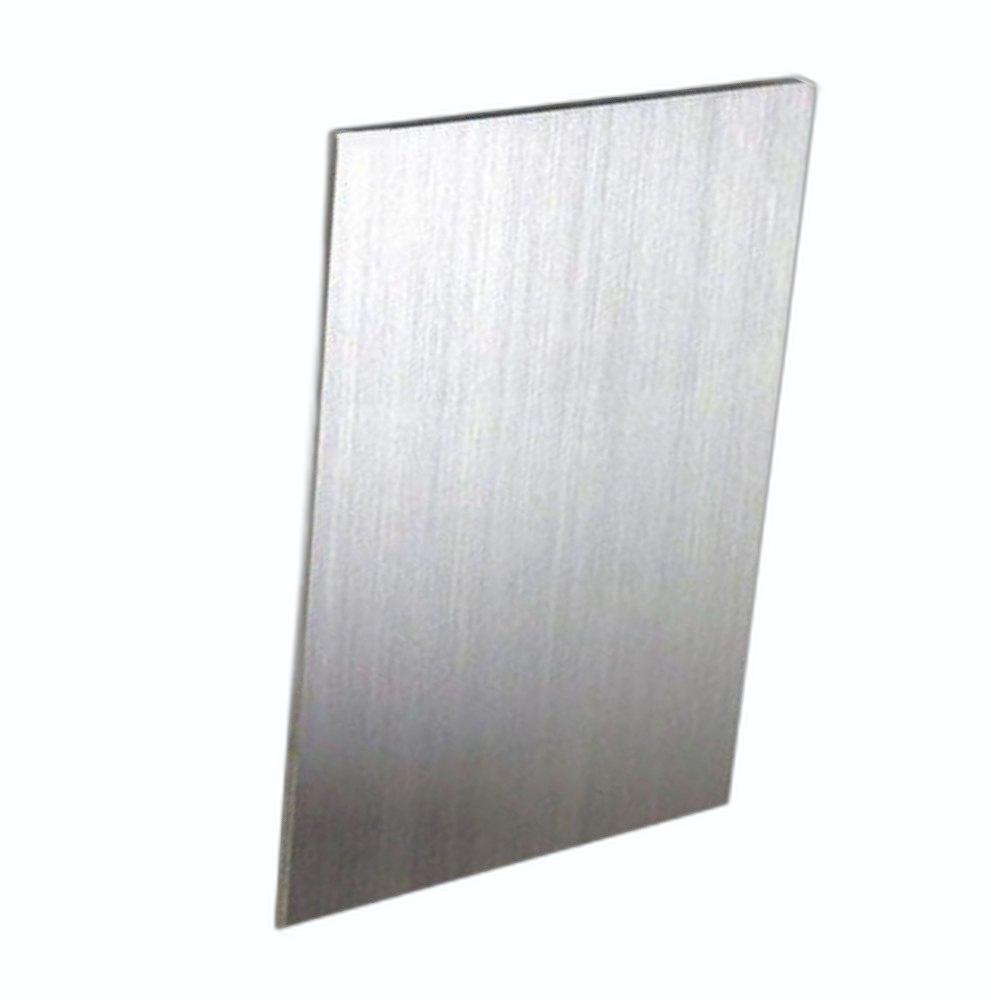
Price 500.0 INR / Piece
Minimum Order Quantity : 1 Piece
Dimensions : Customizable (As per requirement), Standard thickness range: 0.5 mm to 50 mm
Application : Other, Chemical Processing, Petrochemical, Power Generation, Marine, Pollution Control
Impurity Content (%) : 0.025%
Product Type : Other, Sheet
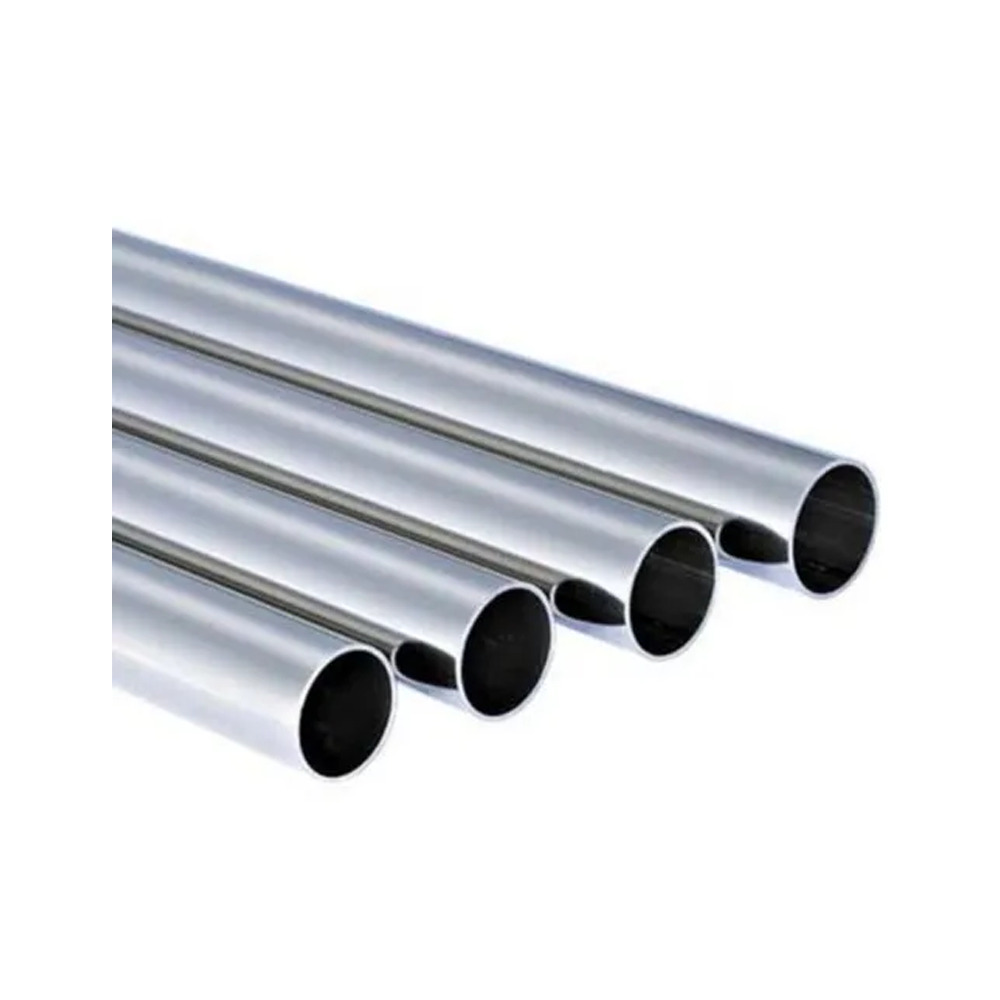
Price 500.0 INR / Piece
Minimum Order Quantity : 1 Piece
Dimensions : Available in various outer diameters (OD) from 1/8 up to 2 and wall thicknesses from 0.035 to 0.25
Application : Other, Chemical processing, pharmaceutical, marine, oil & gas, pollution control, pulp & paper, waste treatment
Impurity Content (%) : 0.03% (as per ASTM standard for Hastelloy C22)
Product Type : Other, Seamless Tubing / Welded Tubing
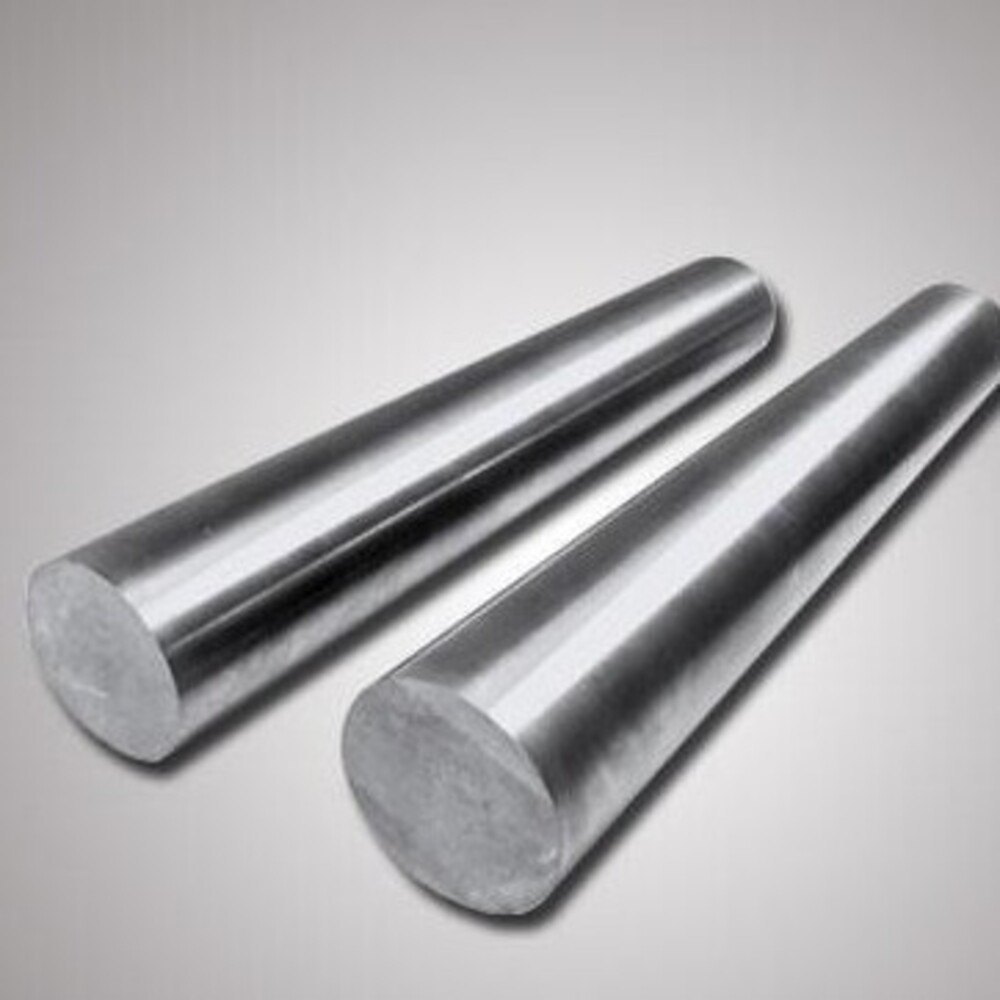
Price 500.0 INR / Kilograms
Minimum Order Quantity : 1 Kilograms
Dimensions : Customizable or as per requirement (commonly 6mm to 300mm diameter)
Application : Other, Chemical Processing, Pharmaceutical, Pollution Control, Power Generation
Impurity Content (%) : 0.03%
Product Type : Other, Bar / Rod
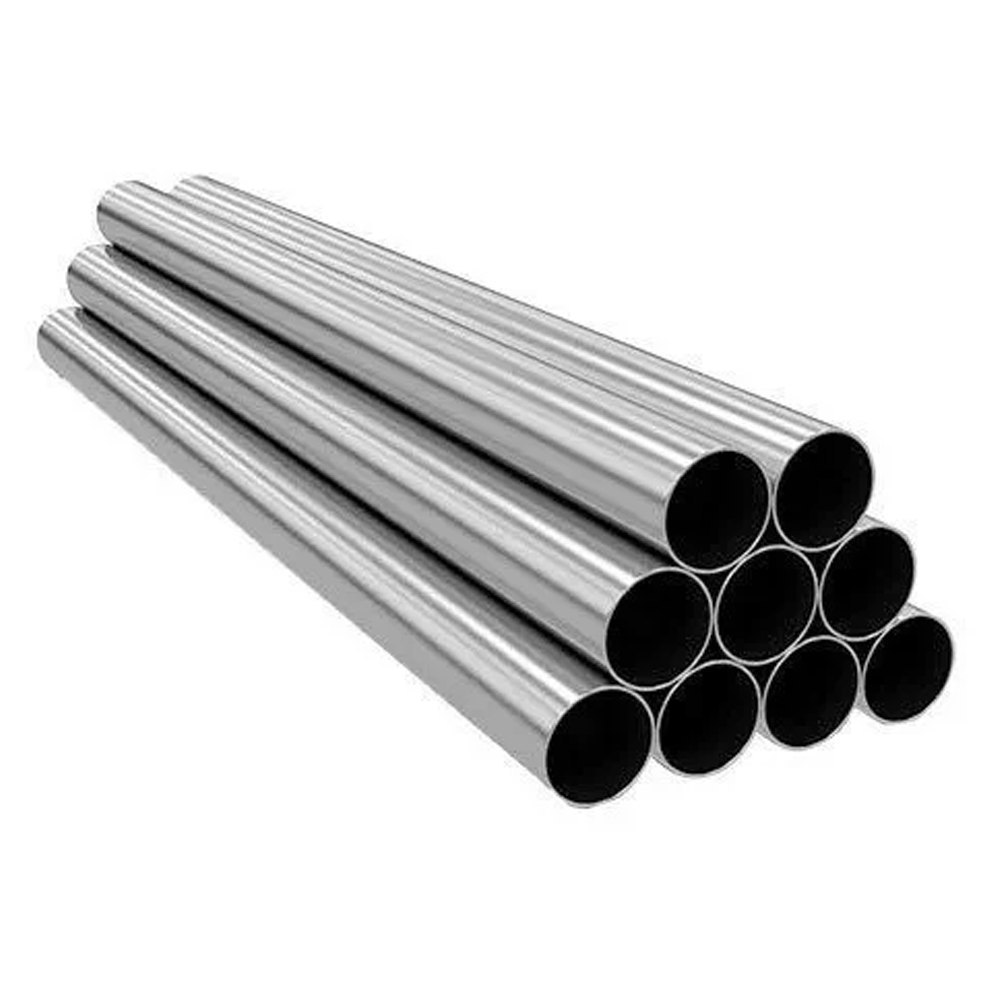
Price 500.0 INR / Piece
Minimum Order Quantity : 1 Piece
Dimensions : Customizable (Standard OD: 6mm to 219mm, Wall Thickness: 0.5mm to 20mm, Length: up to 6 meters or as required)
Application : Iron Industry, Steel Industry
Impurity Content (%) : Maximum 0.5% (varies by chemical specification)
Product Type : Other


 Send Inquiry


 Send Inquiry
 Send Inquiry
 Send SMS


