Hastelloy B2 Stud Bolts About
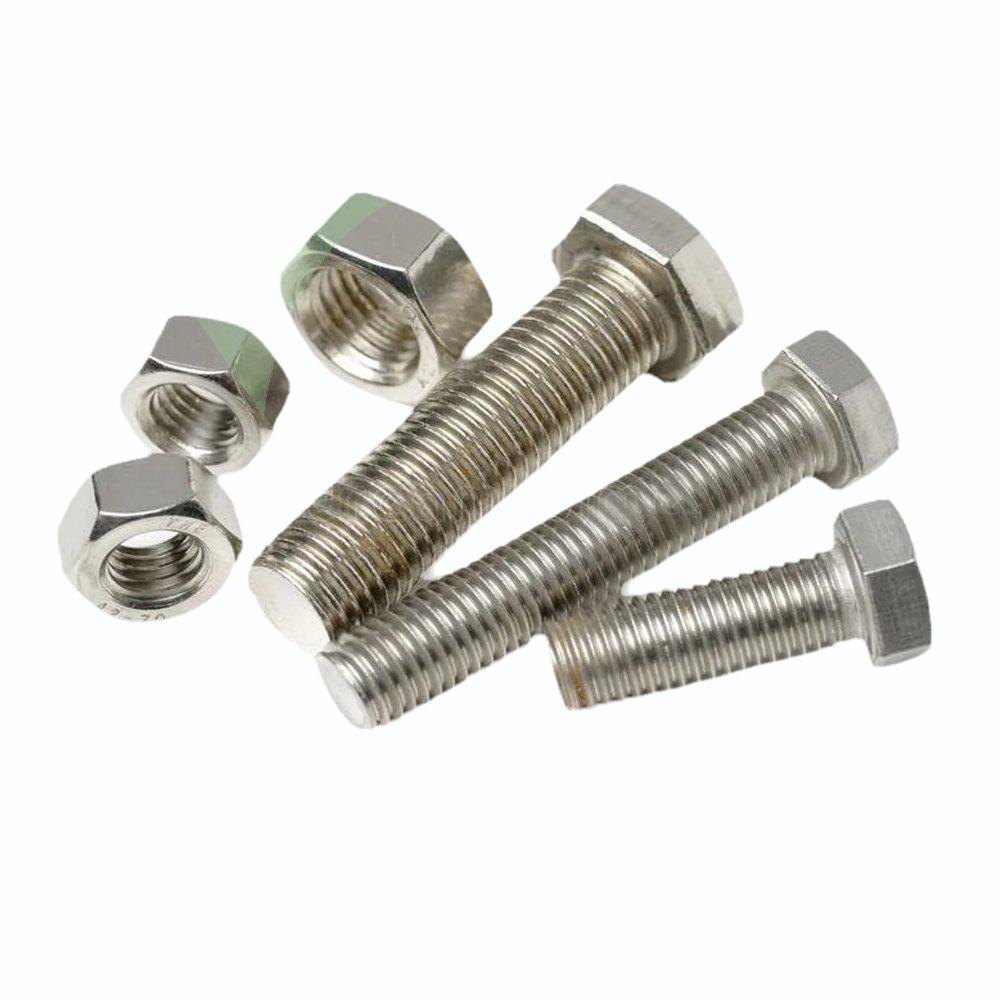
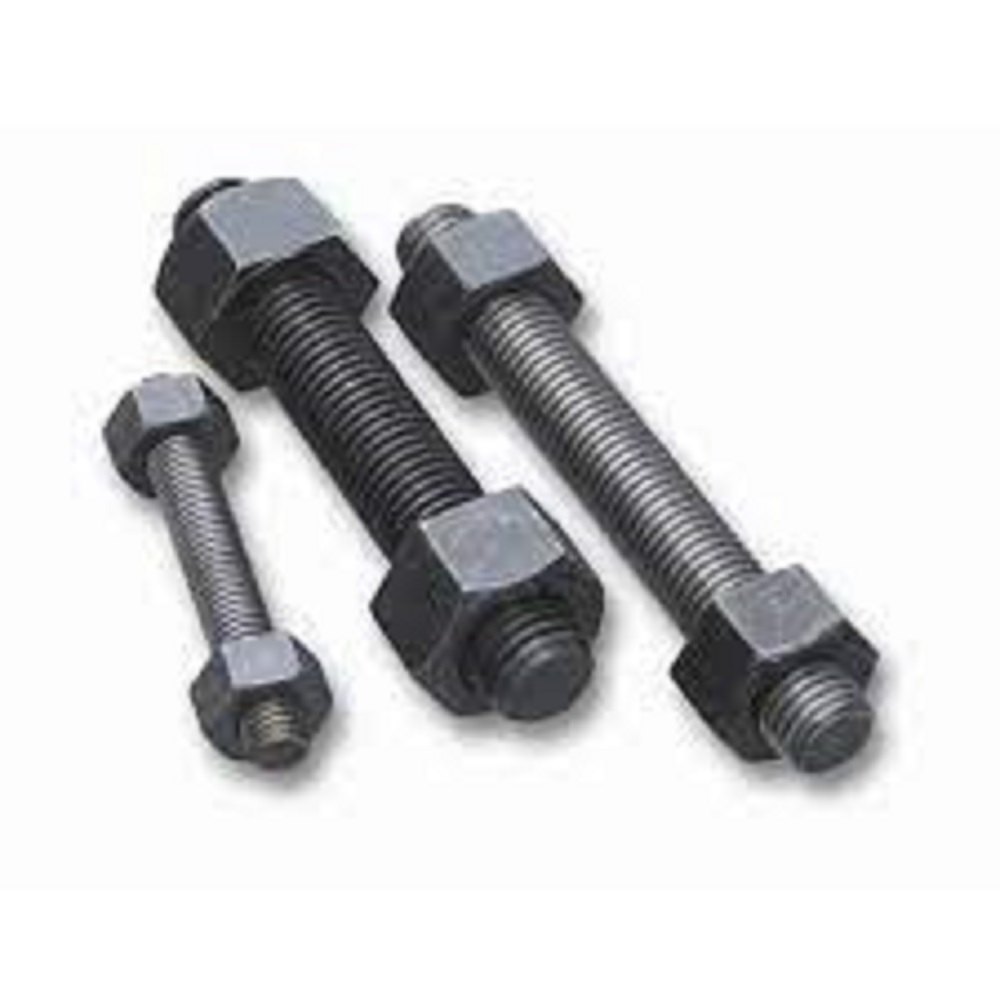
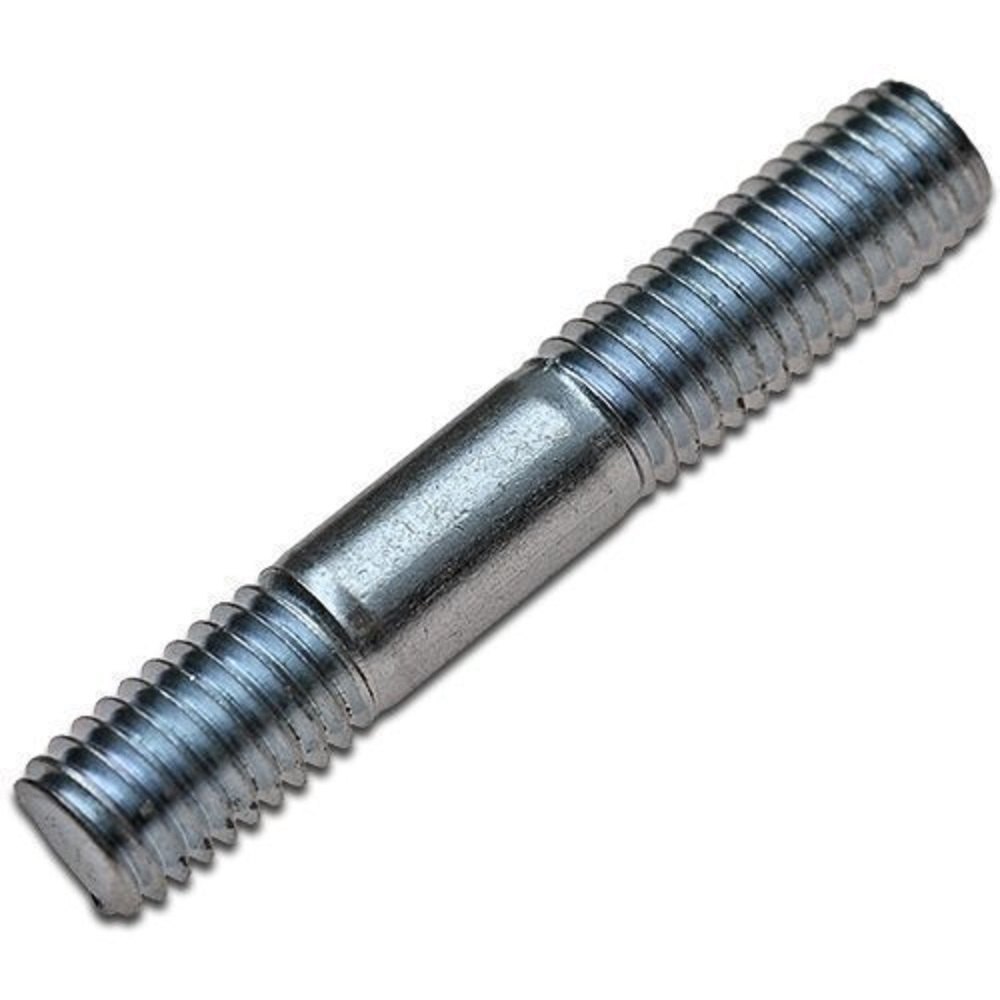
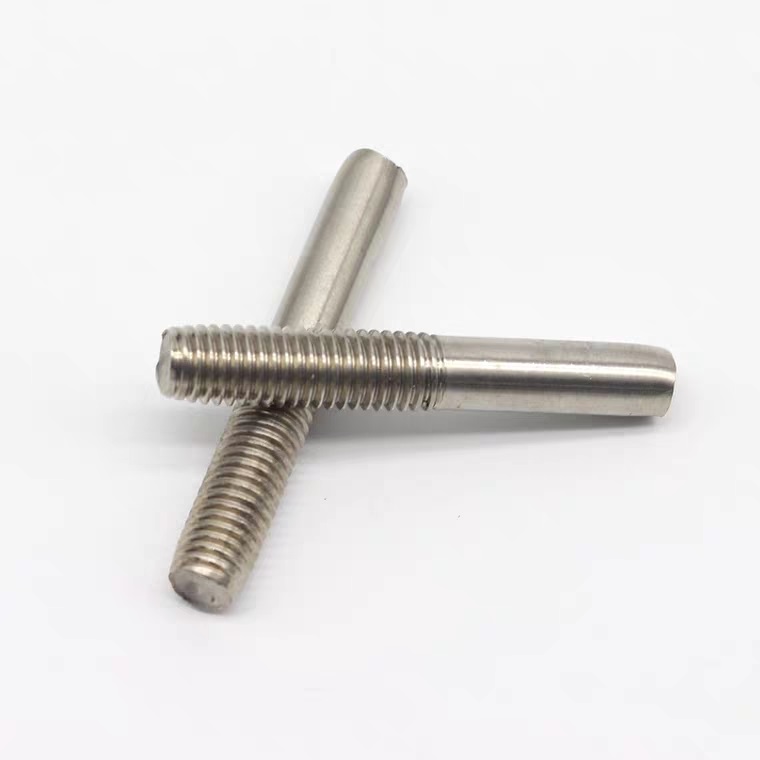
Hastelloy B2 Stud Bolts are made of a nickel-molybdenum alloy that is incredibly durable and corrosion-resistant. This alloy is created by combining high percentages of chromium with molybdenum and tungsten, delivering an inconceivable resistivity to heat, pressure, and corrosion. Thanks to its vast array of features like excellent mechanical toughness, good weldability, and the ability to withstand harsh chemicals, the Hastelloy B2 Stud Bolts has become the go-to choice for many industries ranging from chemical processing to petrochemical engineering. So if you're looking for a solution that will stand up against extreme conditions, look no further than the Hastelloy B2 stud bolt.
Exceptional Corrosion ResistanceHastelloy B2 Stud Bolts offer superb corrosion resistance, especially against strong reducing acids such as hydrochloric, acetic, and sulfuric acids. This property makes them highly reliable in aggressive chemical environments, reducing the risk of equipment failure and extending operational lifespan in critical industrial applications.
Versatile Applications and CustomizationAvailable in dimensions ranging from M6 to M56 with custom options upon request, these stud bolts are designed to address diverse requirements. Their high strength and temperature tolerance make them suitable for use in chemical processing, petrochemical plants, heat exchangers, and pressure vessels. This adaptability ensures they fit seamlessly into both standard and specialized engineering projects.
Precision Engineering and Quality AssuranceManufactured to meet ASTM B335 and ASME SB335 standards, each Hastelloy B2 Stud Bolt undergoes strict surface treatments including polishing and passivation. This ensures enhanced performance, reliable fastening, non-magnetic properties, and consistent high-quality finishes, available in both bright and matt options, to meet global industry demands.
FAQ's of Hastelloy B2 Stud Bolts:
Q: How are Hastelloy B2 Stud Bolts used in industrial applications?
A: These stud bolts are commonly used to fasten components in environments vulnerable to highly corrosive substances, such as chemical processing units, petrochemical facilities, heat exchangers, and pressure vessels. Their robust build and resistance to reducing acids make them ideal for securing critical assemblies exposed to harsh chemicals and high temperatures.
Q: What benefits do Hastelloy B2 Stud Bolts provide over conventional fasteners?
A: Compared to ordinary fasteners, Hastelloy B2 Stud Bolts deliver superior corrosion resistance, high tensile strength, and sustained mechanical properties at elevated temperatures. Their non-magnetic nature and customizable options enhance their suitability for demanding engineering applications, ensuring longer service life and reduced maintenance needs.
Q: When should I select polished and passivated stud bolts?
A: Polished and passivated stud bolts are recommended when the application demands a clean, smooth surface that limits contamination and further enhances corrosion resistance. Industries such as chemical processing and pharmaceuticals often require these additional surface treatments to ensure optimal fastener performance and safety.
Q: Where can custom-sized Hastelloy B2 Stud Bolts be obtained?
A: Custom-sized stud bolts can be sourced directly from specialized manufacturers, exporters, or suppliers who offer Hastelloy B2 fasteners. By providing the specific requirements for size, thread type, and finish, clients can order bolts tailored exactly to their application needs.
Q: What is the manufacturing process for these stud bolts?
A: Hastelloy B2 Stud Bolts are manufactured through a sequence of processes including alloy bar cutting, forging, threading (in metric, UNC, UNF, or BSP as required), heat treatment, and precise surface finishing (polished or matt, followed by passivation). Each bolt is thoroughly inspected to meet ASTM B335 and ASME SB335 specifications.
Q: How does the high operating temperature capability benefit industrial users?
A: With a maximum operating temperature of up to 1000C (1832F), these stud bolts are suitable for high-heat applications like heat exchangers and reactors, ensuring strong, reliable fastening even under extreme thermal stress where conventional bolts may fail.





 Send Inquiry


 Send Inquiry
 Send Inquiry
 Send SMS
 Call Me Free


