Hastelloy B2 Tubing About
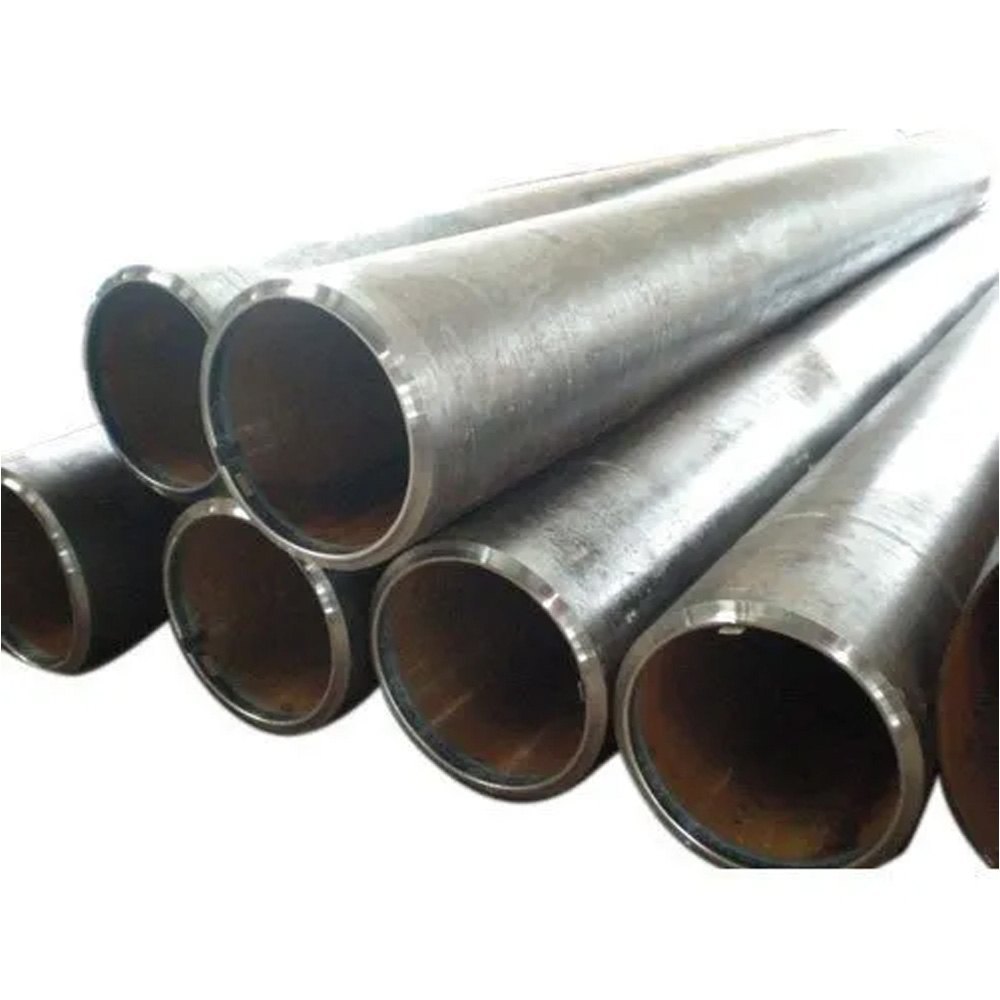
Hastelloy B2 tubing, or UNS N10665, is a nickel-molybdenum alloy renowned for its exceptional resistance to hydrochloric acid at all concentrations and temperatures. This alloy is designed to provide superior performance in reducing environments, offering excellent resistance to pitting, stress corrosion cracking, and knife-line and heat-affected zone attack.
Outstanding Corrosion ResistanceHastelloy B2 tubing stands out for its exceptional resistance to reducing acids, such as hydrochloric acid, and protection against hydrogen chloride gas and stress corrosion cracking. This property makes it ideal for demanding chemical processing applications where standard materials may fail, ensuring extended service life and reduced maintenance costs.
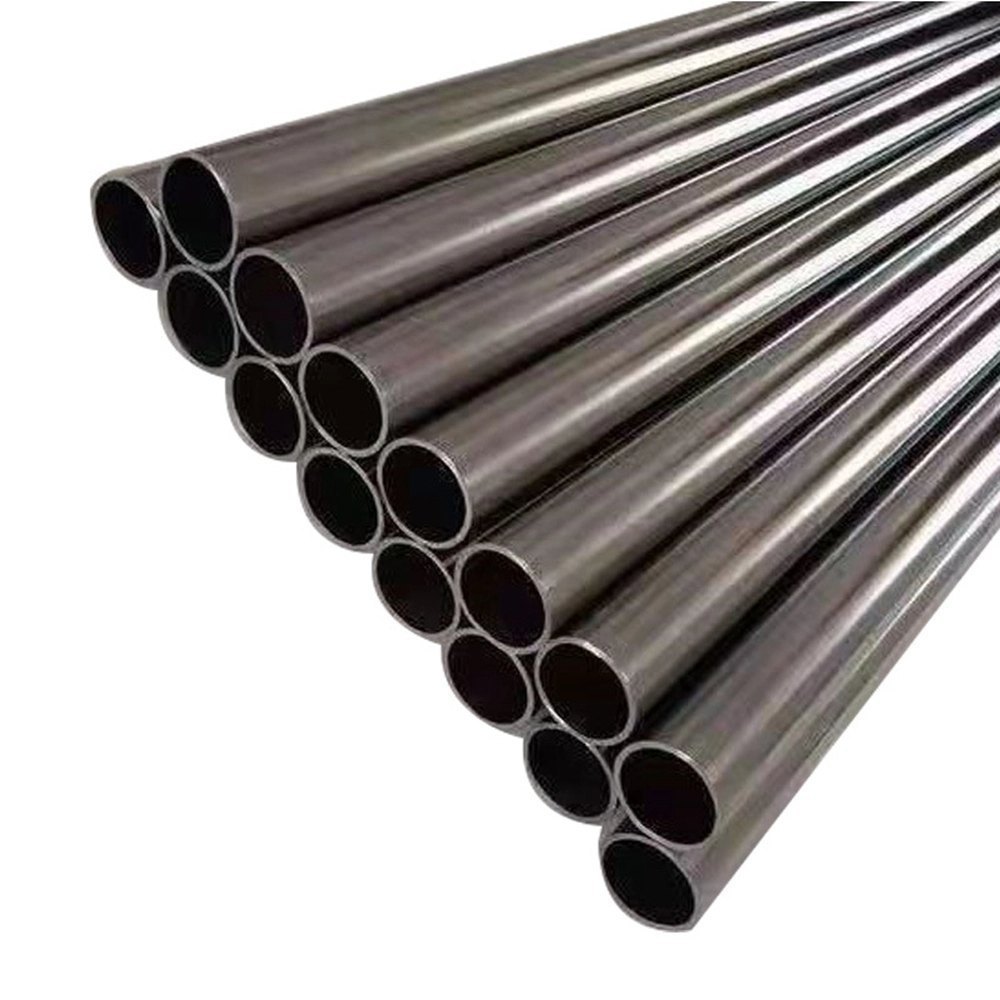
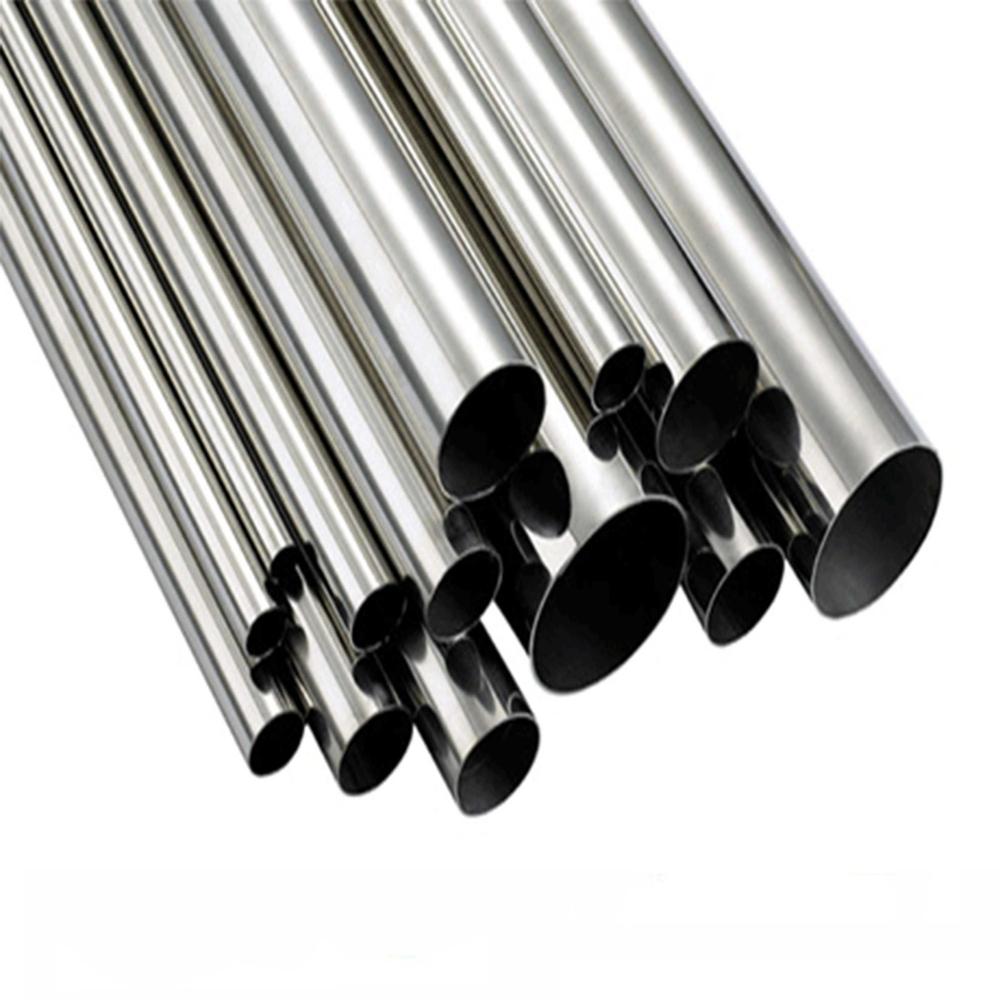
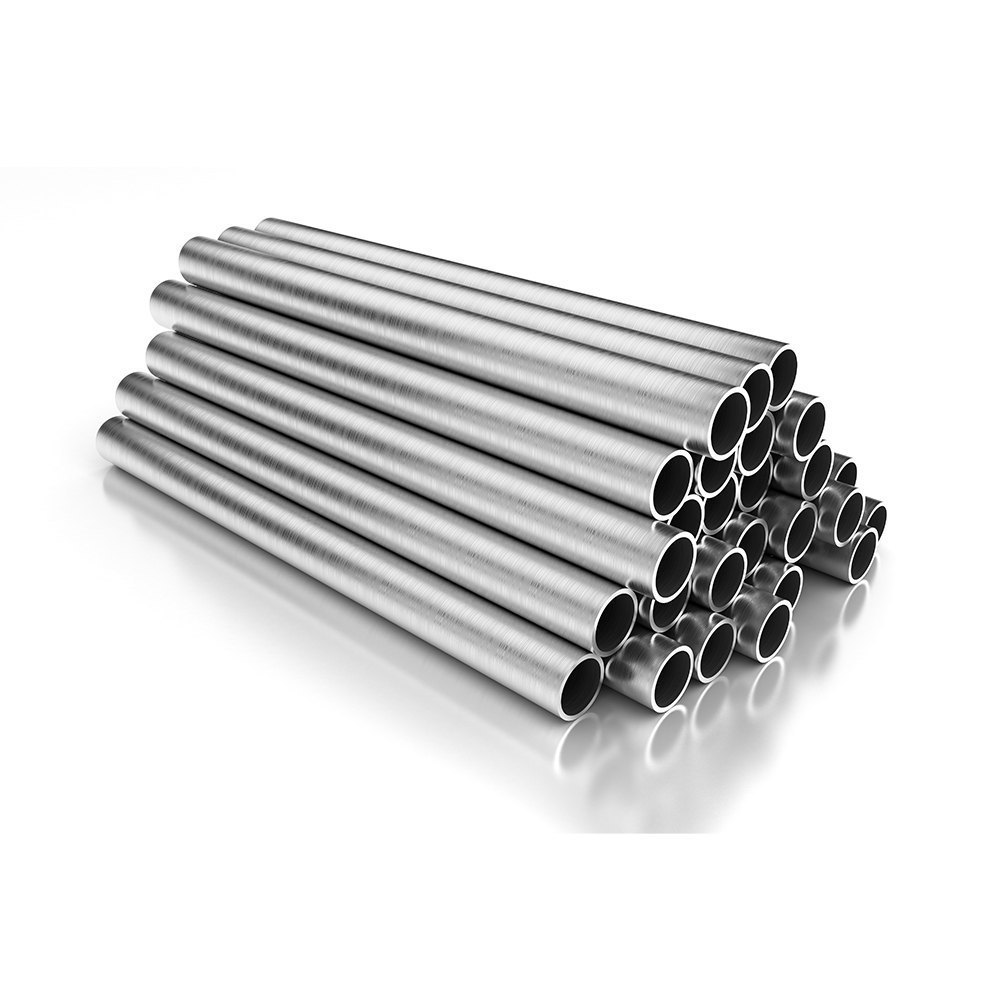
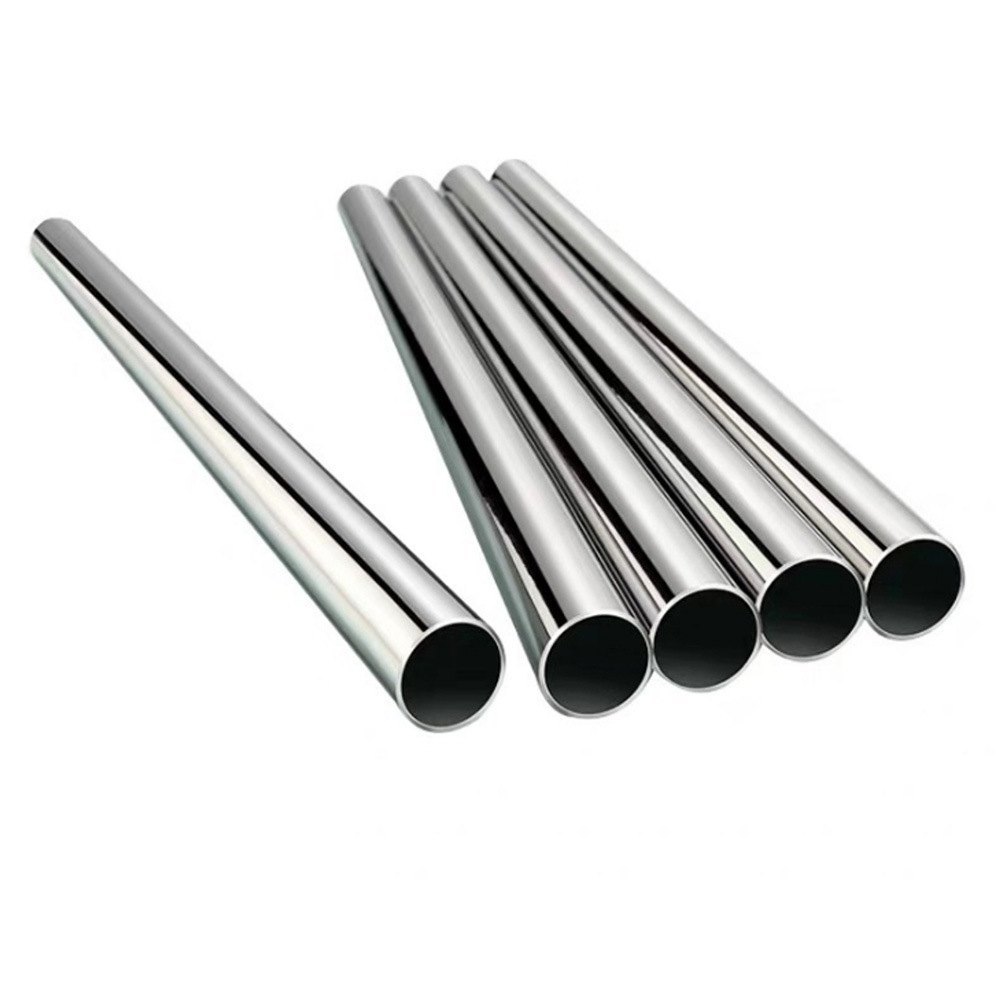
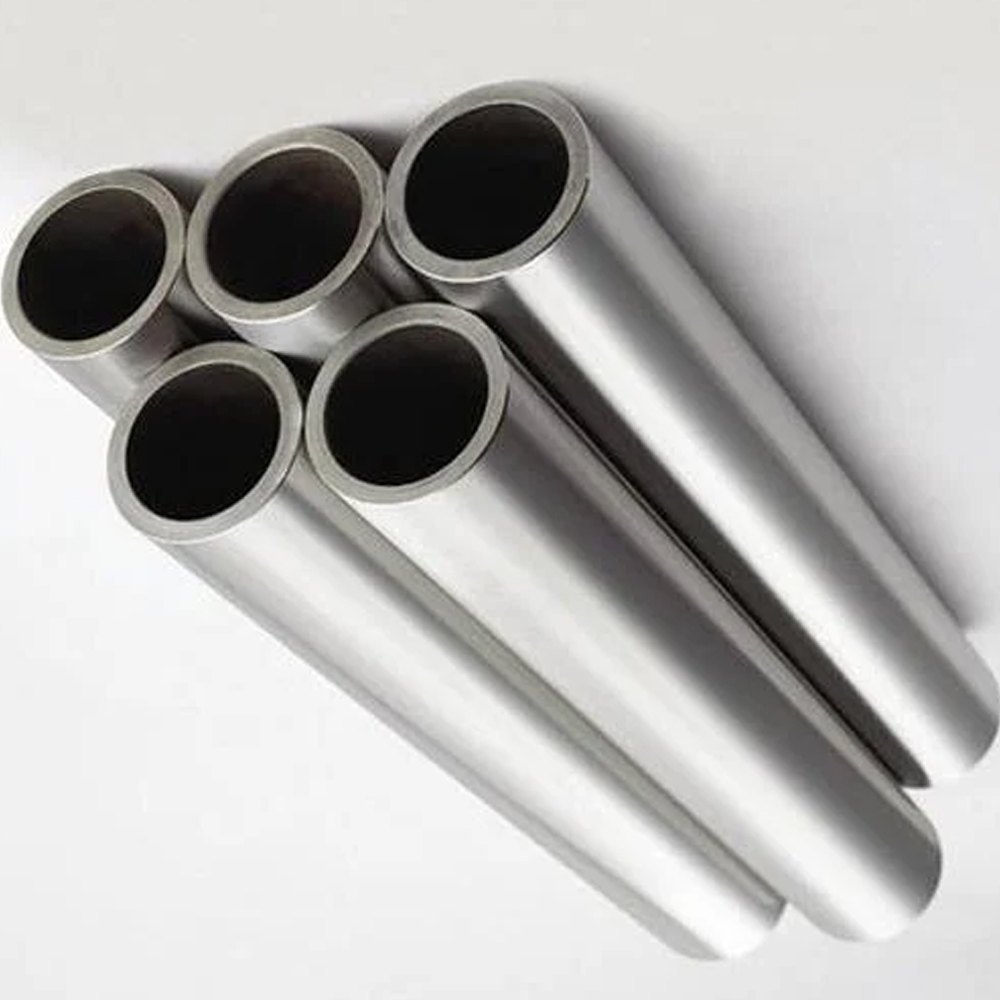
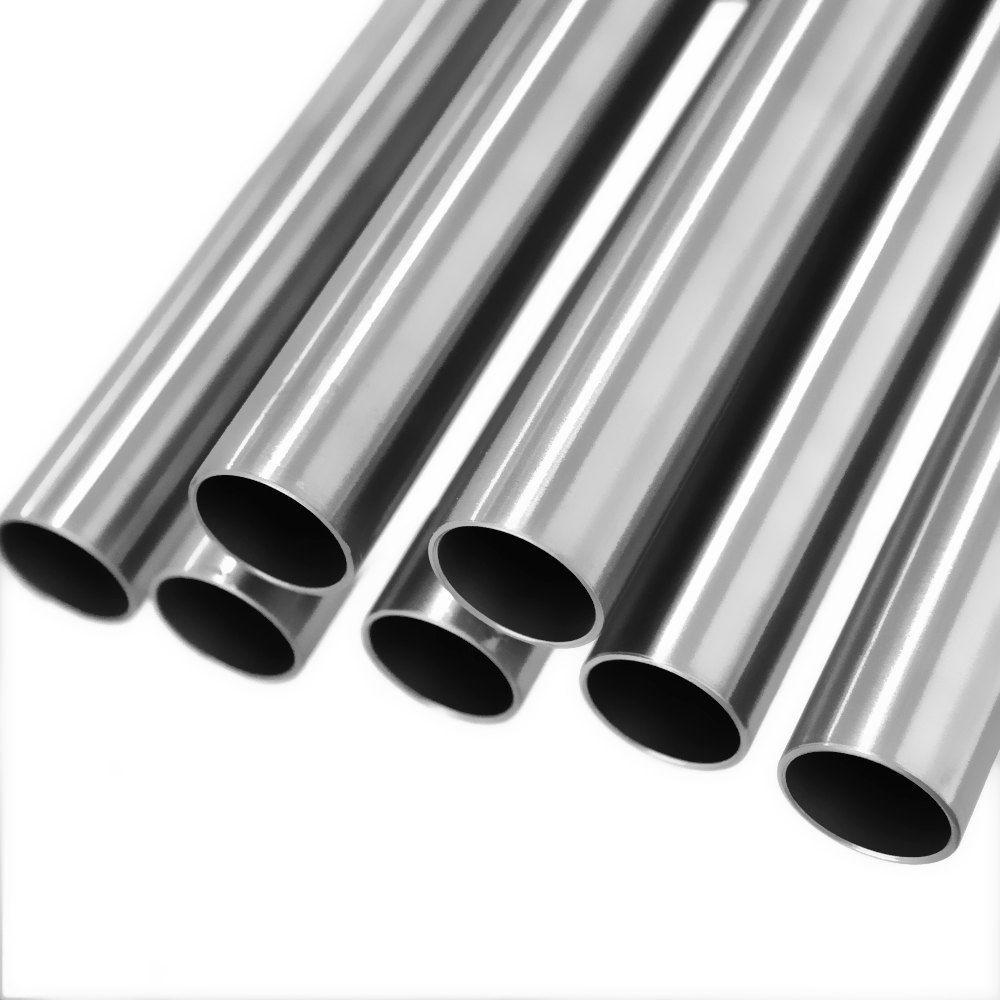
Versatile Manufacturing and CustomizationAvailable in a wide range of sizes and wall thicknesses, Hastelloy B2 tubes are offered in polished, annealed, or pickled finishes and a choice of plain, beveled, or threaded ends. Standard and custom lengths can be tailored to fit specific requirements, giving users maximum flexibility across diverse industrial applications.
Stringent Quality and Testing StandardsEach tube undergoes stringent hydrostatic, eddy current, and non-destructive testing to certify integrity and performance. With impurity content kept below 0.03% and advanced cold-drawn or hot-finished manufacturing processes, customers are assured of reliability and safety in critical operations.
FAQ's of Hastelloy B2 Tubing:
Q: How is Hastelloy B2 tubing manufactured and tested?
A: Hastelloy B2 tubing is produced using advanced cold-drawn and hot-finished processes to ensure precise dimensions and superior mechanical properties. Each tube is rigorously tested using hydrostatic, eddy current, and non-destructive testing methods to guarantee quality, safety, and performance in demanding environments.
Q: What applications are suitable for Hastelloy B2 tubing?
A: This tubing is widely used in chemical processing, petrochemical, power generation, and pharmaceutical industries. Its excellent resistance to reducing acids, hydrogen chloride gas, and stress corrosion cracking makes it an ideal choice for handling aggressive chemicals or operating under high temperatures and pressures.
Q: When should Hastelloy B2 tubing be chosen over other materials?
A: Hastelloy B2 tubing should be selected when superior corrosion resistance to reducing acids, particularly hydrochloric acid, is critical. Its ability to withstand temperatures up to 900C and resist stress corrosion cracking offers significant advantages where standard stainless steels or other alloys would deteriorate.
Q: Where can Hastelloy B2 tubing be customized for specific project needs?
A: As a manufacturer, exporter, and supplier, Hastelloy B2 tubing can be customized in terms of outside diameter (typically 1/4 to 4 inches), wall thickness (e.g., Schedule 5S, 10S, 40S), length, and end types (plain, beveled, threaded). Custom options are available to meet unique installation or process requirements.
Q: What surface finishes and end types are available for Hastelloy B2 tubing?
A: Tubes are offered in polished, annealed, and pickled surface finishes. End types include plain ends, beveled ends, and threaded ends, allowing for various joining and installation methods that suit different industrial specifications.
Q: What are the benefits of using Hastelloy B2 tubing in corrosive environments?
A: Benefits include excellent durability against reducing acids, minimal stress corrosion cracking, and reliable performance at high temperatures. These features help minimize maintenance, reduce downtime, and enhance the safety and longevity of systems exposed to aggressive media.





 Send Inquiry


 Send Inquiry
 Send Inquiry
 Send SMS


