Hastelloy B3 Pipe Fittings About
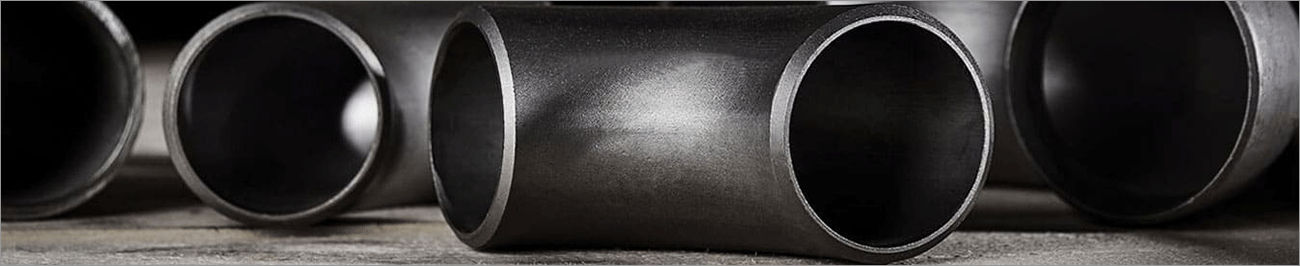
Hastelloy B3 Pipe Fittings is a nickel-molybdenum alloy with superior resistance to hydrochloric acid and other strongly corrosive environments. The high molybdenum and
nickel content makes Hastelloy B3 an excellent choice for use in hostile environments where other alloys have failed. The addition of tungsten gives Hastelloy B3 the unique ability to resist pitting and crevice corrosion.
Superior Corrosion ResistanceHastelloy B3 fittings exhibit excellent corrosion resistance, particularly against hydrochloric acid in all concentrations and temperatures. This characteristic makes them ideal for applications where aggressive chemicals are handled. The fittings retain their integrity even under elevated temperatures and corrosive media, ensuring long service life and dependable performance in harsh environments.
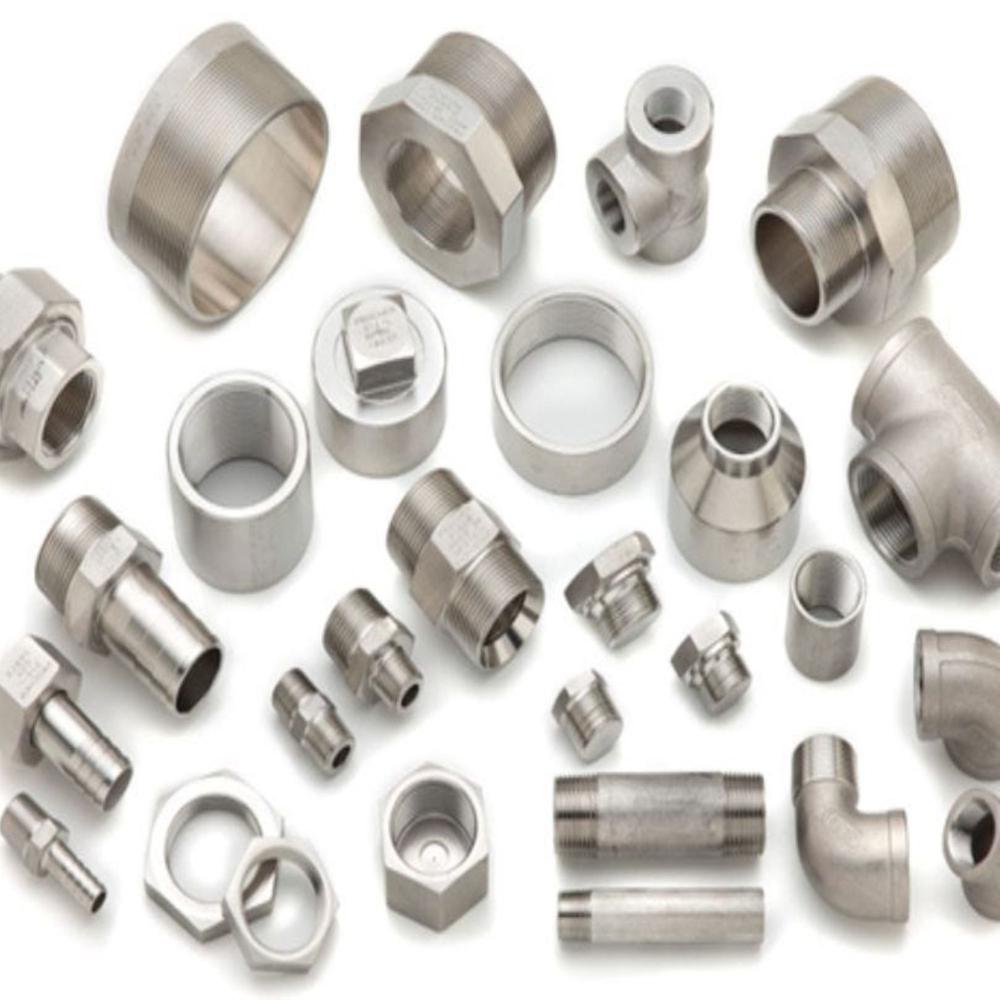
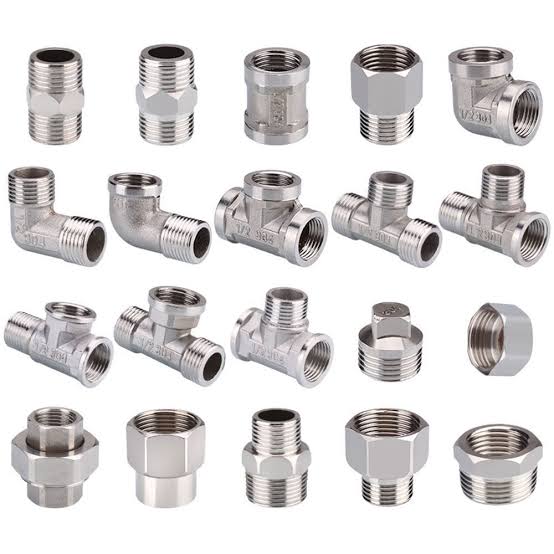
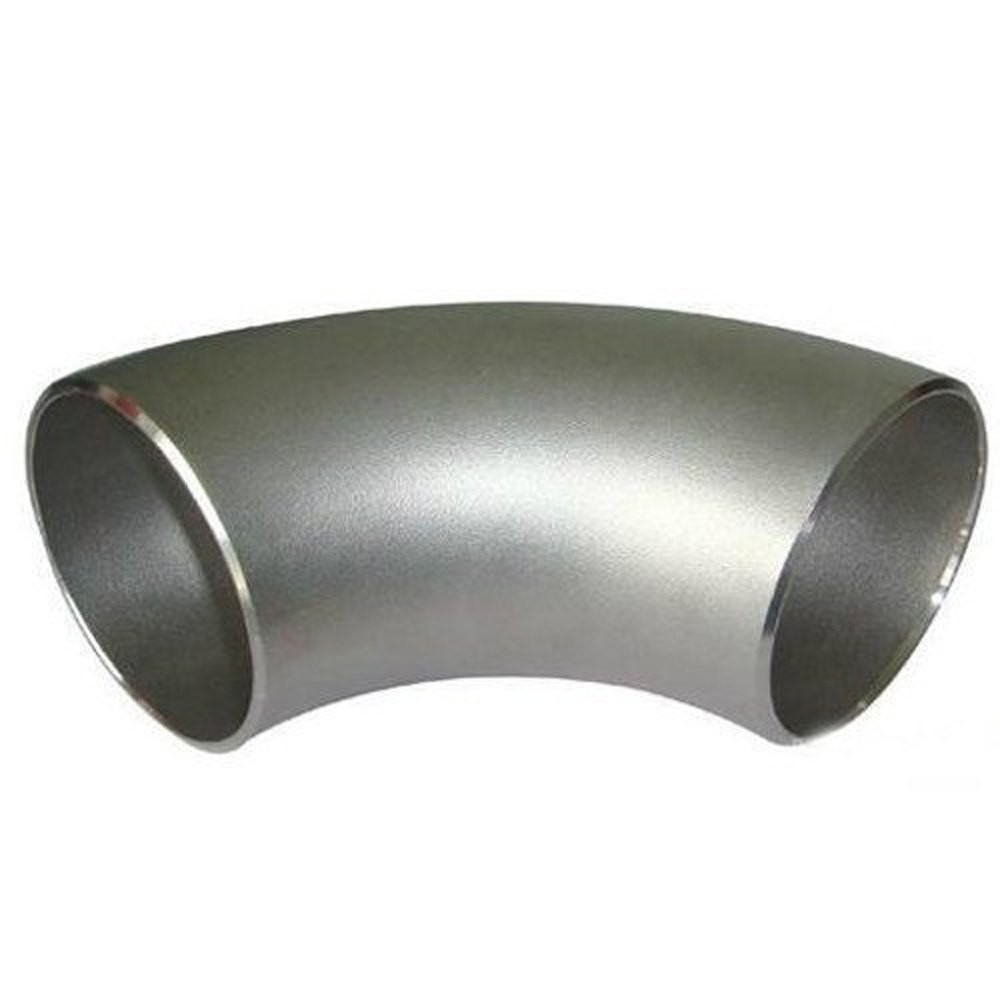
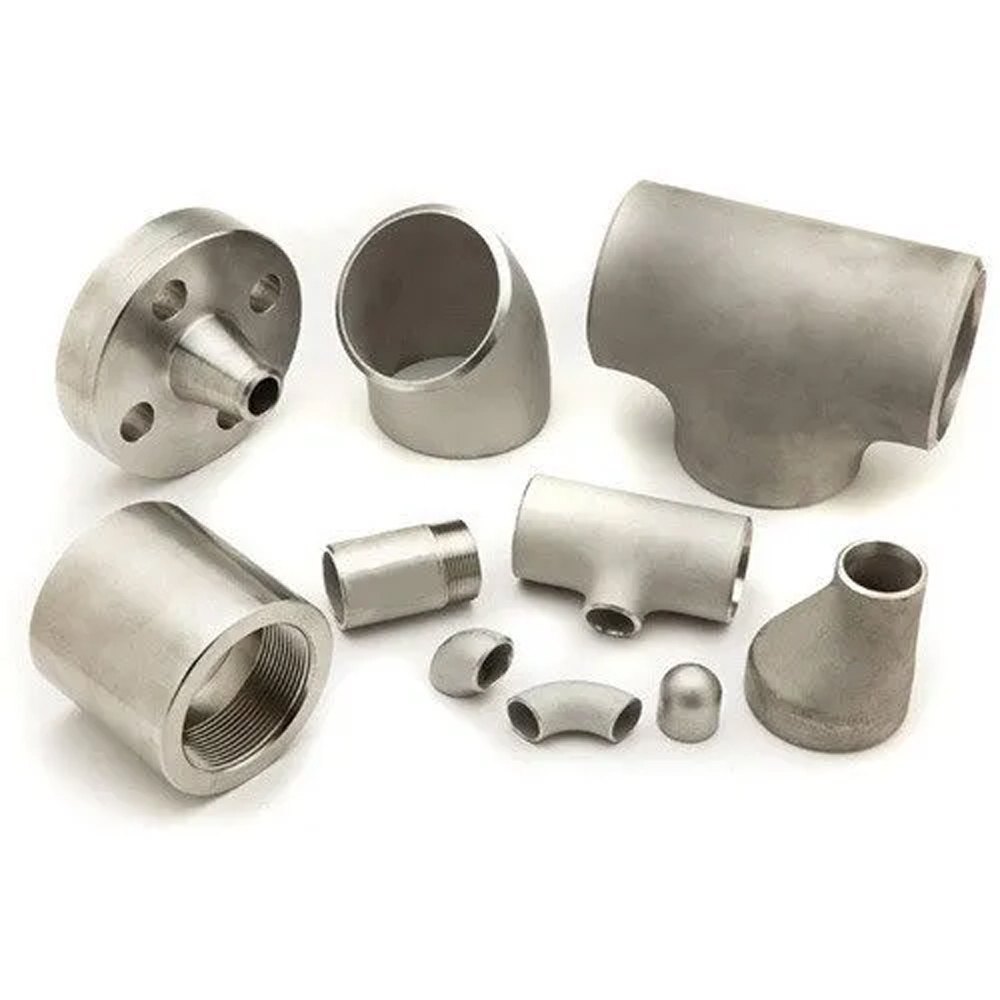
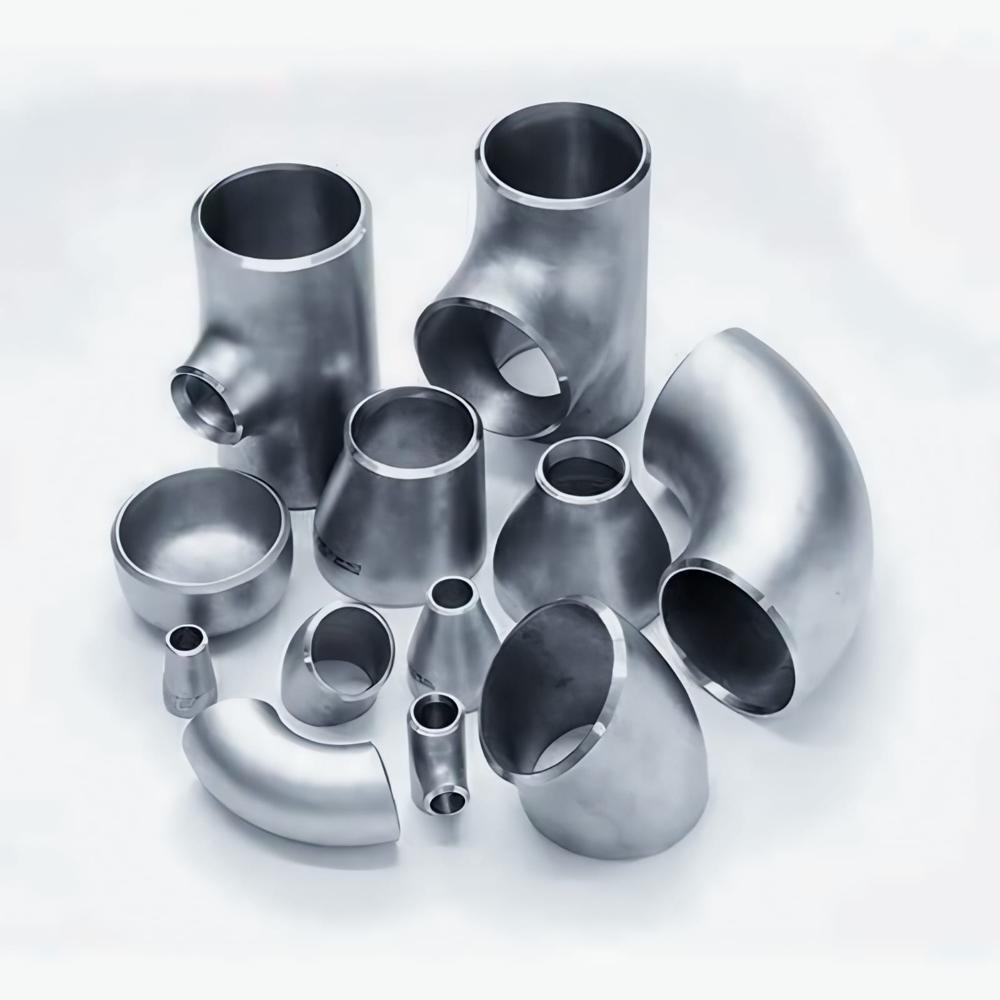
Versatile Connection Types and SizesAvailable in buttweld, socket weld, and threaded formats, Hastelloy B3 Pipe Fittings accommodate installation requirements across a broad range of systems. Sizes range from 1/8 NB to 48 NB, with dimensions tailored to ASME/ANSI B16.9, B16.11, or customer specifications. End connections are offered as beveled, plain, or threaded, providing flexibility for diverse piping designs.
FAQ's of Hastelloy B3 Pipe Fittings:
Q: How are Hastelloy B3 Pipe Fittings typically used?
A: These fittings are employed mainly in industries like chemical processing, oil and gas, power generation, pharmaceuticals, and marine sectors due to their robust resistance to aggressive chemicals and high temperatures.
Q: What is the benefit of the excellent corrosion resistance offered by UNS N10675 (Hastelloy B3)?
A: The superior resistance to hydrochloric acid at all concentrations and temperatures ensures the fittings can be used in extreme chemical environments without risk of rapid degradation, minimizing maintenance and replacement costs.
Q: What manufacturing processes are used for these pipe fittings?
A: Hastelloy B3 fittings are available in forged, seamless, or welded forms, ensuring each application receives a product with optimal mechanical strength and performance for its intended use.
Q: When should you choose buttweld, socket weld, or threaded connection types?
A: The choice depends on system requirements; buttweld is preferred for strong, leak-proof connections in large systems, socket weld suits moderate pressure applications, while threaded connections are practical for easier assembly and disassembly.
Q: Where can these fittings be installed safely?
A: They can be installed in any system requiring resistance to hydrochloric acid and high temperature, such as reactors, heat exchangers, pipelines, and processing equipment in industrial plants.
Q: What quality tests are performed on Hastelloy B3 Pipe Fittings?
A: Fittings undergo hydrostatic, non-destructive, and chemical/mechanical analysis to ensure conformity with relevant standards and reliable performance under specified conditions.
Q: How does the surface finish impact the performance of these fittings?
A: Pickled, annealed, and sand-blasted surface treatments ensure the fittings are free from contaminants and improve corrosion resistance, supporting their longevity in demanding environments.





 Send Inquiry


 Send Inquiry
 Send Inquiry
 Send SMS


