Hastelloy B3 Pipes About
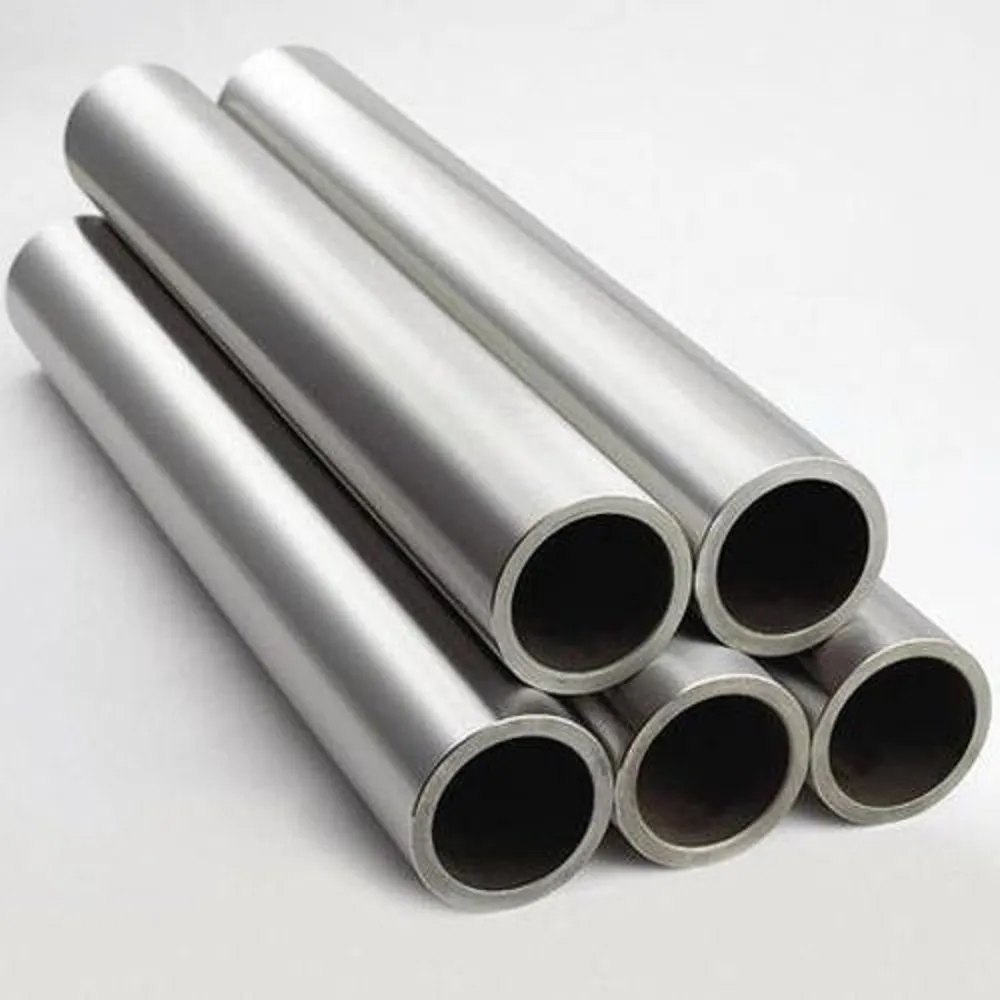
Hastelloy B3 pipes are high-performance nickel-molybdenum alloy pipes designed for exceptional resistance to hydrochloric acid and other strongly reducing environments. Known for their outstanding resistance to pitting, stress corrosion cracking, and erosion, Hastelloy B3 is particularly effective in high-temperature applications where chemical resistance is critical. The alloy's excellent weldability, thermal stability, and resistance to a broad range of corrosive agents make Hastelloy B3 pipes a reliable choice for demanding industrial applications.
Superior Material Properties and VersatilityHastelloy B3 Pipes, made from the UNS N10675 alloy, deliver a blend of high strength and excellent elongation. Engineered to handle temperatures up to 500C and aggressive environments, they are an optimum choice for industries requiring exceptional durability. With multiple surface finish options and custom-cut lengths, the range adapts to various operational demands, ensuring optimal performance and longevity in service.
Excellent Corrosion and Acid ResistanceThese pipes exhibit outstanding resistance to reducing acids, particularly hydrochloric acid, positioning them as a reliable solution for challenging process environments. Their impurity content is capped at 0.5%, which ensures high corrosion resistance and performance stability under harsh chemical conditions. This makes them especially suitable for chemical processing, petrochemical, and flue gas desulfurization applications.
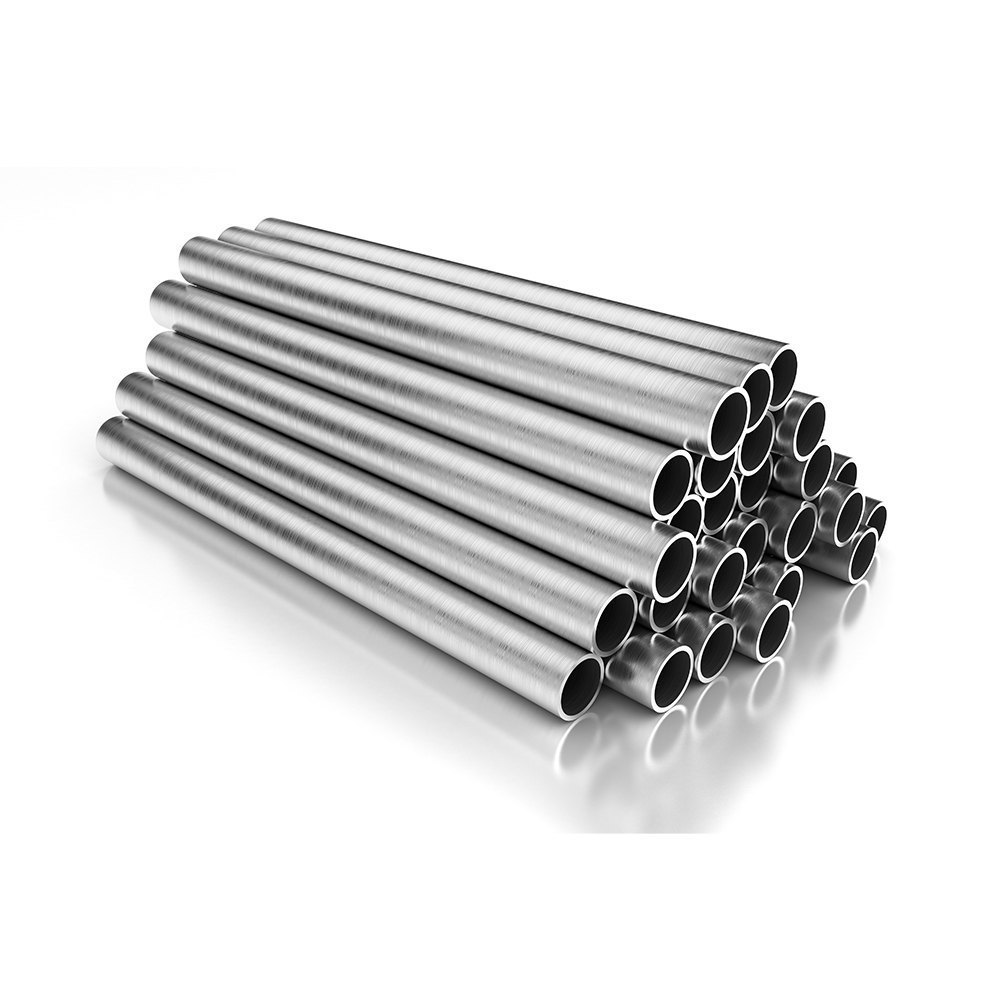
Tailored Dimensions and Wide Application RangeManufacturers supply Hastelloy B3 Pipes in a broad size range-outer diameters from 6mm to 219mm and wall thicknesses from 0.5mm to 20mm-catering to both standard and bespoke requirements. They support various application sectors such as chemical processing, petrochemical refining, off-shore engineering, and more. This adaptability ensures users get precisely matched solutions for sophisticated industrial systems.
FAQ's of Hastelloy B3 Pipes:
Q: What are the benefits of using Hastelloy B3 Pipes in chemical processing industries?
A: Hastelloy B3 Pipes offer outstanding resistance to reducing acids, especially hydrochloric acid, providing long-term reliability in aggressive chemical environments. Their strength, high-temperature tolerance up to 500C, and low impurity levels make them exceptionally durable for demanding chemical processing operations.
Q: How are Hastelloy B3 Pipes manufactured according to ASTM standards?
A: These pipes are manufactured as per ASTM B622, B619, B626, and B775 standards. This involves careful alloy selection, precise forming, and finishes such as bright, polished, or annealed. Strict quality controls during production ensure the pipes meet mechanical and corrosion-resistance specifications.
Q: What welding techniques are recommended for joining Hastelloy B3 Pipes?
A: For optimal weld integrity, Hastelloy B3 Pipes should be welded using matching filler metals or autogenous welding methods. These approaches help maintain corrosion resistance and mechanical strength at the welded joints, making them suitable for critical applications.
Q: Where are Hastelloy B3 Pipes most commonly used?
A: These pipes are extensively utilized in chemical processing plants, petrochemical industries, flue gas desulfurization units, and offshore engineering projects due to their high strength, corrosion resistance, and reliability under extreme conditions.
Q: How can the dimensions and lengths of Hastelloy B3 Pipes be customized?
A: Manufacturers provide Hastelloy B3 Pipes in standard single or double random lengths, as well as cut lengths up to 6 meters or as specified by clients. Outer diameter can range from 6mm to 219mm, and wall thickness from 0.5mm to 20mm, meeting unique project demands.
Q: What makes Hastelloy B3 Pipes suitable for high-temperature applications?
A: Their ability to perform at temperatures up to 500C, combined with a minimum tensile strength of 760 MPa and excellent elongation properties, makes them ideal for high-temperature and high-stress applications commonly found in specialized industrial settings.





 Send Inquiry


 Send Inquiry
 Send Inquiry
 Send SMS
 Call Me Free


