Hastelloy B4 Plates About
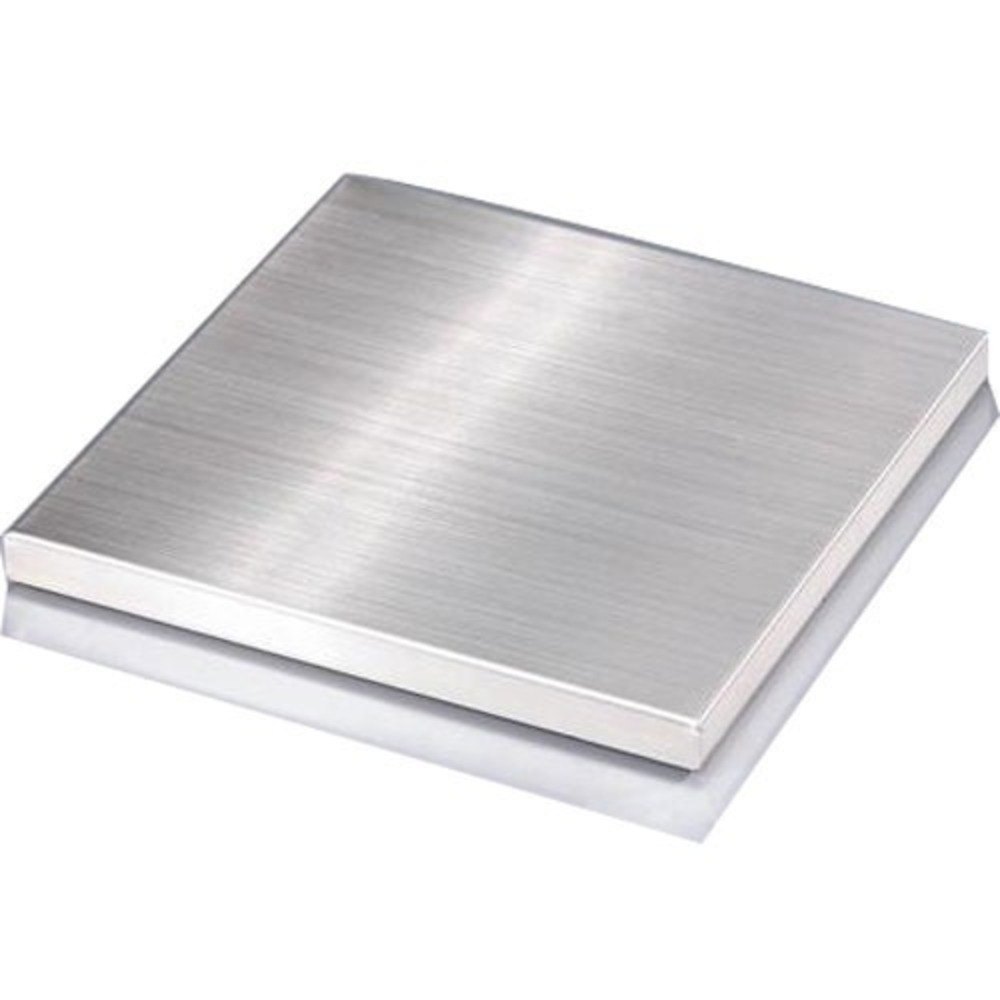
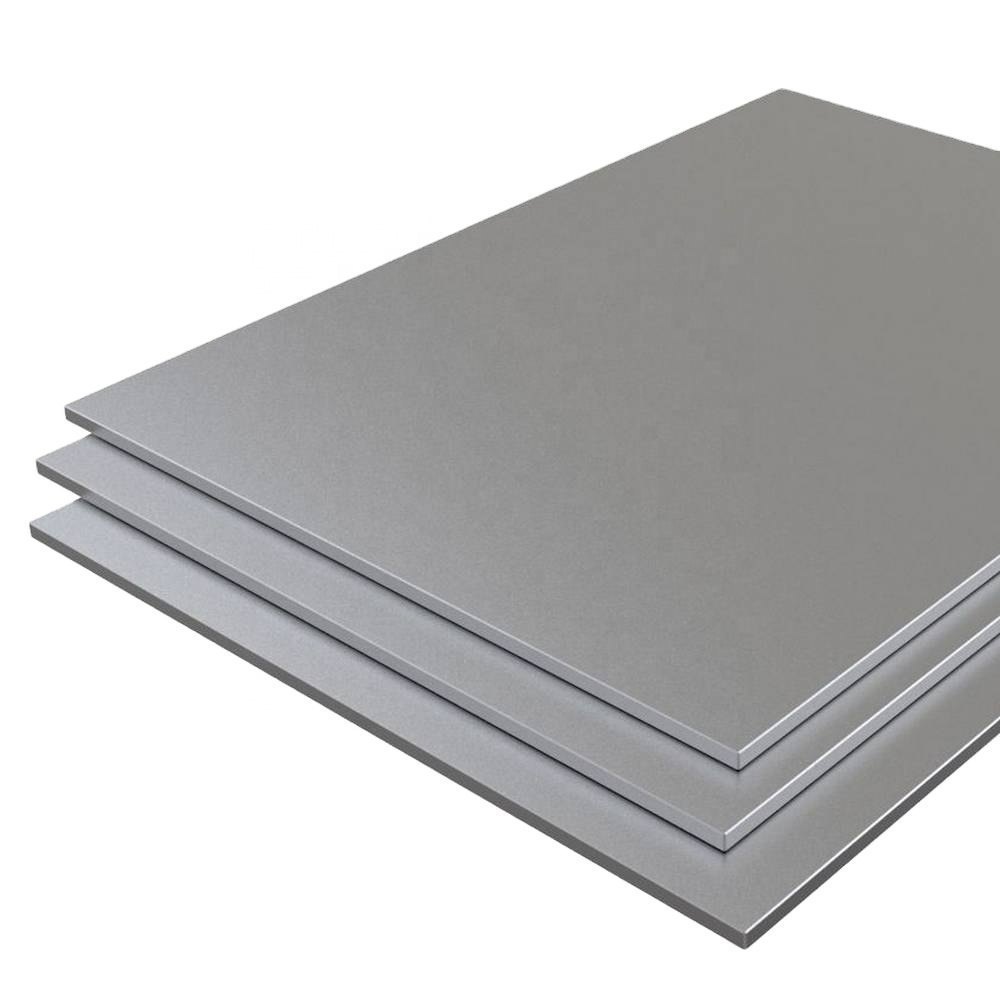
hastelloy B4 Plates are advanced nickel-molybdenum alloys specifically designed to withstand extreme chemical environments, including highly acidic and reducing conditions.These plates are renowned for their exceptional resistance to hydrochloric acid, hydrogen chloride gas, and other aggressive chemical agents. They are suitable where there are high demands on the anti-corrosion and chemical attack capabilities of the material.
Superior Corrosion ResistanceHastelloy B4 plates provide excellent resistance to aggressive acids, such as hydrochloric, sulfuric, phosphoric, and various organic acids. This feature makes them exceptionally reliable in environments where conventional materials would deteriorate, ensuring longer service life and reduced maintenance costs.
Versatile ApplicationsThese plates are extensively used across chemical processing, marine, power generation, petrochemical, and pulp & paper industries. Their high mechanical strength, adaptable formability, and resistance to heat and corrosion support a wide range of demanding industrial applications.
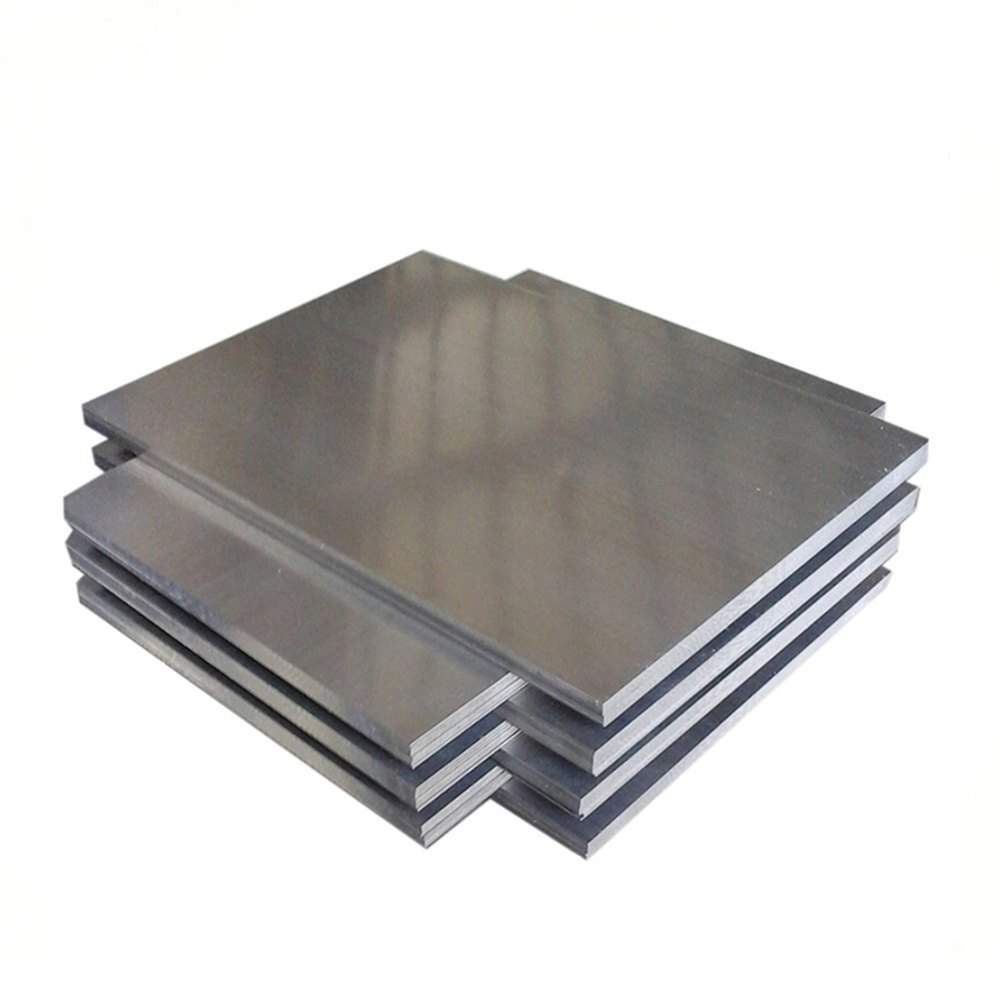
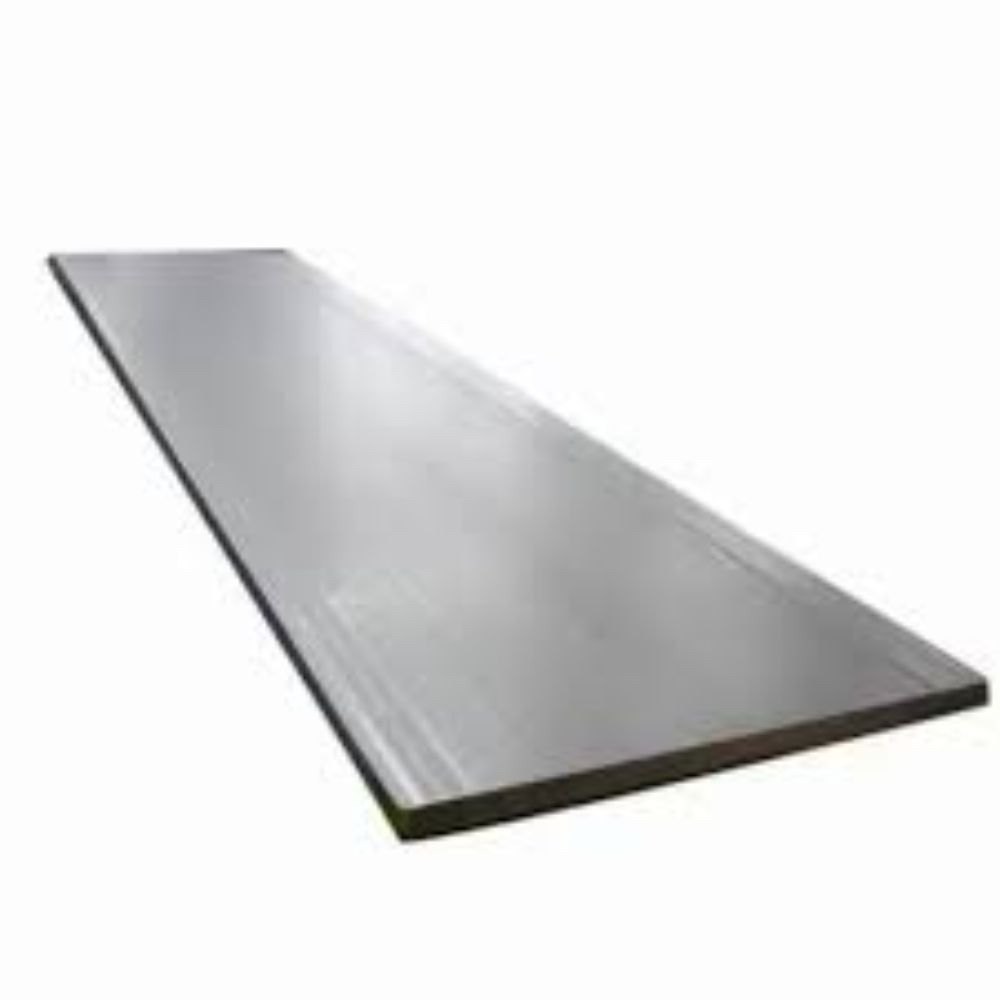
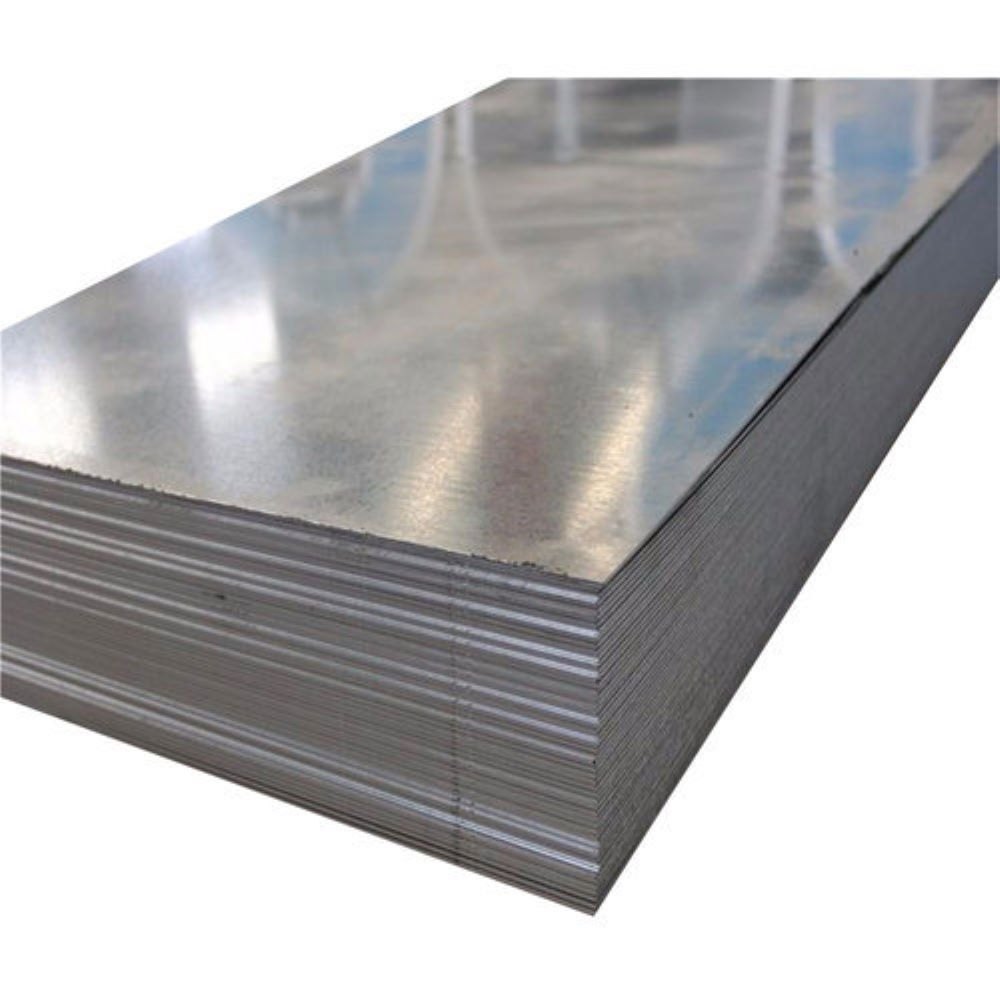
Customization and Quality AssuranceHastelloy B4 plates are available in a variety of thicknesses (from 4 mm up to 100 mm), widths (up to 1500 mm), and lengths (up to 6000 mm), as well as in several surface finishes. Each plate meets strict ASTM B333 / ASME SB333 standards, ensuring consistent quality, performance, and traceability.
FAQ's of Hastelloy B4 Plates:
Q: How are Hastelloy B4 plates typically fabricated and welded for industrial use?
A: Hastelloy B4 plates possess good formability and can be cut, shaped, or welded using common fabrication methods. For welding, TIG and MIG welding techniques are recommended, ensuring strong joints while preserving the alloy's corrosion resistance.
Q: What are the main benefits of using Hastelloy B4 plates in chemical processing environments?
A: The primary benefit is their outstanding resistance to a wide range of corrosive acids, especially hydrochloric, sulfuric, and phosphoric acids. This results in prolonged service life, lower maintenance requirements, and enhanced safety within chemical processing plants.
Q: When should I consider using Hastelloy B4 plates over other stainless steels or nickel alloys?
A: Choose Hastelloy B4 plates when your application demands superior corrosion resistance to aggressive acids and high mechanical strength at elevated temperatures (up to 600C), features that often surpass standard stainless steels and many other nickel alloys.
Q: Where are Hastelloy B4 plates commonly installed?
A: These plates are widely used in components such as reaction vessels, heat exchangers, piping, and tanks in chemical, marine, petrochemical, power generation, and pulp & paper industries due to their robust durability and resistance properties.
Q: What surface finishes and edge conditions are available for Hastelloy B4 plates?
A: Hastelloy B4 plates are offered with hot rolled, cold rolled, 2B, BA, and No.1 surface finishes. Edge conditions include mill edge and sheared edge, catering to various fabrication requirements and preferences for different applications.
Q: How does the non-magnetic nature of Hastelloy B4 plates impact their usage?
A: Their non-magnetic property makes them particularly advantageous in applications where magnetic interference must be minimized, such as in electronic manufacturing or sensitive instrumentation within chemical plants.






 Send Inquiry


 Send Inquiry
 Send Inquiry
 Send SMS


