Hastelloy C2000 Plates About
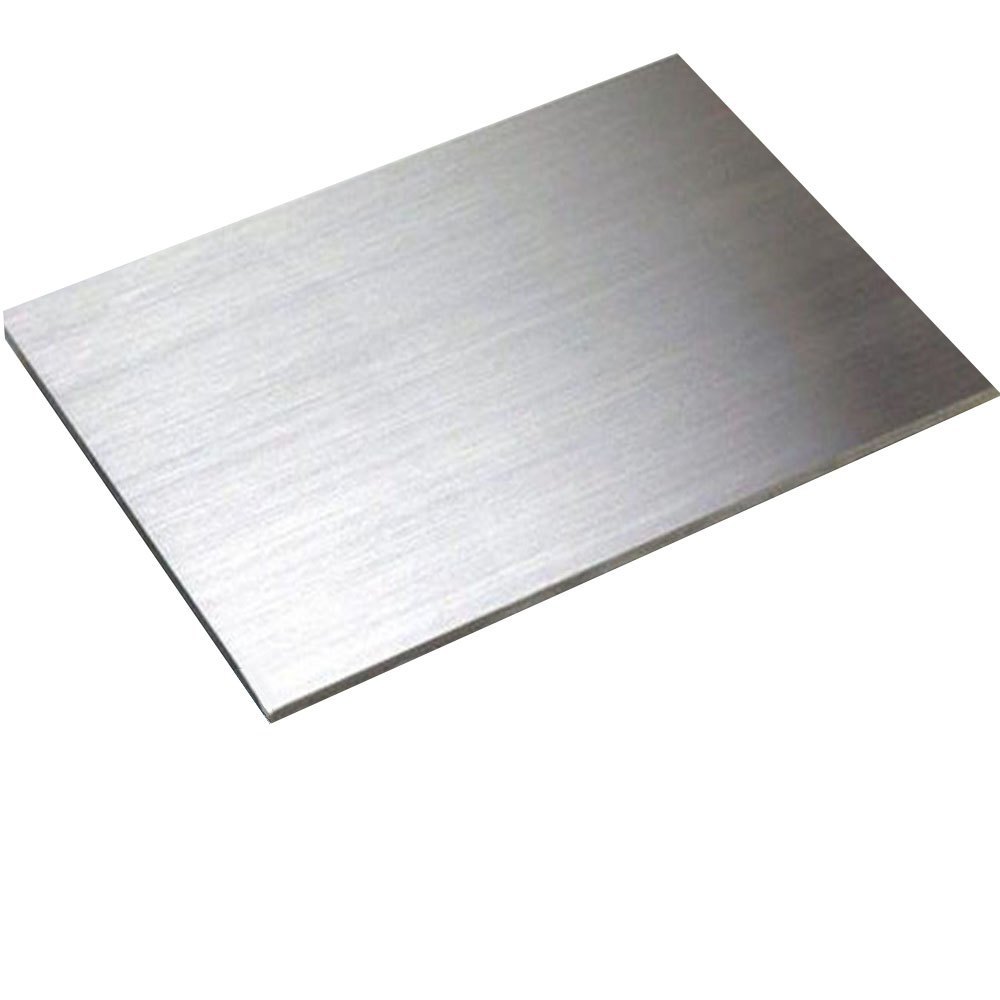
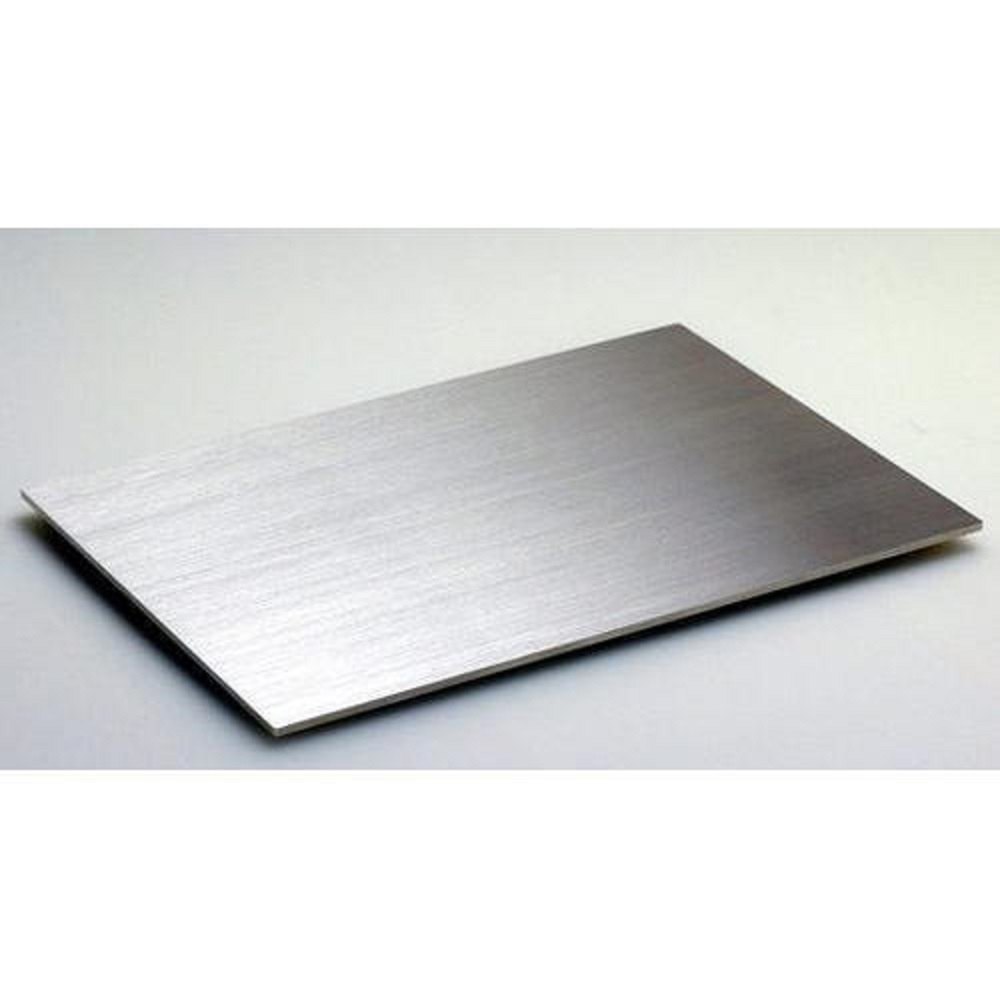
Hastelloy C2000 plates are a versatile and high-performance nickel-chromium-molybdenum alloy designed to resist corrosion in a wide range of environments. Known for its exceptional resistance to oxidizing and reducing chemicals. Its superior mechanical strength, weldability and resistance to pitting and stress corrosion cracking make it a preferred material for demanding applications.
Outstanding Corrosion ResistanceEngineered to perform in severely corrosive settings, Hastelloy C2000 plates excel against a range of acids and oxidizing agents. Their unique alloy composition ensures longevity, making them the material of choice for industries where chemical stability and resistance to corrosive media are paramount.
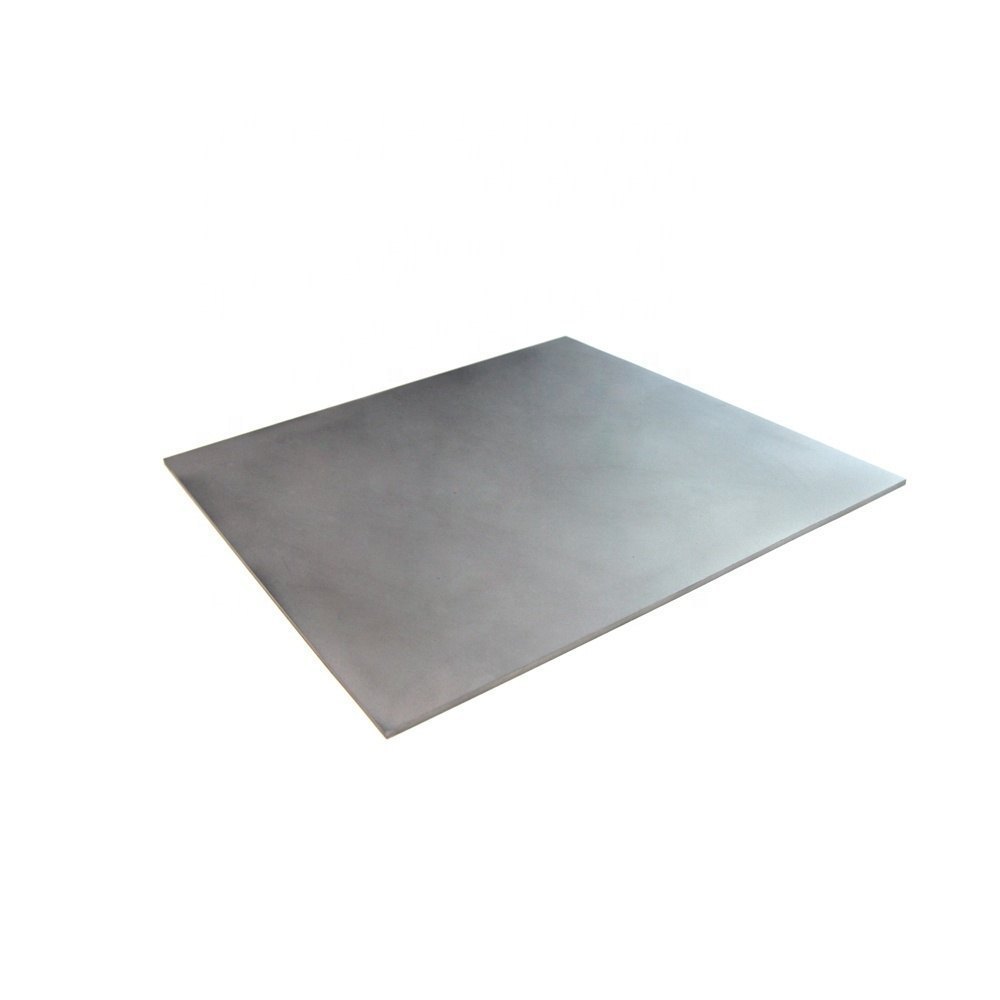
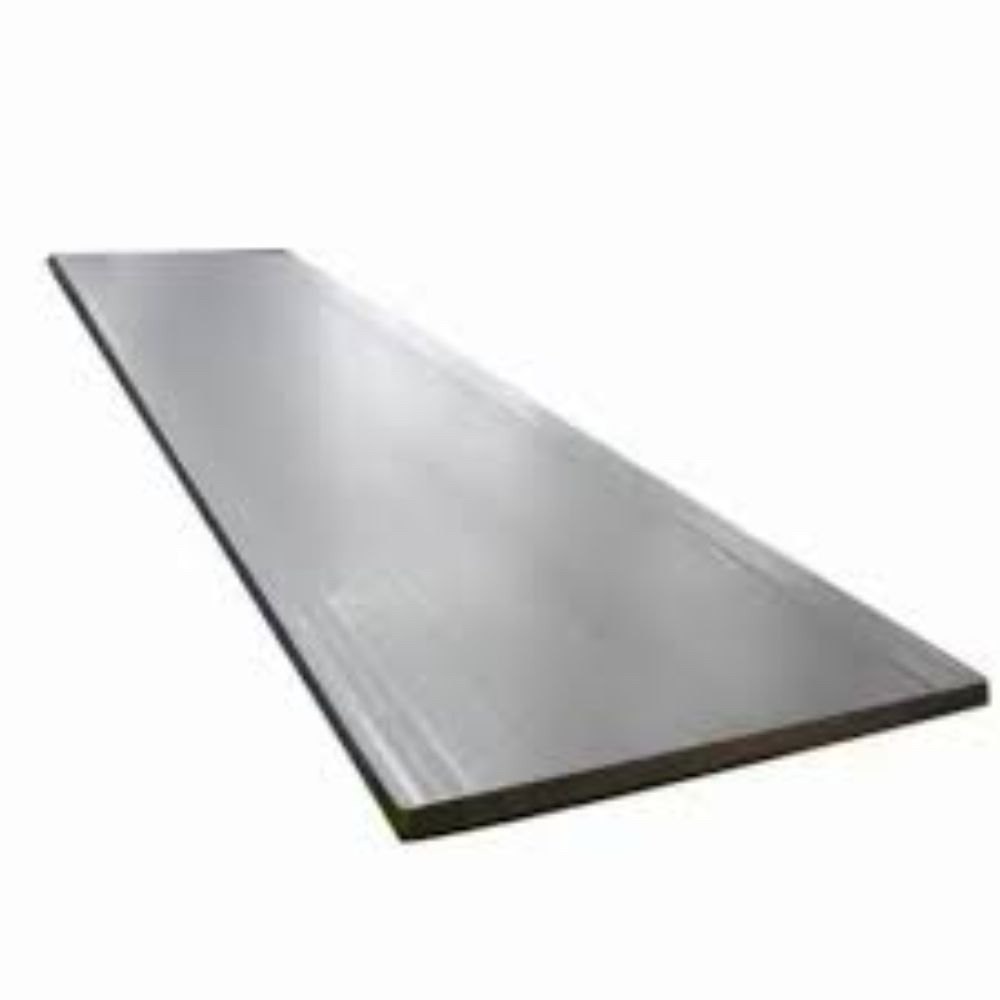
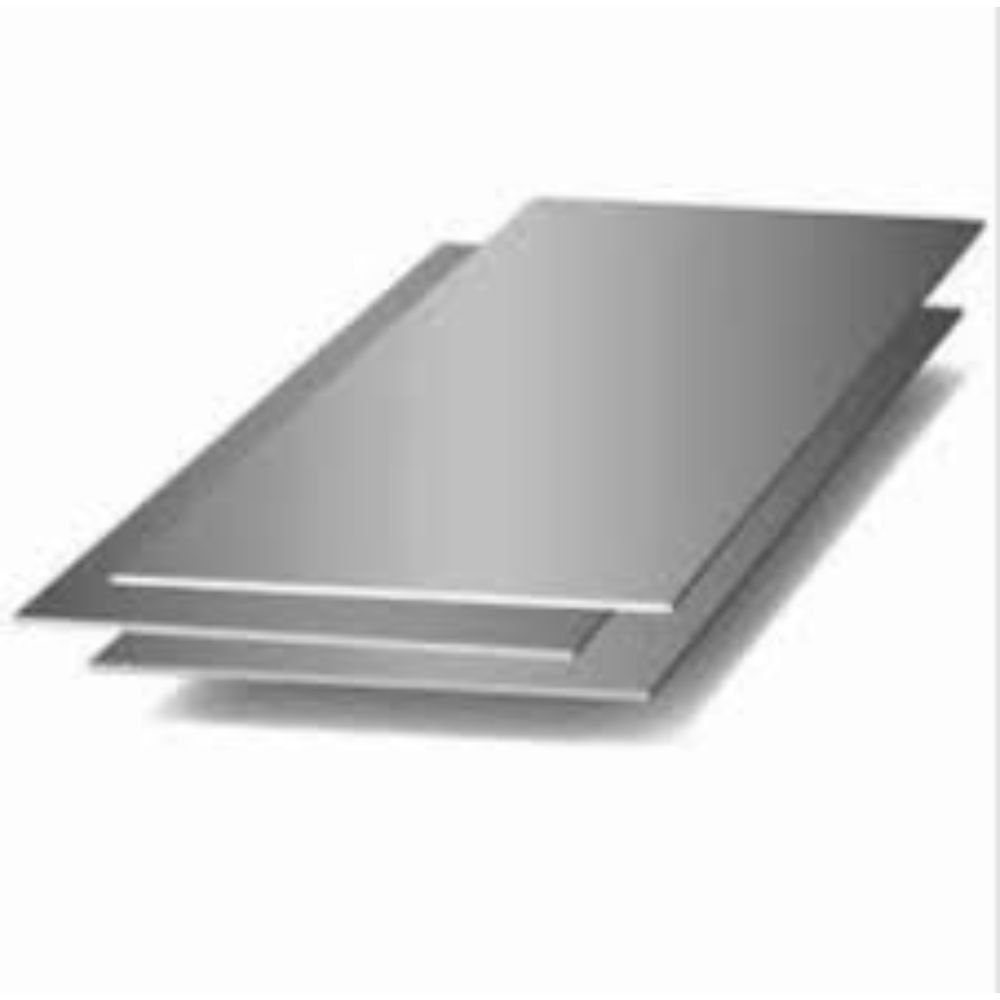
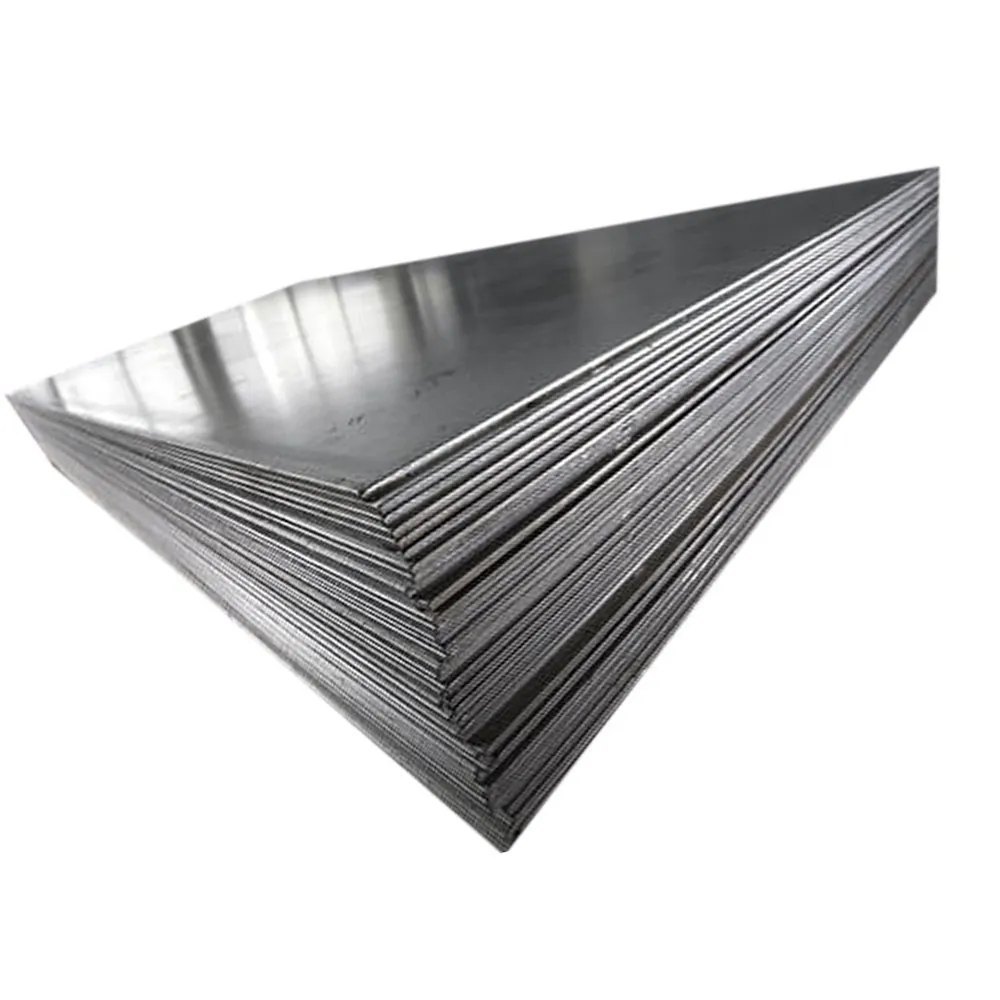
Versatile Dimensions and ApplicationsAvailable in various sizes and thicknesses, Hastelloy C2000 plates cater to custom project specifications. Common dimensions include 1000x2000 mm, 1220x2440 mm, and 1500x3000 mm. These plates are crucial components in chemical processing, marine, energy, and pharmaceutical facilities.
Superior Mechanical and Thermal PropertiesBoasting a tensile strength not less than 690 MPa and a thermal conductivity of 10.0 W/mK at 23C, these plates deliver exceptional performance wherever high strength and efficient heat dissipation are required. Their melting point is notably high for demanding operational environments.
FAQ's of Hastelloy C2000 Plates:
Q: How are Hastelloy C2000 plates typically used in industrial applications?
A: These plates are commonly found in chemical processing, petrochemical plants, power generation, pollution control systems, marine environments, and pharmaceutical manufacturing due to their excellent resistance to corrosion and reliable mechanical performance.
Q: What benefits does the UNS N06200 alloy provide for these plates?
A: UNS N06200 provides outstanding resistance to most acids and oxidizing agents, ensuring durability and longevity in aggressive chemical environments and under demanding conditions.
Q: When should Hastelloy C2000 plates be selected over other materials?
A: Select Hastelloy C2000 plates when superior corrosion resistance, especially against mixed acid media and oxidizing agents, is required, such as in high-risk chemical processing or marine applications.
Q: Where can Hastelloy C2000 plates be customized for specific project requirements?
A: These plates are offered by manufacturers, suppliers, exporters, importers, and traders, often with the option to customize dimensions, thickness, and surface finish to match your project's technical needs.
Q: What is the process for welding or fabricating Hastelloy C2000 plates?
A: Hastelloy C2000 plates have excellent weldability and can be welded by all conventional methods. However, due to the alloy's work-hardening nature, special machining tools and proper techniques are necessary during fabrication.
Q: How does the surface finish affect the usage of Hastelloy C2000 plates?
A: Surface finishes like No.1 (hot rolled, annealed, pickled), 2B, or BA enhance the plate's surface properties, providing improved aesthetics, cleanliness, and suitability for various environments or subsequent processing steps.
Q: What makes Hastelloy C2000 plates advantageous for marine and chemical processing industries?
A: Their high resistance to pitting, crevice corrosion, and oxidizing acids ensures they maintain their integrity and performance even in the most challenging marine and chemical environments, reducing maintenance and replacement costs.





 Send Inquiry


 Send Inquiry
 Send Inquiry
 Send SMS
 Call Me Free


