Hastelloy C276 Electrodes About
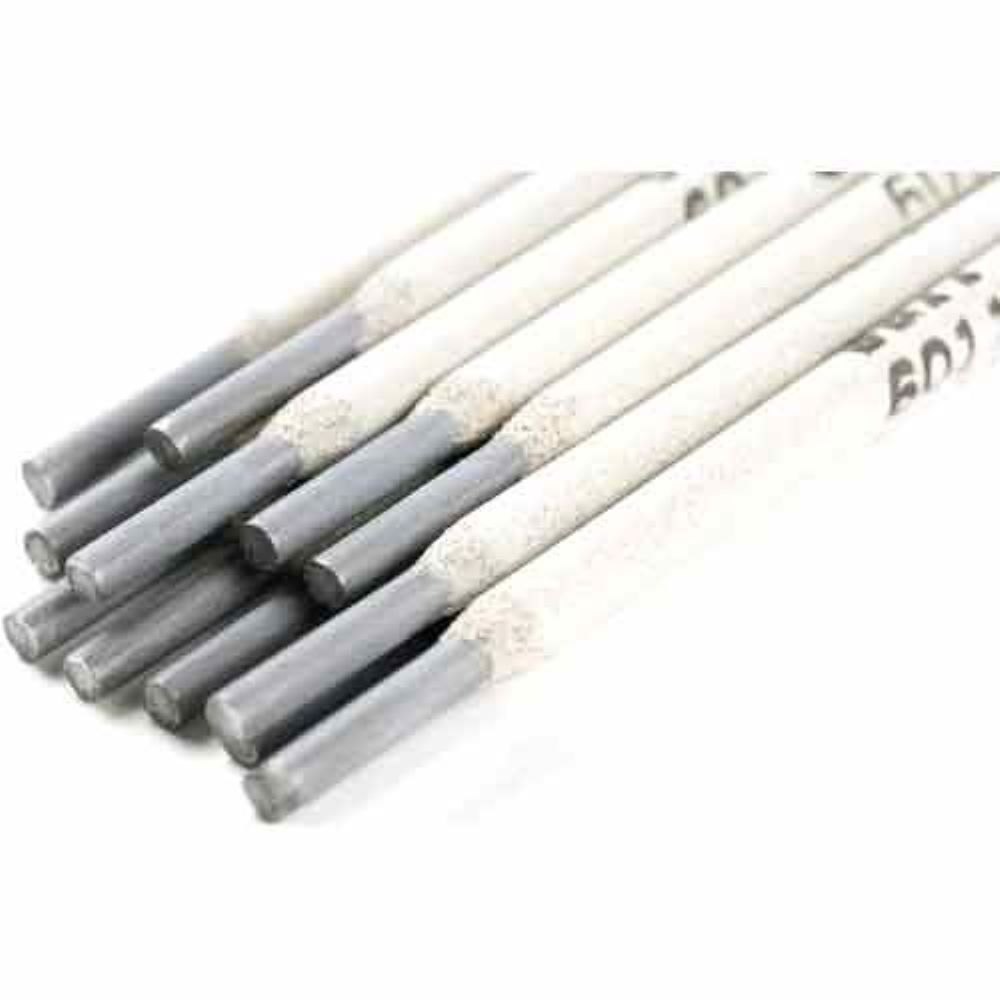
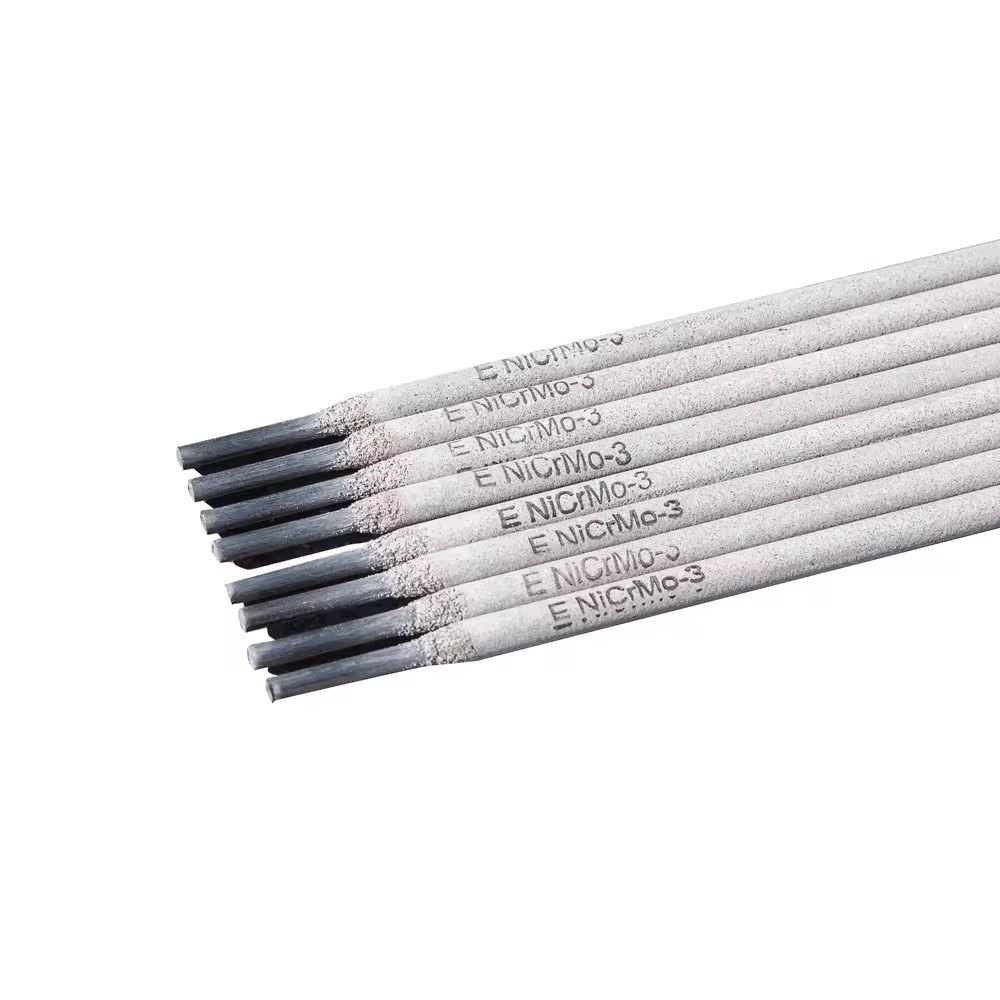
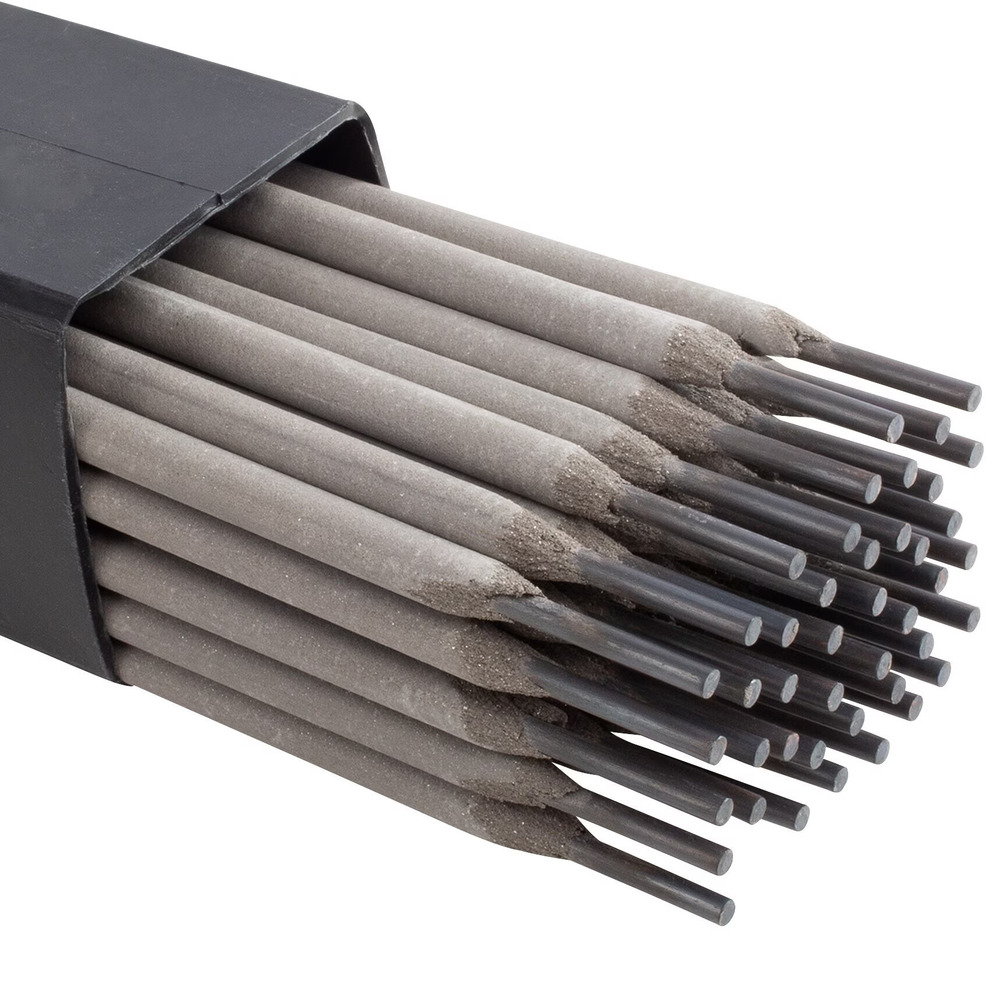
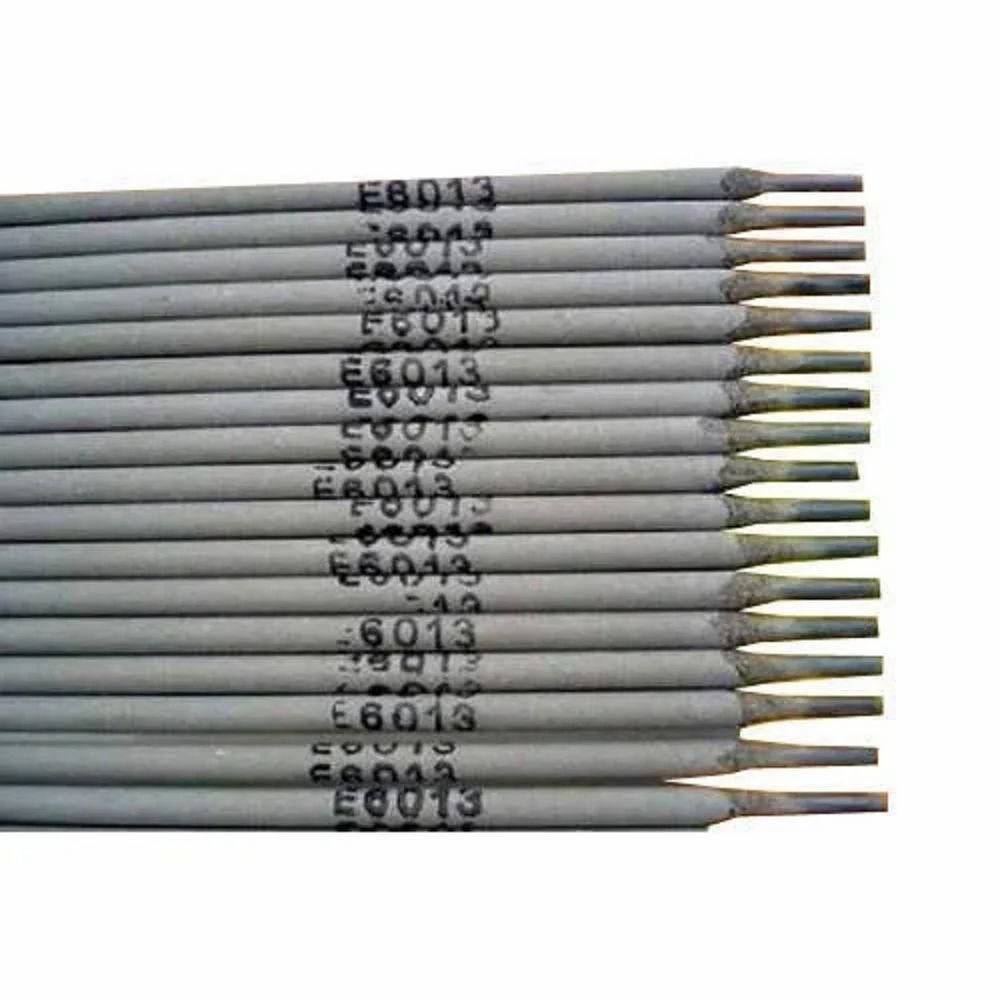
C276 Hastelloy Electrodes provide several benefits, such as excellent weldability and high corrosion resistance. The chemical B16 associated with these electrodes is an alloy made mostly of nickel and molybdenum with a small amount of chromium, tungsten, and iron. This combination of elements makes up the unique properties that make Hastelloy C276 Electrodes so desirable for use in specific applications. Its ability to withstand extreme temperatures, pressures, and chemical exposure makes it an ideal choice for jobs that require a strong yet flexible material. Regarding welding capabilities, these electrodes will work on a variety of metals, both thick and thin, providing an even and smooth finish.
Superior Corrosion ResistanceHastelloy C276 Electrodes offer exceptional protection against pitting, crevice corrosion, and stress corrosion cracking, making them an excellent choice for challenging environments where chemical resistance is paramount.
Versatility Across IndustriesThese electrodes are a go-to solution in chemical processing, petrochemical plants, offshore facilities, and power generation industries. Their adaptability ensures quality welds and coatings in critical components exposed to corrosive media.
Reliable Performance and ComplianceMeeting globally recognized standards (ASTM, ASME, AWS, ISO), Hastelloy C276 Electrodes guarantee reliability and consistent results. Their robust tensile strength and controlled impurity levels speak to their superior manufacturing quality.
FAQ's of Hastelloy C276 Electrodes:
Q: How are Hastelloy C276 Electrodes typically used in industrial applications?
A: Hastelloy C276 Electrodes are primarily used for welding and surface coating of Hastelloy C276 and comparable nickel-based superalloys. These electrodes are essential for creating joints that withstand harsh chemical environments, common in industries like chemical processing, petrochemicals, power generation, and offshore platforms.
Q: What benefits do these electrodes offer over standard welding rods?
A: They provide superior resistance to pitting, crevice corrosion, and stress corrosion cracking, outperforming standard electrodes in aggressive and corrosive settings. Their high tensile strength ensures durable welds, while compliance with international standards guarantees quality and performance.
Q: When should I choose a rutile flux coating versus a basic flux coating on these electrodes?
A: Rutile flux coatings are selected for smoother arc operation and easier slag removal, generally suitable for positional welding and surface appearance. Basic flux coatings, on the other hand, are preferred when high toughness and crack resistance are critical, especially in demanding environments.
Q: Where are these electrodes most commonly applied?
A: These electrodes are widely deployed in chemical plants, petrochemical refineries, offshore drilling rigs, and power generation facilities-anywhere there's a need for welds with outstanding corrosion resistance and integrity.
Q: What is the recommended operating current for Hastelloy C276 Electrodes?
A: These electrodes are compatible with both AC and DC welding currents, giving flexibility in varying welding setups and ensuring stable performance regardless of the power source.
Q: How does the packaging ensure the integrity of these electrodes during storage and transport?
A: The electrodes are supplied in sealed boxes or cartons, which prevents moisture ingress and contamination. This packaging maintains the rods' quality and welding properties until they are ready for use.





 Send Inquiry


 Send Inquiry
 Send Inquiry
 Send SMS


