Hastelloy C276 Fasteners About
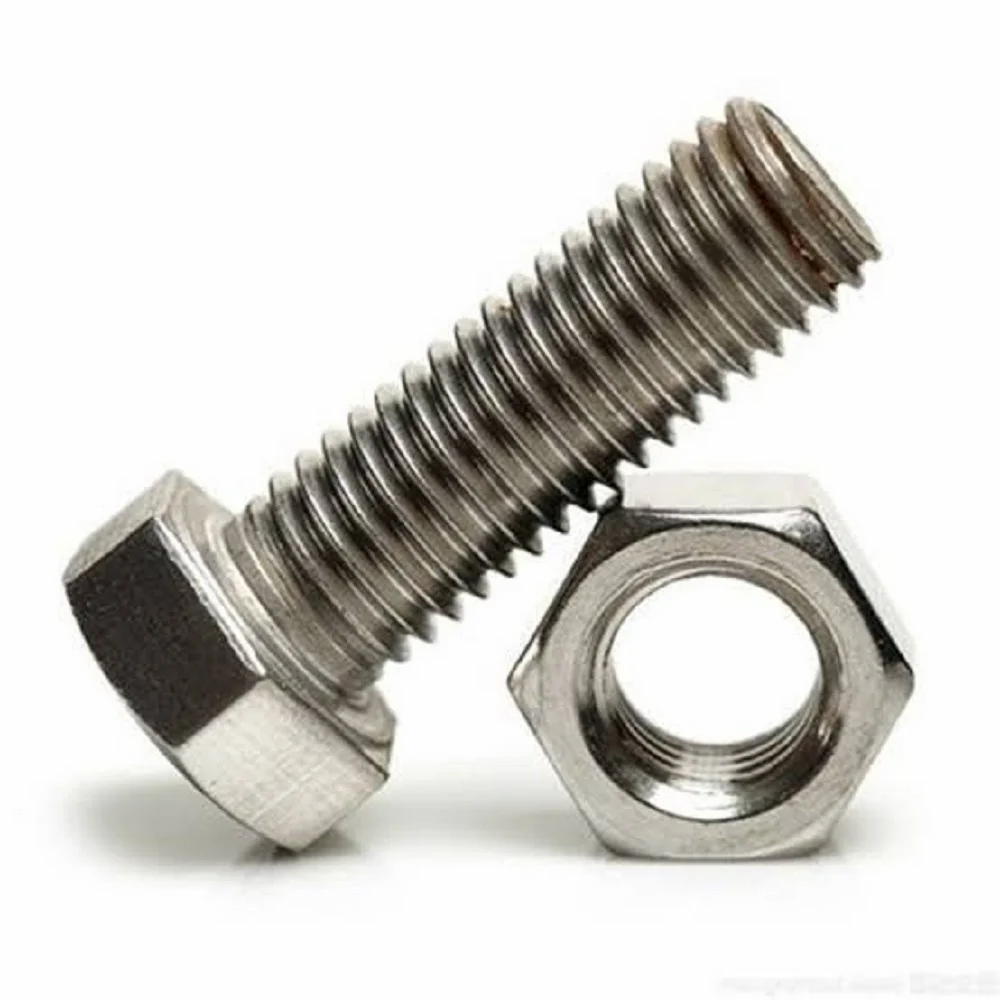
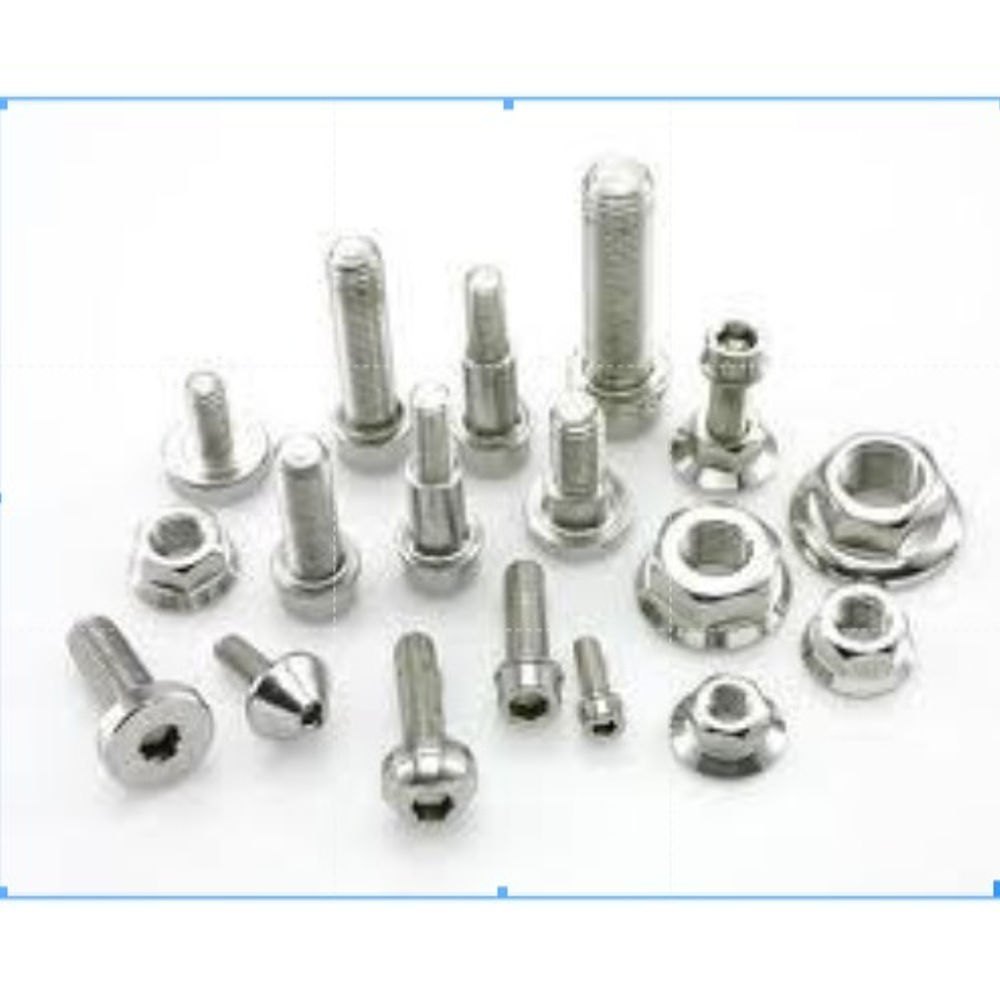
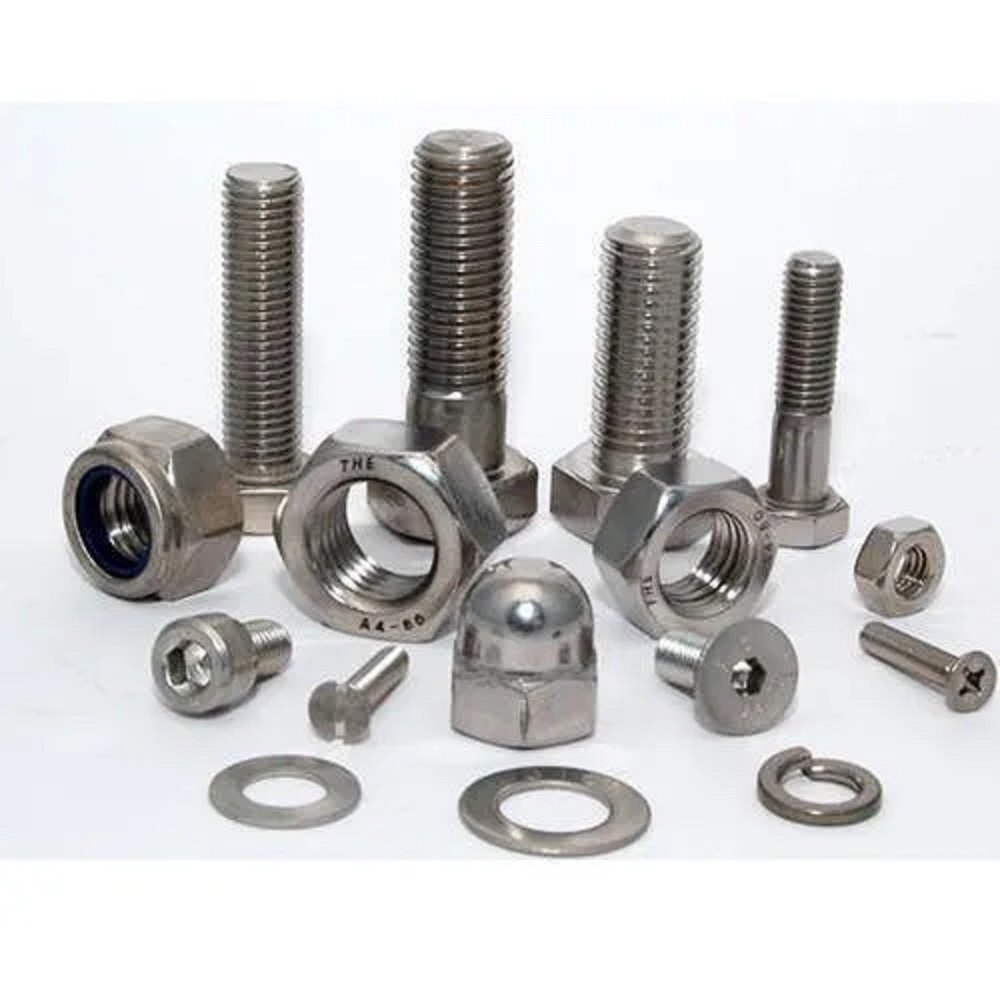
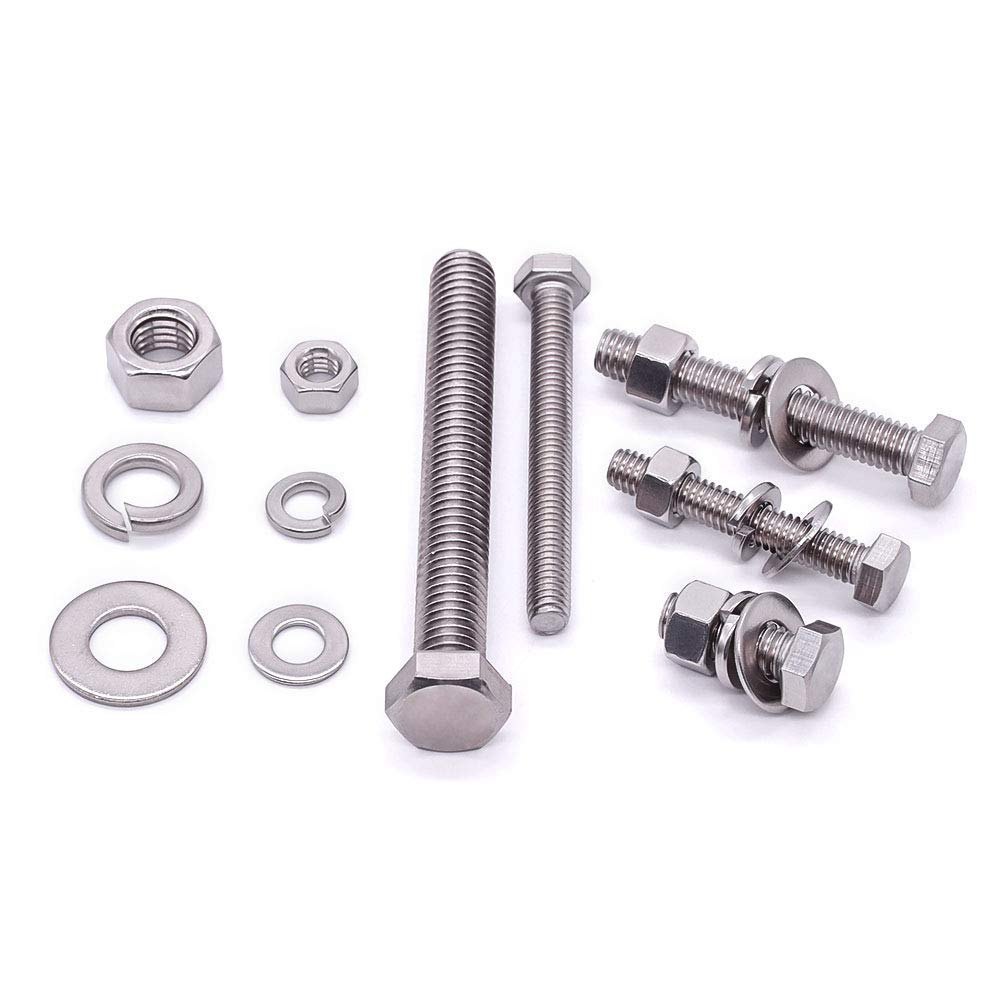
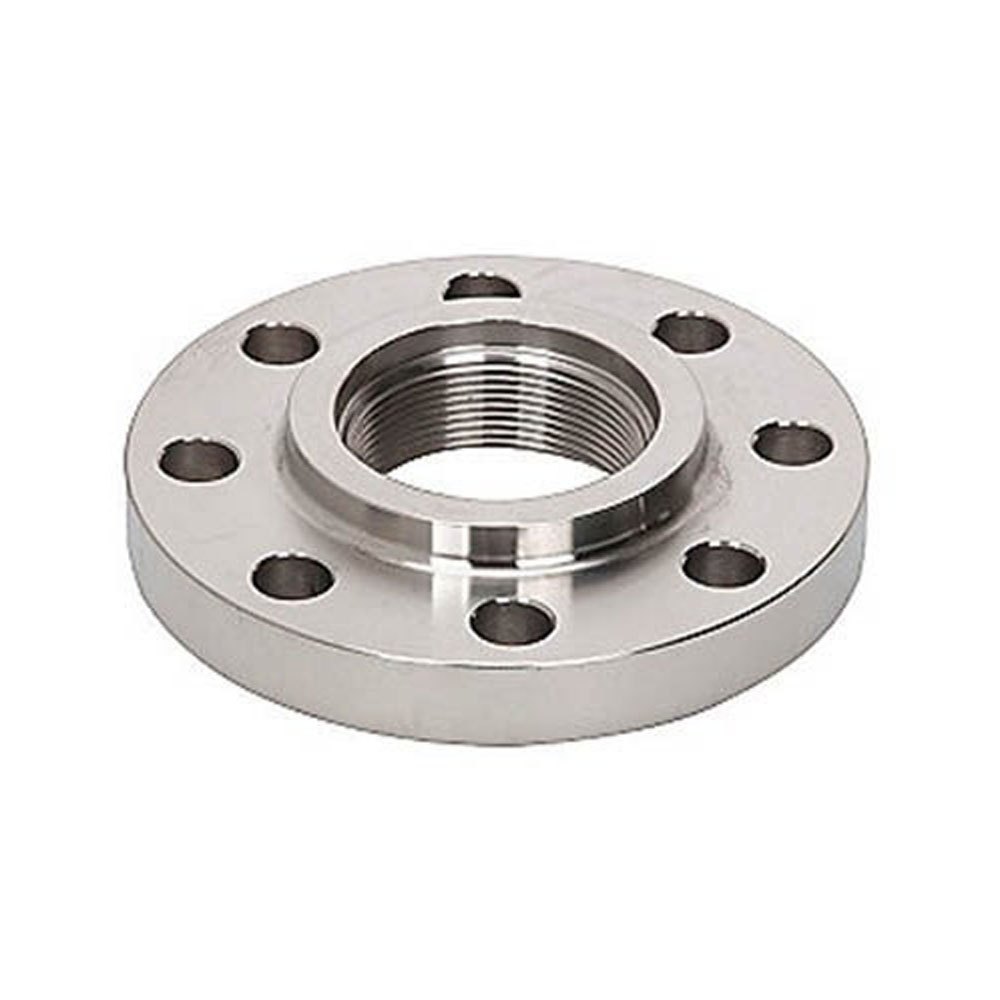
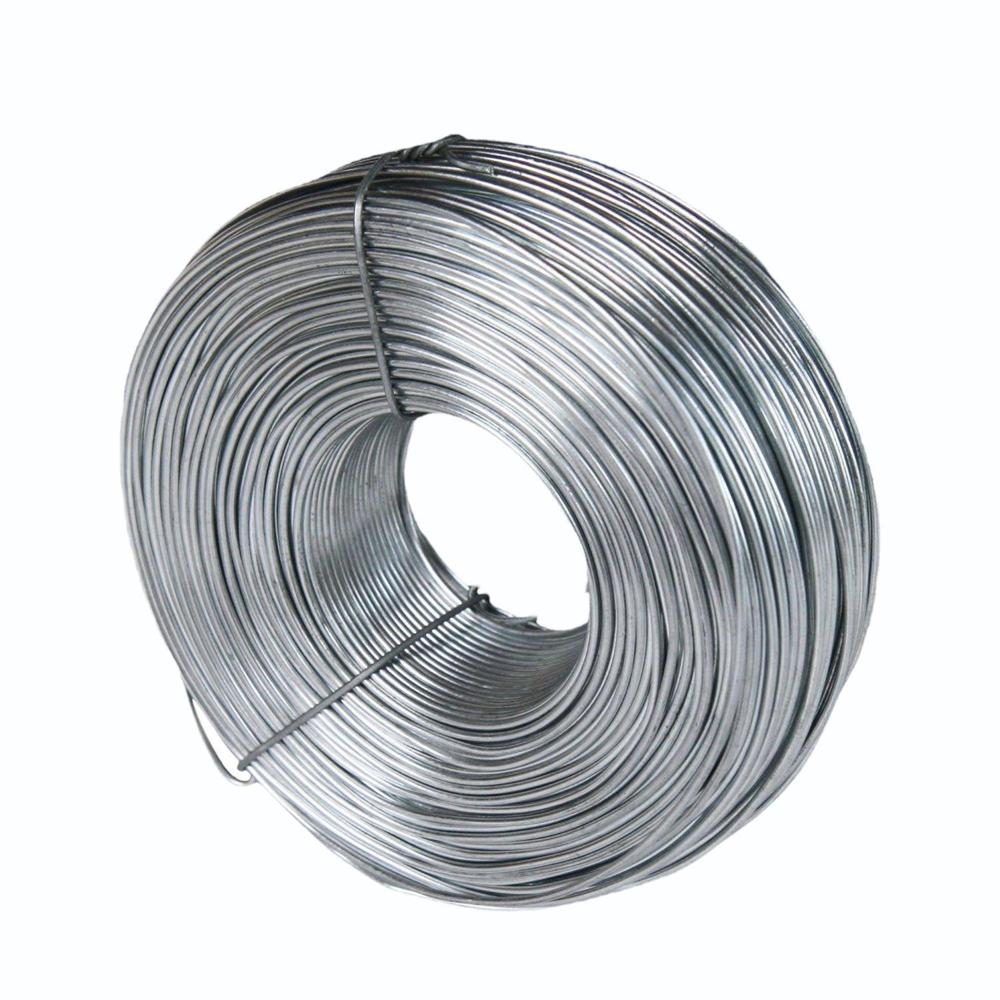
Hastelloy C276 is a nickel-molybdenum-chromium super alloy known for its exceptional corrosion resistance in a wide range of aggressive environments. This versatile alloy is widely used in various industries, including chemical processing, oil and gas, pharmaceuticals, and marine applications. Hastelloy C276 fasteners ensure the integrity and reliability of structures and equipment in these demanding environments.
Superior Corrosion ResistanceDesigned for both reducing and oxidizing environments, Hastelloy C276 fasteners excel in resisting localized corrosion, pitting, and crevice attacks. Their exceptional durability makes them an ideal choice for rigorous applications in industries handling aggressive fluids or exposed to harsh atmospheres, ensuring equipment longevity and reliability.
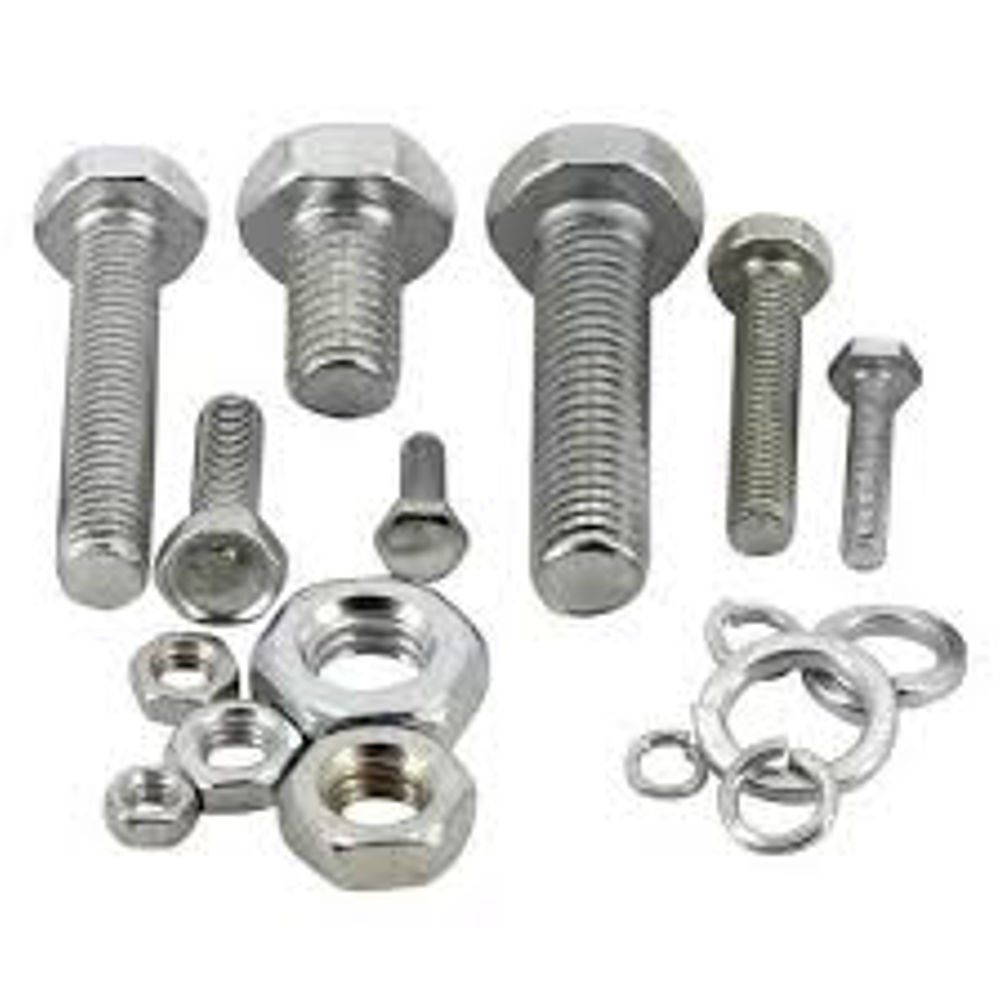
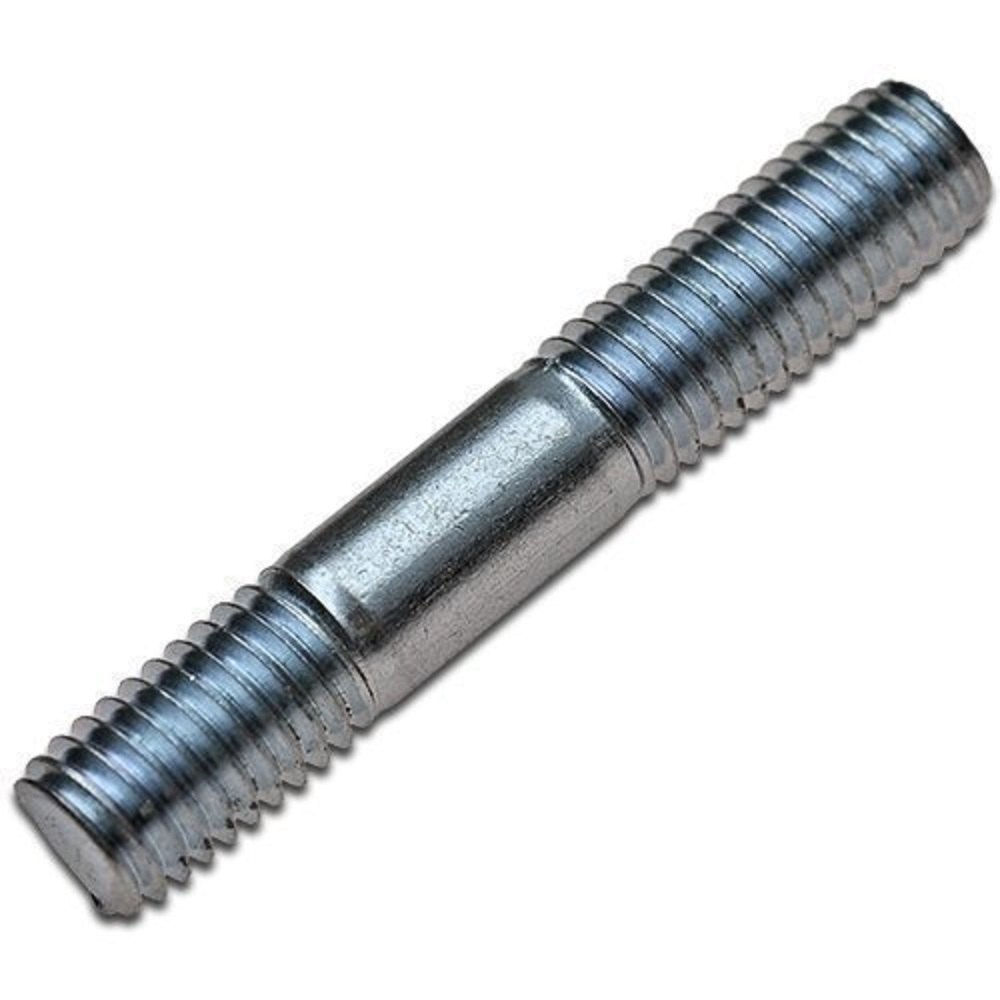
Precision Manufacturing and Versatile SizingManufactured under strict quality control, these fasteners adhere to DIN/ISO and ASTM standards, guaranteeing precise dimensions and reliable metric or imperial threads. They are available in multiple head and thread types, including custom and standard sizes from M3-M56 and 3/6" to 2", fulfilling a wide variety of installation needs.
Robust Mechanical and Physical PropertiesWith a tensile strength of at least 690 MPa and a Rockwell hardness of B90 to C22, Hastelloy C276 fasteners provide remarkable mechanical performance. Their minimum elongation of 40% offers excellent flexibility and durability, proving invaluable in dynamic or high-stress installations.
FAQ's of Hastelloy C276 Fasteners:
Q: How are Hastelloy C276 fasteners commonly used in industry?
A: Hastelloy C276 fasteners are frequently employed in environments requiring outstanding corrosion resistance, such as chemical processing, petrochemicals, marine, power generation, and the pulp and paper industries. Their robust material properties allow secure fastening in both standard and highly corrosive conditions.
Q: What benefits do Hastelloy C276 fasteners offer over other alloys?
A: Compared to many other materials, Hastelloy C276 fasteners deliver unmatched performance in aggressive chemical environments. They resist pitting, crevice corrosion, and stress corrosion cracking, making them more reliable for long-term service in demanding applications.
Q: When should you choose cleaned & polished, uncoated Hastelloy C276 fasteners?
A: Opt for cleaned and polished, uncoated fasteners when maximum natural corrosion resistance is required. The absence of coatings ensures the alloy's performance is not compromised, particularly in applications involving harsh chemicals or high-temperature exposure.
Q: What is the process for ensuring quality in Hastelloy C276 fastener manufacturing?
A: Manufacturing follows strict ASTM and DIN/ISO standards, involving advanced forming, threading, and finishing techniques. Every fastener undergoes quality checks for mechanical strength, dimensional accuracy, and surface cleanliness to meet customers' safety and performance expectations.
Q: Where are Hastelloy C276 fasteners most effective?
A: These fasteners are particularly effective in applications exposed to both reducing and oxidizing atmospheres, such as reactors, pressure vessels, and piping systems where standard materials would corrode quickly.
Q: How can I select the right head type and threading for my application?
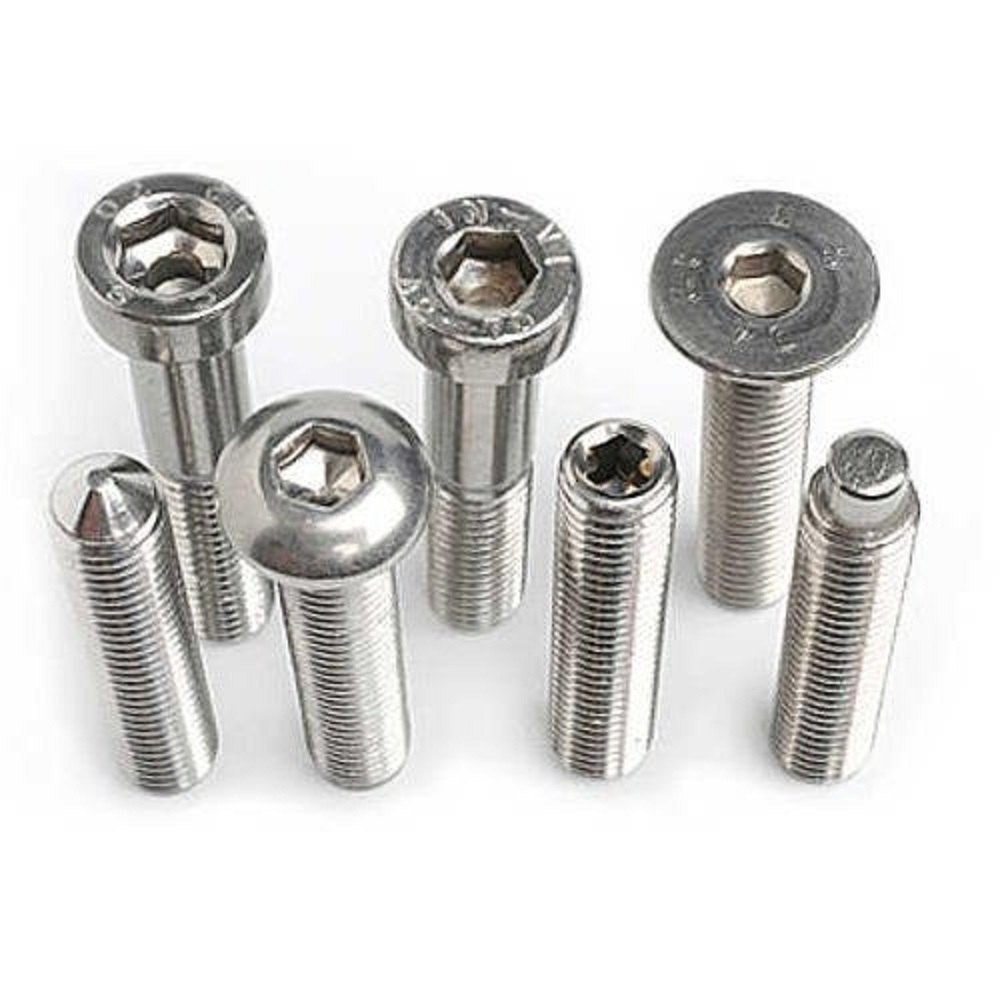
A: Head type (hex, button, flat, socket, Allen) and threading (metric, UNC, UNF, BSW, BSF) should match the assembly's requirements, load conditions, and installation tools. Customization in both is available to suit diverse industrial installation scenarios.
Q: What impact does the impurity content have on the fastener's performance?
A: With very low sulfur (0.03%) and carbon (0.08%) levels, the impurity content in Hastelloy C276 is tightly controlled, ensuring enhanced resistance to corrosion and maintaining mechanical integrity even under severe operational conditions.





 Send Inquiry


 Send Inquiry
 Send Inquiry
 Send SMS
 Call Me Free


