Hastelloy C4 Foil About
Hastelloy C4 Foil has a great combination of corrosion resistance, fabricability and high strength characteristics. It is an alloy composed of nickel-molybdenum-chromium and some iron with additions of tungsten and cobalt. This versatile alloy offers good oxidation and creep resistance and excellent solderability in most corrosive environments, including oxidizing acids like nitric acid solutions and reducing acids such as hydrochloric acid. Furthermore, it exhibits good weldability when shielded from atmospheric contamination. Even at elevated temperatures, its superior performance makes Hastelloy C4 Foil ideal for many applications across industries like pharmaceuticals, chemical processing, petrochemicals, marine engineering, etc.
Exceptional Corrosion ResistanceHastelloy C4 Foil is renowned for its outstanding resistance to localized and uniform corrosion, even in highly aggressive chemical environments. Its unique alloy composition ensures stability in both oxidizing and reducing conditions, making it a reliable choice for industries that demand high resistance to acidic and caustic media.
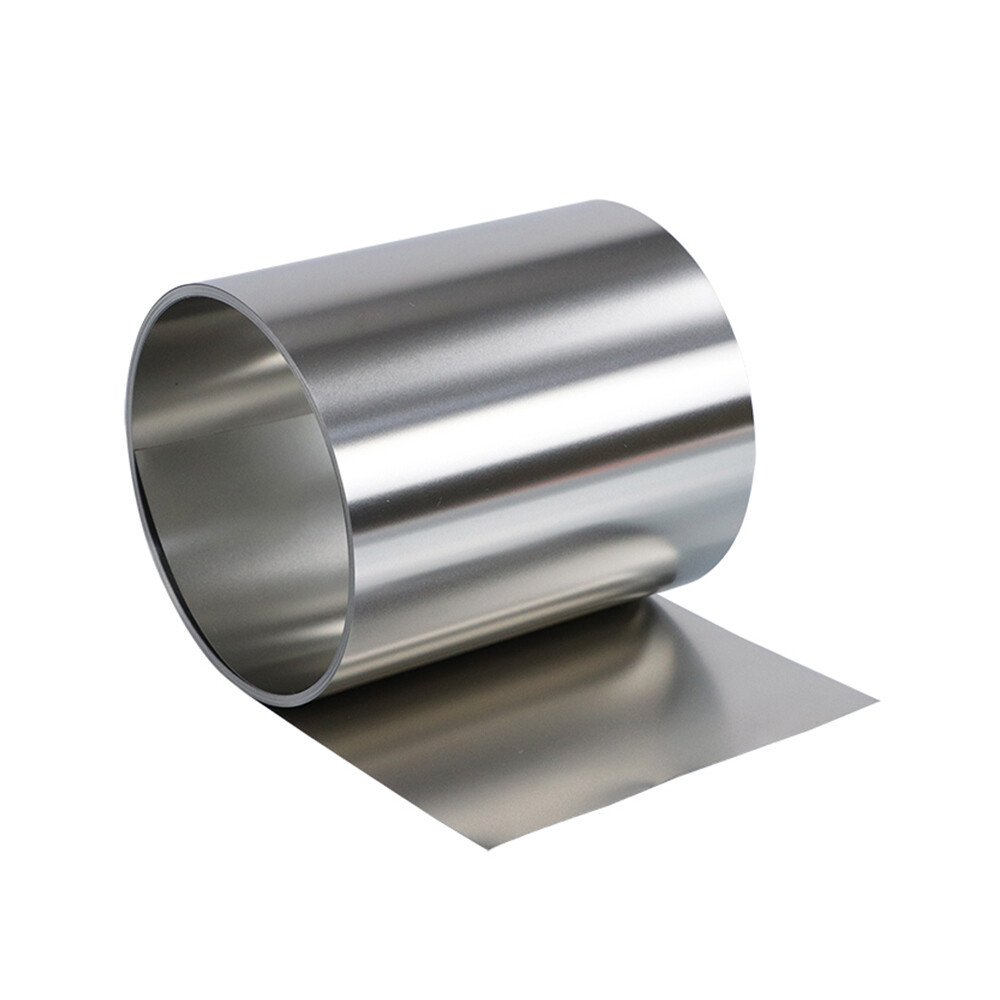
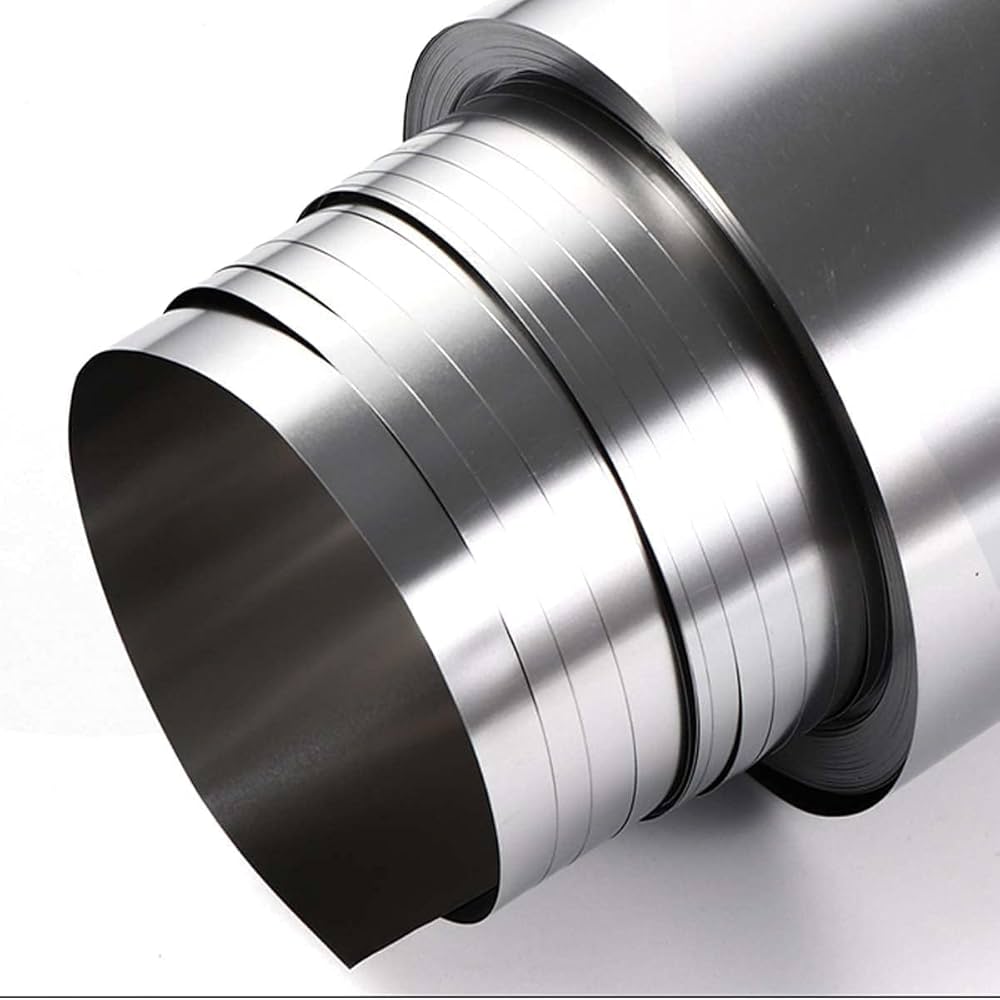
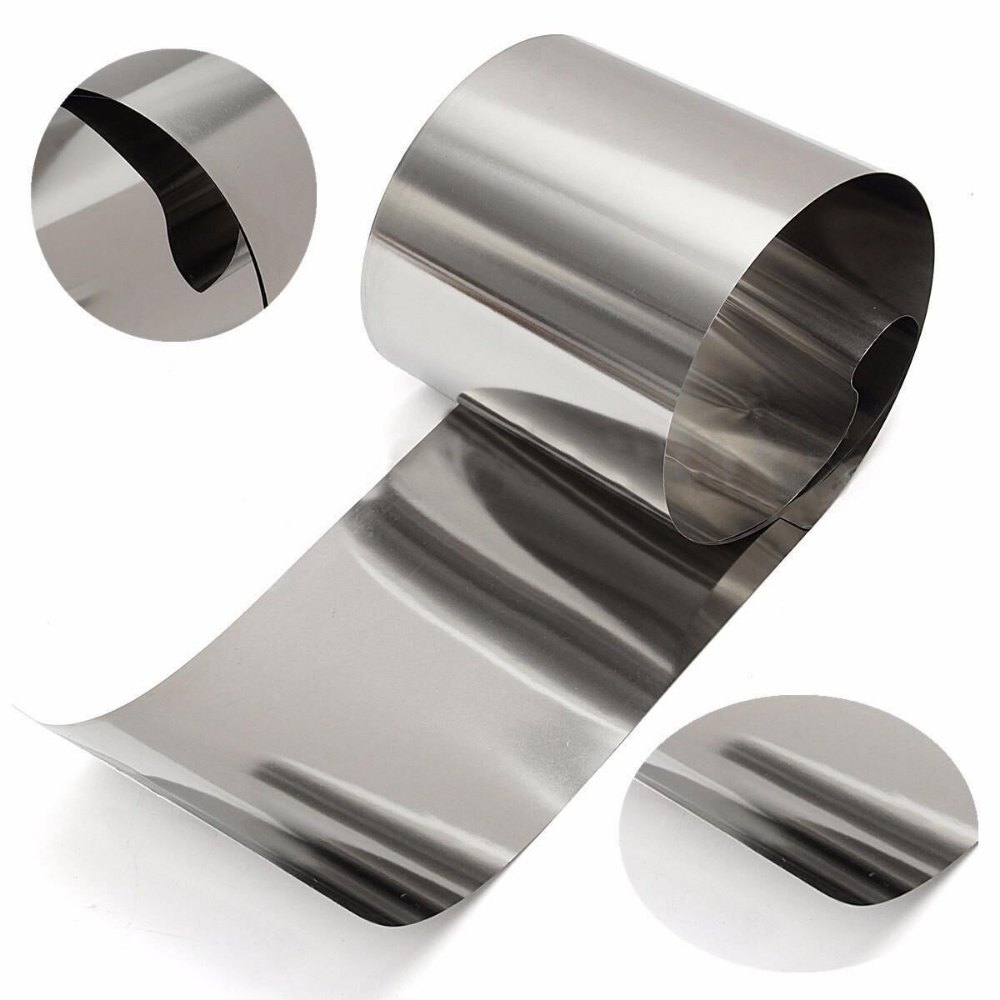
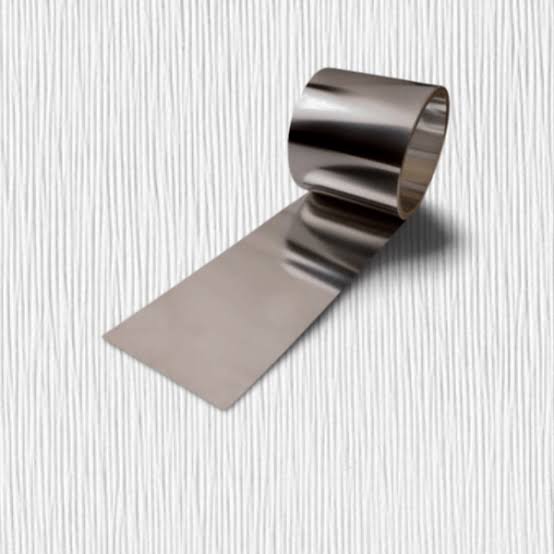
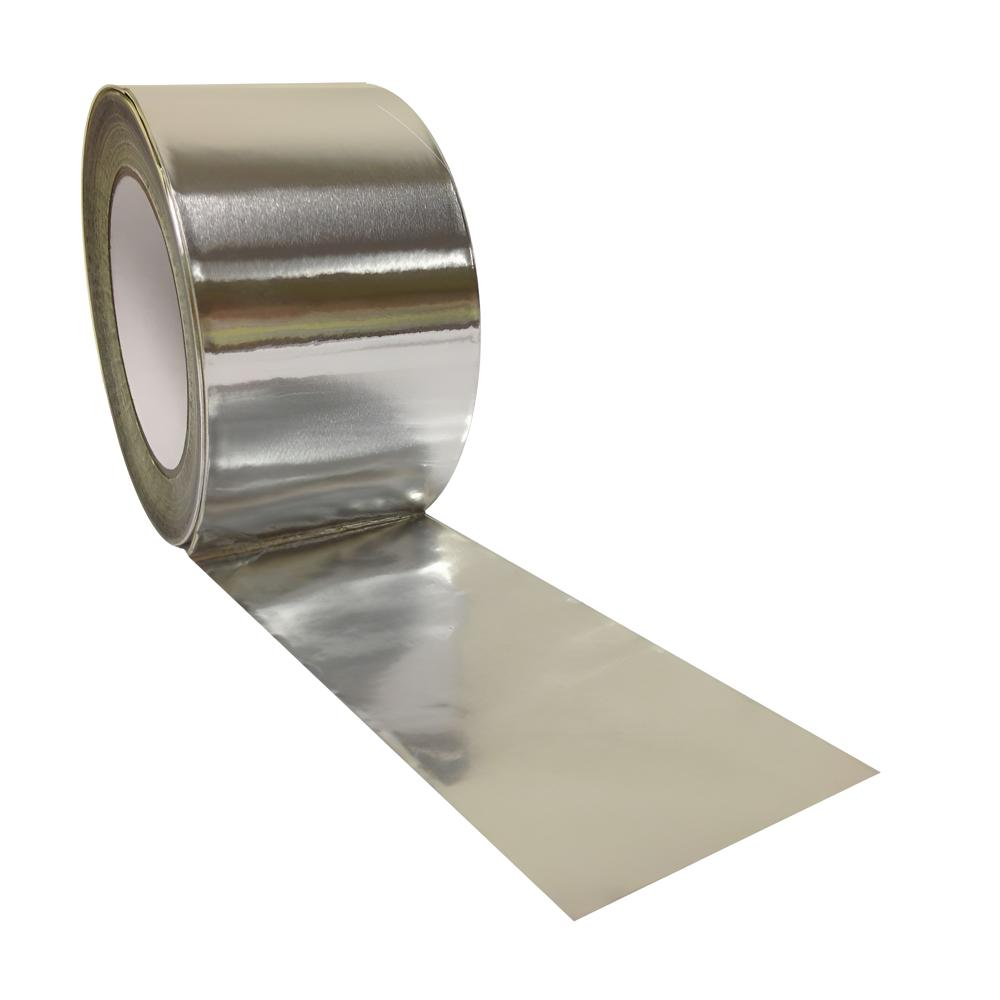
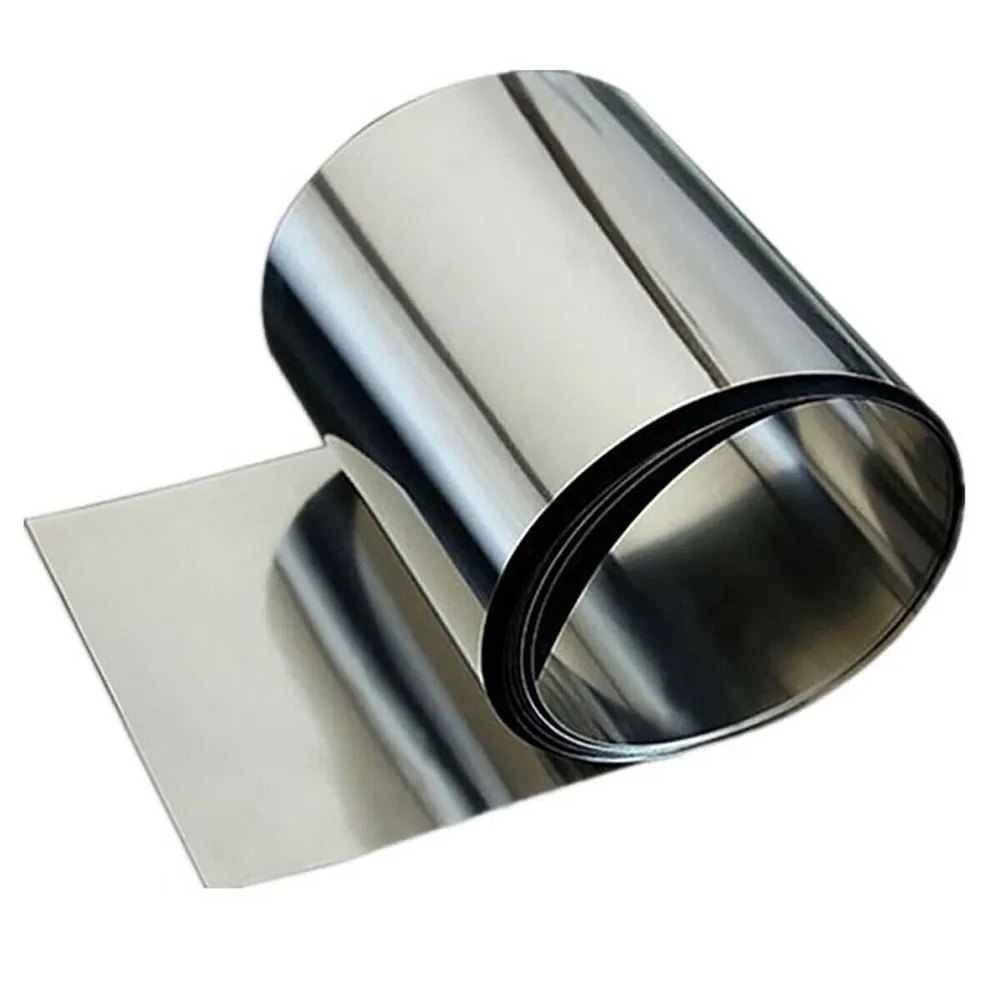
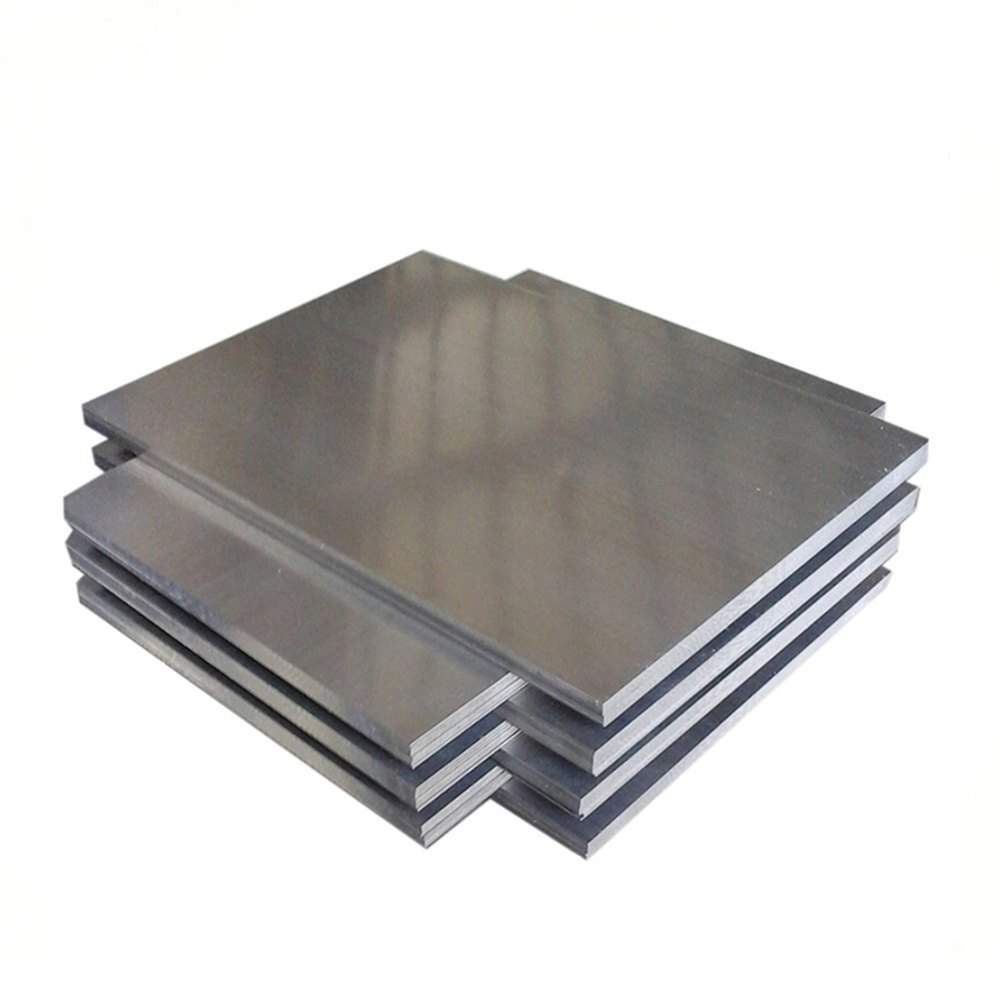
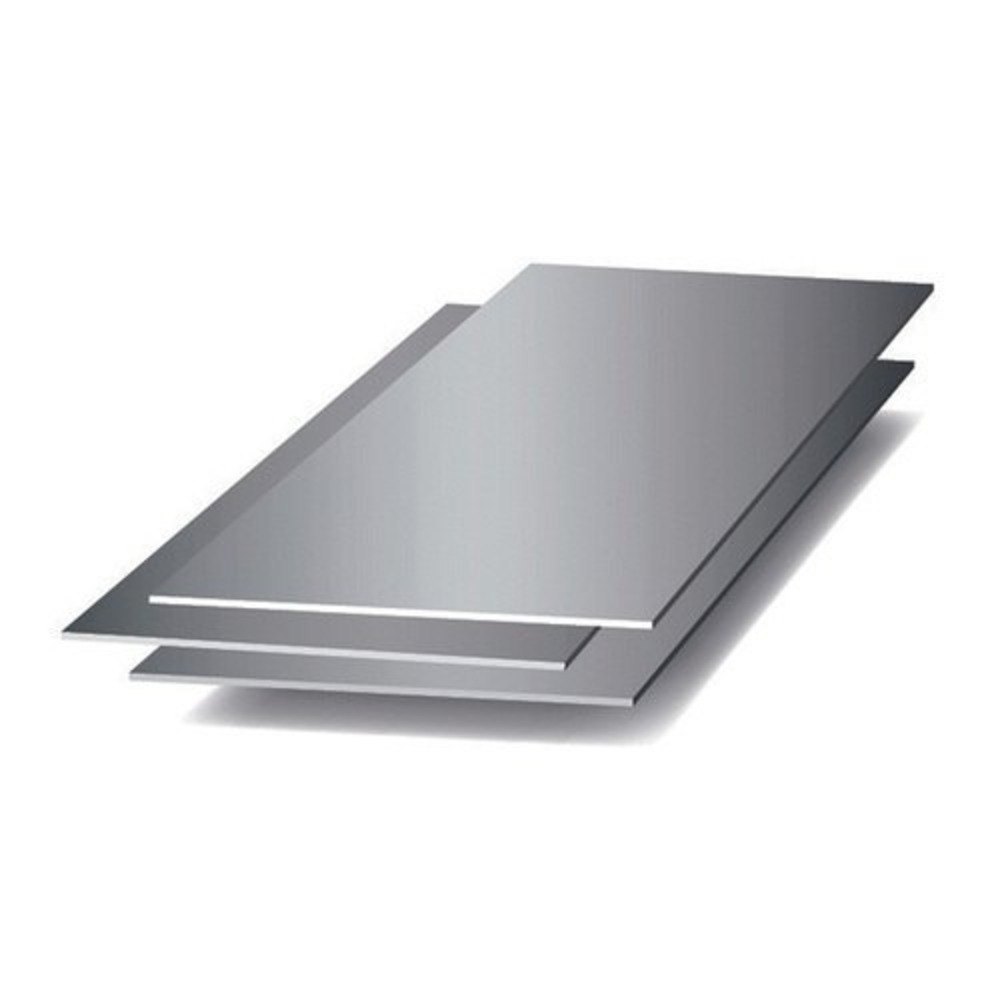
Precision Manufacturing and Versatile SizesProduced using a cold-rolled process to guarantee superior mechanical properties and excellent surface quality, Hastelloy C4 Foil comes in various forms such as coils, sheets, and strips. Dimensions are fully customizable, from 0.02 mm to 2 mm in thickness and up to 600 mm in width, allowing precise solutions for specialized industrial applications.
FAQ's of Hastelloy C4 Foil:
Q: How is Hastelloy C4 Foil typically used in industries?
A: Hastelloy C4 Foil is broadly used in sectors like chemical processing, pharmaceuticals, and high-temperature engineering, where exceptional corrosion resistance and robust mechanical performance are required. Its applications include lining reactors, process equipment, and heat exchangers exposed to aggressive chemicals or extreme temperatures.
Q: What are the main benefits of choosing Hastelloy C4 Foil over other alloy foils?
A: The primary advantages include excellent corrosion resistance in both oxidizing and reducing environments, high tensile strength (690 MPa min), and durability at temperatures up to 1040C. These attributes make the foil suitable for challenging environments where other materials may degrade.
Q: When should I consider using bright versus matte surface finish for the foil?
A: Bright finish is preferred for aesthetic or reflective requirements, or when cleanliness is crucial, while matte finish is ideal for applications emphasizing reduced glare or where surface appearance is less critical. The choice depends on the specific industrial needs and functional priorities.
Q: What is the manufacturing process for Hastelloy C4 Foil, and why does it matter?
A: The foil is produced using a precision cold-rolling technique. This process ensures a uniform thickness, excellent surface finish, and optimal mechanical properties, which are essential for applications requiring tight tolerances and reliability in harsh environments.
Q: Where can Hastelloy C4 Foil be sourced, and in what forms is it supplied?
A: Hastelloy C4 Foil is available from specialized manufacturers, exporters, importers, and suppliers worldwide. It is offered in coil, sheet, and strip forms, with options for custom cutting and slit or mill edges, allowing for tailored sizes and shapes suitable for diverse applications.
Q: How do I determine the appropriate thickness and dimensions for my application?
A: Selection depends on the application's operational requirements, such as load, exposure conditions, and installation method. Typically, the foil is supplied in 0.02 mm to 2 mm thickness and up to 600 mm wide, with custom sizing available to match specific design needs.





 Send Inquiry


 Send Inquiry
 Send Inquiry
 Send SMS
 Call Me Free


