Hastelloy C4 Pipe Fittings About
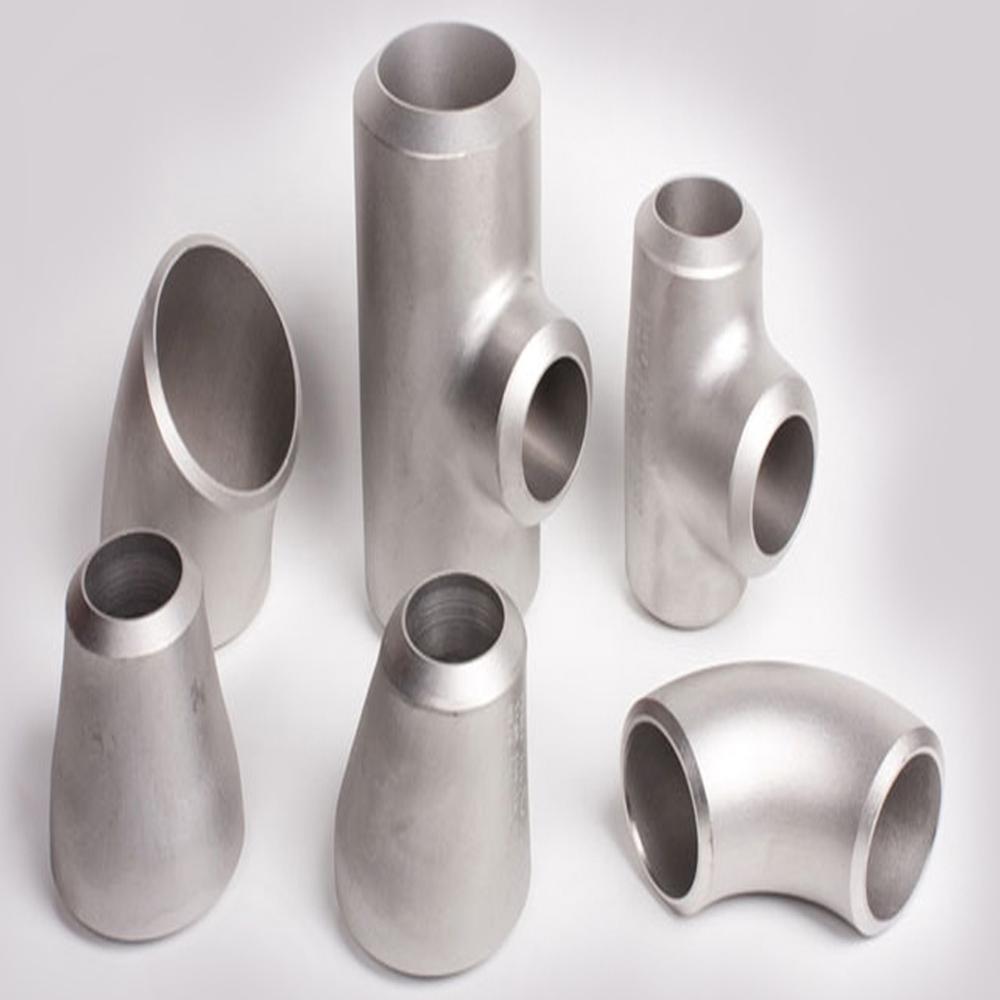
Hastelloy C4 Pipe Fittings are nickel-molybdenum alloy fittings used in piping systems to connect pipes, valves and other plumbing components. Its composition combines chromium, molybdenum, tungsten, iron, cobalt and trace amounts of nitrogen, providing excellent corrosion resistance against most acids and performing well in high-temperature oxidizing and reducing conditions. It also has remarkable strength under harsh service conditions and exceptional pitting resistance, making it ideal for use in many industrial applications such as the chemical industry, power plants, food processing equipment, etc.
Exceptional Corrosion ResistanceHastelloy C4 Pipe Fittings are specifically engineered to withstand highly corrosive environments, especially those involving strong oxidizing and reducing acids. This makes them an ideal choice for critical applications in chemical processing, pharmaceuticals, and pollution control. The alloy's superior resistance helps in reducing maintenance costs and extending equipment life.
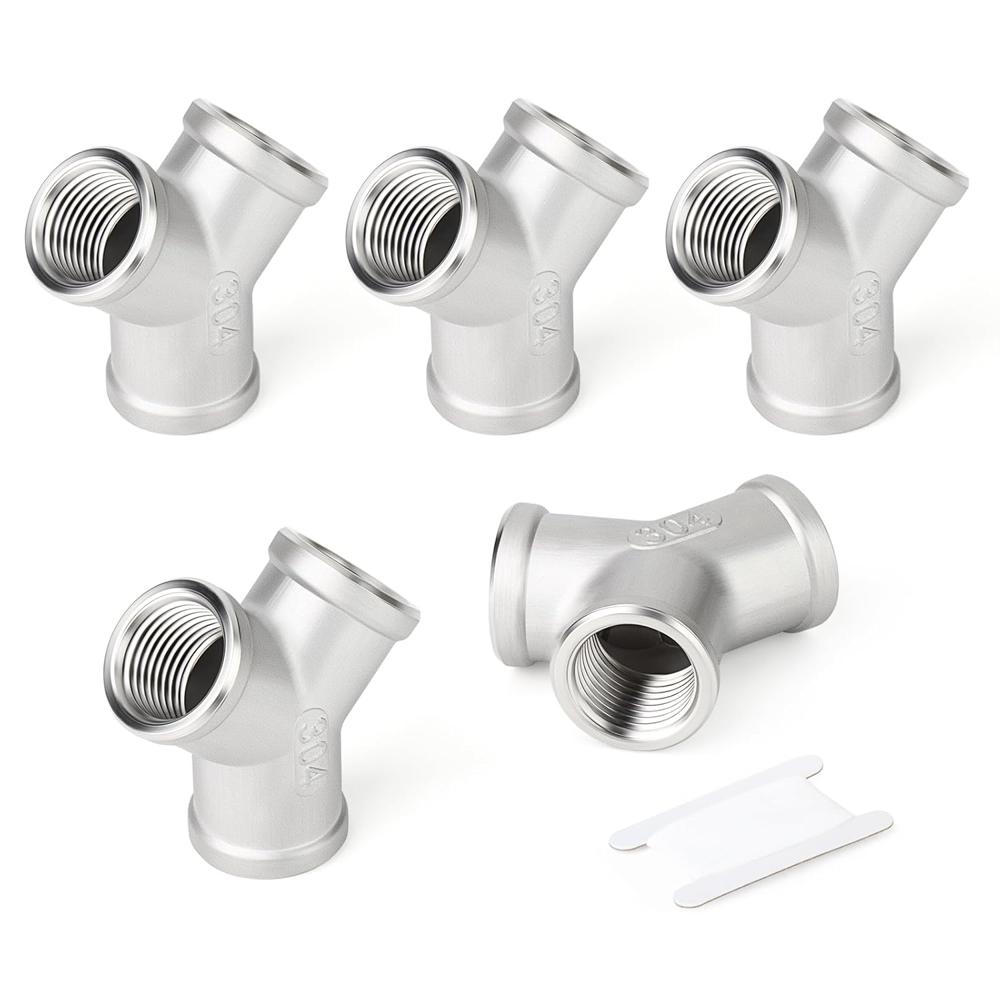
Versatile Connection and Finish OptionsAvailable with buttweld, socket weld, or threaded connections, these fittings cater to various installation preferences. Surface finishes such as smooth, pickled, and sand blasted provide flexibility in select applications, ensuring suitability for diverse operational conditions. End types can be beveled, plain, or threaded, further enhancing adaptability to your piping system.
FAQ's of Hastelloy C4 Pipe Fittings:
Q: How are Hastelloy C4 Pipe Fittings typically used in industrial applications?
A: These fittings are employed to connect pipelines securely in highly corrosive environments such as chemical processing, petrochemicals, oil and gas, pharmaceuticals, power generation, and pollution control. Their excellent corrosion resistance and mechanical strength make them suitable for transporting aggressive fluids at extreme temperatures.
Q: What material standards do Hastelloy C4 Pipe Fittings conform to?
A: Hastelloy C4 Pipe Fittings are manufactured in accordance with ASTM B366 and ASME SB366 standards, ensuring consistent quality and performance especially required for industrial and critical applications.
Q: When should one choose Hastelloy C4 Pipe Fittings over other materials?
A: Select Hastelloy C4 fittings when working in environments with strong oxidizers and reducing acids or where both high corrosion resistance and mechanical strength are critical. Their wide operating temperature range and ability to handle aggressive chemicals make them preferable over conventional pipe fitting materials in demanding settings.
Q: Where can these fittings be installed within a piping system?
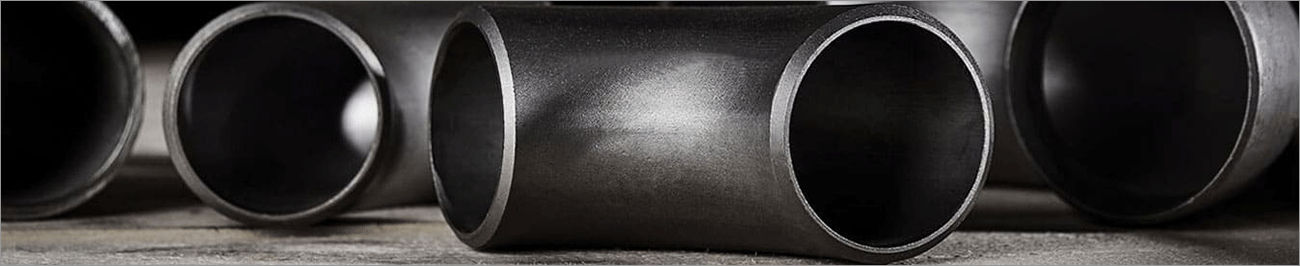
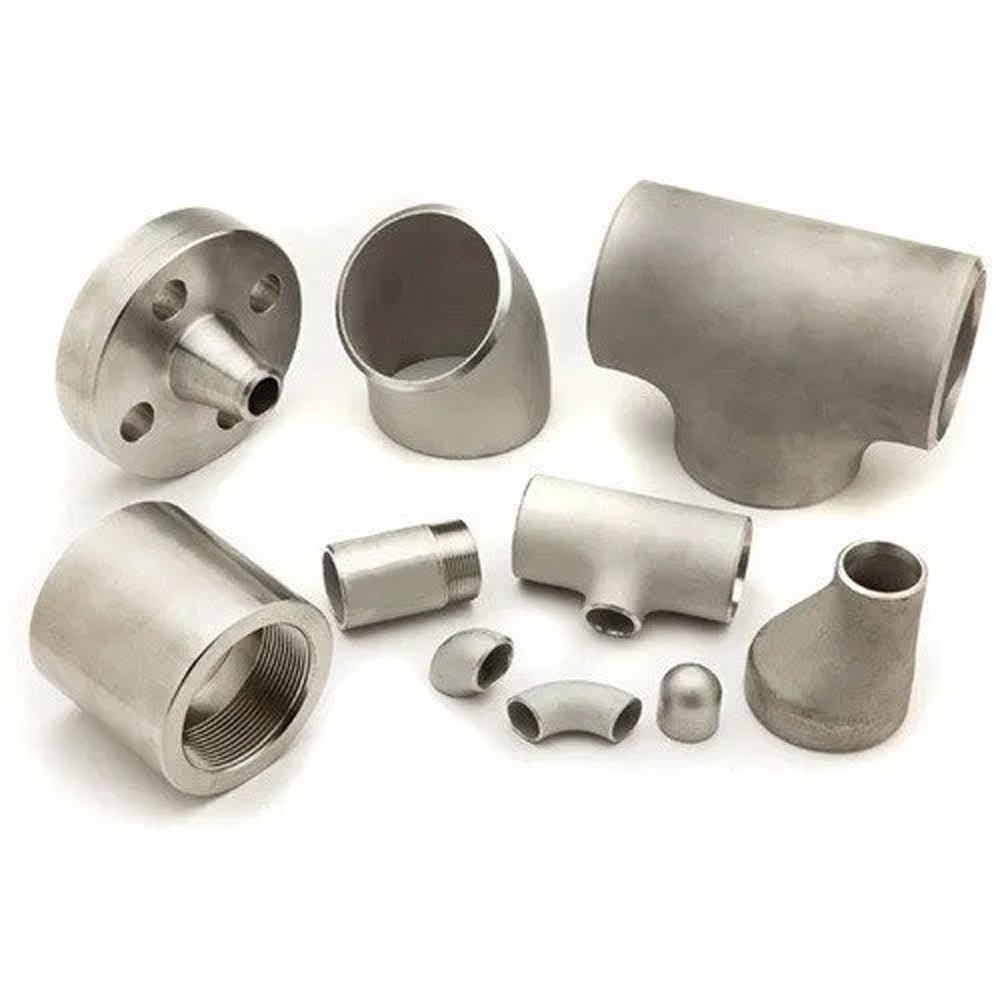
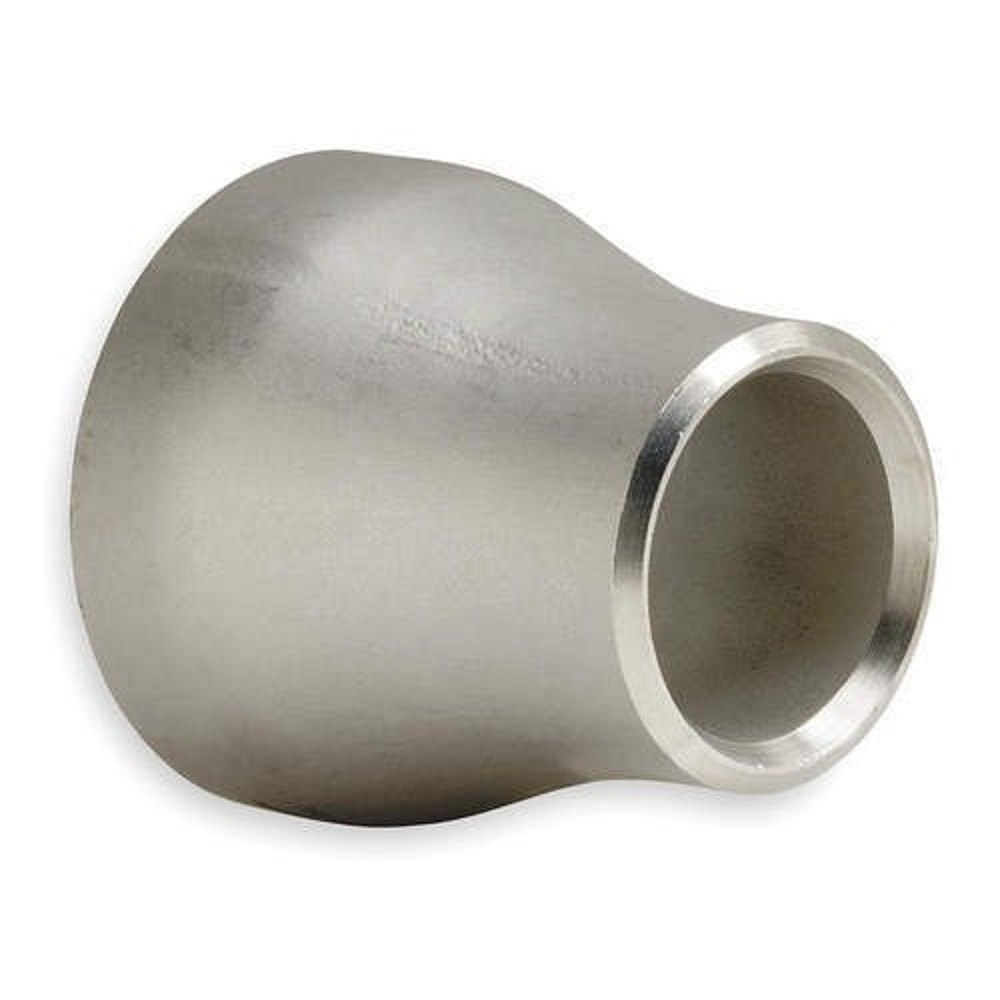
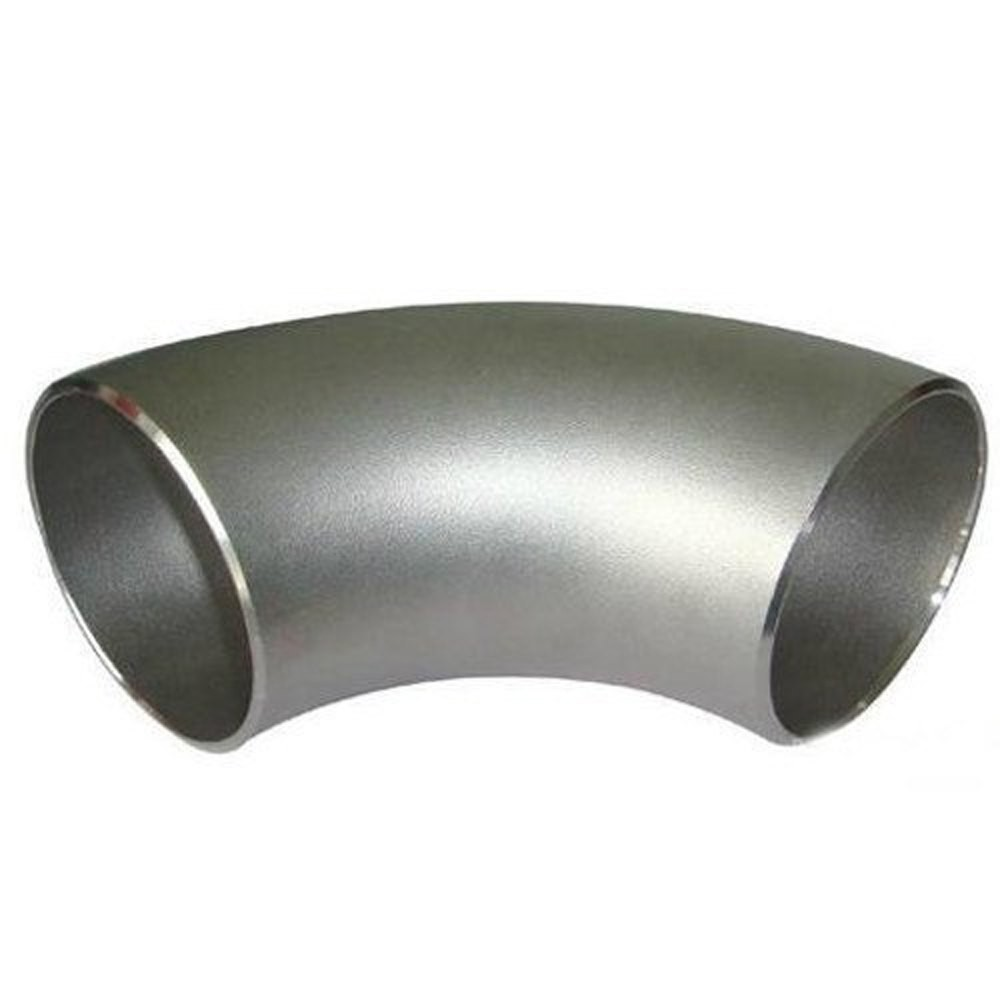
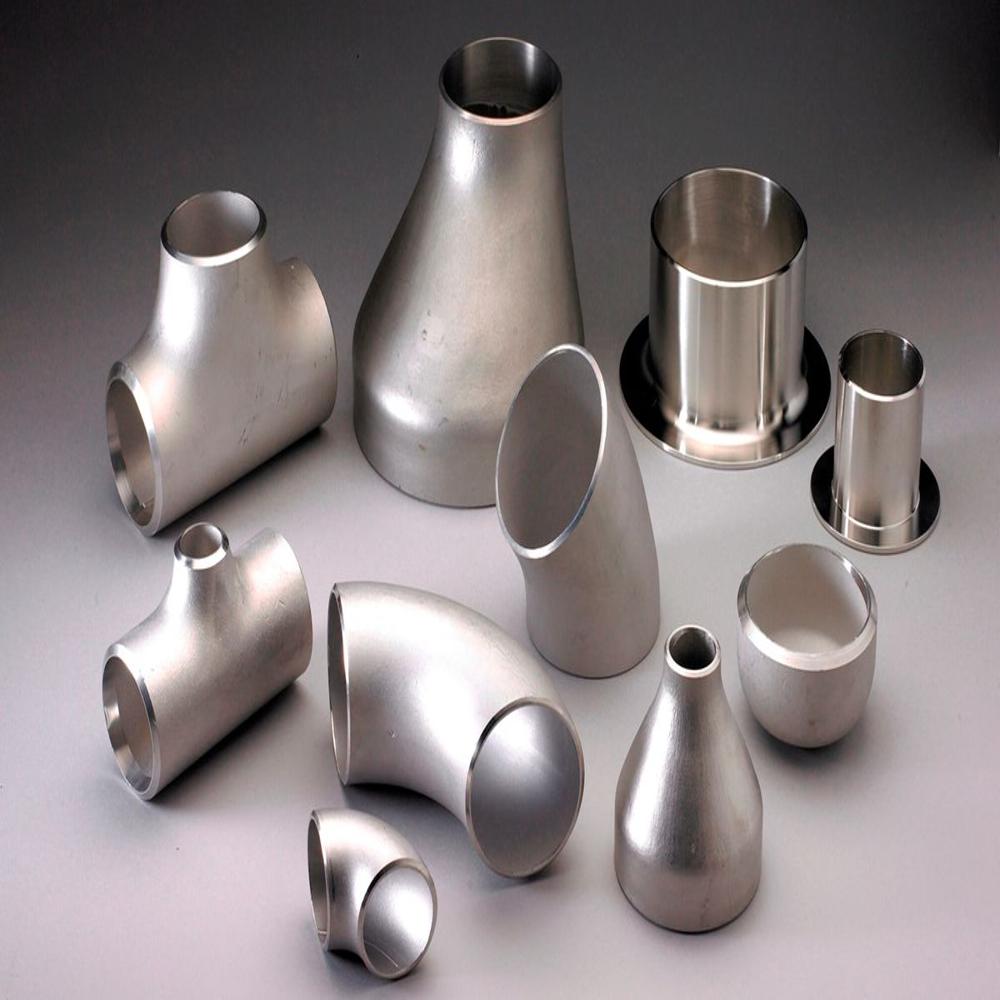
A: Hastelloy C4 Pipe Fittings can be installed at connection points within pipelines to alter direction (elbows), join pipes (tees, couplings), reduce pipe size (reducers), or seal ends (caps, plugs). They are suitable for both indoor and outdoor locations, especially in areas exposed to severe chemical environments.
Q: What process is used for finishing the surface of these fittings?
A: Hastelloy C4 Pipe Fittings can undergo smooth, pickled, or sand blasted surface treatments. Each finish serves a specific purpose: smooth for general use, pickled for removing oxides and impurities, and sand blasted for fine-textured or preparatory surfaces, ensuring optimal resistance against corrosion and contamination.
Q: How does the benefit of excellent elongation impact the usage of these fittings?
A: With a minimum elongation of 40%, these fittings offer enhanced ductility, making them less susceptible to cracking or failure under thermal or mechanical stress. This property ensures safer and more durable performance in applications involving temperature fluctuations or dynamic loads.
Q: What are the typical shapes and sizes available for Hastelloy C4 Pipe Fittings?
A: Hastelloy C4 Pipe Fittings are available in shapes such as elbows, tees, reducers, caps, flanges, plugs, and couplings. They can be fabricated in sizes ranging from 1/2 NB to 24 NB, with dimensions customizable to specific project requirements.





 Send Inquiry


 Send Inquiry
 Send Inquiry
 Send SMS


