Hastelloy B2 Electrodes About
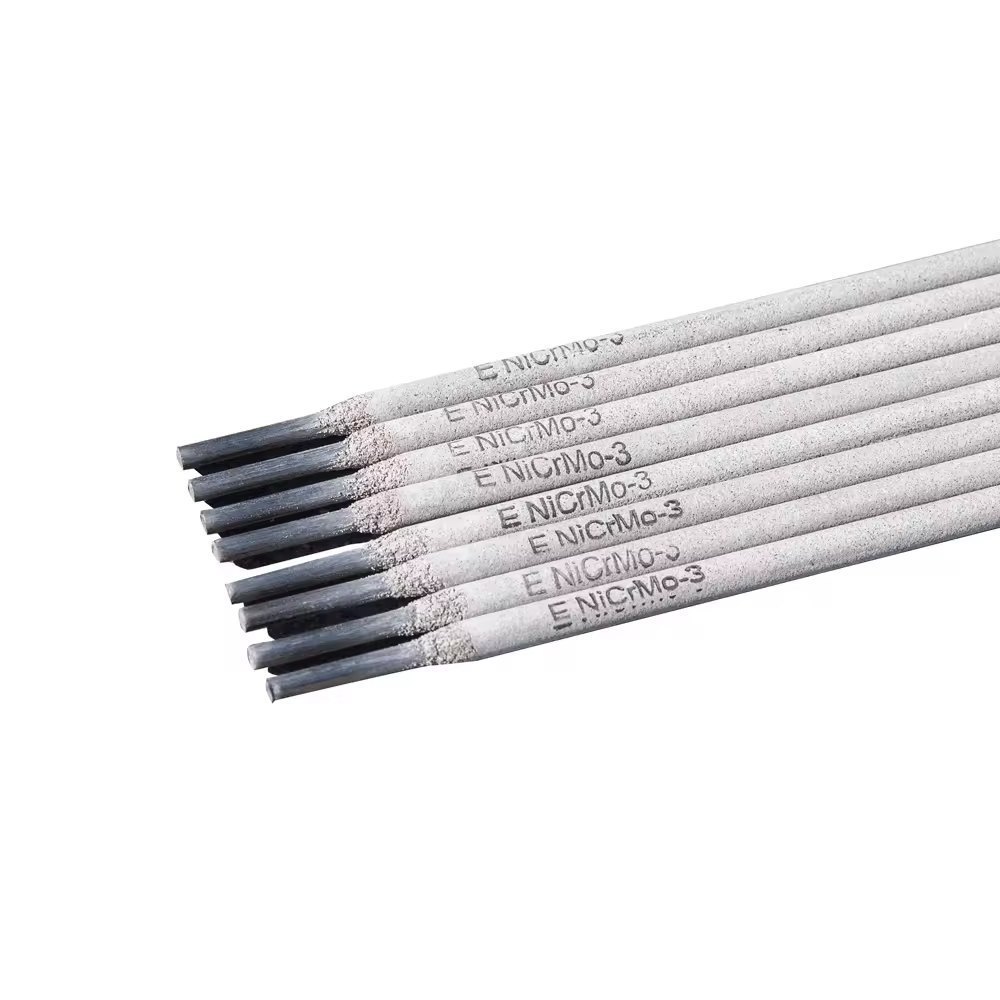
Hastelloy B2 Electrodes are an alloy most desired among the Hastelloy family because of their diverse applications in industrial environments. The chemical composition of these electrodes is composed of 63-67% nickel, 28-34% molybdenum, and 3.2-4.1% manganese. This combination of elements gives Hastelloy B2 its impressive resistance to oxidation, stress corrosion cracking, and corrosion fatigue, as well as exceptional mechanical strength and toughness, even in severely corrosive environments. Providing superior performance with outstanding weldability, B2 Hastelloy Electrodes has become a crucial material for components susceptible to chloride stress corrosion cracking.
Exceptional Corrosion ResistanceHastelloy B2 electrodes excel in resisting aggressive reducing acids like hydrochloric and sulfuric acid, making them ideal for use in chemical processing industries. Their robust performance in extreme environments ensures durability and longevity of welded components.
Certified Quality and High StrengthThese electrodes conform to AWS A5.11 ENiMo-7 specifications, guaranteeing high tensile strength of over 690 MPa and reliable mechanical properties. The strict control of sulfur and phosphorus levels enhances the overall weld purity and strength.
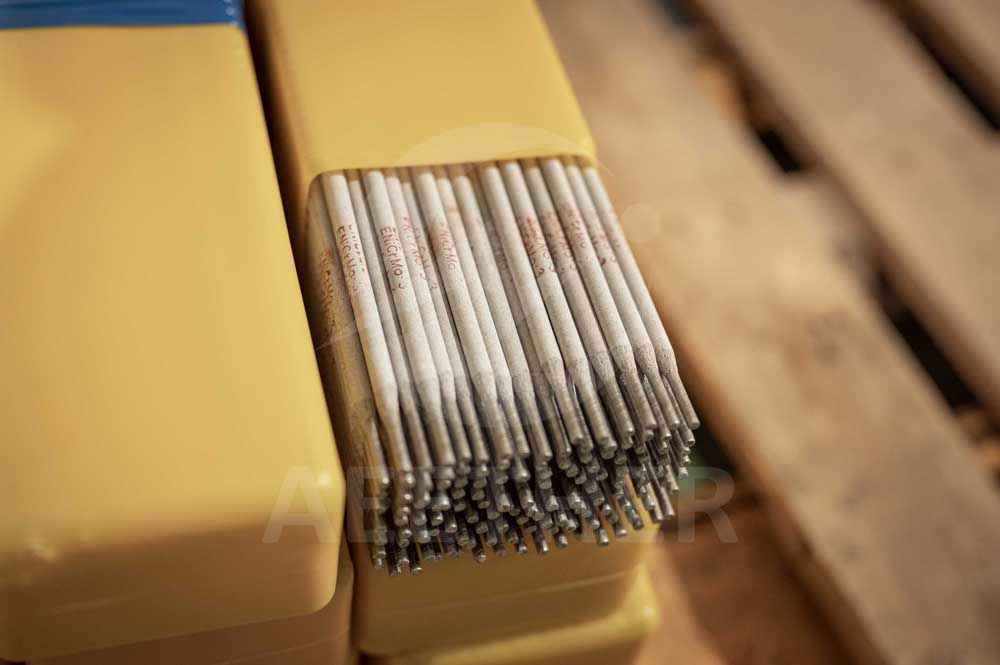
Versatile Application and Safe PackagingDesigned for welding Hastelloy B2 and compatible alloys, these electrodes are suited for a range of industries. Supplied in sealed boxes, they remain safe from moisture, preserving their usability and flux coating to deliver excellent results every time.
FAQ's of Hastelloy B2 Electrodes:
Q: What applications are Hastelloy B2 Electrodes best suited for?
A: Hastelloy B2 Electrodes are ideal for welding Hastelloy B2 and similar nickel-molybdenum alloys, particularly in industries dealing with reducing acids and aggressive chemical processing. Their superior corrosion resistance makes them suitable for fabrication and repair in chemical plants, refineries, and related fields.
Q: How should Hastelloy B2 Electrodes be stored to maintain their quality?
A: To preserve their quality, these electrodes are supplied in sealed boxes that protect them from moisture absorption. Always store them in a dry environment and keep unused rods in their original packaging until use to maintain the integrity of the flux coating.
Q: What welding current and polarity are recommended for these electrodes?
A: The electrodes operate efficiently within a range of 50-140 amps, depending on size and polarity. They can be used with both AC and DC+ polarity, offering flexibility in a variety of welding setups and equipment.
Q: When is it beneficial to use rutile versus basic coated types?
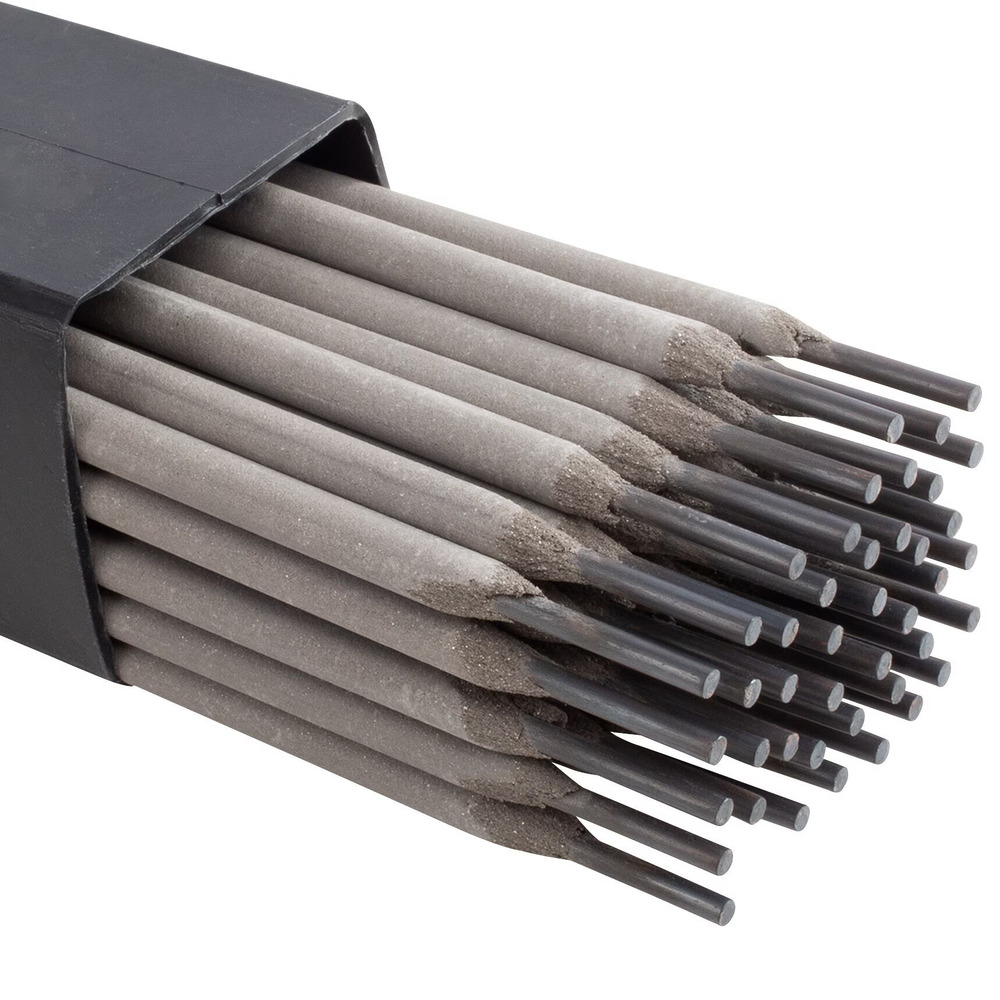
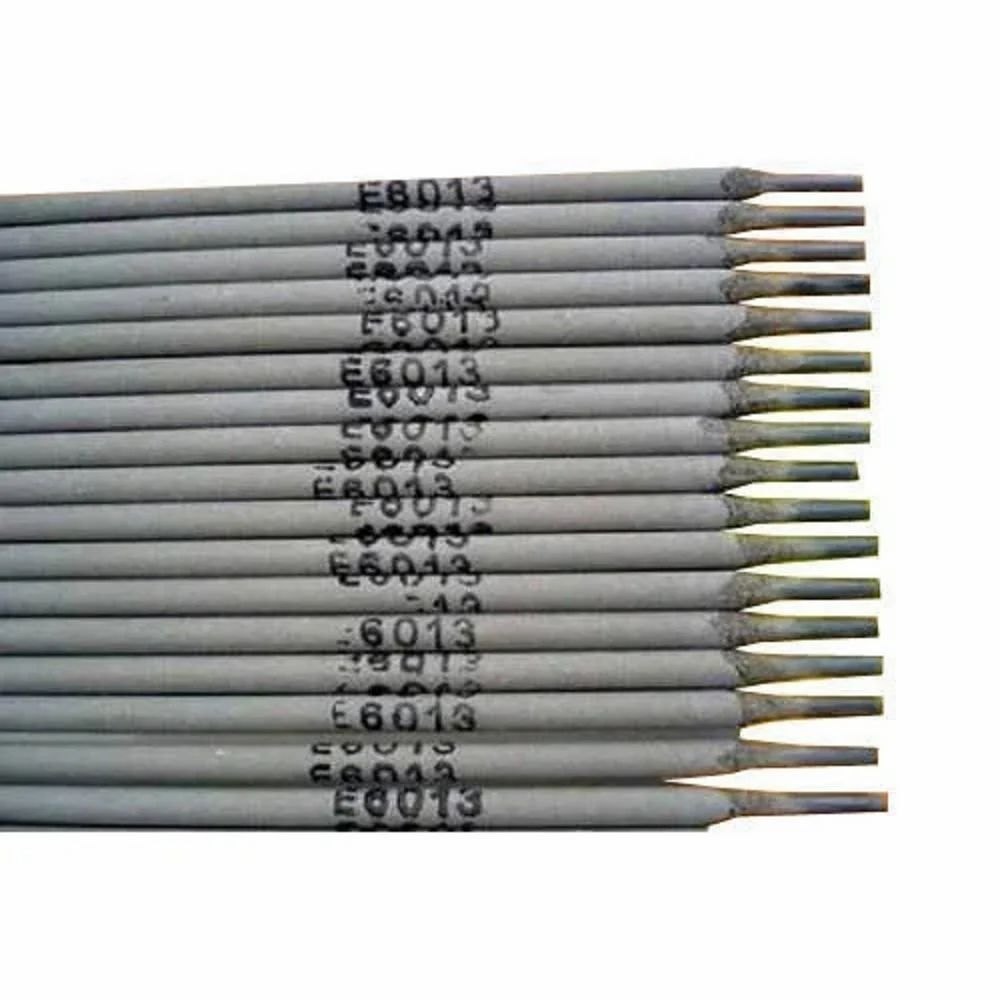
A: Rutile coatings are generally preferred for smoother arc stability and easier slag removal, while basic coatings are chosen for improved mechanical properties and lower hydrogen content in the weld. Your choice depends on the specific requirements of your application and welding technique.
Q: Where can you source custom sizes or bulk quantities of Hastelloy B2 Electrodes?
A: As these electrodes are supplied by exporters, importers, manufacturers, suppliers, and traders, bulk orders and custom diameters (beyond the standard 2.5 mm, 3.2 mm, and 4.0 mm) can be arranged directly with the manufacturer or authorized distributors.
Q: What are the advantages of using Hastelloy B2 Electrodes in reducing environments?
A: The main advantage lies in their exceptional resistance to reducing acids like HCl and H2SO4, providing long-lasting welds with high tensile strength and minimal impurity content for critical structures exposed to harsh chemical environments.





 Send Inquiry


 Send Inquiry
 Send Inquiry
 Send SMS


