Inconel 601 angle About
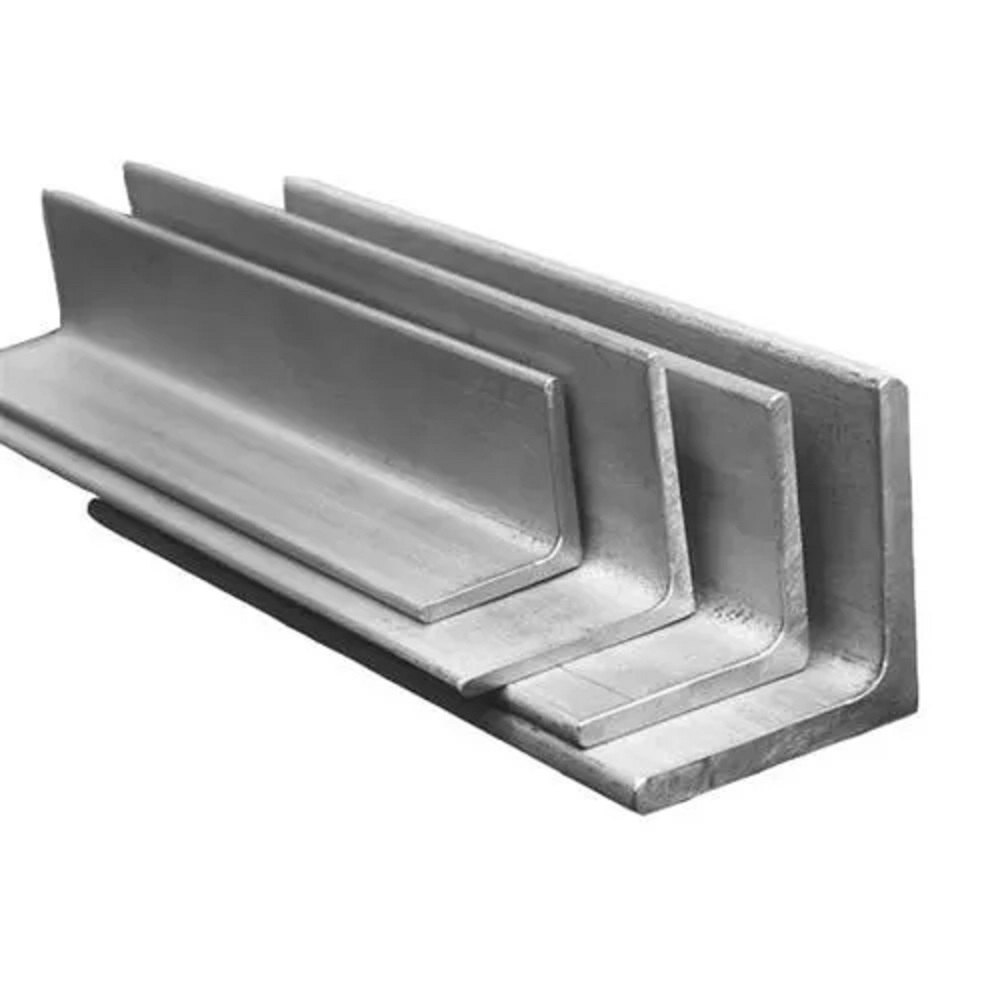
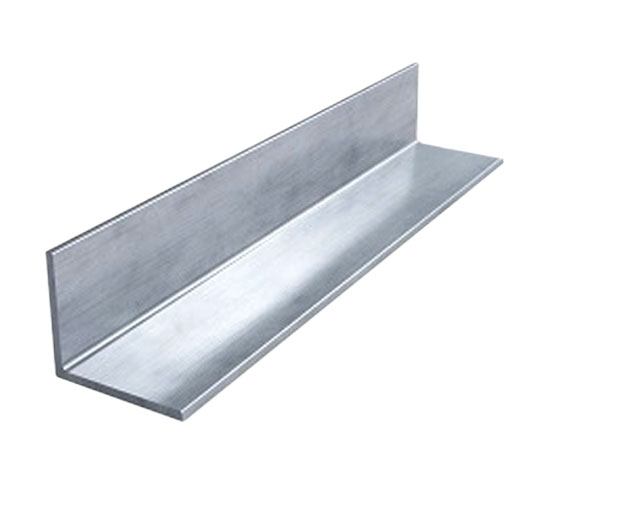
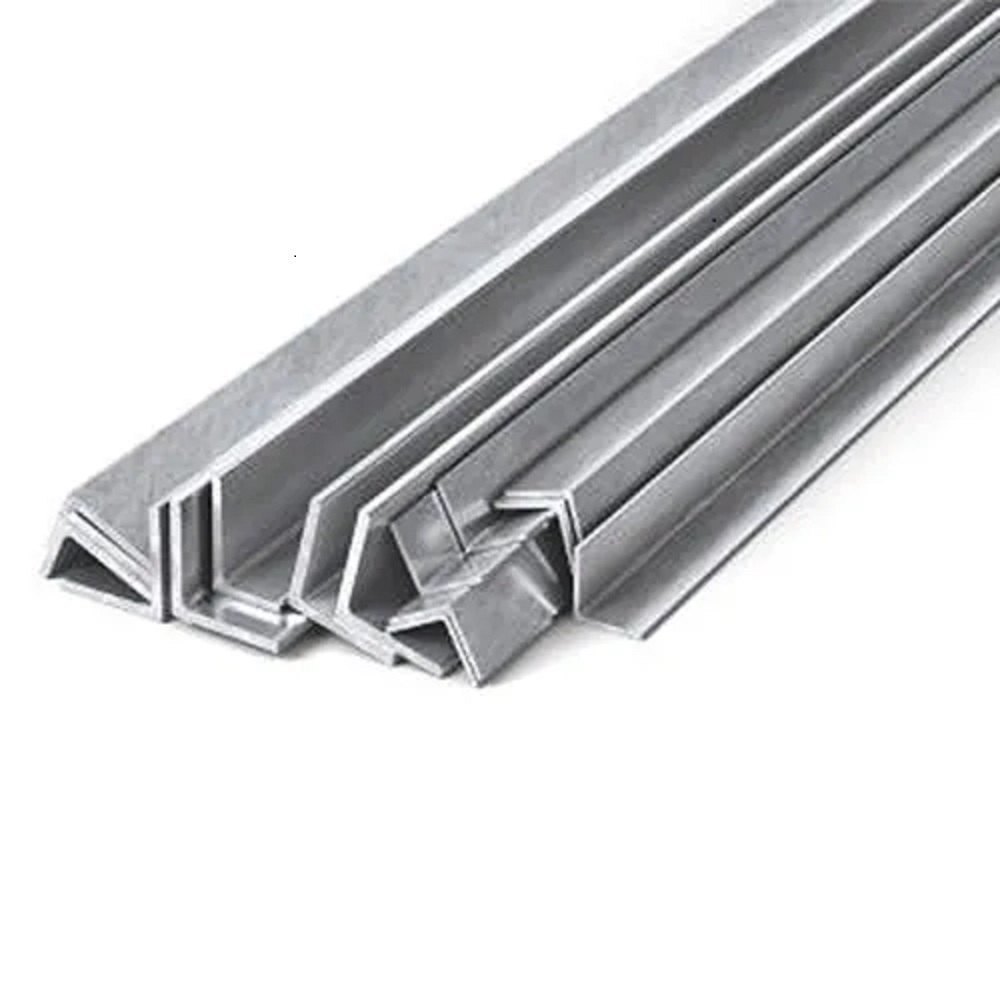
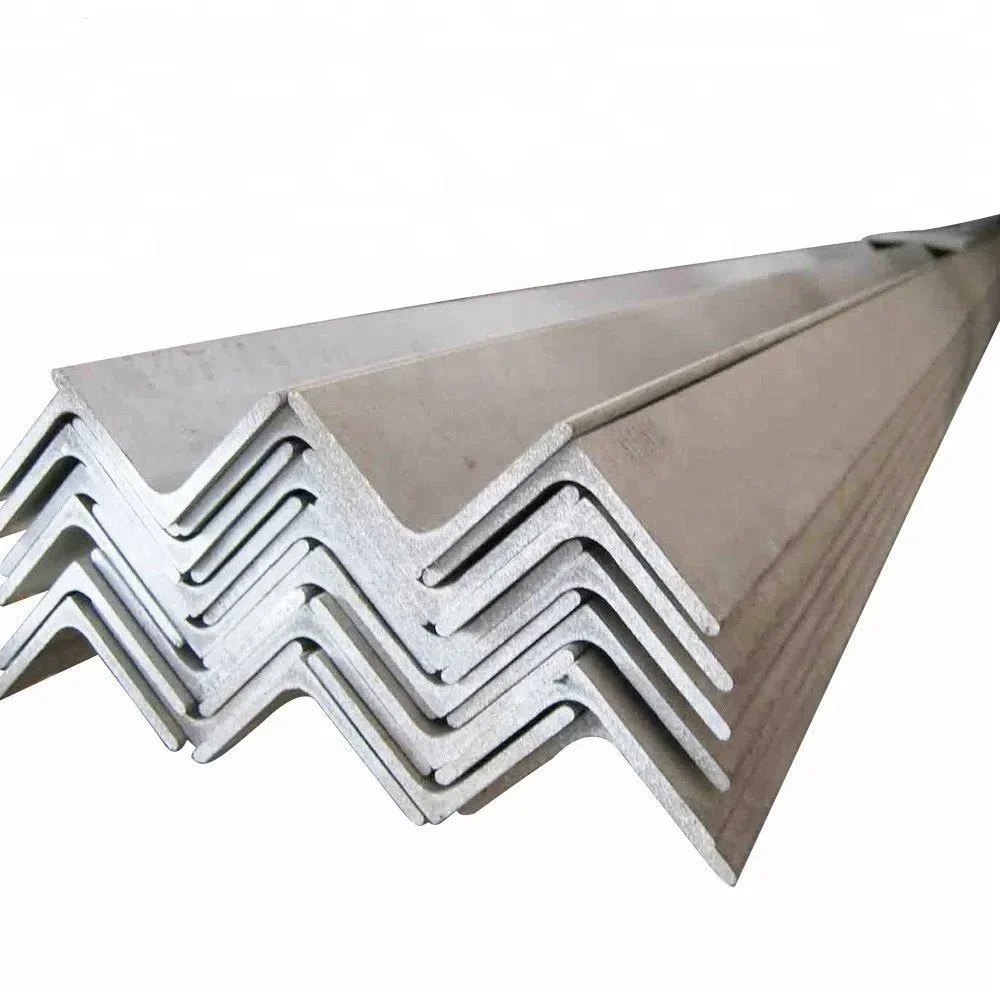
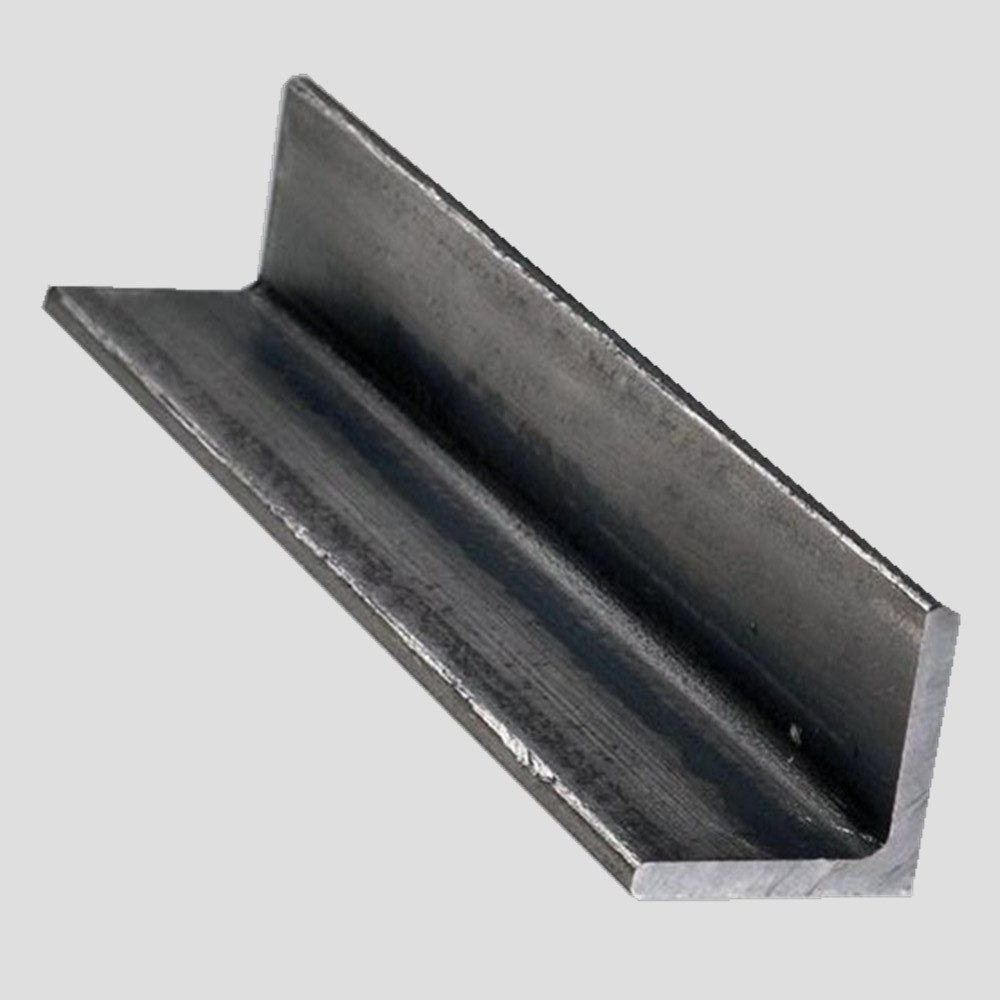
Inconel 601 Angle is a structural part made from Inconel 601, a Nickel-Chromium alloy that exhibits high oxidation resistance and strength at high temperatures. This alloy is well suited for use in situations where heat and corrosive conditions are the order of the day, and as such, it has many uses in industry.
Key Features of Inconel 601 AngleInconel 601 angle exhibits remarkable performance in harsh, high-temperature environments. Its versatility stems from outstanding resistance to oxidation, excellent mechanical strength, and reliable workability. With a non-magnetic structure, it also resists spalling and deformation at temperatures up to 1200C, making it highly valued for various industrial uses.
Applications Across Multiple IndustriesThis alloy angle is widely adopted in heat treatment plants, petrochemical facilities, power stations, and thermal processing equipment. Its non-magnetic, dimensionally stable, and corrosion-resistant attributes allow it to maintain integrity in hostile atmospheres, supporting critical functions in aerospace, energy, and chemical processing sectors.
Customization and Quality AssuranceManufactured to exacting specifications, Inconel 601 angle is offered in customizable lengths, thicknesses, and finishes. Whether requiring sharp or rounded edges, cold drawn or hot rolled types, or tailored dimensions, clients receive consistent product quality that adheres to worldwide ASTM and ASME standards.
FAQ's of Inconel 601 angle:
Q: How is Inconel 601 angle used in high-temperature environments?
A: Inconel 601 angle is employed in high-temperature settings due to its outstanding resistance to oxidation and thermal degradation. It is commonly utilized in furnace components, heat treatment fixtures, and thermal processing equipment, where it maintains structural integrity at temperatures reaching up to 1200C.
Q: What benefits does Inconel 601 angle offer compared to standard steel angles?
A: Compared to standard steel angles, Inconel 601 angle delivers superior corrosion and oxidation resistance, particularly at elevated temperatures. Its mechanical strength remains robust in harsh settings, ensuring longer service life, reduced maintenance, and enhanced reliability for critical industrial applications.
Q: Where can customized Inconel 601 angle profiles be sourced?
A: Customized Inconel 601 angle profiles can be sourced directly from specialized manufacturers, exporters, or suppliers who offer dimensions, edge types, and finishes tailored to project requirements. Custom lengths up to 6000mm, various thicknesses, and surface treatments are readily available.
Q: What is the manufacturing process for an Inconel 601 angle?
A: The manufacturing process for Inconel 601 angle involves hot or cold rolling, or forging, followed by precise shaping into the desired L-profile. Quality control ensures the material meets ASTM B166/ASME SB166 standards, and finishes such as mill, polished, or special treatments can be applied as per customer specifications.
Q: How does the weldability and formability of Inconel 601 angle impact its applications?
A: With excellent weldability and good formability, Inconel 601 angle can be easily fabricated, assembled, or modified, making it suitable for complex structures in thermal plants and chemical processing. These properties allow for customized installation, repairs, and retrofits with minimal complications.
Q: When should you choose Inconel 601 angle in industrial projects?
A: Choose Inconel 601 angle when your project demands high resistance to oxidation, thermal cycling, and corrosive exposure, particularly in sectors like heat treatment, power generation, petrochemicals, and aerospace, where conventional materials may fail under extreme conditions.
Q: What surface finishes are available for Inconel 601 angle, and why do they matter?
A: Available finishes include mill, polished, bright, and pickling, as well as custom options. The choice of finish influences the angle's resistance to surface corrosion, aesthetic appeal, and suitability for specific industrial environments, ensuring the product aligns with both functional and visual standards.





 Send Inquiry


 Send Inquiry
 Send Inquiry
 Send SMS


