Inconel 625 Instrumentation Fittings About
Inconel 625 Instrumentation Fittings are considered some of the industry's most robust and resistant due to their unique chemical composition. These fittings are made primarily with Nickel, Chromium, and Molybdenum alloyed in varying amounts from 59-67%. Smaller parts may have an addition of
niobium or other metals that can help improve flexibility and strength even further. Nickel is used for multiple reasons, including oxidation and corrosion resistance, increased strength at elevated temperatures, and overall hardness. Chromium increases these capabilities even more, giving the material better fabricability characteristics. Depending on application needs, a higher amount of Molybdenum may be used for even better oxidation protection so that Inconel 625 Instrumentation Fittings will last over time despite harsh exposure.
Exceptional Corrosion ResistanceInconel 625 Instrumentation Fittings deliver excellent resistance to pitting, crevice, and intergranular corrosion, making them suitable for aggressive environments such as chemical processing and marine installations. Their nickel-chromium-molybdenum alloy construction ensures resilience against corrosive agents, thereby extending the service life and maintaining leak integrity even in challenging conditions.
Precision Engineered for Leak-Tight ApplicationsEngineered to exacting tolerances (0.05 mm or as specified), these fittings guarantee gas-tight, zero-leak performance. Advanced manufacturing techniques-including forging, machining, and electropolishing-enable use in demanding applications, like instrumentation lines and critical fluid or gas transfer systems, meeting or exceeding international standards such as ASTM B366 and ASME SB366.
FAQ's of Inconel 625 Instrumentation Fittings:
Q: How are Inconel 625 Instrumentation Fittings tested for quality and leak-tight performance?
A: Each fitting undergoes rigorous hydrostatic, pneumatic, and non-destructive testing (NDT), as well as positive material identification (PMI) to ensure adherence to performance and safety standards. This ensures gas-tight, zero-leak performance in demanding applications.
Q: What applications benefit most from Inconel 625 Instrumentation Fittings?
A: Thanks to their excellent corrosion resistance and high pressure/temperature ratings, these fittings are ideal for oil & gas, petrochemical, chemical processing, offshore/marine environments, and power generation. They excel in systems where reliability and longevity under extreme conditions are mandatory.
Q: When should I choose Inconel 625 instead of stainless steel or other alloys?
A: Inconel 625 is the preferred choice when exceptional resistance to highly corrosive environments-such as acids, seawater, and high-temperature oxidation-is required, or when the system must operate at extreme temperatures or under high pressure beyond the capability of standard alloys.
Q: What thread and connection types are offered for these fittings?
A: A variety of connection options are available, including male/female threaded (NPT, BSP, BSPT, BSPP, SAE, ISO), welded (butt-weld, socket-weld), flared, and compression types. End connections can be tube OD, pipe thread, or custom as per requirements.
Q: Where can these fittings be installed and what packaging is used?
A: These fittings are suitable for installation worldwide in demanding industries. For protection and integrity, they are packaged in sealed plastic bags, cartons, or wooden cases according to export and customer specifications.
Q: What process is involved in manufacturing these precision-engineered fittings?
A: Inconel 625 fittings are produced through forging, machining, and precision engineering, with surface treatments such as pickling, sand blasting, or polishing. Each fitting is dimensioned as per ASME/ANSI/MSS standards or tailored to custom dimensions.
Q: What is the size range and shapes available for these instrumentation fittings?
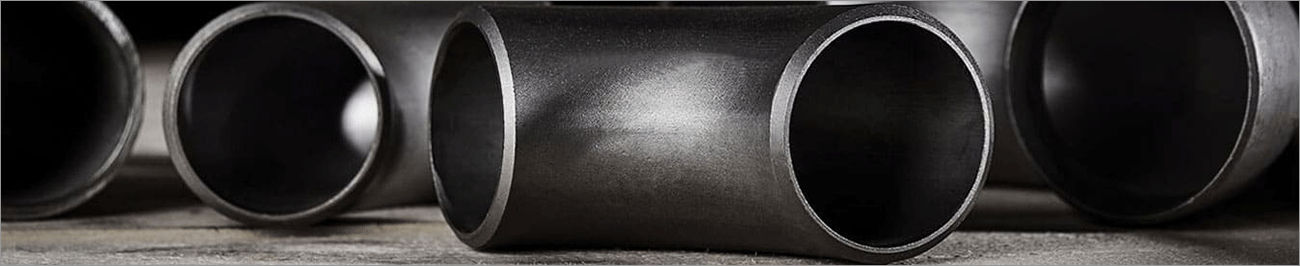
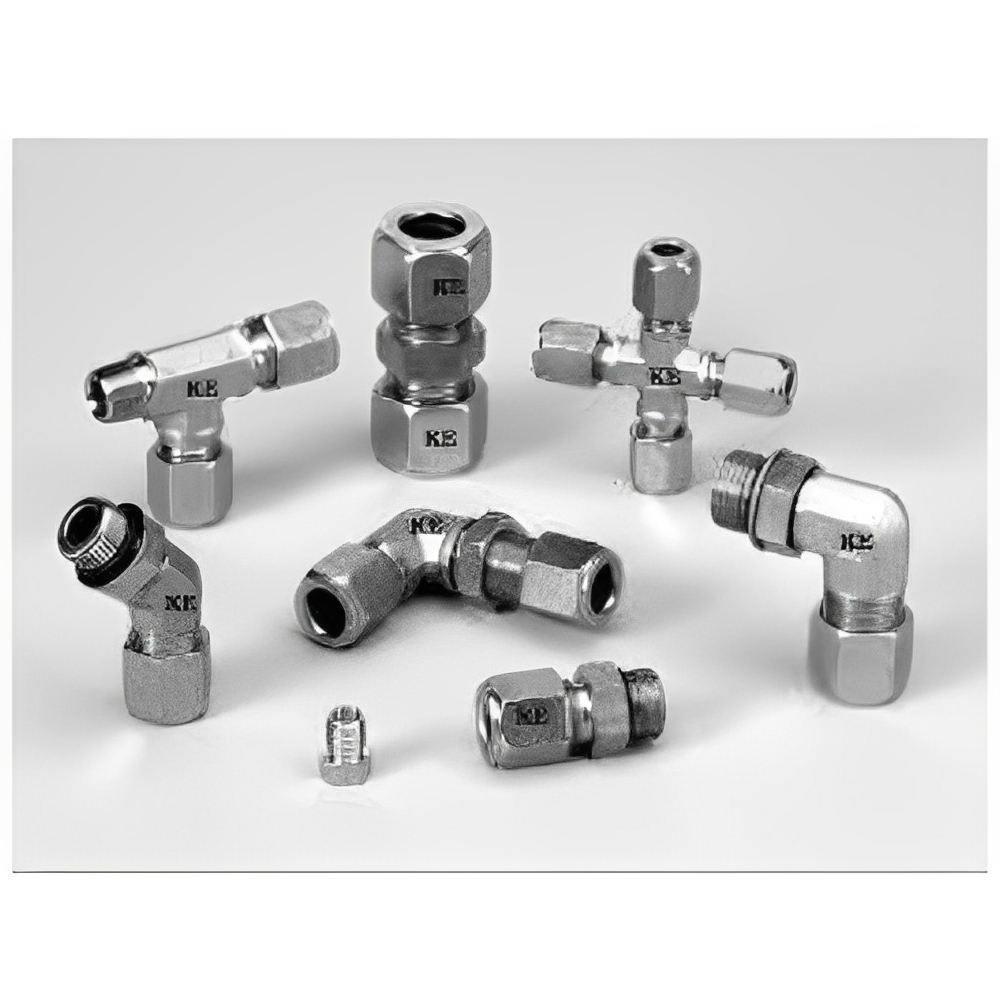
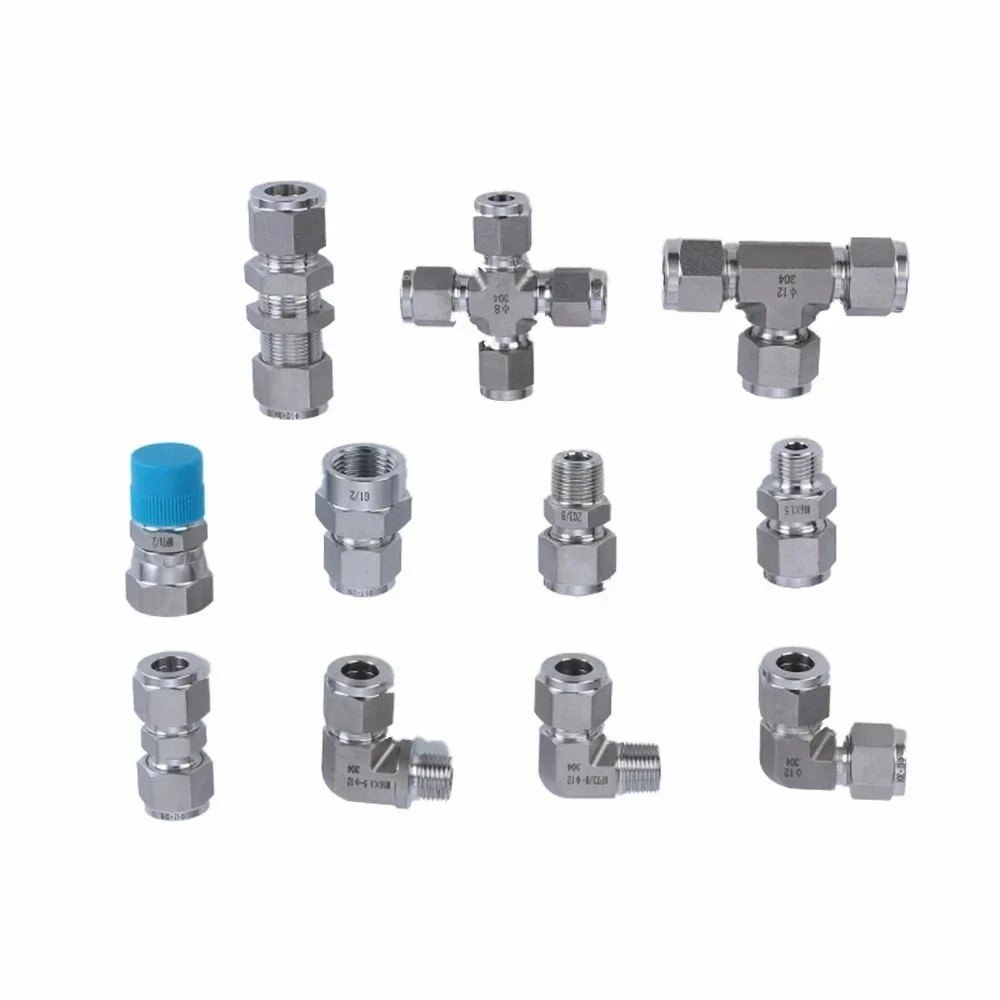
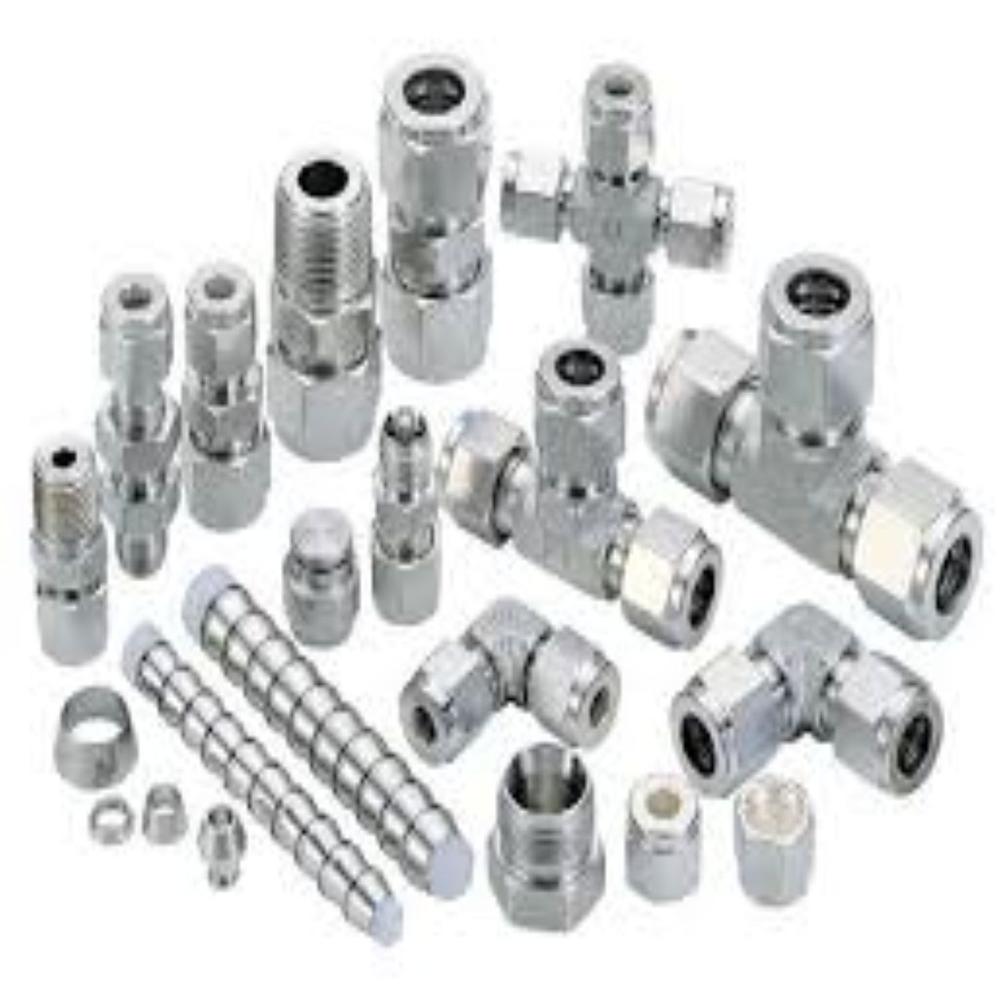
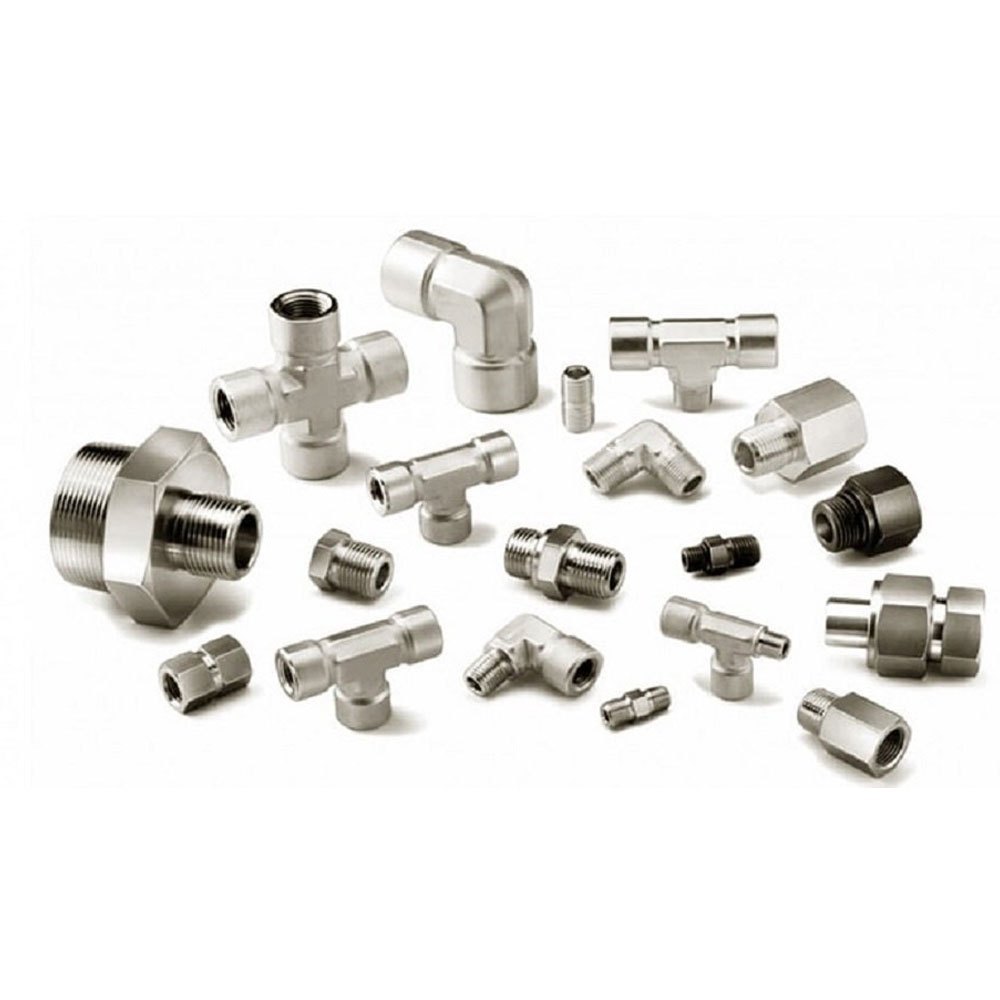
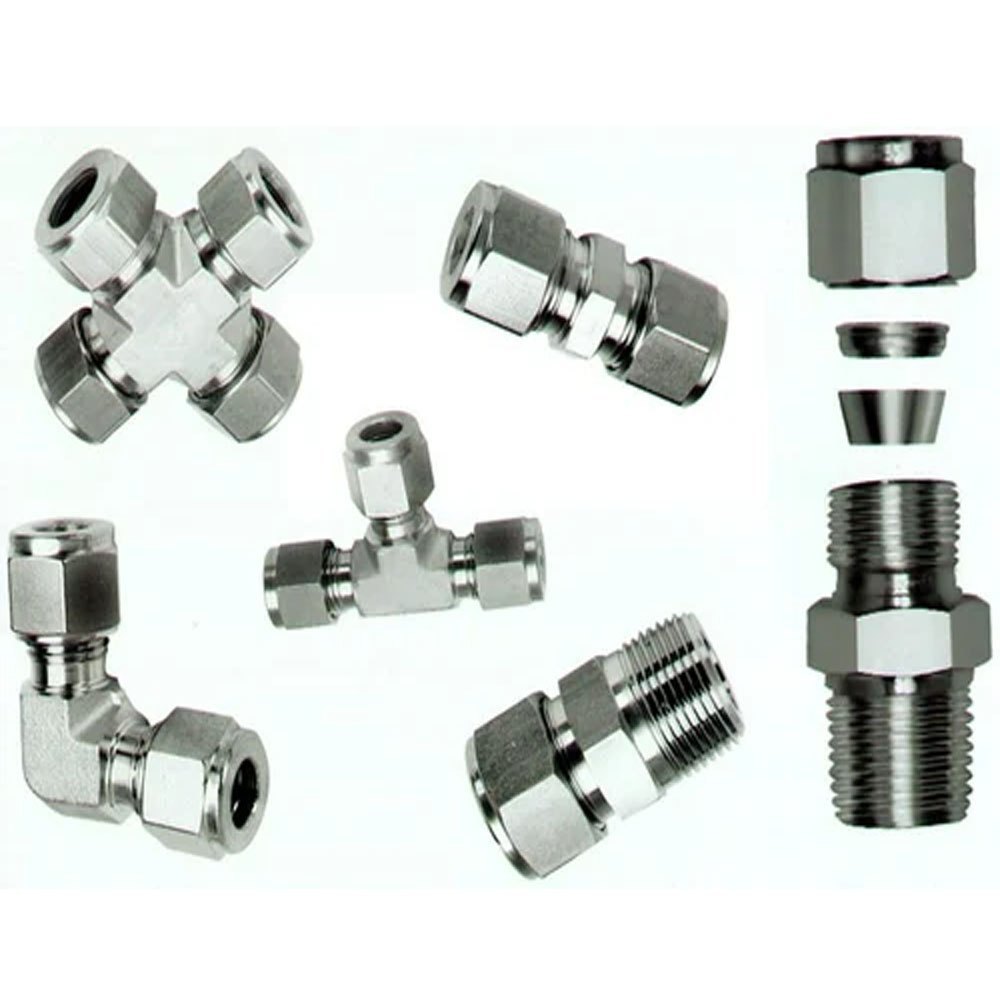
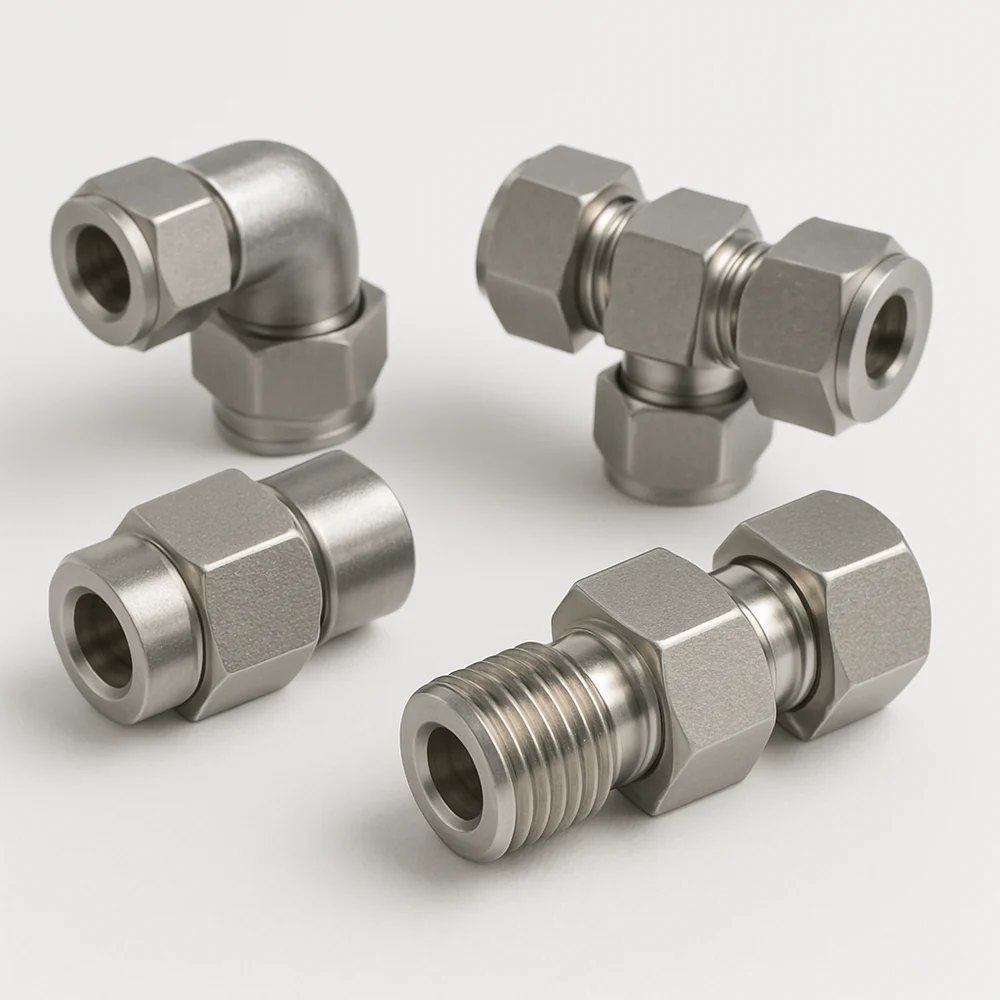
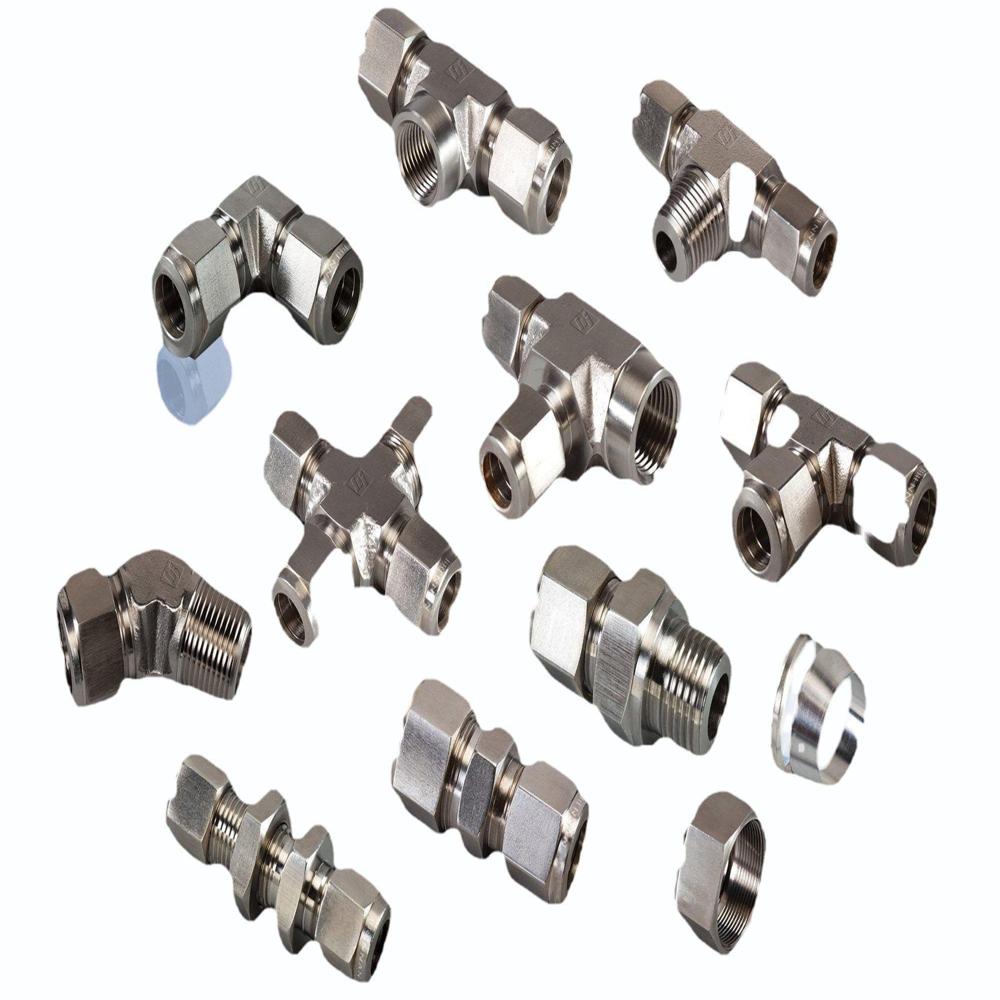
A: Inconel 625 fittings are available in sizes from 1/8" to 2" (3 mm to 50 mm), and include a wide range of shapes-elbows, tees, unions, crosses, couplings, adapters, reducers, ferrules, and more-accommodating both standard and custom instrumentation layouts.





 Send Inquiry


 Send Inquiry
 Send Inquiry
 Send SMS


