Inconel 686 Sheet About
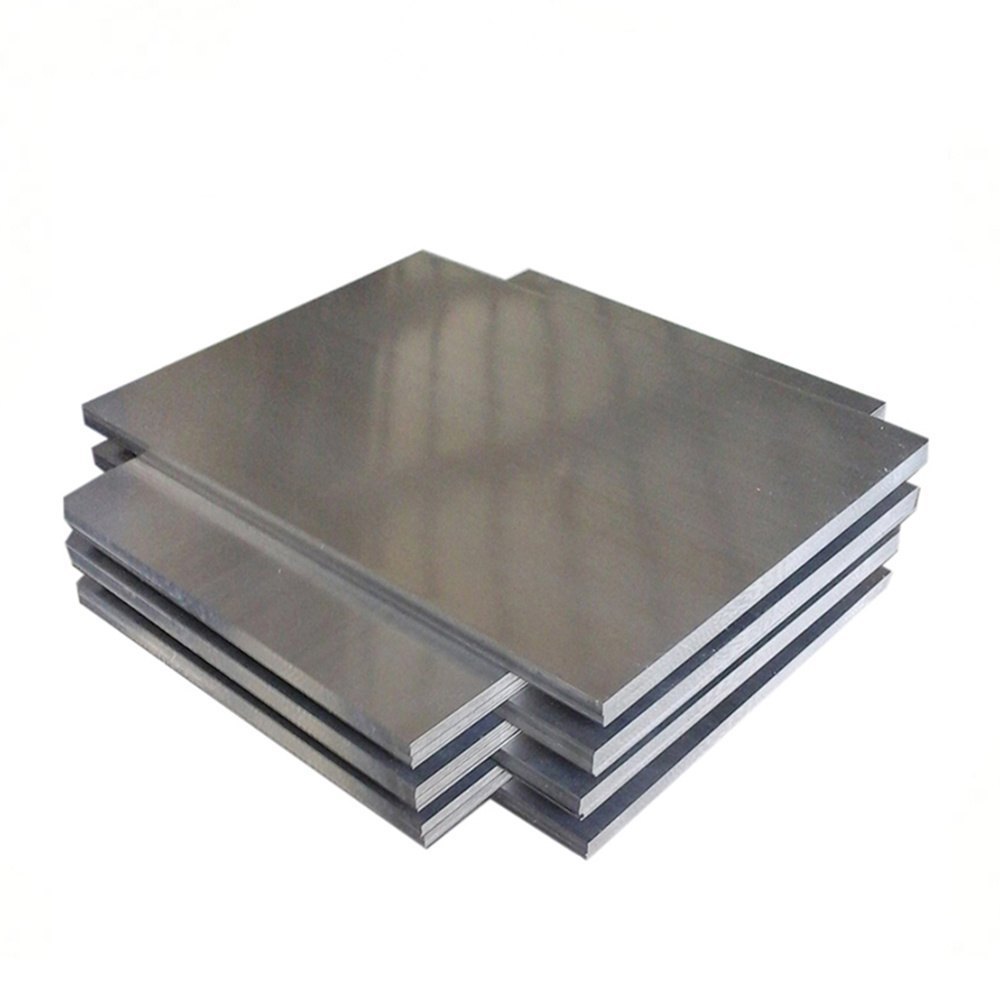
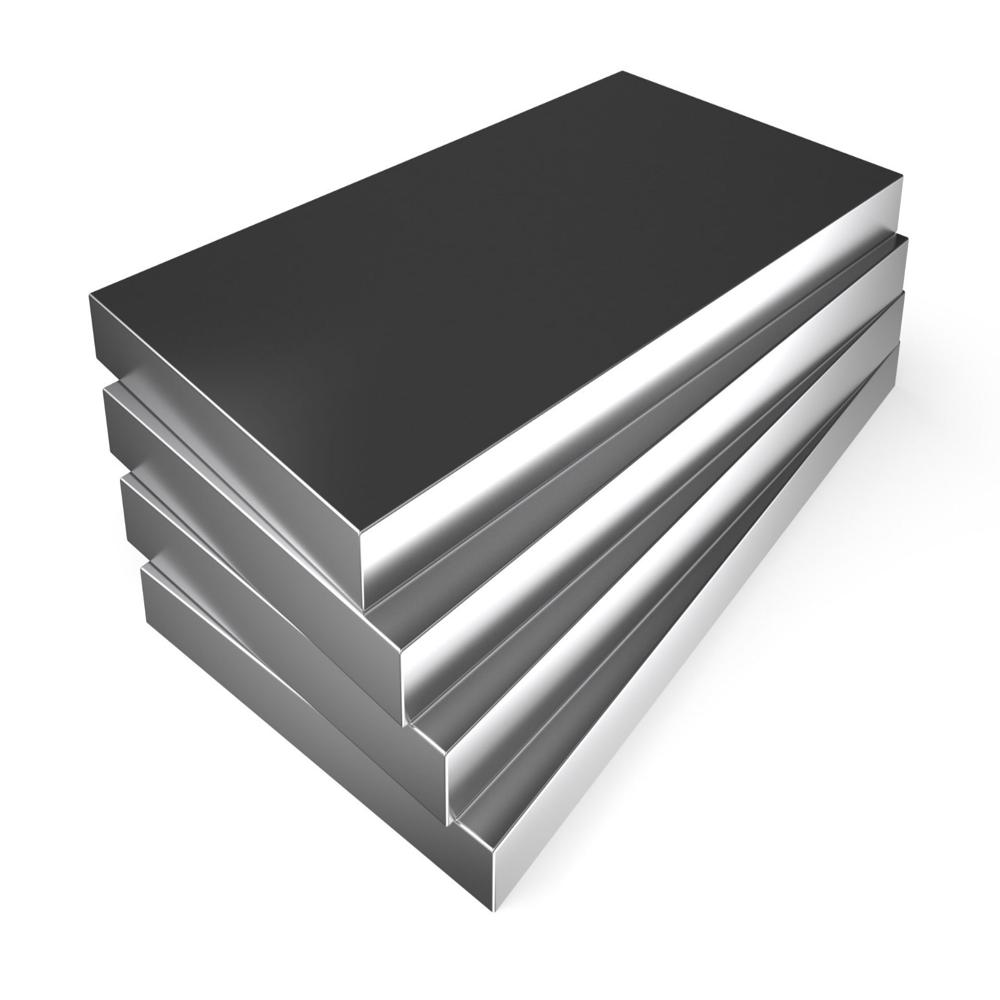
Inconel 686 Sheet is composed of Nickel, Chromium, and Iron but contains other elements at smaller concentrations, such as Aluminium, Titanium, Copper, and Manganese. It has excellent corrosion resistance and is resistant to high temperatures due to its outstanding strength-to-weight ratio. Therefore, Inconel 686 Sheet is often used in applications involving pressure vessels operating with oxidizing acids or reducing agents, marine atmospheres, and hot sulphuric acid fumes. This magnetic alloy exhibits a combination of properties that make it an exceptionally versatile material for multiple industries.
Outstanding Corrosion ResistanceInconel 686 sheets provide excellent protection against both general and localized corrosion, including resistance to pitting and crevice attacks. Their advanced composition makes them ideal for use in highly corrosive environments, ensuring the longevity and reliability of equipment. This attribute is well-suited for industries where chemical, marine, or atmospheric exposure is a concern.
Versatile Mechanical PropertiesWith a high minimum tensile strength of 790 MPa, a yield strength of 355 MPa, and elongation of at least 30% in 50 mm, Inconel 686 sheets combine strength with ductility. Their hardness falls within Rockwell B85 to B94. These properties, alongside excellent formability and consistent tolerances of 0.02 mm, make them suitable for applications where mechanical durability is crucial.
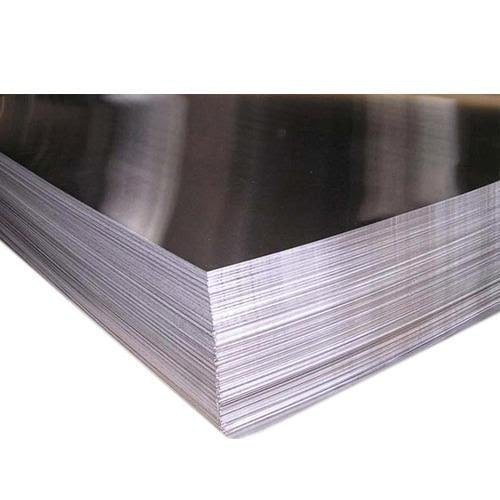
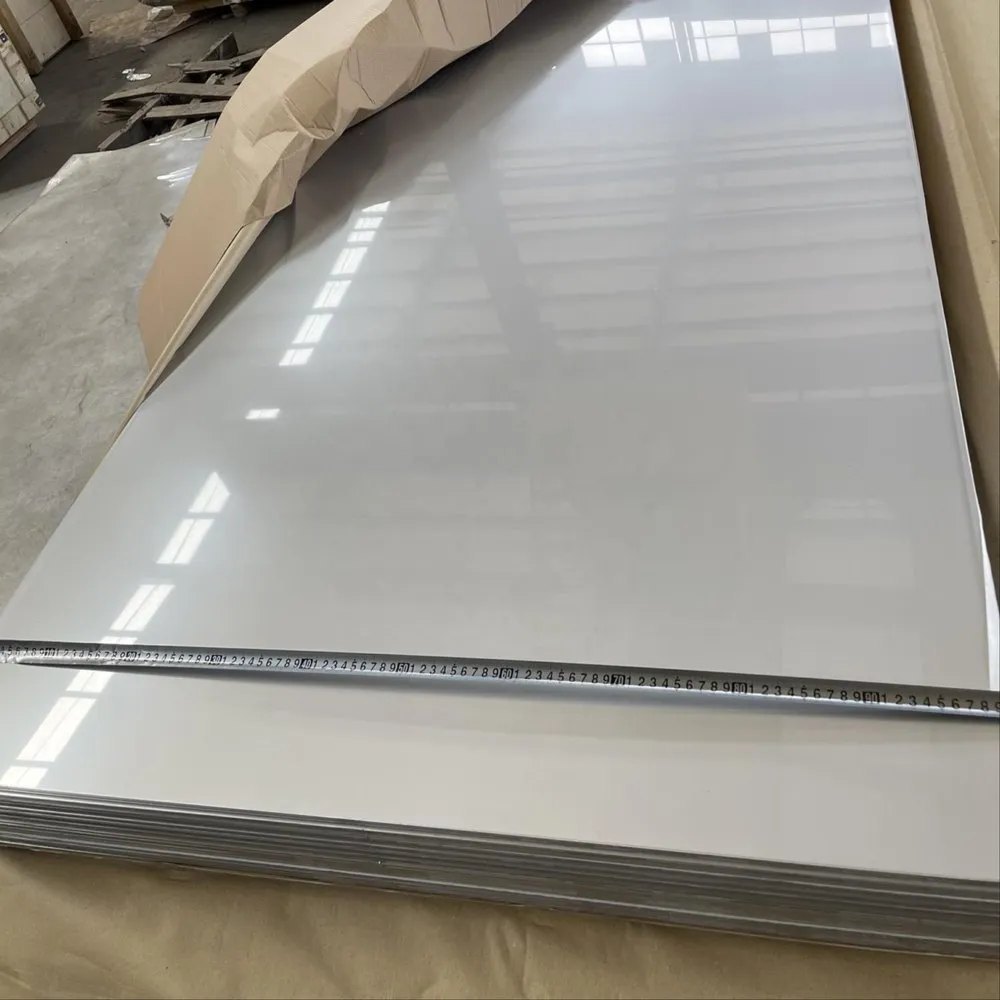
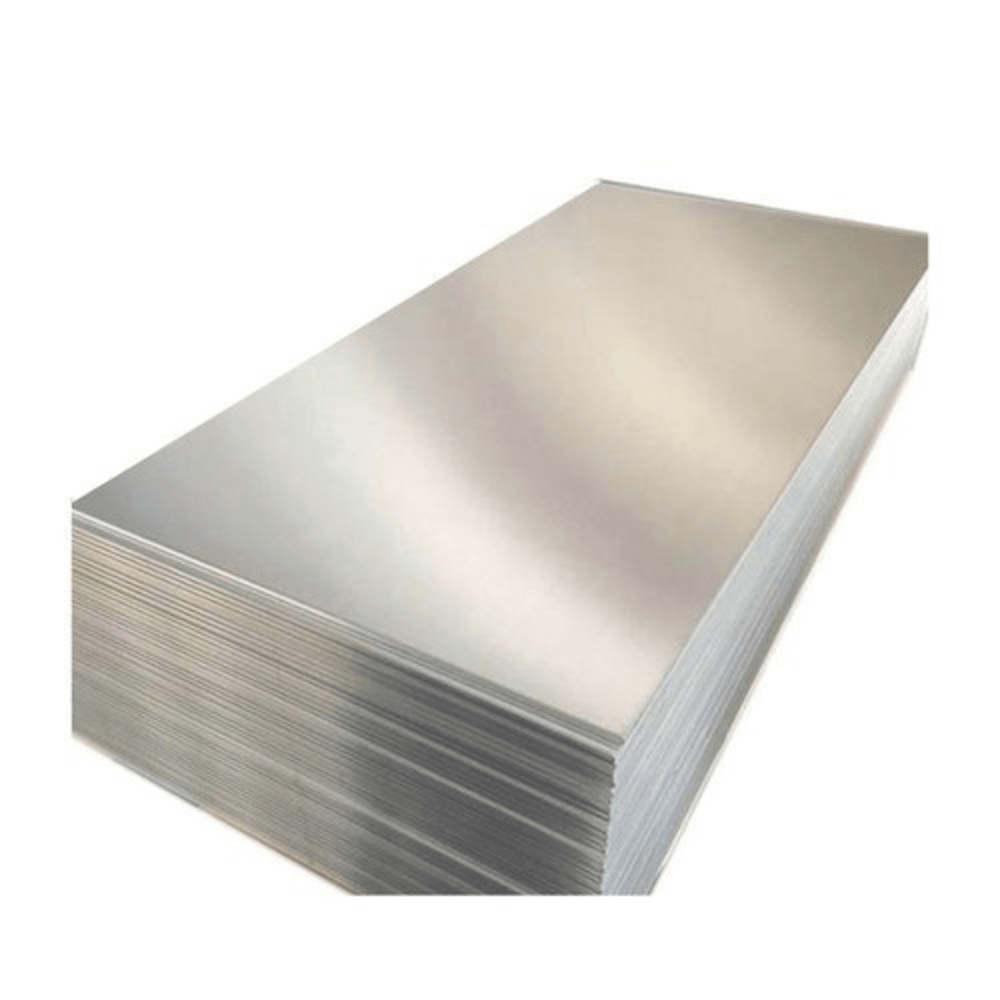
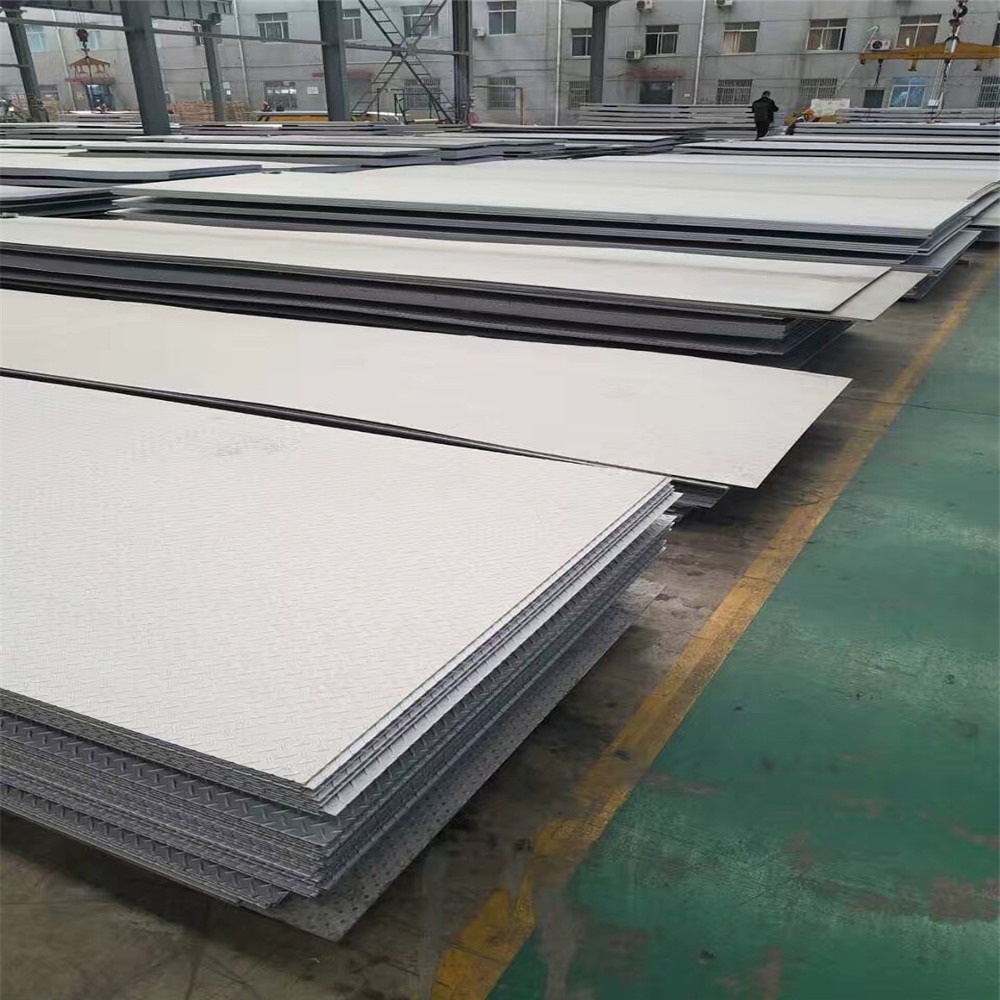
Wide Range of Dimensions & FinishesOffered in widths up to 2000 mm, lengths up to 6000 mm, and thicknesses from 0.5 mm to 50 mm, Inconel 686 sheets are available in various finishes such as 2B, BA, No.1, No.4, mirror, and matt. This versatility ensures they can be tailored to the specific requirements of myriad industrial projects, from structural components to specialized equipment.
FAQ's of Inconel 686 Sheet:
Q: How does Inconel 686 sheet resist corrosion in demanding environments?
A: Inconel 686 contains a balanced composition of nickel, chromium, and molybdenum, which provide exceptional resistance to general, localized, pitting, and crevice corrosion. This makes it suitable for challenging chemical processing, marine, and pollution control environments where standard alloys may fail.
Q: What are the available sizes and finishes for Inconel 686 sheets?
A: These sheets are available in widths of 1000 mm to 2000 mm, lengths up to 6000 mm, and thicknesses ranging from 0.5 mm to 50 mm. Common finishes include 2B, BA, No.1, No.4, mirror, and matt, providing options suitable for a variety of aesthetic and functional applications.
Q: When should Inconel 686 be chosen over other nickel alloys?
A: Inconel 686 should be selected when superior corrosion resistance is required, especially in processes that involve aggressive chemicals or marine conditions. Its robust mechanical properties and longevity make it the preferred choice where durability and extended service life are priorities.
Q: Where is Inconel 686 sheet typically used?
A: The sheet finds applications in chemical processing plants, marine engineering, pollution control equipment, oil & gas installations, and aerospace sectors. Its reliability in severe environments ensures safety and operational integrity across these industries.
Q: What processing methods are used to manufacture Inconel 686 sheets?
A: Inconel 686 sheets are produced through hot rolled and cold rolled processes, followed by appropriate surface treatments such as bright annealing. This allows precise control over thickness, flatness, and surface characteristics, ensuring compliance with ASTM B168 and B906 standards.
Q: How do the mechanical properties of Inconel 686 sheets benefit end users?
A: The high tensile (790 MPa min) and yield strengths (355 MPa min), coupled with at least 30% elongation and Rockwell B85-B94 hardness, provide remarkable resistance to deformation, excellent formability, and a margin of safety in engineering applications.





 Send Inquiry


 Send Inquiry
 Send Inquiry
 Send SMS
 Call Me Free


