Inconel 718 Circles About
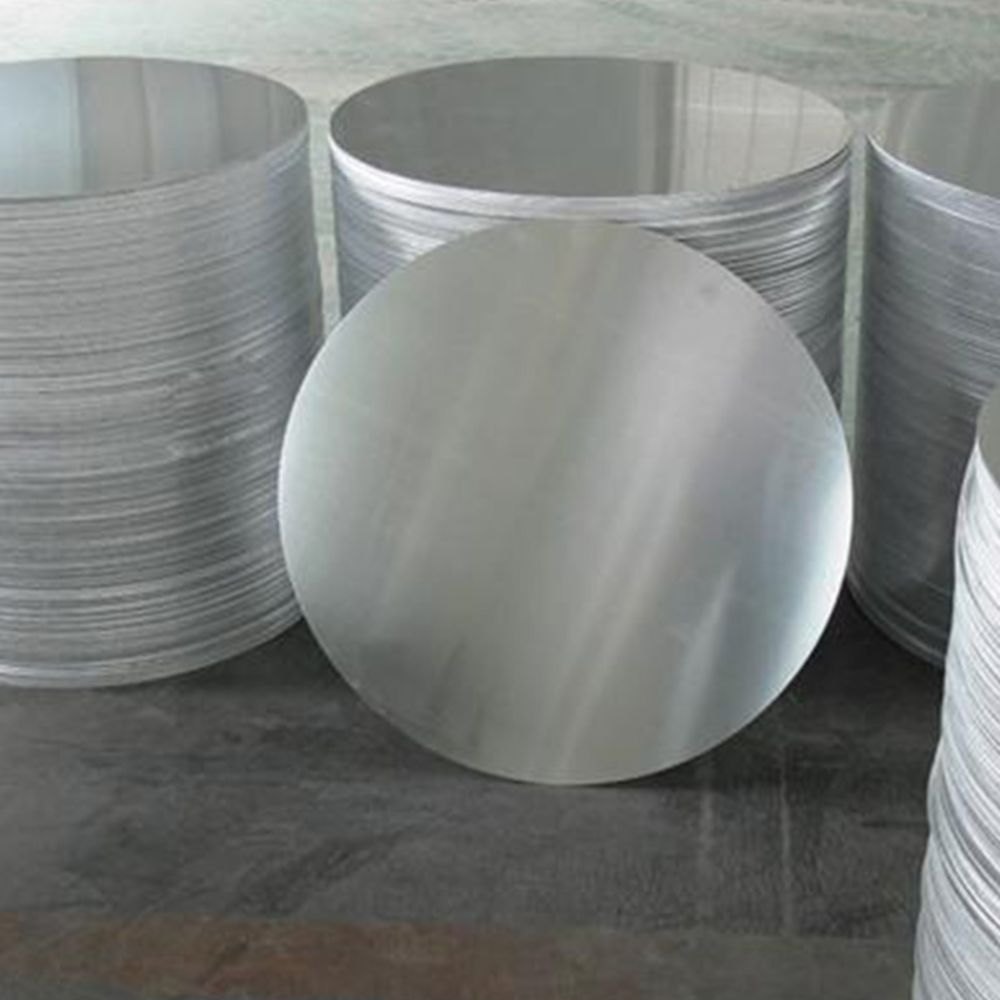
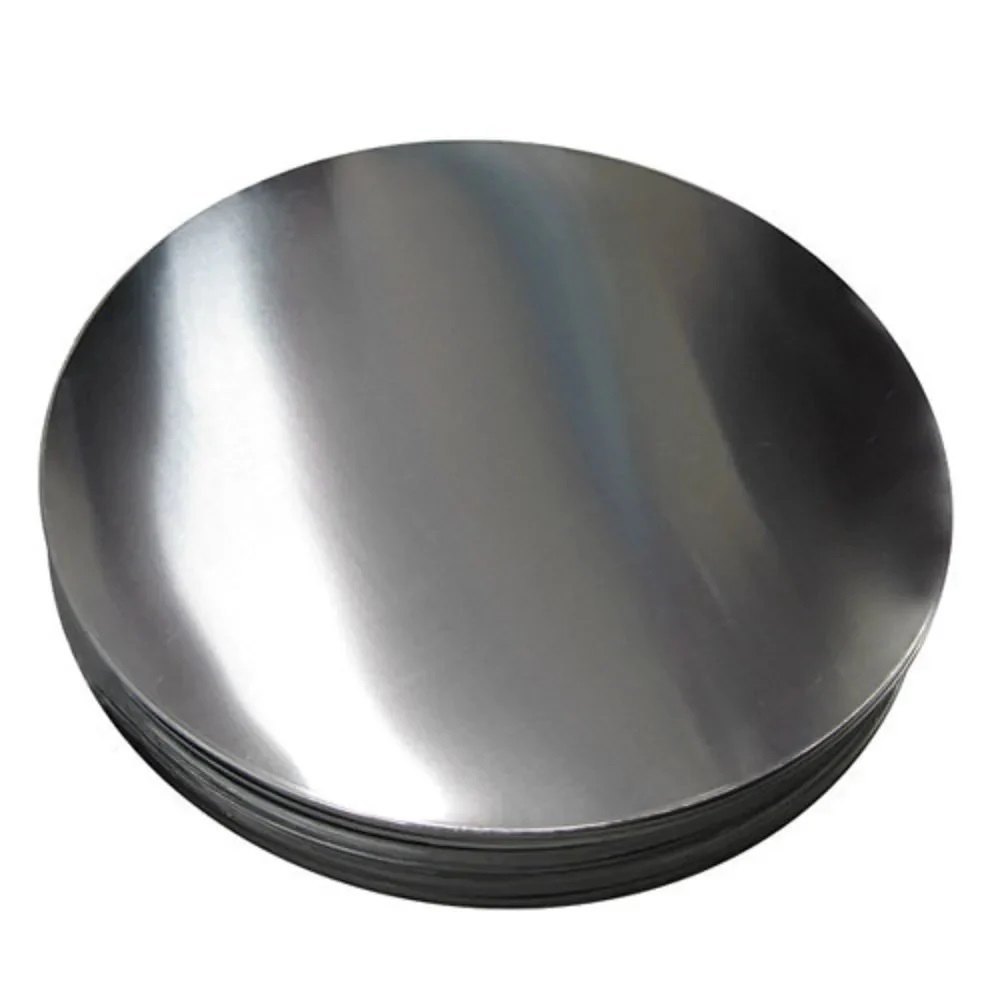
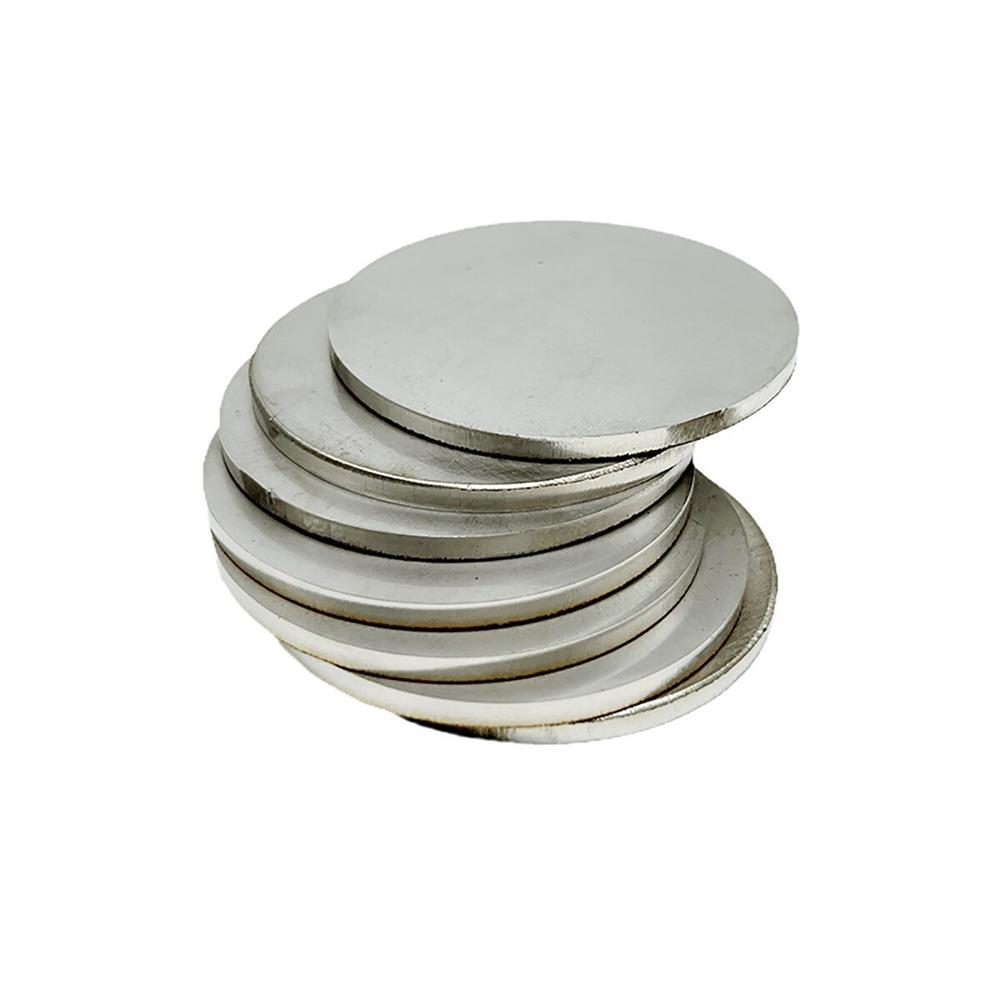
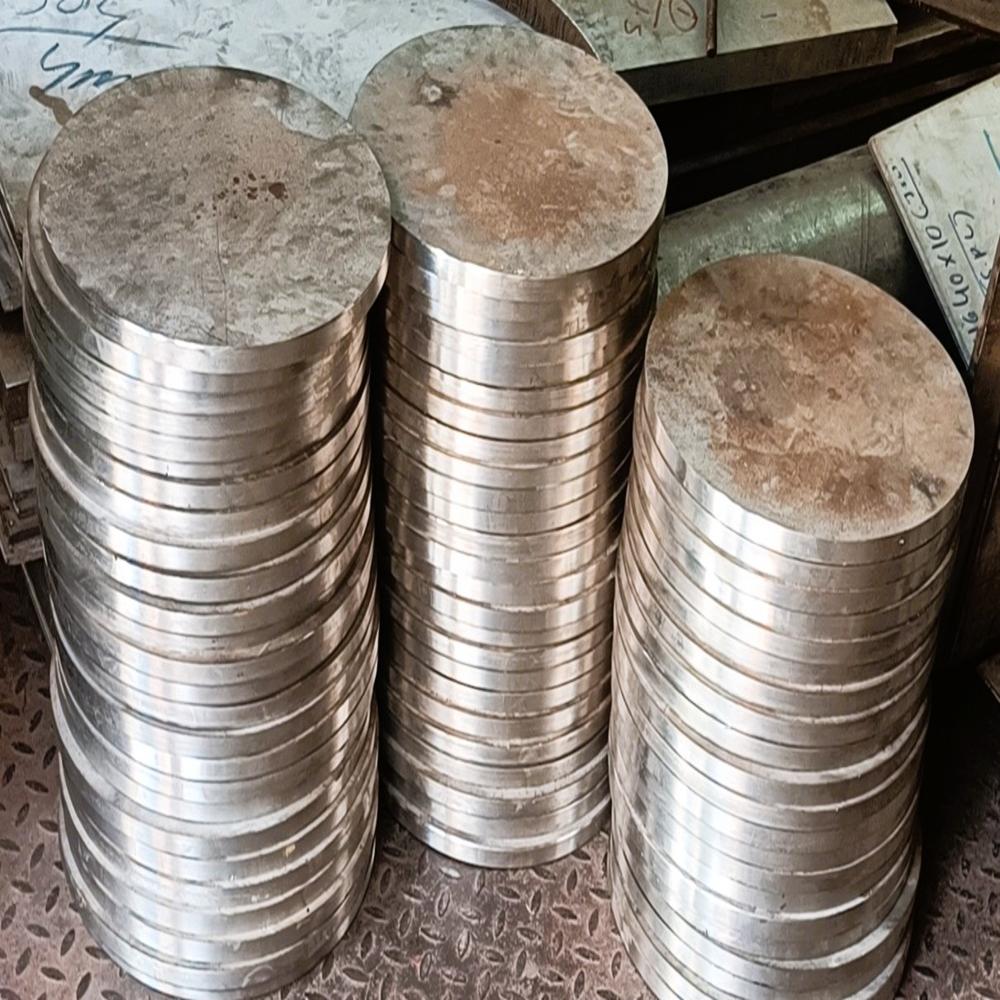
Inconel 718 Circle is a nickel-chromium-based alloy called UNS N07718 because of its high strength and corrosion resistance in elevated temperature applications. This precipitation strengthening material has high iron, niobium and molybdenum content and relatively low aluminium and titanium content which gives the material good mechanical characteristics. Inconel 718 is rolled and formed in industrial circles to the necessary industrial standards.
Engineered for Extreme PerformanceInconel 718 Circles are meticulously produced from durable nickel-based superalloy, ensuring remarkable strength, toughness, and long-term performance even in high-temperature environments. Their unique alloy composition and advanced heat treatment processes guarantee consistent reliability in the most challenging applications, from jet engines to nuclear reactors.
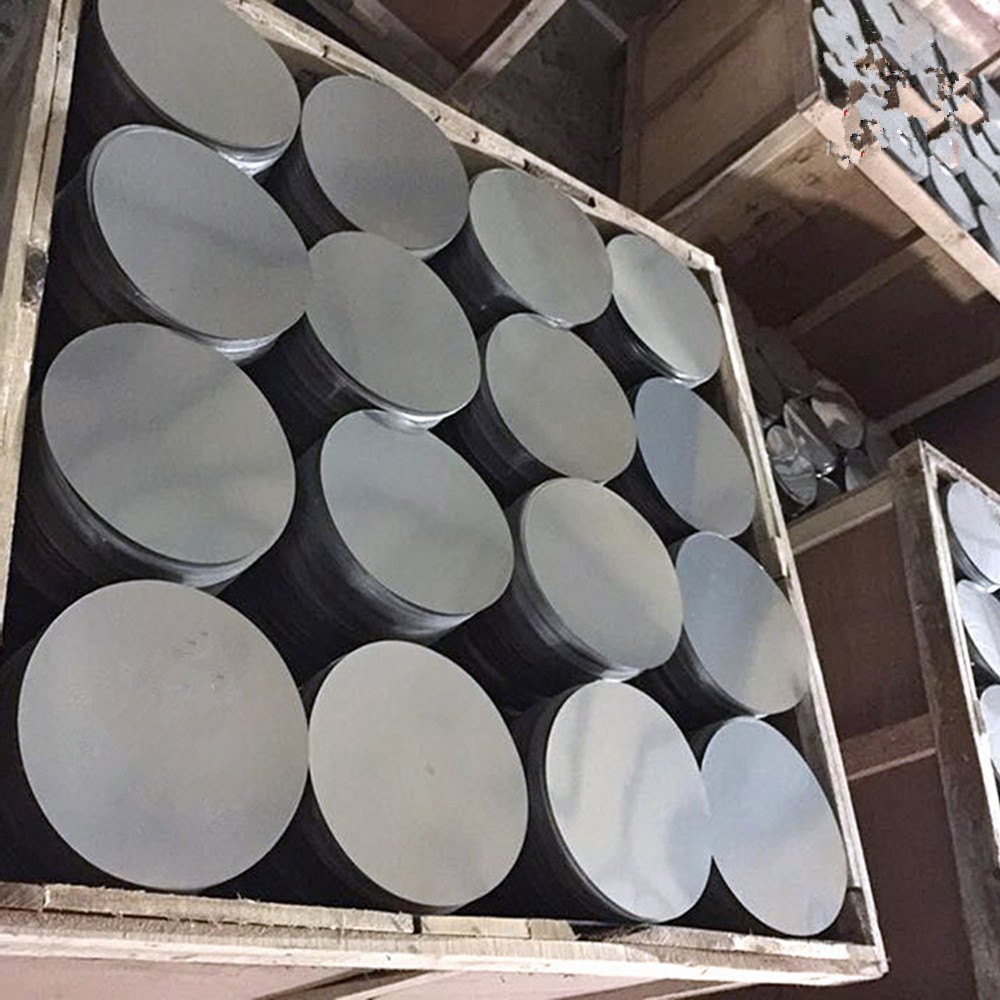
Precision Manufacturing & CustomizationThese circles can be manufactured in a wide range of diameters, from 10 mm up to 1000 mm, and thicknesses between 0.5 mm and 50 mm, accommodating precise customer requirements. Choose from hot rolled, cold rolled, or forged and annealed technics, with a variety of surface treatments such as polished, bright, or custom finishes for tailored applications.
Comprehensive Certifications & ComplianceEach Inconel 718 Circle is rigorously tested and supplied with internationally recognized certificates like EN 10204 3.1, 3.2, NACE MR0103/MR0175, and IBR compliance, as well as provisions for third-party inspection. Compliance with ASTM, AMS, and UNS standards ensures suitability for critical industries worldwide.
FAQ's of Inconel 718 Circles:
Q: How are Inconel 718 Circles manufactured to meet specific requirements?
A: Inconel 718 Circles are custom-cut from sheets or billets using hot or cold rolling, followed by precision machining. They can be produced in a variety of diameters (10 mm-1000 mm) and thicknesses (0.5 mm-50 mm), adhering to tight tolerances as specified by the customer. Advanced heat treatment processes ensure optimal mechanical properties.
Q: What makes Inconel 718 Circles suitable for high-temperature applications?
A: The alloy's high melting point (1260-1336C), excellent tensile strength (minimum 1240 MPa), and exceptional resistance to oxidation and corrosion allow these circles to perform reliably in environments with extreme temperatures, such as jet engines, gas turbines, and nuclear reactors.
Q: When should Inconel 718 Circles be used over other materials?
A: Inconel 718 Circles are preferred when exposed to harsh environments involving high temperature, pressure, or corrosive chemicals. Industries like aerospace, oil & gas, and chemical processing rely on its superior stress corrosion cracking resistance, strength retention at elevated temperatures, and longevity.
Q: Where can Inconel 718 Circles find their applications?
A: These circles are extensively used in components for aerospace engines, nuclear reactors, gas turbines, oil & gas equipment, and chemical plants. Their versatility and compliance with stringent standards make them suitable for safety-critical and high-performance applications.
Q: What certifications are available for Inconel 718 Circles?
A: Inconel 718 Circles are supplied with full certification, including EN 10204 3.1 and 3.2, NACE MR0103/MR0175, IBR, and the option for third-party inspections. This assures customers of their quality and compliance with global industry standards.
Q: How should Inconel 718 Circles be handled during machining and welding?
A: Due to moderate machinability, carbide tools and slow speeds are recommended. For welding, Inconel 718 offers excellent weldability and can be joined using various conventional processes, ensuring strong and reliable joints for critical assemblies.
Q: What are the main benefits of choosing Inconel 718 Circles for industrial use?
A: The primary advantages include outstanding mechanical strength, resistance to multiple forms of corrosion (pitting, crevice, stress corrosion cracking), longevity in extreme conditions, adherence to international standards, and compatibility with custom designs and finishes to meet diverse industrial demands.





 Send Inquiry


 Send Inquiry
 Send Inquiry
 Send SMS
 Call Me Free


